
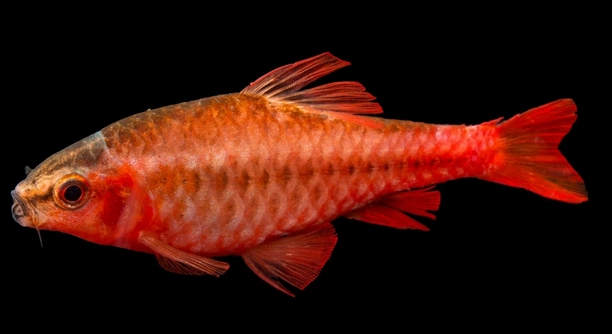
Cherry barbs are known for their vibrant colors and active personalities. However, if you notice your cherry barbs showing little interest in food, it could signal underlying issues. Understanding these behaviors can help you care for them better.
Cherry barbs may appear disinterested in food due to stress, environmental changes, poor water quality, or health issues like parasites or infections. Ensuring a stable and clean environment is key to encouraging normal feeding behavior.
This article will explore the common reasons behind your cherry barbs’ lack of appetite and provide useful tips to help you maintain their health.
Stress and Environmental Changes
Stress can have a major impact on cherry barbs’ feeding habits. Small changes in their environment, such as moving them to a new tank, adding new fish, or altering their lighting, can cause anxiety. Fish are sensitive to these shifts, and stress can lead to them avoiding food. Even changes in water temperature or the introduction of a new filter may affect their comfort levels. These factors can disrupt their routine, leaving them uninterested in eating. It’s essential to monitor their surroundings and keep things as stable as possible to avoid unnecessary stress.
Cherry barbs are more likely to resume eating once their environment settles down. Ensuring they have a calm, quiet space can help them feel secure again.
If you suspect stress is a problem, take a look at their surroundings. Providing hiding spots, minimizing disturbances, and keeping the water clean can all help your fish relax and feel safe, improving their appetite.
Water Quality and Tank Maintenance
Water quality plays a significant role in the health of cherry barbs. If the water is not kept at the right temperature or contains high levels of ammonia, nitrites, or nitrates, fish will not feel comfortable. This discomfort often leads to reduced feeding, as they focus on staying safe rather than eating. Regular water changes, maintaining the correct pH, and monitoring the temperature are vital. Without these, your fish might avoid food altogether, as they are more concerned with their survival in poor conditions.
Maintaining a clean tank with stable water parameters is essential. Regular water testing ensures everything is balanced.
Over time, improper water conditions can weaken your fish’s immune system, making them more susceptible to disease. Keeping water levels stable and clean is not only crucial for feeding but also for the overall health of your cherry barbs. Keep an eye on the tank and adjust the filtration system if needed.
Illness and Parasites
Health issues, like parasites or infections, can make cherry barbs lose interest in food. Fish suffering from parasites may display unusual behavior, like scratching against objects or staying in one spot. Infections can cause lethargy, and they may stop eating altogether. Identifying the symptoms early is key to getting them back on track.
If you suspect illness, it’s best to isolate the affected fish to prevent spreading it to others. Examine them closely for signs of external parasites, like white spots or lesions. If you notice any, consider treating with appropriate medication after consulting an expert.
Cherry barbs with internal parasites might show symptoms like bloating or irregular swimming. A proper diagnosis is essential for effective treatment. Ensuring good water quality and proper tank maintenance can also prevent many health issues, as a clean environment supports their immune system. Act quickly to address potential illnesses before they worsen.
Overfeeding or Poor Diet
Overfeeding can lead to uneaten food settling at the bottom of the tank, causing water quality to drop and affecting the cherry barbs’ health. If there’s too much food left, the fish may avoid eating, as the environment becomes unpleasant. It’s important to feed them only what they can consume in a few minutes.
Poor diet can also cause a loss of appetite. Cherry barbs need a varied diet with high-quality flakes, pellets, and occasional live or frozen food. A poor diet lacking in essential nutrients can lead to malnutrition, making them less interested in food. Try to incorporate a balance of protein and plant matter.
Feeding in small portions is key to maintaining a clean tank and ensuring your fish get the nutrition they need. You should also offer different types of food to see if they have preferences. A balanced diet will keep them healthy and encourage regular feeding.
Tank Mates and Compatibility
Tank mates can influence the behavior of cherry barbs. Aggressive or overly active fish might stress them out, causing them to avoid food. It’s important to choose peaceful, compatible species that won’t make them feel threatened. Keeping tank mates calm helps maintain a stress-free feeding environment.
If your cherry barbs are surrounded by overly dominant fish, they might not feel comfortable eating. Make sure you create a peaceful, balanced tank where all the fish can coexist without stress. Avoid overcrowding, as too many fish can contribute to competition for food, leaving your cherry barbs disinterested in feeding.
Lighting and Time of Day
Cherry barbs, like many fish, have specific feeding habits based on their natural rhythms. They tend to feed better during dawn and dusk. If your tank lights are too bright or stay on for too long, it can disturb their natural feeding cycle. Aim for proper lighting.
It’s also important to keep the light cycle consistent. Too much light or erratic changes in light can confuse your cherry barbs and affect their feeding times. By providing them with a consistent day-night cycle, you support their natural instincts and feeding habits, which can help restore their appetite.
FAQ
Why is my cherry barb not eating?
There are several potential reasons why your cherry barb may not be eating. Common causes include stress, illness, poor water quality, and an inappropriate diet. If there’s been a recent change in their environment, like new tank mates or altered water conditions, they may be feeling anxious. Fish often stop eating when stressed, as they are more focused on their survival. Check for signs of illness, such as lethargy or abnormal swimming patterns, and ensure the water is clean with appropriate temperature, pH, and hardness levels. Overfeeding can also result in uneaten food at the bottom of the tank, affecting water quality and appetite.
How can I get my cherry barb to start eating again?
To get your cherry barb to eat, start by checking water quality. Ensure the tank is clean, with the right temperature and proper filtration. If possible, remove any aggressive tank mates that may be stressing your fish. Gradually introduce a varied diet with high-quality food to stimulate their interest. If illness is suspected, treat with the appropriate medication. A peaceful and stable environment can also help your cherry barb feel more secure and comfortable enough to resume eating.
Can water temperature affect my cherry barb’s appetite?
Yes, water temperature plays an important role in a cherry barb’s appetite. If the temperature is too high or too low, it can affect their metabolism and feeding behavior. Cherry barbs prefer a water temperature between 74°F and 80°F (23°C to 27°C). If the temperature is outside of this range, they may become lethargic or stop eating. It’s important to keep the water within this optimal range to maintain their health and feeding habits.
What should I feed my cherry barb if they aren’t eating?
If your cherry barb isn’t eating, try offering a variety of foods. Start with high-quality flakes or pellets that are designed for small tropical fish. You can also try frozen or live foods like brine shrimp, bloodworms, or daphnia. Some fish may be picky, so experimenting with different types of food can help find what they like. Make sure the food is fresh and properly sized for your fish to avoid causing any further issues. Be cautious not to overfeed, as excess food can lower water quality and cause other problems.
Is it possible my cherry barb is eating without me noticing?
It’s possible that your cherry barb is eating without you noticing. Sometimes, fish may eat small amounts of food throughout the day, rather than consuming a large meal at once. If you’re concerned, observe your fish more closely, especially at feeding times, to ensure they’re eating. Additionally, cherry barbs can be shy, so they may prefer to feed when the tank is quieter or at times when there is less activity. It’s important to check for signs of food in the tank and monitor how much is being eaten each day.
Could my cherry barb be sick if they are not eating?
Yes, if your cherry barb is not eating and shows other signs of illness, it could be sick. Symptoms like lethargy, abnormal swimming patterns, or visible lesions may indicate a health issue. Common illnesses that can affect fish include internal parasites, external parasites, or bacterial infections. If you notice any unusual behavior, it’s important to isolate the fish and examine them closely. Seek professional advice or treatment to ensure they receive the proper care and medication.
How often should I feed my cherry barbs?
Cherry barbs should be fed once or twice a day. Offer small portions of food that they can consume in a few minutes to avoid overfeeding. It’s better to feed them smaller amounts regularly than to give them large amounts at once. Overfeeding can lead to uneaten food, which may cause water quality problems. Regular feedings help ensure they get the nutrients they need without overloading the tank with excess food.
Can cherry barbs go without food for a while?
Cherry barbs can go without food for a few days, but it’s not ideal for their long-term health. In the wild, fish can sometimes go without food due to natural food cycles, but in an aquarium, they rely on consistent feedings to maintain energy and good health. If you plan to be away for an extended period, consider using an automatic fish feeder or ask someone to care for your fish. Avoid skipping meals for more than two to three days in a row.
What are the signs that my cherry barb is stressed?
Cherry barbs show signs of stress through behaviors like hiding, erratic swimming, loss of color, and a lack of appetite. Stressed fish may also stop interacting with other tank mates and may spend more time at the bottom of the tank. Stress can be caused by several factors, such as poor water quality, aggressive tank mates, sudden changes in their environment, or overcrowding. If you notice these signs, try to identify and correct the stressor as soon as possible to help your fish recover.
How can I reduce stress for my cherry barbs?
To reduce stress for your cherry barbs, ensure their tank environment is peaceful and stable. Avoid overcrowding, provide hiding places, and ensure they are housed with compatible, non-aggressive tank mates. Maintain proper water conditions, including the right temperature, pH, and hardness. Minimize sudden changes in the tank, like altering the filtration system or moving decorations around. Regular water changes and good tank maintenance can also help maintain a calm environment for your fish.
Final Thoughts
If your cherry barbs are not eating, it’s important to address the situation quickly to prevent further issues. Often, problems like stress, poor water quality, or tank mate compatibility are the main reasons behind a lack of appetite. Stress can arise from changes in their environment, such as new tank mates or sudden water temperature shifts. Cherry barbs are sensitive to their surroundings, and they may stop eating if they feel uncomfortable or threatened. It’s crucial to create a peaceful environment where your fish feel secure.
In addition to stress, water quality plays a significant role in your cherry barbs’ health. High levels of ammonia, nitrites, or nitrates can cause discomfort, leading to reduced appetite. Regular water testing and maintenance are essential in keeping your fish healthy. If the water isn’t clean, they may refuse to eat. Make sure the water parameters, including temperature, pH, and hardness, are within the optimal range for cherry barbs. Keeping a stable and clean environment not only encourages feeding but also supports your fish’s overall well-being.
Lastly, diet is another factor to consider. Offering a varied diet is key to ensuring your cherry barbs remain healthy and interested in eating. High-quality flakes, pellets, and occasional live or frozen foods provide essential nutrients. Overfeeding can lead to leftover food, which affects water quality and may discourage them from eating. Feed in small portions and remove any uneaten food after a few minutes. If your cherry barbs continue to show signs of not eating, consider consulting a vet to rule out any underlying health issues. Keeping a close eye on their behavior and environment can help prevent appetite issues in the future.

Hello,
If you enjoy the content that we create, please consider saying a "Thank You!" by leaving a tip.
Every little bit helps us continue crafting quality advice that supports the health, happiness, and well-being of pets around the world, for pets of all shapes, sizes, and species.
We really appreciate the kindness and support that you show us!