
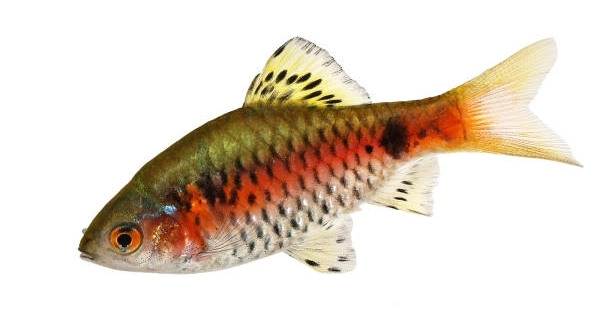
Adding a new Rosy Barb to your aquarium can bring fresh energy and color to your aquatic environment. This popular fish is known for its vibrant hues and active behavior, making it a favorite among hobbyists. Understanding its impact is important for a harmonious tank.
Introducing a new Rosy Barb affects the existing fish dynamics by potentially causing territorial disputes and stress. Proper acclimation and monitoring are crucial to minimize aggression and ensure that all fish adapt well to the updated environment.
Knowing what to expect helps maintain a peaceful and healthy aquarium for all your fish companions.
Preparing Your Aquarium for a New Rosy Barb
Before adding a new Rosy Barb, it’s important to prepare your aquarium properly. First, ensure the tank is spacious enough, as Rosy Barbs are active swimmers and need room to move. A tank of at least 30 gallons is recommended for a small group. Check the water conditions—temperature should be between 64 and 72 degrees Fahrenheit, with a pH around 6.5 to 7.5. Proper filtration and regular water changes keep the environment healthy. When introducing the fish, use a drip acclimation method to gradually adjust it to your tank’s water chemistry. This reduces stress and helps the fish settle faster. Adding plenty of plants and hiding spots also provides shelter and reduces aggression. Keeping these factors in mind will help the new Rosy Barb integrate smoothly into your existing aquarium community.
Gradual acclimation decreases the chance of shock and improves survival rates for the new fish.
Taking these steps ensures the Rosy Barb feels secure and reduces tension among tank mates.
Behavior Changes When Adding a Rosy Barb
Adding a Rosy Barb can change the behavior of your existing fish. Rosy Barbs are lively and sometimes nippy, which may stress more timid species. They often establish dominance, especially in smaller tanks, which can lead to chasing or bullying. Monitoring interactions in the first few days is essential to catch signs of aggression early. Some fish might hide more or stop eating if overwhelmed. Providing extra food and space helps reduce competition. If aggression persists, consider rearranging tank decorations to disrupt established territories. Adding a group of Rosy Barbs instead of just one also spreads out aggression and creates a more balanced social structure. Knowing these behavior patterns allows you to act quickly, keeping your aquarium peaceful.
Rosy Barbs bring energy but require careful management to maintain harmony.
Keeping an eye on fish interactions helps prevent long-term stress or injury in your tank.
Feeding Adjustments After Adding a Rosy Barb
Rosy Barbs have a varied diet, so feeding routines may need to change. They eat flakes, pellets, and live foods like brine shrimp. Adjust feeding amounts to prevent overfeeding and maintain water quality.
Providing a balanced diet helps all fish stay healthy. Rosy Barbs appreciate occasional protein-rich treats, which boost their color and energy. When introducing a new fish, monitor how much everyone eats to avoid competition or food aggression. Sometimes, Rosy Barbs may outcompete smaller or slower fish, so feeding in multiple spots or using sinking pellets can help. Keeping feeding consistent supports good health and reduces stress in your tank.
If feeding is not adjusted properly, some fish might not get enough nutrition, leading to health problems. Regular observation ensures all fish maintain good condition after the new addition.
Monitoring Water Quality Changes
Adding a new fish slightly affects water chemistry due to increased waste. It’s important to test ammonia, nitrite, and nitrate levels regularly after introducing a Rosy Barb.
Maintaining excellent water quality is critical when expanding your fish community. Rosy Barbs produce moderate waste, so increasing filtration capacity or more frequent water changes may be necessary. Keeping parameters stable reduces stress and disease risks for all tank inhabitants. Regular testing helps catch any spikes early. Using a reliable test kit gives accurate results and guides you in adjusting maintenance routines. Clear water and balanced conditions encourage healthy behavior and growth in your fish.
Investing time in water quality checks makes a big difference for long-term aquarium success with new fish added.
Signs of Stress in Your Fish
Stress can show in several ways after adding a new Rosy Barb. Watch for hiding, loss of appetite, or unusual swimming patterns. Early detection helps prevent serious health issues.
Stress weakens fish immune systems, making them prone to disease. Keeping an eye on behavior is important.
Managing Aggression in the Tank
Aggression may increase when a new Rosy Barb is introduced. Separating aggressive fish or rearranging decorations can reduce territorial fights. Adding more plants or hiding spots gives stressed fish places to escape. If aggression continues, consider adding more Rosy Barbs to distribute hostility evenly. Monitoring closely during the first weeks ensures problems are addressed quickly, maintaining peace in the tank.
Rosy Barb Tankmates
Choose tankmates that tolerate the active and sometimes boisterous nature of Rosy Barbs. Avoid slow-moving or shy fish that may be stressed by their energy.
Importance of Patience
Adjusting to a new fish takes time. Give your aquarium a few weeks to stabilize after adding a Rosy Barb before making more changes.
FAQ
How long does it take for a new Rosy Barb to settle in?
It usually takes about one to two weeks for a new Rosy Barb to adjust to its new environment. During this time, the fish may act shy or hide more often. Giving the fish space and maintaining stable water conditions helps the settling process. Avoid making sudden changes during this period to reduce stress.
Can Rosy Barbs live with other fish?
Yes, Rosy Barbs can live peacefully with other fish that share similar temperaments and tank requirements. They do best with active, medium-sized species that can handle their energy levels. Avoid keeping them with very slow or timid fish, as Rosy Barbs may nip fins or chase them.
What tank size is ideal for Rosy Barbs?
A minimum of 30 gallons is recommended for a small group of Rosy Barbs. They are active swimmers who need space to move around. Larger tanks help reduce aggression by allowing fish to establish separate territories and swim freely.
How many Rosy Barbs should I keep together?
It’s best to keep Rosy Barbs in groups of at least five. This reduces individual aggression and spreads out their natural social behavior. A group also creates a more natural environment for the fish to feel secure.
What should I feed a Rosy Barb?
Rosy Barbs eat a variety of foods including flakes, pellets, and live or frozen options like brine shrimp and bloodworms. A varied diet supports their health and enhances their colors. Feed them small amounts two to three times a day, ensuring food is consumed within a few minutes.
Will a new Rosy Barb affect the existing fish’s behavior?
Introducing a new Rosy Barb can cause temporary changes in the tank’s social dynamics. Some fish might hide or show signs of stress as they adjust. Over time, most fish settle into new roles, especially if the tank is spacious and well-planted.
How can I reduce aggression when adding a Rosy Barb?
Provide plenty of hiding spots and rearrange tank decorations to break up established territories. Introducing Rosy Barbs as a group rather than singly also helps balance aggression. Keeping the water quality high and feeding regularly reduces stress, which lowers aggressive behaviors.
What water parameters do Rosy Barbs prefer?
Rosy Barbs thrive in water temperatures between 64°F and 72°F, with a pH of 6.5 to 7.5. They prefer moderate hardness. Consistency in these parameters is important for their health and stress levels.
Do Rosy Barbs require special care during acclimation?
Yes, slow acclimation is important to help the fish adjust to new water conditions. Using a drip acclimation method over an hour or more helps prevent shock. This reduces stress and increases the chance of a smooth transition.
How often should I change the water after adding a new Rosy Barb?
Performing partial water changes weekly is important, especially after adding new fish. This helps keep ammonia and nitrate levels low, which supports overall tank health. Increasing the frequency temporarily after introduction can help manage extra waste.
Can Rosy Barbs jump out of the tank?
Yes, Rosy Barbs are known to be active and can jump if startled or stressed. It’s recommended to keep a secure lid on your aquarium to prevent escapes.
What signs indicate a Rosy Barb is sick?
Look for faded colors, clamped fins, sluggish movement, or refusal to eat. Other signs include spots, sores, or abnormal swimming. Early detection and treatment are essential for recovery.
Is it normal for Rosy Barbs to nip fins?
Some fin-nipping behavior is normal, especially when they are establishing hierarchy. Keeping them in groups and providing enough space usually reduces this behavior. If nipping is severe, it may indicate stress or overcrowding.
How long do Rosy Barbs live?
Rosy Barbs typically live around 5 to 8 years with proper care. Maintaining good water quality, a balanced diet, and a peaceful tank environment contributes to a longer lifespan.
Can I breed Rosy Barbs in a community tank?
Breeding is possible but not common in community tanks due to stress and other fish eating the eggs. For successful breeding, a separate breeding tank with proper conditions and hiding places is recommended.
Adding a new Rosy Barb to your aquarium can change the dynamics in many ways. These fish bring color and activity that can make your tank livelier. However, they also require some preparation to ensure they fit well with the other fish. Proper tank size, water conditions, and hiding places help reduce stress and aggression. It is important to give your aquarium time to adjust after adding any new fish, including Rosy Barbs. Watching how your fish behave in the first few weeks will help you understand if the tank is balanced or if changes are needed.
Feeding routines often need adjustment when a new Rosy Barb joins your tank. These fish are active eaters and enjoy a varied diet including flakes, pellets, and live or frozen foods. Feeding the right amount and spreading food around can prevent competition and stress among your fish. Keeping water quality stable is also very important. Since Rosy Barbs produce moderate waste, you may need to increase water changes or upgrade your filtration system. Regular testing of water parameters helps maintain a healthy environment, keeping all your fish comfortable and disease-free.
Patience and observation are key when introducing a new Rosy Barb. It can take time for your fish to settle and for the tank’s social balance to stabilize. Signs of stress or aggression should be addressed quickly by adding hiding spots or rearranging the tank layout. Keeping a group of Rosy Barbs instead of just one often reduces fighting and makes them feel more secure. Overall, careful planning and attention to your fish’s behavior will create a peaceful and vibrant aquarium for everyone to enjoy.

Hello,
If you enjoy the content that we create, please consider saying a "Thank You!" by leaving a tip.
Every little bit helps us continue crafting quality advice that supports the health, happiness, and well-being of pets around the world, for pets of all shapes, sizes, and species.
We really appreciate the kindness and support that you show us!