
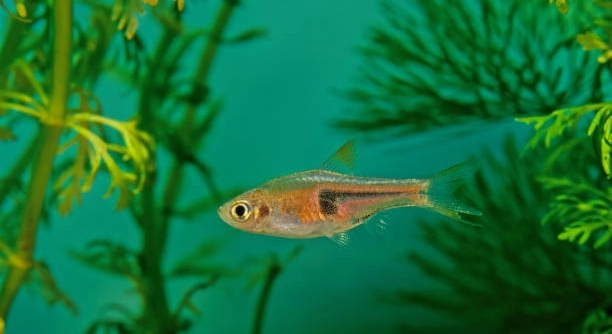
Rasboras are small, lively fish that often move together in large groups within aquariums. Their synchronized swimming creates a fascinating display that many fishkeepers enjoy observing during daily care routines.
When rasboras school tightly, they exhibit coordinated movements that enhance protection against predators and reduce stress. This schooling behavior also facilitates efficient foraging, stabilizes social hierarchies, and contributes to overall group cohesion, which is essential for their well-being.
Observing these tight formations can reveal more about their social habits and the dynamics of their aquatic environment.
Why Rasboras School Tightly
Rasboras school tightly for safety and comfort. In a tightly grouped school, each fish can quickly respond to threats, making it harder for predators to isolate an individual. Their movements are synchronized, which creates a confusing display for potential threats. This behavior also reduces stress, as being in a group provides reassurance and security. For fish in captivity, tight schooling indicates that they feel secure in their environment and are interacting naturally. Tank size, number of companions, and hiding spaces all influence how closely they group. Observing their patterns can help you understand their mood and overall health. This behavior is also linked to efficient feeding. When rasboras move as a unit, they can locate and access food more effectively than when alone. Their schooling helps maintain social harmony, as it reinforces social hierarchies while reducing conflicts between individuals. Watching them move in unison is calming and provides insight into their natural instincts.
Tight schooling also improves feeding efficiency and reinforces group harmony, which is essential for maintaining a peaceful tank environment.
Maintaining proper tank conditions encourages consistent schooling behavior. Ensure there is enough space for movement and hiding spots to reduce stress. Monitor water quality closely, as poor conditions can disrupt social cohesion. The number of tankmates matters too; a small group may never form tight schools, while a larger group is more likely to exhibit natural patterns. Decorations and plants provide comfort, helping fish feel secure enough to move confidently in formation. Observing changes in their schooling can alert you to illness, aggression, or environmental stress. By providing the right conditions, you support both their physical health and natural behaviors, creating a tank that mimics their natural habitat. Recognizing these patterns also strengthens your understanding of their needs and makes aquarium care more effective, keeping the fish active, healthy, and visually engaging.
Signs of Tight Schooling
Tightly schooling rasboras move in coordinated waves, staying close while maintaining similar speeds and directions.
This behavior signals contentment, proper social structure, and an environment that meets their safety and comfort needs.
Healthy tight schooling requires attention to group size, tank setup, and water conditions. Too few fish may never achieve proper formation, while overcrowding can create stress and aggression. Plants and hiding spots contribute to a sense of security, enabling smooth coordinated movement. Water parameters like temperature, pH, and cleanliness directly impact their willingness to form schools. Even small changes in the tank can disrupt patterns, so consistency is key. Watching how they respond to feeding, light changes, and interaction with other species provides insight into their overall well-being. Supporting this behavior ensures that rasboras remain active, stress-free, and socially balanced, enhancing both their health and the visual appeal of the aquarium.
Environmental Factors Affecting Schooling
Tank size directly impacts how tightly rasboras school. Smaller tanks can make groups feel cramped, while larger tanks provide space for natural movement. Water quality, temperature, and pH also influence their comfort levels, which affects schooling behavior.
Proper water conditions are essential for tight schooling. Consistent temperature and clean water reduce stress, allowing fish to move confidently in formation. Decorations, plants, and hiding spaces give them security, making them feel safe to swim close together. Overcrowding can disrupt patterns, leading to scattered groups or aggression. Maintaining stable conditions supports natural behaviors and overall health.
Lighting and flow also play a role. Moderate light and gentle currents encourage natural movement, while harsh lighting or strong currents can scatter the school. Observing their response to these factors helps adjust the tank to their preferences. Tight schooling is a sign of a well-balanced, stress-free environment.
Social Dynamics Within the School
Rasboras establish hierarchies that influence how they group. Dominant individuals can guide movement, while others follow to maintain cohesion.
Social interactions determine the school’s stability. Fish that are aggressive or timid may disrupt formation, but a balanced group moves in coordinated patterns. Compatibility of tankmates is important to prevent stress or conflicts. Maintaining consistent group size ensures smoother social dynamics and promotes regular schooling.
Observing interactions reveals subtle behaviors, like nudging, speed changes, or spacing adjustments. Fish communicate through body language, helping maintain balance and cohesion. Properly introduced tankmates reduce stress and enhance natural schooling behavior. Understanding these dynamics allows for better tank management, promoting harmony and ensuring that the group remains active, healthy, and visually engaging.
Benefits of Tight Schooling
Tightly schooling rasboras feel safer and less stressed. Moving together reduces the chance of being singled out by predators and provides a sense of security within the group.
Schooling also improves feeding efficiency. Fish can locate food quickly and avoid competition, ensuring all members of the group are nourished evenly.
Observing Subtle Behavior Changes
Changes in schooling patterns can indicate stress, illness, or environmental issues. Paying attention to movement, spacing, and speed helps identify potential problems early.
Impact of Tankmates
Compatible tankmates encourage consistent schooling. Aggressive or overly active fish can disrupt patterns, causing stress and scattering the school.
Encouraging Natural Schooling
Providing proper space, hiding spots, and stable water conditions supports tight schooling. A balanced group size ensures social cohesion and promotes healthy, coordinated movement within the tank.
FAQ
Why do rasboras school tightly?
Rasboras school tightly as a natural survival mechanism. Moving in coordinated groups helps them avoid predators, reduces stress, and allows for more efficient foraging. Tight schooling also reinforces social bonds and hierarchies, which keeps the group balanced and reduces conflicts between individuals.
How many rasboras should be kept together for proper schooling?
A group of at least six to eight rasboras is ideal for natural schooling behavior. Smaller groups may never form tight schools, while very large groups require sufficient tank space. Observing their movement helps determine if the group size supports coordinated swimming and social harmony.
Can tank size affect schooling behavior?
Yes, tank size is very important. Small tanks can make the school feel cramped and stressed, while larger tanks allow more natural movement. Decorations and plants also provide comfort, helping the fish feel secure enough to swim together in tight formations.
What water conditions are best for tight schooling?
Stable temperature, clean water, and proper pH are essential. Sudden changes in water quality or temperature can stress the fish and disrupt schooling patterns. Maintaining consistent water conditions encourages confident, coordinated swimming and promotes overall health.
Do all rasbora species school tightly?
Most rasbora species are naturally social, but the degree of tight schooling can vary. Some species form very close groups, while others prefer looser formations. Researching your specific species helps set realistic expectations for schooling behavior.
Can other fish interfere with rasbora schooling?
Yes, aggressive or overly active tankmates can disrupt the school. Fish that chase or nip can scatter the group, causing stress. Choosing calm, compatible species helps maintain natural schooling and reduces tension within the tank.
How can I tell if schooling behavior is healthy?
Healthy schooling is smooth, coordinated, and consistent. Fish move in the same direction, at similar speeds, and maintain spacing without chasing or aggression. Sudden scattering, erratic movements, or prolonged isolation may indicate stress, illness, or environmental issues.
Does tight schooling affect feeding?
Yes, schooling improves feeding efficiency. Fish can locate food quickly and distribute it evenly among the group. Coordinated movement reduces competition and ensures weaker or smaller individuals have access to nourishment.
How does tank decoration influence schooling?
Plants, rocks, and hiding spaces provide security, encouraging natural movement. Fish are more likely to school tightly when they feel safe and can retreat if threatened. Overcrowding decorations can restrict movement, while too few can make the fish feel exposed and scatter.
Can stress or illness disrupt tight schooling?
Absolutely. Stressed or sick fish may separate from the group, swim erratically, or hide. Observing schooling patterns is a good way to monitor overall health. Maintaining proper water conditions, compatible tankmates, and a stable environment helps prevent these issues.
How long does it take for rasboras to start schooling in a new tank?
It can take several days to weeks. Initially, fish may explore individually. As they acclimate and feel secure, schooling behavior becomes more coordinated. Providing proper space, group size, and hiding spots accelerates this process.
Are there signs of dominance within the school?
Yes, subtle behaviors like nudging, speed adjustments, or leading movements indicate hierarchy. Dominant fish may guide the group, while others follow to maintain cohesion. Understanding these dynamics helps keep the group balanced and peaceful.
Can lighting affect schooling behavior?
Lighting plays a role. Moderate light encourages natural movement, while harsh or inconsistent lighting may cause scattering. Providing a regular light schedule helps fish feel secure and supports consistent tight schooling.
Is it normal for the school to break temporarily?
Yes, temporary breaks can happen during feeding, exploring, or interactions with tankmates. Healthy rasboras will regroup quickly once the situation stabilizes. Persistent breaking apart may indicate stress or environmental problems that need attention.
How do I encourage tight schooling in a new group?
Introduce fish slowly into a well-prepared tank. Ensure proper group size, compatible tankmates, hiding spots, and stable water conditions. Avoid sudden changes in environment and provide consistent care. Over time, the group will naturally form tight schools and maintain coordinated movement.
Can tight schooling indicate overall tank health?
Yes, consistent tight schooling is a good indicator of a stress-free and healthy environment. Observing their movements provides insight into water conditions, social balance, and general well-being. Maintaining these conditions ensures the fish remain active, healthy, and visually engaging.
How often should I monitor schooling behavior?
Daily observation is ideal. Small changes in spacing, speed, or direction can indicate stress, illness, or environmental changes. Regular monitoring allows for quick adjustments, keeping the school stable and the fish healthy.
Do juvenile rasboras school differently than adults?
Juveniles may form looser groups initially as they learn social dynamics. As they mature, schooling becomes tighter and more coordinated. Ensuring adequate group size and tank conditions from an early stage supports natural development and cohesive behavior.
Can tight schooling improve the tank’s visual appeal?
Yes, coordinated movement creates a dynamic and engaging display. Watching a healthy school move smoothly adds beauty and interest to the tank while reflecting good care and stable conditions.
Is there any way to measure the quality of schooling?
Observing spacing, coordination, and responsiveness to the group provides a practical measure. Tight, synchronized movement without aggression or stress indicates high-quality schooling. Tracking changes over time helps detect potential issues before they affect health.
Tightly schooling rasboras provide a fascinating glimpse into natural fish behavior. Their coordinated movement is not just visually appealing, but it also reflects their instincts for safety, social interaction, and feeding efficiency. Observing a tight school in an aquarium can be very rewarding because it shows that the fish feel secure and comfortable in their environment. Tight schooling allows each fish to respond quickly to perceived threats, reducing individual risk and providing a sense of collective protection. In addition, the synchronization of movements helps maintain social balance within the group, as each member understands its place in the hierarchy. Over time, watching these patterns develop can reveal subtle aspects of their personality and social dynamics, which are often overlooked when fish are viewed in isolation. Tight schooling is a sign that the aquarium conditions are suitable, the tankmates are compatible, and the fish are thriving physically and emotionally.
Maintaining the right environment is key to supporting this behavior. Adequate tank size, proper water parameters, and suitable decorations all play a role in encouraging tight schooling. Plants, rocks, and hiding spots give the fish a sense of security, making them more likely to swim in coordinated groups. A balanced group size is also essential. Too few rasboras may prevent the formation of tight schools, while overcrowding can cause stress and aggression, disrupting natural patterns. Observing changes in schooling behavior can also act as an early warning system for potential health issues or environmental stress. If the school starts scattering, moving erratically, or showing signs of aggression, it may indicate a need to adjust water conditions, rearrange the tank setup, or reevaluate the compatibility of tankmates. By paying attention to these details, fishkeepers can ensure that their rasboras remain active, healthy, and comfortable, allowing tight schooling to occur naturally.
The benefits of tight schooling go beyond aesthetics. It helps the fish feed efficiently, reduces stress, and promotes overall well-being. Fish that feel safe and confident in their environment are more likely to show natural behaviors consistently, which is rewarding for both the fish and the keeper. Tight schooling also provides insight into the social structure of the group, showing how individuals interact, follow leaders, and maintain cohesion. By fostering a tank that supports these behaviors, fishkeepers create a balanced and harmonious environment that meets both the physical and psychological needs of the fish. Observing the school over time allows for a deeper understanding of their habits and preferences, making aquarium care more precise and effective. Consistent attention to group dynamics, water quality, and tank setup ensures that rasboras can thrive while displaying the natural, coordinated schooling that is so captivating to watch. Tight schooling, in essence, reflects a healthy, well-managed tank and a community of fish that are secure, active, and socially balanced.

Hello,
If you enjoy the content that we create, please consider saying a "Thank You!" by leaving a tip.
Every little bit helps us continue crafting quality advice that supports the health, happiness, and well-being of pets around the world, for pets of all shapes, sizes, and species.
We really appreciate the kindness and support that you show us!