
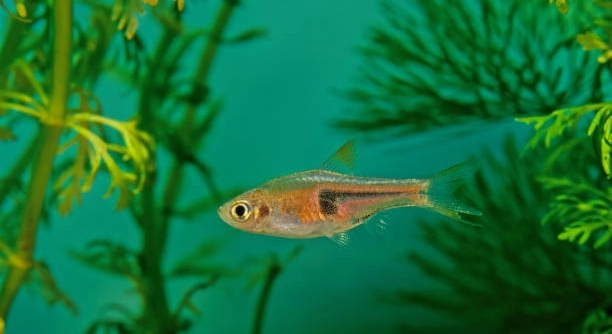
Rasboras are small, active fish that bring life and color to any aquarium. They thrive when fed appropriately, but overfeeding can happen easily, especially when their energetic swimming and constant nibbling encourage extra portions of food.
When rasboras overeat, they may experience bloating, digestive issues, and reduced swimming efficiency. Excess food can decompose in the tank, leading to water quality problems and increased risk of bacterial infections, negatively impacting their overall health and lifespan.
Proper feeding habits are essential for a balanced aquarium. Understanding the consequences of overfeeding helps maintain a healthy, vibrant environment for your rasboras.
Signs Your Rasboras Are Overeating
Overeating in rasboras often shows through visible changes in behavior and appearance. You may notice swollen or bloated bellies, slower swimming, or difficulty maintaining balance. They might linger at the surface, trying to breathe more easily. Uneaten food accumulating at the tank bottom is another clear indicator. Observing your fish daily allows you to spot these early signs. Changes in color can also occur, with paler shades appearing due to stress and digestive strain. In some cases, overeating leads to constipation or swim bladder problems, which further limit mobility. Monitoring their interactions with each other helps too; aggressive feeding or crowding around food can suggest excessive intake. Small, frequent meals are preferable, allowing digestion without overwhelming their systems. Adjusting portions according to tank size and number of fish can prevent overfeeding. Consistency in feeding schedules helps maintain their health and reduces the likelihood of sudden bloating or digestive issues.
Overeating affects rasboras gradually, so early detection is key to preventing severe health problems.
Maintaining the right balance of food ensures they stay active and vibrant. Controlling portion sizes and observing their response allows you to make adjustments before complications arise.
How to Prevent Overfeeding
Measure daily portions carefully to avoid excess. Feeding once or twice a day is often sufficient for small rasboras, depending on age and activity level.
Creating a feeding routine helps rasboras adjust and prevents stress-related overconsumption. Offer small amounts that they can finish in two to three minutes. Using a feeding ring or designated area reduces scattered food and waste. Avoid leaving food in the tank for extended periods, as it decomposes and affects water quality. Observing their appetite each day lets you fine-tune portions, ensuring every fish receives enough without overeating. Variety in diet, including occasional live or frozen foods, supports nutrition while keeping meals controlled. Maintaining clean water and proper filtration helps them digest efficiently and stay healthy. Feeding in moderation strengthens their immune system and keeps the tank environment safe for all inhabitants. Proper care and careful observation prevent most overfeeding issues and support long-term well-being.
Effects of Overeating on Tank Water
Excess food in the tank quickly decomposes, raising ammonia and nitrite levels. This reduces water quality, causing stress and increasing susceptibility to disease. Maintaining clean water becomes more difficult as overfeeding continues.
High ammonia levels from leftover food can damage rasboras’ gills and skin, impairing their ability to breathe properly. This environment encourages harmful bacteria and algae growth, which further destabilizes water conditions. Overfeeding accelerates waste production, overwhelming filters and making regular maintenance crucial. Uneaten food can settle in corners or gravel, slowly decaying and releasing toxins. Even minor lapses in portion control can lead to repeated water quality issues, stressing fish and impacting their overall health over time. Monitoring feeding and cleaning routines helps prevent these problems and keeps the tank safe.
Poor water quality not only stresses rasboras but also affects tank plants and other inhabitants. Prompt removal of leftover food and careful feeding practices are essential.
Long-Term Health Risks
Chronic overeating can lead to persistent bloating, swim bladder disorders, and internal organ strain. These conditions reduce lifespan and overall vitality.
Rasboras with long-term digestive problems may swim awkwardly or float at odd angles due to swim bladder complications. Overeating contributes to fat deposits around internal organs, which can impair circulation and organ function. Weakened fish are more vulnerable to infections, as their immune systems struggle to cope with internal stress. Continuous overfeeding may also reduce appetite regulation, making fish more prone to irregular eating patterns and further digestive complications. The effects of overfeeding are cumulative, meaning even small daily excesses can lead to significant health issues over weeks or months. Preventing these problems requires consistent portion control and observation.
Managing portion size and feeding frequency carefully helps preserve their health, energy, and natural behavior, ensuring rasboras remain active and vibrant over time.
Monitoring Feeding Habits
Tracking how much your rasboras eat each day helps prevent overfeeding. Use small, measured portions to keep control.
Observe their behavior during feeding. Active fish finishing food quickly usually indicates the right portion, while leftovers signal excess.
Adjusting Portions for Different Ages
Younger rasboras require more frequent, smaller meals to support growth, while adults need less food overall. Adjust portion size based on activity level and number of fish in the tank. Watch for leftover food and bloating to fine-tune feeding amounts. Consistency in meal size helps regulate digestion and prevents long-term health issues, keeping all fish balanced and energetic.
Maintaining Water Quality
Regular water changes and cleaning leftover food are essential. Clear, healthy water reduces stress and prevents illness.
FAQ
How can I tell if my rasboras are overfed?
Signs include bloated bellies, slower swimming, difficulty maintaining balance, and leftover food at the tank bottom. Pale coloration or reduced activity may also indicate stress from overeating. Daily observation is the simplest way to spot these early warning signs and adjust feeding accordingly.
What happens if rasboras overeat regularly?
Chronic overfeeding can lead to digestive problems, swim bladder disorders, and fat accumulation around internal organs. These conditions reduce mobility, energy, and overall lifespan. Excess food also decomposes in the tank, affecting water quality and increasing susceptibility to disease.
How often should I feed adult rasboras?
Adult rasboras typically do well with one or two small feedings per day. Each portion should be just enough for them to finish in two to three minutes. Monitoring leftover food helps prevent overfeeding and water quality issues.
Do younger rasboras need different feeding amounts?
Yes, juvenile rasboras require more frequent, smaller meals to support growth. Overfeeding at this stage can cause digestive stress. Portion sizes should be carefully measured, and observation is essential to ensure healthy development.
What foods are best to avoid overfeeding?
High-quality flake or pellet foods designed for small tropical fish are ideal. Live or frozen foods can be offered occasionally but in limited amounts. Avoid scattering large quantities, as uneaten food quickly decomposes and pollutes the water.
How does overfeeding affect tank water?
Excess food decomposes, raising ammonia and nitrite levels. Poor water quality stresses fish, reduces oxygen, and encourages bacterial and algae growth. Maintaining proper filtration and performing regular water changes are crucial to prevent these issues.
Can overfeeding cause long-term health problems?
Yes, persistent overeating can damage internal organs, reduce immune function, and cause chronic swim bladder or digestive issues. Even small daily excesses accumulate, leading to significant health problems over time. Proper feeding schedules and portion control prevent most long-term complications.
Is there a way to safely correct overeating habits?
Gradually reducing portion sizes and maintaining a consistent feeding schedule helps regulate appetite. Removing leftover food promptly prevents further intake. Observation is important to ensure fish adjust without stress or malnutrition.
How can I balance multiple rasboras in one tank?
Distribute food evenly so all fish get enough without overfeeding. Observe their interactions during feeding, as some may eat faster or dominate portions. Adjust quantities based on tank population and activity levels to maintain healthy growth and prevent competition-related stress.
What role does tank maintenance play in preventing overfeeding problems?
Regular cleaning removes uneaten food, reduces toxin buildup, and ensures proper oxygen levels. Consistent maintenance supports digestion and overall health. A clean, well-filtered tank minimizes stress and allows rasboras to thrive, even when occasional feeding missteps occur.
How can I monitor digestion effectively?
Watch for bloating, floating issues, or irregular swimming patterns. Healthy rasboras maintain smooth, active movement. Adjust feeding quantities if digestive symptoms appear. Keeping track of leftovers and their daily behavior ensures a balance between nutrition and health.
Are there signs that water quality has been affected by overfeeding?
Cloudy water, algae blooms, and unpleasant odors indicate excess food decomposing in the tank. Elevated ammonia or nitrite levels may not be immediately visible but can be measured with test kits. Prompt cleaning and portion control are necessary to restore stability.
Can feeding frequency influence overfeeding problems?
Yes, smaller, controlled meals reduce the risk of overeating compared to large, infrequent feedings. Juveniles benefit from more frequent feedings, while adults thrive on once or twice daily portions. Consistency is key to maintaining digestive health and stable tank conditions.
How do I introduce live or frozen foods safely?
Offer these foods in moderation, ensuring portions are small enough to be eaten within minutes. Observe how rasboras respond, removing any uneaten items promptly to prevent water quality issues. Variety is beneficial but should never replace controlled staple feeding.
What are the consequences of ignoring overfeeding?
Ignoring overfeeding can lead to severe health problems, including organ failure, chronic swim bladder disorders, increased disease risk, and shortened lifespan. Water quality deterioration further stresses fish and may require more frequent interventions to maintain a safe environment.
How can I encourage healthy eating habits?
Stick to measured portions, consistent feeding schedules, and observe appetite. Remove leftovers immediately and offer occasional variety. Encouraging natural foraging behavior within controlled limits supports digestion and prevents excessive consumption.
What tools help with proper feeding control?
Measuring spoons, feeding rings, and timed automatic feeders ensure precise portions. Test kits for water quality help monitor the impact of feeding habits. Using these tools reduces stress and keeps the aquarium environment stable.
Can overfeeding affect other tank inhabitants?
Yes, leftover food can harm plants, promote algae growth, and stress other fish or invertebrates. Controlling portions protects the entire tank ecosystem, keeping all inhabitants healthy and balanced.
How long does it take for effects of overfeeding to appear?
Immediate signs may appear within hours, such as leftover food or bloating. Long-term health issues develop over weeks or months, emphasizing the need for consistent feeding control and observation.
What is the safest way to feed a group of rasboras?
Distribute small portions evenly, observe interactions, and remove uneaten food promptly. Adjust quantities based on group size, activity level, and tank conditions to prevent overfeeding and ensure all fish remain healthy.
How do I know if my feeding routine is working?
Healthy, active fish with consistent coloration, smooth swimming, and minimal leftover food indicate a successful routine. Regular observation and water testing confirm that feeding habits maintain both fish health and tank quality.
Can occasional overeating cause permanent harm?
Rare, occasional overeating may cause temporary digestive issues but typically does not result in permanent damage if corrected quickly. Persistent overfeeding, however, leads to lasting health complications and reduced lifespan.
Is there a difference in risk between flake, pellet, and live foods?
Flake and pellet foods are easier to portion and digest, while live or frozen foods can lead to overfeeding if not carefully controlled. Each type has nutritional benefits, but moderation is essential to prevent health problems.
How important is observation in preventing overfeeding?
Observation is crucial. Daily monitoring allows early detection of bloating, leftover food, or behavior changes. Prompt adjustments in portion size and feeding frequency prevent long-term health issues and maintain water quality.
What role does tank size play in feeding control?
Smaller tanks require stricter portion management since excess food has a larger impact on water quality. Larger tanks may tolerate minor excesses but still benefit from careful measurement and observation to prevent overfeeding problems.
How do I correct digestive issues caused by overfeeding?
Reduce portion sizes, maintain consistent feeding schedules, and remove leftovers promptly. Monitor behavior for improvement. In some cases, fasting for a day or two can help regulate digestion, but changes should be gradual to avoid additional stress.
Can water temperature affect how much rasboras should eat?
Yes, higher temperatures increase metabolism, slightly increasing appetite. Lower temperatures slow metabolism, reducing food requirements. Adjust portion size and feeding frequency according to water temperature to prevent overfeeding and related health issues.
Are there signs of early stress due to overfeeding?
Lethargy, loss of appetite, paler colors, and crowding at the surface can indicate early stress. Addressing portion control and improving water quality helps prevent escalation into serious health problems.
How often should I perform water changes if overfeeding occurs?
Frequent partial water changes help remove excess nutrients and maintain stable conditions. During overfeeding, weekly changes may need to be supplemented with additional cleanings to prevent ammonia buildup and protect fish health.
Can overfeeding impact breeding in rasboras?
Yes, excessive feeding may lead to bloating, stress, and hormonal imbalances, reducing reproductive success. Balanced, controlled diets support healthy breeding behavior and improve fry survival rates.
What is the ideal portion size for a small group of adult rasboras?
A pinch of flake or a few pellets that the group can finish in two to three minutes is usually sufficient. Adjust based on observation, activity levels, and tank conditions.
How do I ensure all fish get enough without overfeeding?
Distribute food evenly, monitor feeding behavior, and adjust portions if some fish dominate. Regular observation ensures each rasbora receives adequate nutrition without excess waste.
Can overfeeding lead to obesity in rasboras?
Yes, chronic overfeeding results in fat accumulation around internal organs, reducing mobility and increasing risk of health issues. Maintaining measured portions and monitoring activity helps prevent obesity.
Is there a risk of secondary infections due to overeating?
Yes, weakened digestion and poor water quality increase susceptibility to bacterial and fungal infections. Preventing overfeeding and maintaining tank hygiene minimizes these risks.
How can I make adjustments if my rasboras are still bloated?
Reduce portions, offer fasting days if needed, and maintain clean water. Observe for improvement in swimming and appetite, adjusting gradually to avoid additional stress.
Do different rasbora species require different feeding approaches?
Yes, some species are more active or smaller, affecting their portion needs. Observe species-specific behaviors, appetite, and tank conditions to tailor feeding routines appropriately.
How can I track the long-term effects of overfeeding?
Regular observation, noting changes in behavior, body shape, swimming patterns, and water quality helps track impact. Adjust feeding habits promptly to prevent permanent damage.
Can filtration type influence overfeeding consequences?
Strong filtration helps remove waste and maintain water quality, reducing the impact of occasional overfeeding. Poor filtration amplifies water quality problems, stressing fish and worsening digestive issues.
Is fasting beneficial for rasboras affected by overfeeding?
Occasional fasting allows digestion to catch up and prevents bloating. Limit fasting to one or two days and monitor fish closely to ensure they remain healthy and active.
How do I balance feeding with other tank inhabitants?
Feed in controlled amounts, ensuring all species receive appropriate nutrition. Monitor interactions, remove leftovers, and adjust portions based on the needs of both rasboras and other inhabitants.
Can stress from overfeeding be reversed?
Yes, with proper portion control, clean water, and observation. Removing excess food and maintaining a stable routine allows fish to recover energy, color, and natural behavior.
How important is consistency in feeding times?
Consistent feeding times reduce stress and prevent overeating. Rasboras adjust better to predictable schedules, improving digestion, energy levels, and overall health.
Are there tools to help monitor overfeeding?
Feeding rings, measuring spoons, timers, and water test kits help maintain controlled portions and track water quality. These tools reduce the risk of overfeeding and long-term health problems.
What should I do if overfeeding has caused long-term damage?
Consult an aquatic veterinarian for guidance. Adjust feeding, maintain optimal water quality, and monitor behavior closely. Early intervention improves chances of recovery and prevents further deterioration.
How can I prevent overfeeding during holidays or absences?
Use automatic feeders set to measured portions or ask someone familiar with your routine to feed small amounts. Avoid leaving excess food that may decompose and compromise water quality.
Does tank size affect how quickly overfeeding impacts fish?
Yes, smaller tanks show water quality issues faster, while larger tanks may tolerate minor excesses. Portion control and monitoring remain essential regardless of tank size.
Can stress from overfeeding affect coloration?
Yes, stressed or bloated fish often display paler colors. Maintaining proper feeding, water quality, and observation helps preserve their vibrant appearance.
How do I combine different food types safely?
Feed staple foods in measured portions first, then offer small amounts of live or frozen foods. Remove leftovers promptly to prevent overfeeding and water contamination.
Is it better to underfeed than overfeed?
Slightly underfeeding is safer than overfeeding, as it prevents bloating and water quality issues. Monitor fish closely to ensure nutritional needs are met without excess.
Can overfeeding affect social behavior in rasboras?
Yes, overfed fish may become lethargic, avoid swimming with the group, or compete aggressively during feeding. Maintaining proper portions helps preserve natural schooling behavior.
How long should it take for a tank to recover after overfeeding?
Recovery depends on tank size, filtration, and frequency of cleaning. Regular water changes, removal of uneaten food, and controlled feeding help restore stability within days to weeks.
Can supplements help if overfeeding caused digestive issues?
Digestive supplements or specialized foods may support recovery. Use sparingly and only as needed, while maintaining portion control and clean water to prevent recurring problems.
What is the key takeaway for preventing overfeeding?
Measure portions carefully, maintain a consistent feeding schedule, observe fish behavior, and keep water clean. These steps prevent digestive, health, and water quality issues.
How can I adjust feeding for seasonal changes?
Metabolism changes with temperature, affecting appetite. Reduce portions in cooler months and slightly increase during warmer periods while observing consumption and leftover food.
Are some rasboras more prone to overeating than others?
Yes, more active or dominant individuals may eat faster and consume more. Monitor behavior and adjust portions to ensure all fish remain healthy.
Can tank decorations influence overfeeding risks?
Yes, hiding spots may trap uneaten food. Place decorations thoughtfully and monitor feeding areas to prevent leftover food buildup and water quality issues.
How does overfeeding interact with disease risk?
Overfeeding weakens digestion and immune function, increasing susceptibility to bacterial, fungal, and parasitic infections. Preventing excess feeding supports long-term health and resilience.
What is the best way to resume normal feeding after overfeeding?
Gradually reduce portions, establish a consistent schedule, and monitor behavior. Remove leftovers promptly and maintain water quality to restore balance and prevent relapses.
Are there signs that a fish has fully recovered from overfeeding?
Healthy swimming, normal appetite, stable coloration, and minimal leftover food indicate recovery. Observation over several days confirms that digestive and behavioral issues have resolved.
Can overfeeding cause sudden death in rasboras?
Severe overfeeding may lead to acute digestive blockage or water quality collapse, which can be fatal. Early detection, portion control, and proper maintenance reduce this risk significantly.
Is it necessary to separate bloated fish?
Not always, but in severe cases, isolating the affected fish can prevent stress from competition and allow careful monitoring while recovery steps are taken.
How long can adult rasboras safely go without food if overfed previously?
One or two days of fasting is usually safe, helping regulate digestion. Extended fasting should be avoided unless necessary and monitored closely.
What is the most common mistake leading to overfeeding?
Feeding too much at once or adding extra portions out of concern for appetite. Careful measurement and observation prevent repeated mistakes.
Can filtration alone solve problems caused by overfeeding?
No, filtration helps manage waste but cannot prevent digestive issues or health problems from excess food. Portion control and observation are essential.
How do I know if water quality has improved after overfeeding issues?
Clear water, absence of odor, and normal ammonia and nitrite levels indicate improvement. Fish behavior should also return to normal with active swimming and feeding.
Are there preventative tools for overfeeding while on vacation?
Automatic feeders set to measured portions or trusted caretakers can prevent overfeeding. Avoid leaving extra food that may decompose and harm water quality.
How do I manage overfeeding in a community tank?
Observe all species’ behaviors, distribute food evenly, and adjust portions. Prompt removal of leftovers prevents water quality issues and ensures balanced nutrition for all inhabitants.
What is the best approach to gradually reduce portions?
Decrease slightly each day while monitoring behavior, appetite, and leftover food. Gradual reduction prevents stress and ensures fish adjust to appropriate amounts.
Can overfeeding affect reproduction in adult rasboras?
Yes, it may reduce fertility, cause stress, and increase risk of disease. Balanced diets and controlled feeding support healthy breeding behavior.
How do I prevent overeating in aggressive feeders?
Offer food in multiple small areas, observe closely, and remove leftovers. Adjust portions to avoid dominance by a few fish, ensuring all receive adequate nutrition.
Are there risks of overfeeding with live foods compared to flakes?
Yes, live foods can be more appealing, encouraging excessive consumption. Offer in small, controlled amounts and remove leftovers to maintain health and water quality.
Can tank size reduce the effects of overfeeding?
Larger tanks buffer minor excesses better, but overfeeding still impacts water quality and health. Portion control and observation remain critical regardless of tank size.
How can I teach myself to avoid overfeeding?
Use measured portions, observe daily behavior, keep a feeding log, and maintain clean water. Consistency and attention to detail prevent repeated mistakes and protect fish health.
What is the best way to monitor long-term feeding habits?
Track portions, leftovers, fish behavior, and water quality over time. Adjust gradually based on observation to ensure continued health and balanced growth.
How do I handle overfeeding mistakes immediately?
Remove leftover food, perform a partial water change, and adjust the next feeding portion. Monitor fish closely for signs of bloating or stress to prevent escalation.
Can diet variety help prevent overeating?
Yes, offering occasional small amounts of live or frozen food provides nutrition without excess. Stick to controlled staple foods to maintain balance.
How do I balance feeding frequency and portion size?
Smaller, more frequent meals for juveniles; controlled, limited portions for adults. Adjust based on observation, leftovers, and activity to prevent health issues.
What is the role of observation in preventing long-term issues?
Daily monitoring of appetite, swimming, and leftover food allows early adjustments. Observation is essential to maintain health and prevent chronic problems from overfeeding.
Can overfeeding affect tank plants?
Yes, decomposing food releases nutrients that promote algae and harm plants. Proper feeding protects plant health and maintains a balanced ecosystem.
Is there a safe way to fast fish after overfeeding?
Yes, one or two days without food allows digestion to recover. Monitor closely and ensure water quality remains optimal.
How do I maintain healthy feeding routines long-term?
Use measured portions, consistent schedules, daily observation, and prompt removal of leftovers. Adjust for tank conditions, water temperature, and fish activity to maintain balance.
Can overfeeding affect fish temperament?
Yes, bloated or stressed fish may become lethargic or aggressive during feeding. Portion control and consistent routines help maintain natural social behavior.
How do I resume feeding after a period of fasting?
Offer small, controlled portions and observe appetite. Gradually return to normal routines while monitoring digestion and leftovers to prevent recurrence of overfeeding problems.
Are there signs that overfeeding has permanently affected a fish?
Chronic bloating, reduced mobility
Overfeeding rasboras can seem harmless at first, especially when they eagerly consume every bit of food. It is natural to want to provide plenty for these small, lively fish, but even small amounts of excess can cause serious problems over time. Consistently giving more than they need leads to bloating, digestive issues, and swim bladder problems, all of which affect their mobility and overall health. Observing their behavior, such as slower swimming, difficulty balancing, or leftover food in the tank, provides early warning signs that adjustments are needed. Simple actions like reducing portion size and monitoring daily consumption can prevent these problems before they become severe. Maintaining the proper balance between providing enough food and avoiding excess is key to ensuring your rasboras remain active, healthy, and vibrant.
Water quality plays a major role in the well-being of overfed fish. Uneaten food decomposes, releasing ammonia and other harmful compounds that can stress fish and encourage the growth of harmful bacteria and algae. This creates a cycle where overfeeding not only harms the fish directly but also indirectly affects their environment, making it harder for them to thrive. Regular water changes, proper filtration, and prompt removal of leftover food are essential to maintain a safe and stable aquarium environment. Observing the tank for cloudy water, unpleasant odors, or signs of algae overgrowth helps identify potential water quality issues early. Even small, consistent steps in cleaning and monitoring water conditions can significantly reduce the risks associated with overfeeding.
Proper feeding habits involve more than just portion control. Establishing a consistent feeding schedule, providing a varied but balanced diet, and adjusting food amounts based on age, activity level, and the number of fish in the tank all contribute to long-term health. Younger rasboras require smaller, more frequent meals, while adults thrive on limited daily portions. Occasional fasting or adjusting feeding during seasonal temperature changes can help regulate digestion and prevent stress. Observation remains the most important tool; watching how your fish respond to food, tracking leftover amounts, and noticing changes in behavior or appearance ensures they receive the right nutrition. By combining careful feeding practices with attentive maintenance, you can create a healthy environment that supports your rasboras’ natural behavior, vitality, and longevity.

Hello,
If you enjoy the content that we create, please consider saying a "Thank You!" by leaving a tip.
Every little bit helps us continue crafting quality advice that supports the health, happiness, and well-being of pets around the world, for pets of all shapes, sizes, and species.
We really appreciate the kindness and support that you show us!