
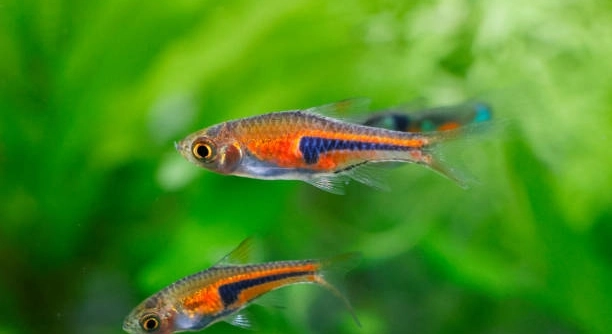
Do your rasboras seem more restless than usual, swimming in tight clusters and constantly darting around the tank? Overcrowding can quietly affect these small fish, changing their behavior and overall well-being in ways you might not notice at first.
When rasboras feel overcrowded, they experience increased stress that affects feeding, swimming patterns, and social interactions. High population density reduces oxygen availability and can lead to aggression, illness, and a decline in overall health if not addressed promptly.
Understanding how tank population impacts your rasboras can help you create a healthier, calmer environment for them to thrive and display natural behaviors.
Signs Your Rasboras Are Overcrowded
When a tank becomes too full, rasboras start showing changes in behavior that are easy to spot if you watch closely. They may swim frantically, bump into each other, or gather tightly in one corner. You might notice some fish hiding more than usual or avoiding feeding times. Their colors can also become dull, and scales may appear slightly raised due to stress. Breathing may look faster as they compete for oxygen. Overcrowding can even increase minor injuries because of constant contact and occasional nipping. Observing these signs early helps prevent long-term health issues and ensures your fish remain active and vibrant. By keeping track of swimming patterns, feeding behavior, and interactions, you can assess whether your tank is at a safe capacity. Overcrowded rasboras often lose their natural coordination and may struggle to maintain a stable social hierarchy, which can impact the entire tank environment.
Early recognition of overcrowding lets you act before serious stress sets in.
Adjusting tank population or adding plants and decorations can reduce tension and improve space distribution, allowing rasboras to regain normal behavior patterns and healthier interaction. This also helps maintain water quality, as fewer fish produce less waste. Providing hiding spots and vertical space gives shy or stressed fish areas to retreat, reducing overall aggression. Proper monitoring ensures your rasboras can swim freely, feed comfortably, and display their natural coloration. Regular maintenance, such as partial water changes and checking oxygen levels, supports a stable environment. By addressing overcrowding promptly, you promote longevity and overall well-being for your fish, creating a balanced and calm tank that benefits every resident.
Preventing Overcrowding Before It Starts
Keeping an eye on your tank’s capacity is key to prevention.
Choosing the right number of rasboras for your tank size prevents stress and health problems from the beginning. It’s better to understock slightly than risk overcrowding. Regularly assess growth, as small fish can quickly increase in size and impact space. Introducing new fish slowly helps maintain balance and allows existing fish to adjust. Proper filtration and oxygenation support a stable environment, but cannot fully replace adequate space. Avoid sudden additions and monitor behavior daily to ensure a harmonious tank. Maintaining decorations and hiding spots also helps manage space effectively. Prevention ensures a calm, healthy environment that encourages natural swimming patterns and social interactions. Keeping an organized plan for tank stocking helps you avoid the complications that come with an overcrowded tank, ensuring all rasboras thrive comfortably and safely over time.
Effects of Overcrowding on Health
Overcrowded tanks stress rasboras, weakening their immune systems. They become more susceptible to diseases, such as fin rot and ich. Injuries from constant contact and nipping can also occur, worsening their overall health and increasing the risk of long-term problems.
Stress from overcrowding can significantly reduce a rasbora’s lifespan. Constant competition for space and oxygen affects metabolism, feeding efficiency, and energy levels. Fish may stop eating properly, leading to malnutrition and slower growth. High-density environments increase waste buildup, which further strains their immune systems and promotes harmful bacteria. Over time, these conditions can cause chronic illness, behavioral changes, and visible signs like faded colors or torn fins, signaling that intervention is necessary to restore balance.
Physical and behavioral signs of stress may include erratic swimming, hiding, or aggression. These signs indicate that the tank is too crowded and immediate adjustments are needed. Reducing the number of fish or improving tank layout can alleviate these issues. Environmental improvements, like adding plants and decor, provide hiding spots and reduce stress, allowing rasboras to regain natural behaviors. Monitoring water quality and oxygen levels helps maintain health, ensuring fish remain active, colorful, and free from illness.
Behavioral Changes in Overcrowded Tanks
Overcrowding often leads to increased aggression among rasboras. Fish may chase or nip at each other, disrupting the social structure and causing stress. Social hierarchies can collapse, affecting feeding order and swimming patterns.
When rasboras experience overcrowding, they may show constant darting, circling, or clustering in tight groups. Shy or smaller fish often hide, while dominant individuals monopolize space. Stress from overcrowding can also trigger repetitive behaviors, like bumping into the glass or tank decorations. These changes reduce normal interactions, feeding efficiency, and energy levels. Over time, the tank’s social environment becomes unstable, which can lead to long-term behavioral and health issues. Recognizing these patterns early allows adjustments to population density and tank layout, restoring calm and natural behavior.
Changes in activity levels and interactions are often the first signs of overcrowding. Shifts in social order, combined with reduced swimming space, force fish to compete constantly. Environmental enrichment, like plants, rocks, and open swimming areas, helps reduce tension and encourages healthier social behavior. By observing interactions and adjusting stocking levels, rasboras can return to normal routines. Proper monitoring ensures all fish receive space, food, and oxygen needed to thrive, maintaining balance and harmony in the tank over time.
Water Quality Issues
Overcrowding increases waste production, which can quickly degrade water quality. Ammonia, nitrite, and nitrate levels rise, causing stress and potential poisoning. Poor water conditions weaken immune systems and make rasboras more prone to disease. Regular testing becomes essential to maintain a safe environment.
High fish density reduces oxygen levels in the tank. Rasboras may struggle to breathe, swim sluggishly, or gasp at the surface. Aeration and filtration help, but the primary solution is adjusting the population to prevent constant stress and maintain balanced water chemistry.
Tank Space and Layout
Limited swimming space forces rasboras into tight clusters, increasing stress and aggression. They need room to swim freely and establish social groups. Adding vertical and horizontal space, plants, and hiding spots allows movement and reduces conflict. A well-structured tank promotes natural behavior, calmer interactions, and overall health.
Feeding Challenges
Overcrowding can cause unequal food distribution. Dominant fish may eat more while shy individuals go hungry, leading to malnutrition. Careful feeding practices and smaller, frequent portions ensure all rasboras receive adequate nutrition.
FAQ
How many rasboras can I keep in one tank?
The ideal number depends on tank size and species. Generally, a 10-gallon tank can hold about 6–8 small rasboras. Larger tanks can accommodate more, but it is important to avoid overcrowding. Space per fish ensures proper swimming room, reduces stress, and prevents aggressive behavior. Always consider adult size when planning stocking levels, not just current size.
What are the first signs of overcrowding?
Rasboras may swim in tight clusters, hide more often, or display faded colors. Rapid gill movement, erratic swimming, and minor injuries from frequent contact are also early indicators. Recognizing these signs allows prompt intervention before health problems develop.
Can overcrowding cause disease?
Yes, high population density increases stress, weakening immune systems. Poor water quality and constant physical contact make fish more susceptible to fin rot, ich, and bacterial infections. Immediate steps, like reducing population or improving filtration, can prevent outbreaks.
How do I reduce overcrowding safely?
Removing some fish to another suitable tank is the safest method. Avoid sudden large removals, as this can stress remaining fish. Introduce new tanks gradually and ensure proper acclimation. Adding hiding spots or rearranging decor can also help temporarily by creating perceived space.
Is water quality the main issue with overcrowded tanks?
It is one of the most critical factors. Overcrowding increases ammonia and nitrate levels, reducing oxygen availability. Maintaining filtration, regular water changes, and testing water parameters are essential. Without proper care, poor water conditions lead to stress, illness, and shortened lifespan.
Do rasboras fight when overcrowded?
Overcrowding increases aggression, especially in confined spaces. Dominant fish may chase or nip others, disrupting social structures. Adding hiding spots and increasing swimming space reduces conflict, while monitoring behavior helps prevent serious injuries.
How often should I test the water in a crowded tank?
Testing should be frequent—at least twice a week in high-density tanks. Monitor ammonia, nitrite, nitrate, and pH levels closely. Keeping water parameters stable ensures fish remain healthy and reduces stress caused by sudden changes.
Will plants help with overcrowding?
Yes, plants create hiding spots, reduce visible stress, and help improve oxygen levels. Dense vegetation allows shy or smaller fish to avoid dominant individuals. Live plants also assist in nutrient absorption, helping to maintain cleaner water.
Can I keep other species with rasboras in a crowded tank?
It is risky. Mixed species increase competition for space, food, and oxygen, heightening stress. Only peaceful species with similar space requirements should be considered. Monitor closely for signs of aggression or health decline.
What should I do if I notice stress in my rasboras?
Immediate action is required. Reduce tank population if possible, improve water quality, and provide more hiding areas. Observe fish for illness, separate injured individuals, and maintain a consistent feeding schedule to restore normal behavior.
How does tank layout affect overcrowding stress?
Poor layout forces constant contact and restricts movement. Proper decoration, plants, and open swimming areas reduce stress by creating perceived space. Rearranging the tank occasionally can also disrupt territorial patterns and help fish adapt more comfortably.
Are some rasbora species more sensitive to overcrowding?
Yes, smaller and more social species like harlequin rasboras are particularly prone to stress in crowded conditions. Aggressive or territorial species may cope slightly better, but overcrowding generally affects all types, impacting behavior, feeding, and health.
How can I prevent overcrowding in the future?
Plan tank stocking carefully. Consider adult size and swimming needs before adding fish. Introduce new fish slowly, provide adequate space, and maintain regular monitoring of water quality and fish behavior. Prevention is far easier than resolving stress and health problems later.
What are long-term effects of overcrowding?
Chronic stress leads to weakened immune systems, stunted growth, faded colors, and shortened lifespan. Continuous competition for food and space can cause permanent behavioral changes, making it difficult for fish to return to normal once overcrowding persists.
How important is feeding in an overcrowded tank?
Feeding is critical. Unequal access to food can lead to malnutrition in shy fish. Smaller, frequent feedings ensure all individuals get sufficient nutrition. Observing who eats and adjusting portions accordingly helps maintain health and growth.
Can overcrowding be fixed without removing fish?
Temporary solutions like adding plants, decorations, or rearranging tank layout can reduce stress. Increasing aeration and improving filtration helps water quality. However, the most effective long-term solution is reducing population to allow adequate space for all fish.
How quickly do problems appear in an overcrowded tank?
Signs can appear within days to weeks. Stress-related behavior changes show up first, followed by physical signs like faded colors, injuries, or illness. Prompt attention is critical to prevent long-term health damage.
Are juvenile rasboras affected differently than adults?
Juveniles are more vulnerable to stress and poor water quality because their immune systems are less developed. They may be outcompeted for food and space, leading to stunted growth or higher mortality if overcrowding persists.
Can tank size alone prevent overcrowding?
Tank size is important but not the only factor. Proper population management, layout, filtration, and enrichment are all necessary. A large tank can still experience stress if densely stocked or poorly structured.
Does water temperature affect overcrowding stress?
Yes, higher temperatures lower oxygen levels, intensifying stress in overcrowded tanks. Maintaining optimal temperature for rasboras reduces additional strain on their metabolism and helps them cope better with population density.
How do I know if my efforts to reduce overcrowding are working?
Observe behavior, feeding, and color. Calm swimming, equal food access, and bright colors indicate improvement. Water parameters should also stabilize, showing reduced ammonia and nitrate levels. Monitoring over time ensures long-term success.
What are the risks of ignoring overcrowding?
Ignoring overcrowding leads to chronic stress, illness, aggression, and death. Water quality deteriorates, social structures collapse, and long-term health declines. Addressing the issue promptly ensures a safe, healthy, and balanced environment for all rasboras.
How can I maintain balance after reducing fish numbers?
Maintain water quality, provide enrichment, and monitor behavior. Regular feeding, water changes, and observing interactions help establish a calm, healthy environment. Consistency and attention prevent future stress and support long-term tank stability.
Are there signs that a tank is perfectly balanced?
Yes, rasboras swim freely, display bright colors, feed evenly, and interact calmly. Water quality remains stable, oxygen levels are sufficient, and there is minimal aggression. A balanced tank supports long-term health and natural behavior.
What role does filtration play in crowded tanks?
Filtration removes waste, stabilizes water parameters, and improves oxygen levels. While it helps, it cannot replace adequate space. Proper filtration supports a healthier environment and reduces the impact of high fish density on water quality.
Can I temporarily overcrowd a tank?
Short-term increases may be tolerable if water quality is monitored and oxygen levels are sufficient. However, prolonged overcrowding quickly causes stress and health problems. Immediate adjustments and monitoring are necessary to prevent lasting damage.
What is the best way to introduce new fish without overcrowding?
Add fish slowly, considering adult size and swimming space. Quarantine new additions, observe behavior, and adjust stocking levels as needed. Ensuring gradual introduction helps maintain balance and prevents stress or aggression in the tank.
How do hiding spots reduce overcrowding stress?
Hiding spots allow shy or stressed fish to retreat, reducing constant competition and conflict. Plants, rocks, and decorations create perceived space, allowing fish to feel secure while maintaining social structure and calmer behavior.
What should I do if multiple tanks are available?
Redistribute fish to maintain proper density in each tank. Ensure each tank is fully prepared with filtration, oxygenation, and enrichment. Gradual acclimation helps reduce stress and supports stable social interactions across tanks.
Can overcrowding affect breeding?
Yes, stress from overcrowding can reduce breeding behavior, lower fertility, and increase egg or fry mortality. Adequate space and calm conditions are essential for successful reproduction and healthy offspring.
How important is observation in preventing overcrowding issues?
Daily observation is critical. Noticing behavioral changes, color fading, or swimming patterns allows early intervention. Monitoring water parameters and fish interactions ensures overcrowding is addressed before serious health problems arise.
Does overcrowding affect water plants?
High fish density increases waste and nutrient levels, which can stress plants. Some plants may overgrow due to excess nutrients, while others struggle with limited light or oxygen, impacting overall tank balance.
Are rasboras sensitive to sudden changes in population?
Yes, sudden additions or removals can stress fish, disrupt social hierarchies, and affect feeding. Gradual adjustments, careful observation, and temporary hiding spots help fish adapt to population changes safely.
What is the single most effective step to prevent overcrowding stress?
Proper stocking from the start. Planning based on adult size, tank space, and social needs prevents most stress and health issues. Regular monitoring and gradual additions maintain a calm and balanced environment.
How do I balance feeding and water quality in crowded tanks?
Feed small, controlled portions to reduce waste. Remove uneaten food promptly and perform regular water changes. Maintaining balance between nutrition and cleanliness prevents ammonia buildup and stress.
Can overcrowding affect long-term coloration?
Yes, chronic stress and poor nutrition can dull colors permanently. Healthy spacing, proper diet, and low-stress environments help rasboras maintain their vibrant appearance throughout their lifespan.
Is it possible to fully recover from prolonged overcrowding?
Recovery is possible with careful intervention. Reduce population, improve water quality, provide enrichment, and monitor health closely. Some long-term effects, like stunted growth or minor injuries, may persist, but overall behavior and vitality can improve significantly.
How often should I reevaluate tank population?
Regularly, especially as fish grow. Quarterly checks are ideal, adjusting numbers or tank layout as needed. Ongoing evaluation ensures space, water quality, and behavior remain optimal.
What is the best way to prevent stress after adjusting tank numbers?
Maintain consistent water parameters, provide hiding spots, feed evenly, and observe interactions. Gentle adjustments and a stable environment help fish regain normal behavior and reduce relapse into stress.
Are certain decorations better for reducing overcrowding stress?
Dense plants, rock caves, and vertical structures work best. They create hiding spots, break up sightlines, and provide perceived space. Avoid large, open obstacles that limit swimming room and increase competition.
Can oxygenation alone solve overcrowding problems?
No. While increased oxygen helps, overcrowding stress and aggression remain issues. Adequate space, hiding spots, and proper population management are essential alongside good aeration.
How do I handle overcrowding if I cannot remove fish immediately?
Temporary steps include adding hiding spots, rearranging decor, increasing aeration, and improving filtration. Monitor behavior and water quality closely, and plan for eventual population adjustment to prevent lasting harm.
Does feeding behavior indicate overcrowding severity?
Yes. Unequal access, slow eating, or skipped meals indicate stress from crowding. Ensuring all fish receive food helps gauge tank balance and informs adjustments needed to reduce stress.
Can overcrowding affect the lifespan of rasboras?
Chronic overcrowding shortens lifespan due to stress, disease, and poor nutrition. Providing proper space, maintaining water quality, and monitoring behavior are critical for ensuring long-term health and longevity.
What combination of measures works best to address overcrowding?
Reducing population, improving water quality, adding hiding spots, maintaining proper feeding, and monitoring behavior. These steps together restore a calm, healthy environment and prevent long-term damage to rasboras.
How do I maintain tank stability after resolving overcrowding?
Keep consistent monitoring, regular maintenance, balanced feeding, and careful population management. Observation and slow adjustments help sustain a healthy, peaceful environment for all fish.
Can overcrowding affect reproduction cycles?
Yes, stress can disrupt breeding, reduce egg viability, and increase fry mortality. Proper space, calm conditions, and minimal competition are necessary for successful reproduction.
How do I recognize permanent damage from overcrowding?
Signs include stunted growth, chronic color fading, and persistent injuries. Behavior may remain cautious or erratic even after conditions improve. Early intervention prevents most permanent effects.
Are water changes more important in crowded tanks?
Yes, frequent water changes reduce toxins, stabilize parameters, and improve oxygen levels. In crowded tanks, this is critical for maintaining health and preventing stress-related illnesses.
How can I ensure all rasboras thrive after adjustments?
Maintain balanced feeding, proper tank layout, consistent water quality, and monitor behavior. Adjust gradually to prevent stress and allow all fish to adapt comfortably.
Do adult rasboras handle overcrowding better than juveniles?
Adults tolerate minor density increases better, but prolonged overcrowding affects all ages. Juveniles are more sensitive to stress, competition, and poor water quality, requiring extra care.
Is it better to have fewer fish than risk overcrowding?
Yes, slightly understocking ensures space, reduces stress, and maintains water quality. Fish thrive better in a stable, less crowded environment than in a full, high-density tank.
How do I plan for future growth?
Consider adult size, growth rate, and potential breeding when stocking. Regularly monitor space and behavior, and make adjustments proactively to prevent overcrowding.
Can overcrowding affect disease resistance?
Yes, chronic stress and poor water quality reduce immune response, making fish more prone to infections and slower recovery from illness. Proper spacing and care restore resilience.
What tools help monitor overcrowding effects?
Observation, water testing kits, and recording behavior or feeding patterns. These help detect early signs of stress, water quality issues, or aggression, allowing timely intervention.
Are there signs that overcrowding has been fully resolved?
Fish swim freely, feed evenly, display bright colors, and interact calmly. Water parameters stabilize, aggression decreases, and hiding spots are used naturally, indicating a healthy, balanced environment.
Can enrichment alone fix overcrowding?
Enrichment helps reduce stress temporarily but cannot replace proper space and population management. It supports well-being but is not a complete solution.
Does overcrowding affect metabolism?
Yes, stress from crowding increases energy expenditure, reduces feeding efficiency, and can cause malnutrition or slowed growth over time. Adequate space restores normal metabolic function.
How important is tank monitoring after adding new fish?
Critical. Immediate and continued observation ensures fish adapt, social structures remain stable, and overcrowding or stress issues are detected early for corrective action.
Can stress from overcrowding be reversed completely?
Many effects, like behavior and color, improve with intervention. Some stunted growth or injuries may persist, but overall health and activity can return to normal with proper care.
Does tank size adjustment help?
Increasing space reduces competition, stress, and aggression. Larger tanks allow better swimming areas, social separation, and improved water quality, mitigating overcrowding effects.
How do I prevent future overcrowding while keeping a healthy number of fish?
Plan for adult size, observe growth regularly, maintain proper tank layout, and adjust numbers gradually. Balanced feeding, water quality, and enrichment ensure long-term stability and reduce stress.
Can water temperature changes worsen overcrowding stress?
Yes, higher temperatures lower dissolved oxygen and increase metabolism, making overcrowded conditions more stressful. Maintaining stable, species-appropriate temperatures helps fish cope better.
What is the long-term goal after addressing overcrowding?
A balanced tank with healthy, vibrant rasboras exhibiting natural behavior. Stable water quality, calm social interactions, and adequate space ensure long-term health and well-being.
How can I make sure shy fish recover from stress?
Provide hiding spots, maintain calm surroundings, feed evenly, and minimize disturbances. Gradual reintroduction to open spaces allows shy fish to regain confidence and normal behavior.
Are overcrowding effects the same for all rasbora species?
Most species are affected similarly, but small, highly social rasboras are particularly sensitive. Aggressive or larger species may tolerate slightly higher densities, though stress still occurs if overstocked.
Can filtration capacity compensate for overcrowding?
Filtration helps maintain water quality but cannot eliminate stress from limited space or aggression. Adequate swimming room and population management remain essential.
Is it possible to maintain high-density tanks safely?
Only with careful monitoring, exceptional filtration, aeration, and enrichment. Even then, overcrowding increases stress and disease risk compared to properly stocked tanks.
How do I identify subtle signs of overcrowding?
Look for slight color fading, minor aggression, or reduced feeding efficiency. Early observation prevents escalation into more serious health and behavioral problems.
Does overcrowding affect social hierarchy permanently?
Extended stress can disrupt hierarchies, causing persistent aggression or timid behavior. Restoring balance with space, hiding spots, and stable populations helps reestablish natural social structures.
What is the best routine for managing a dense tank?
Monitor water quality, maintain consistent feeding, observe behavior, and adjust stocking gradually. Providing enrichment and hiding areas supports calmer, healthier fish.
How can I minimize stress during tank cleaning?
Use partial water changes, avoid sudden movements, maintain stable temperatures, and temporarily rearrange decorations to provide safe hiding spots. Gentle cleaning reduces additional stress.
Can overcrowding affect reproduction cycles long-term?
Yes, chronic stress reduces breeding behavior, fertility, and egg survival. Calm, spacious conditions are required for successful mating and healthy offspring.
How do I ensure all fish get enough food in crowded tanks?
Feed smaller, frequent portions, spread food across the tank, and observe eating behavior. Adjusting amounts ensures shy or smaller fish are not left hungry.
Does overcrowding make fish more aggressive over time?
Yes, prolonged density increases territorial disputes, chasing, and nipping. Reducing population and providing hiding spots restores calmer behavior and social balance.
Can regular observation prevent most overcrowding problems?
Yes, consistent monitoring allows early detection of stress, aggression, or water quality issues. Prompt intervention prevents long-term health and behavioral consequences.
Is overcrowding reversible in all cases?
Many effects, like stress and behavior, improve with intervention. Permanent physical damage or stunted growth may remain, but overall health and tank stability can recover.
How do I maintain a balanced tank after overcrowding?
Proper stocking, regular water changes, monitoring behavior, balanced feeding, and enrichment ensure stable conditions and long-term health for all rasboras.
What are the most critical actions when overcrowding is noticed?
Reduce population if possible, improve water quality, add hiding spots, observe behavior, and adjust feeding. Immediate steps prevent stress escalation and long-term damage.
Can overcrowding affect daily activity levels?
Yes, stressed fish may become lethargic, hide more, or swim erratically. Adequ
Final Thoughts
Managing a tank with rasboras requires attention to both space and behavior. Overcrowding can lead to stress, aggression, and poor water quality, all of which affect the fish’s overall health. Observing daily behavior and swimming patterns is essential to notice early signs of overcrowding. Fish that dart frantically, hide more often, or lose color are signaling that adjustments are needed. Acting early prevents long-term health issues and helps maintain a calm, balanced environment. Small changes, such as adding plants, rearranging decorations, or reducing the number of fish, can make a significant difference. Consistent monitoring and maintenance are as important as the initial stocking plan to keep the tank healthy.
Water quality plays a key role in preventing the negative effects of overcrowding. High fish density increases waste, which raises ammonia, nitrite, and nitrate levels, creating a stressful environment. Maintaining proper filtration, performing regular water changes, and monitoring oxygen levels are all necessary steps. Even a large tank cannot compensate for poor water conditions if it is overstocked. Providing hiding spaces, plants, and open swimming areas reduces tension and promotes natural behavior. When rasboras feel secure, they swim more actively, feed evenly, and display brighter colors. These environmental improvements help offset some of the stress caused by higher densities, but population management remains the most effective solution.
Feeding and care routines also contribute to a healthier tank. In crowded conditions, dominant fish may eat more while shy fish go without, leading to malnutrition and uneven growth. Using smaller, frequent feedings and distributing food across the tank ensures all fish get enough nutrition. Observing how your fish feed helps identify problems early and guides adjustments. Overcrowding may also affect breeding, as stressed fish are less likely to reproduce successfully. Maintaining a calm, balanced environment, combined with careful feeding and regular water checks, supports overall health, natural behavior, and long-term vitality. Paying attention to these details creates a sustainable environment where rasboras can thrive comfortably, maintaining their activity, coloration, and well-being over time.

Hello,
If you enjoy the content that we create, please consider saying a "Thank You!" by leaving a tip.
Every little bit helps us continue crafting quality advice that supports the health, happiness, and well-being of pets around the world, for pets of all shapes, sizes, and species.
We really appreciate the kindness and support that you show us!