
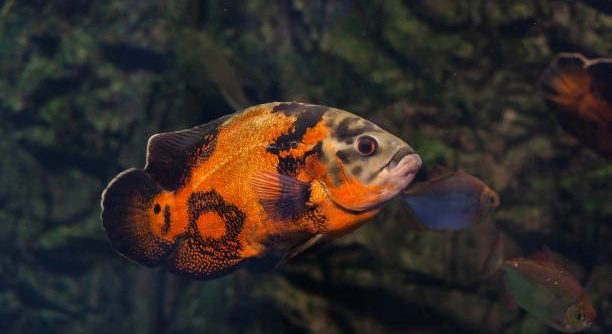
Oscar fish are known for their rapid growth, and as they become larger, they may start to outgrow their current tank. This can present challenges for both the fish and their owners. It’s important to monitor their development closely.
When Oscar fish outgrow their tank, they can experience stress due to limited space, which affects their health. Overcrowding can lead to poor water quality, aggression, and stunted growth. It’s crucial to upgrade their tank size to accommodate their needs.
Understanding when to upgrade your Oscar fish’s tank will help ensure their well-being and reduce potential complications. Adjusting their environment as they grow will keep them healthy and happy in the long run.
Why Does Tank Size Matter for Oscar Fish?
Oscar fish grow quickly, and their tank size must accommodate their rapid growth. A small tank can cause them stress, leading to health problems like weakened immune systems or aggressive behavior. They need room to swim freely, and their environment should promote natural behavior. Overcrowded tanks can also cause issues with water quality, as there isn’t enough space for the necessary filtration to work effectively. With an upgraded tank, Oscar fish will have a better chance of staying healthy and happy.
A cramped tank limits the movement of your Oscar fish, which can cause them to feel confined. Stress from overcrowding can negatively impact their growth, causing physical and emotional problems.
When selecting a tank, make sure to account for the size of your fish as they mature. An ideal size for an adult Oscar fish is a tank that holds at least 75 gallons of water. Anything smaller may not provide enough space, which can hinder your fish’s overall development. Regular water changes are necessary to maintain the quality of the tank, ensuring the environment stays clean and safe for the fish. Furthermore, a larger tank encourages your Oscar to display more natural behavior, like swimming and exploring, rather than being restricted to a small area. Make sure your Oscar fish’s tank size grows along with them to promote their health and well-being.
Signs Your Oscar Fish Needs a Bigger Tank
As Oscar fish grow, you may notice a few signs that indicate their tank is becoming too small. These signs include increased aggression, irregular swimming patterns, or frequent hiding. When an Oscar fish begins to show these behaviors, it is often a sign that they are feeling cramped.
Upgrading your Oscar fish’s tank is essential to their overall health. Not only will it prevent stress and aggression, but it will also allow them to thrive in their aquatic environment. By keeping their space appropriate for their size, you give them a better chance of living a long, healthy life.
The Impact of a Small Tank on Oscar Fish Health
A small tank can seriously affect the health of Oscar fish. They need ample space to move, grow, and exhibit natural behaviors. Without enough room, stress levels rise, leading to potential health problems like reduced immunity and poor water quality.
Oscar fish can develop aggression when confined in a small space. Overcrowding leads to competition for food and territory, which can increase stress levels. This may result in wounds or damaged fins from constant fighting. Additionally, a lack of space prevents them from swimming freely, affecting their physical development. Providing a larger tank reduces these risks.
A small tank also limits your ability to maintain proper water quality. In smaller spaces, waste accumulates more quickly, making it harder to keep the water clean. Without proper filtration, the tank becomes polluted, which can lead to harmful bacteria and poor oxygen levels. A larger tank, combined with a good filtration system, provides a better environment for the fish.
Choosing the Right Size Tank for Your Oscar Fish
Selecting the right tank size for your Oscar fish depends on their size and growth rate. Generally, a 75-gallon tank is recommended for adult Oscar fish. Anything smaller may limit their movement and lead to overcrowding.
As your Oscar fish grows, their tank needs will change. A juvenile Oscar may initially thrive in a 30-40 gallon tank, but it won’t be enough as they reach adulthood. At full size, they can grow up to 14-18 inches long, requiring more space. To avoid future issues, plan ahead and upgrade to a larger tank early.
The Role of Filtration in a Larger Tank
A larger tank requires a stronger filtration system. As Oscar fish grow, their waste output increases, meaning the filtration must handle more debris and maintain water quality. Without proper filtration, toxins can build up, leading to poor water conditions.
When upgrading to a bigger tank, make sure the filtration system is designed to handle the volume of water. You’ll need a filter that can efficiently remove waste and maintain clear water. A good filtration system is essential for the long-term health of your Oscar fish, ensuring they live in a clean environment.
Water Changes and Maintenance for Larger Tanks
Larger tanks demand more maintenance. While they provide more space for your Oscar fish, they also require more regular water changes. A 75-gallon tank may need a 25% water change every week, especially if you have multiple fish.
The larger the tank, the more water volume you need to manage. It’s essential to monitor water quality regularly, testing for ammonia, nitrite, and nitrate levels. Regular water changes help prevent the buildup of harmful substances, providing a healthier environment for your fish. Additionally, cleaning the tank’s substrate and decorations can help maintain a balanced ecosystem.
Monitoring Oscar Fish Growth
As your Oscar fish grow, it’s important to monitor their development closely. Watch for signs that they are outgrowing their tank, like changes in behavior or aggression. Keeping an eye on their health can help you address issues early.
FAQ
How do I know if my Oscar fish is outgrowing its tank?
Your Oscar fish will display signs of stress when it outgrows its tank. If you notice increased aggression, erratic swimming patterns, or the fish constantly hiding, it may indicate that the tank is too small. Another sign is if the Oscar seems unable to swim freely or is rubbing against objects in the tank. These behaviors are often due to limited space, which can cause stress and lead to health issues.
What size tank should I get for an adult Oscar fish?
An adult Oscar fish typically requires at least a 75-gallon tank. As they grow, they need more space to swim and explore. A tank smaller than this will restrict their movement and cause stress. Keep in mind that the bigger the tank, the more stable the environment will be. If you plan on adding more fish or other decorations, it’s even more important to have the right amount of space.
Can I keep more than one Oscar fish in a tank?
Yes, you can keep multiple Oscar fish in the same tank, but it’s important to provide enough space. A 75-gallon tank can house two Oscars comfortably, but you’ll need to be cautious of aggression. Oscars are territorial, and without enough room, they may fight. Make sure to monitor their behavior and be ready to separate them if necessary.
How often should I change the water in a large Oscar fish tank?
For a 75-gallon tank, aim for a 25-30% water change every week. The larger the tank, the more waste your fish will produce, so regular water changes are necessary to keep the environment healthy. Testing water parameters such as ammonia, nitrite, and nitrate levels will also help determine when a water change is needed.
How can I reduce aggression in Oscar fish?
To reduce aggression, ensure your Oscar fish has enough space to establish its own territory. A larger tank with plenty of hiding spots and decorations can help. If you have multiple Oscars, try to avoid keeping two males together as this can lead to more aggression. Monitoring the tank closely and removing aggressive individuals can also prevent fights from becoming harmful.
Do Oscars need a specific type of water temperature?
Yes, Oscar fish thrive in warm water. The ideal water temperature is between 74°F and 81°F (23°C to 27°C). Keeping the water temperature within this range will help maintain their health and prevent stress. Use a reliable aquarium heater and thermometer to regulate the water temperature in the tank.
What is the best filtration system for an Oscar fish tank?
For an Oscar fish tank, a high-quality filter that can handle a large volume of water is necessary. Canister filters are often the best choice as they provide strong filtration and are easy to maintain. Make sure the filter is rated for a tank size larger than your Oscar’s current tank size to ensure it can handle the waste production from your fish.
How do I clean a large Oscar fish tank?
Cleaning a large tank involves removing debris, vacuuming the substrate, and cleaning the filter. Be sure to scrub the glass to remove algae buildup and rinse the filter media in tank water (never tap water) to avoid killing beneficial bacteria. Perform a partial water change regularly to keep the water clean.
Can Oscar fish live with other species of fish?
Oscar fish can live with other fish, but you need to be careful when selecting tankmates. They are known to be aggressive and may eat smaller fish. Choose larger, more robust species that can hold their own, like large cichlids or catfish. Avoid smaller or slower fish that might become targets for your Oscar.
How fast do Oscar fish grow?
Oscar fish grow quickly, especially in their first year. A juvenile Oscar can grow from 1 inch to 6-8 inches in about six months. After that, growth slows down but continues at a steady pace. In their second year, they can reach around 12-14 inches. With proper care, they can live for up to 10-15 years.
What should I feed my Oscar fish?
Oscar fish are omnivores and need a balanced diet of protein and vegetables. Feed them a variety of foods such as high-quality pellets, frozen or live foods like worms, shrimp, and feeder fish, as well as occasional vegetable matter like spinach or peas. Make sure to feed them multiple small meals a day to mimic their natural eating habits.
How do I prevent my Oscar from getting sick?
To prevent illness, maintain good water quality by performing regular water changes and monitoring water parameters. Avoid overfeeding, as uneaten food can cause water pollution. Keep the tank clean, and make sure your Oscar has a balanced diet. Stress can also weaken your fish’s immune system, so ensure the tank is appropriately sized.
Can I use a smaller tank while my Oscar fish is young?
Yes, a smaller tank can be used for juvenile Oscar fish, but you will need to upgrade as they grow. For young Oscars, a 30-gallon tank is fine for the first few months, but it won’t be enough as they mature. Plan ahead and provide enough space before your fish reaches full size to avoid stress.
How do I reduce the amount of waste in the tank?
To reduce waste, feed your Oscar fish in moderation. Remove uneaten food promptly to prevent it from decaying in the water. A high-quality filtration system is also key to managing waste. Consider adding live plants to the tank, as they help absorb excess nutrients and improve water quality.
Final Thoughts
As Oscar fish grow, their needs change, especially when it comes to tank size and care. When they outgrow their tank, it’s essential to provide them with the space they need to thrive. A larger tank not only supports their growth but also helps maintain a healthy environment by reducing the buildup of waste and toxins. While it may require a bit of extra effort to upgrade the tank, it ensures your fish remain healthy and comfortable for years to come. Proper filtration, regular water changes, and monitoring their behavior are all key to their well-being.
Along with providing a suitable tank size, it’s important to consider the overall tank setup. Oscar fish thrive in environments that mimic their natural habitat. Adding decorations, plants, and hiding spots can give them a sense of security and reduce stress. It’s also important to keep an eye on their behavior, as they can become territorial, particularly when they feel cramped. Aggression may occur if they don’t have enough space, so creating a tank that allows them to establish territories can help reduce conflict with other fish. Additionally, maintaining proper water temperature and quality is essential for their health.
Finally, caring for an Oscar fish requires patience and attention. As they grow, so does the responsibility of ensuring their environment remains suitable. Whether it’s upgrading their tank, adjusting their diet, or keeping track of their health, being proactive in addressing their needs is key to their long-term success in your home. With the right care, Oscar fish can thrive in a larger, well-maintained tank, giving you the chance to enjoy their beauty and personality for many years. Keeping them healthy and happy ensures they continue to be an impressive addition to your aquarium.

Hello,
If you enjoy the content that we create, please consider saying a "Thank You!" by leaving a tip.
Every little bit helps us continue crafting quality advice that supports the health, happiness, and well-being of pets around the world, for pets of all shapes, sizes, and species.
We really appreciate the kindness and support that you show us!