
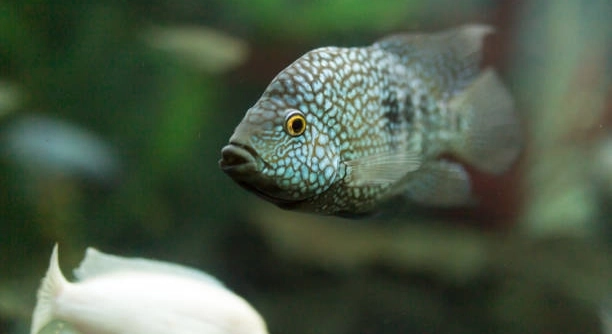
Have you ever noticed your Jack Dempsey fish acting differently after being around more dominant tank mates? These colorful fish have strong personalities, and changes in rank can affect how they behave in their home aquarium environment.
When Jack Dempsey fish lose rank, they often reduce aggression, avoid confrontations with dominant fish, and adjust their feeding and territorial habits. These behavioral shifts help maintain balance within the social hierarchy and reduce stress in the aquarium.
Watching these changes can reveal a lot about their social interactions, feeding routines, and overall tank dynamics, helping you better manage a peaceful and healthy aquarium.
Understanding Rank Loss in Jack Dempsey Fish
When a Jack Dempsey fish loses its rank, the change can be noticeable in both behavior and appearance. Fish that were once dominant may become more withdrawn, avoiding eye contact and aggressive posturing. They often retreat to corners of the tank or hide behind decorations. Feeding habits may shift, with lower-ranking fish waiting until dominant individuals finish before approaching food. Coloration can also dim slightly, reflecting stress or lower confidence. Social interactions change as well, with subordinate fish tolerating the presence of more dominant tank mates rather than challenging them. Over time, the aquarium begins to reflect a new balance. Dominant fish may patrol territories more actively, while lower-ranking fish adjust by finding quieter spaces. Observing these patterns can help identify when a fish has lost rank. Recognizing these behaviors allows for better care, ensuring the tank remains peaceful and all fish maintain healthy eating and social habits, preventing injuries or ongoing stress in the aquarium.
This shift in rank is gradual but clear, often altering daily interactions.
Lower-ranking fish develop strategies to avoid conflict, such as moving slower or hiding more frequently, creating a calmer tank environment overall.
Behavioral Adjustments After Losing Rank
Fish that lose rank often display subtle changes in swimming patterns and posture.
These adjustments can include slower movements, keeping close to hiding spots, and avoiding areas controlled by dominant fish. Stress levels may rise, but adaptive behavior helps maintain survival. Subordinate fish might also accept less desirable feeding positions, waiting until dominant fish finish. Over weeks, they learn which areas of the tank are safe and which are not, creating predictable patterns. Socially, these fish may stop initiating conflicts entirely and focus on avoiding attention. Changes in coloration, like duller shades, can occur as a stress response or result from reduced confidence. Understanding these behavioral adjustments helps aquarium owners provide appropriate tank decorations, hiding spots, and feeding routines. Ensuring that each fish has access to food without constant stress is essential for long-term health. Tracking these behaviors also allows owners to anticipate potential issues, such as bullying or overfeeding, and make adjustments before problems escalate. Proper observation and minor interventions can maintain balance and reduce overall stress in a mixed-rank aquarium.
Effects on Feeding and Territory
Lower-ranking Jack Dempsey fish often eat last, waiting for dominant fish to finish. They may avoid central tank areas and spend more time near hiding spots to reduce conflict and stress.
Adjustments in feeding behavior are critical for maintaining health. Subordinate fish might nibble small amounts at the edges of feeding zones, allowing dominant fish to take priority. Over time, these fish learn the safest times to eat and which spots in the tank are less contested. Territory shifts also occur, as lower-ranking fish avoid high-traffic areas patrolled by stronger individuals. They may claim corners, decorations, or plants as their personal space, reducing confrontations. While this behavior helps them survive, it can influence growth rates and overall activity levels. Understanding these dynamics allows for careful feeding strategies, ensuring all fish receive adequate nutrition without provoking aggression. Tank arrangements with multiple hiding spots and dispersed food can significantly improve harmony and health among all ranks.
Stress from restricted territory can also affect activity levels, making lower-ranking fish more cautious and slower in movements.
Signs of Stress and Adaptation
Color changes are one of the first signs that a Jack Dempsey fish has lost rank. Dull or faded coloration often indicates stress or low confidence.
Behavioral changes go beyond color. Subordinate fish may reduce aggression entirely, swim more slowly, and spend more time in corners or behind plants. They may avoid eye contact with dominant tank mates and limit interactions to necessary movements. Even during feeding, these fish may wait patiently, showing hesitation before approaching food. Over time, fish begin to adapt, finding patterns that allow them to survive without constant confrontation. Stress hormones can affect appetite and immune response, making careful observation crucial. Adjusting tank layouts, providing ample hiding places, and distributing food in multiple locations helps lower-ranking fish regain stability and maintain overall health. These adaptive behaviors demonstrate resilience while highlighting the importance of thoughtful aquarium management.
Social Interactions Among Tank Mates
Lower-ranking Jack Dempsey fish often avoid dominant fish to reduce conflict. They may hide or swim cautiously around others, keeping a low profile.
Interactions are usually limited to necessary movements. Subordinate fish rarely initiate contact and may follow the lead of more dominant fish to stay safe.
Adjusting Tank Environment
Rearranging decorations and adding hiding spots helps lower-ranking fish feel secure. Plants, rocks, and caves create safe zones for retreat and reduce confrontations.
A well-structured environment allows subordinate fish to explore without fear, maintain access to food, and gradually regain confidence. Consistent layout changes can help balance territorial disputes and encourage calmer interactions.
Feeding Strategies
Distributing food in multiple locations reduces competition. Lower-ranking fish can eat without constant stress from dominant tank mates, supporting health and growth.
FAQ
How can I tell if my Jack Dempsey fish has lost rank?
You may notice changes in behavior and appearance. Subordinate fish often hide more, avoid eye contact with dominant tank mates, and swim cautiously. Their coloration may fade slightly, and they might eat last or wait for dominant fish to finish.
Why do lower-ranking fish change color?
Color changes are usually a stress response. When a Jack Dempsey fish loses rank, hormones linked to stress can cause its bright colors to dim. This fading signals lower confidence and helps the fish avoid confrontation with more dominant tank mates.
Do subordinate fish eat less when they lose rank?
Yes, they may wait until dominant fish finish feeding, often taking smaller bites or eating at the edges of feeding areas. Over time, this cautious approach ensures they get enough food while avoiding aggressive encounters, but it can affect growth if the tank setup isn’t supportive.
Can lost rank affect fish health?
Behavioral stress can impact appetite, immune response, and overall energy levels. Subordinate fish may show slower swimming, less exploration, and decreased interest in food. Providing multiple feeding spots, hiding spaces, and reducing conflict helps mitigate these health effects.
Will my Jack Dempsey regain rank?
Regaining rank is possible but depends on tank conditions, personality, and social dynamics. Subordinate fish can rise in status if dominant fish are removed, sick, or relocated. However, in stable hierarchies, lower-ranking fish often remain in their adjusted position for long periods.
How can I reduce aggression in the tank?
Adding decorations, plants, and caves helps create personal spaces. Distributing food in multiple locations ensures all fish can eat without stress. Avoid overcrowding, as too many fish can increase competition and reinforce aggressive behavior. Maintaining water quality also reduces tension among tank mates.
Do hiding spots really help lower-ranking fish?
Yes, hiding spots give subordinate fish safe areas to rest, eat, and regain confidence. Rocks, plants, and caves provide retreat zones and reduce direct contact with dominant fish. A well-structured tank supports natural behavior and improves overall social balance.
How quickly do fish adapt to losing rank?
Adaptation varies by individual. Some fish adjust within days, learning which areas to avoid and when to eat. Others may take weeks, showing gradual changes in swimming patterns, posture, and social interactions as they accept their new position in the hierarchy.
Can tank layout influence rank changes?
Absolutely. Open spaces may favor dominant fish, while tanks with multiple hiding spots and varied territories allow lower-ranking fish to avoid conflict and maintain access to resources. Strategic arrangement supports calmer interactions and healthier fish overall.
Should I separate fish that lose rank?
Separation isn’t always necessary. Most fish adjust naturally if the tank provides sufficient space, hiding spots, and feeding locations. Only consider separation if aggression causes injury or persistent stress, as removing fish unnecessarily can disrupt social balance.
Do stress behaviors affect other fish in the tank?
Yes, lower-ranking fish showing stress may influence dominant fish, creating tension or triggering minor conflicts elsewhere. Observing behavior patterns helps identify problem areas and informs adjustments to feeding, layout, or group composition.
Can diet help stressed Jack Dempsey fish?
A balanced diet with regular feeding schedules helps maintain health and reduces stress. Providing food in multiple spots ensures subordinate fish eat safely, supporting growth, energy, and resilience against the social pressures of rank changes.
Is it normal for fish to hide most of the day?
For lower-ranking Jack Dempsey fish, extended hiding can be normal after losing rank. Consistent hiding shows caution rather than illness. Monitoring color, appetite, and activity helps distinguish between stress and potential health issues.
What signs show a fish is recovering from stress?
Brighter coloration, more confident swimming, and willingness to explore indicate recovery. Fish may begin feeding earlier, use multiple areas of the tank, and interact more safely with others as confidence returns.
How can I prevent rank loss from becoming harmful?
Ensure proper tank size, hiding spots, and evenly distributed food. Avoid overcrowding and monitor aggressive behaviors. Regular observation allows you to address stress before it affects health or growth, keeping the tank balanced and peaceful.
This FAQ provides guidance for managing Jack Dempsey fish as they adjust to rank changes, offering practical strategies to reduce stress and maintain healthy social dynamics.
Final Thoughts
Jack Dempsey fish are fascinating pets because of their strong personalities and vivid colors. Their social behavior is complex, and rank plays a big role in how they act. When a fish loses rank, it can change its behavior, appearance, and daily routine. These changes are natural and part of how fish manage social hierarchies in the tank. Subordinate fish often become more cautious, spending more time hiding or avoiding dominant fish. They may swim slower, stick to corners, or explore less than before. Even feeding habits can change, with lower-ranking fish waiting until dominant fish finish eating or taking smaller bites at the edges of the tank. While these behaviors may seem subtle at first, they are important signals that the fish is adjusting to its new position. Observing these changes closely can help you understand your fish better and ensure their needs are being met.
Providing the right tank environment is essential when rank shifts occur. Adding hiding spots, decorations, and plants gives lower-ranking fish areas to feel safe. These spaces allow them to rest, eat without stress, and regain confidence. Multiple feeding locations also reduce competition and make sure all fish get enough nutrition. Over time, subordinate fish can adapt and develop predictable patterns that allow them to coexist peacefully with dominant tank mates. Stress from losing rank can affect health, so creating a supportive environment is key. A calm, well-structured tank reduces aggression, supports normal behavior, and helps prevent injuries. Even small changes, like moving a plant or adding a rock, can make a big difference in how comfortable and confident a lower-ranking fish feels. Consistent care and observation help maintain balance and a healthier aquarium.
Understanding how rank affects Jack Dempsey fish also helps you anticipate potential problems. Fish that remain stressed for long periods may have weakened immune systems or slower growth. By monitoring behavior, color, and feeding, you can spot early signs of stress and take action before it becomes harmful. Adjusting tank layout, providing hiding spots, and distributing food evenly are practical ways to reduce tension and improve social dynamics. Watching how your fish interact also provides insight into their personalities, showing which individuals are more dominant and which prefer quieter spaces. Learning to manage rank changes not only supports the well-being of your fish but also makes the aquarium more enjoyable to observe. By paying attention to these social cues and making thoughtful adjustments, you can help all your Jack Dempsey fish thrive and maintain a peaceful, balanced tank environment.

Hello,
If you enjoy the content that we create, please consider saying a "Thank You!" by leaving a tip.
Every little bit helps us continue crafting quality advice that supports the health, happiness, and well-being of pets around the world, for pets of all shapes, sizes, and species.
We really appreciate the kindness and support that you show us!