
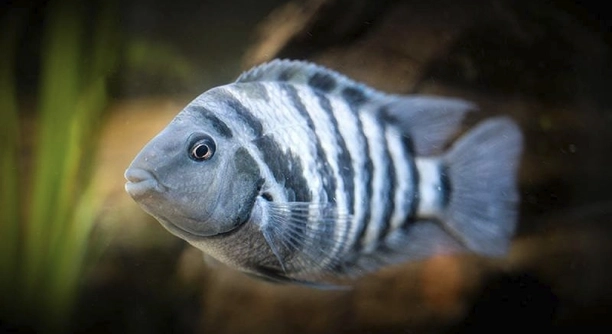
Have you ever noticed your cichlid growing faster than expected, leaving you unsure whether their tank is still the right size?
When cichlids outgrow their tank, they become stressed, aggressive, and prone to illness due to limited space, poor water quality, and restricted movement. These conditions can severely affect their health, lifespan, and overall behavior in captivity.
Understanding how tank size impacts your cichlid’s health can help you prevent serious problems and maintain a peaceful, balanced aquarium.
Signs Your Cichlid Has Outgrown Its Tank
Cichlids can grow quickly, especially when kept in ideal conditions. A tank that once seemed large may no longer meet their needs. Signs of outgrowing include increased aggression, frequent hiding, and visible stress. You might notice damaged fins or a sudden drop in appetite. Their waste can overwhelm the filter system, leading to cloudy water and poor conditions. Constant chasing or territorial fights are common as space becomes tight. These behaviors are more than just personality quirks—they signal that your cichlid is uncomfortable. Over time, lack of space affects their immune system, making them more vulnerable to illness. Physical growth may also slow down if their tank doesn’t allow enough room for movement. Paying attention to these signs can help you avoid long-term health problems. Cichlids are active and intelligent fish, and they thrive in clean, spacious environments that allow natural behavior. Proper tank size is essential for their well-being.
Even subtle changes in behavior can point to a growing problem with tank size, especially in fast-growing species like Oscars or Jack Dempseys.
If your fish seems withdrawn or aggressive and water quality declines despite regular maintenance, it’s time to consider a larger tank. Observing these shifts early helps prevent lasting health effects.
Risks of Keeping Cichlids in a Small Tank
Chronic stress is one of the biggest concerns when housing cichlids in a space that’s too small. Stress weakens their immune system and makes them more likely to develop infections, fin rot, or parasitic problems. Territorial disputes can result in injuries, especially when multiple cichlids are forced to share cramped quarters. Inadequate swimming space limits their physical activity and hinders natural behavior, leading to lethargy or unusual hiding. Water quality declines quickly in overcrowded environments, as bio-load exceeds filtration capacity. Ammonia spikes, low oxygen levels, and pH swings are common and can kill your fish if not addressed. Smaller tanks also make it harder to keep water stable, even with frequent water changes. Over time, this combination of stress, poor water quality, and limited mobility shortens your cichlid’s lifespan. Upgrading to a more spacious tank with proper filtration ensures better water conditions, promotes calm behavior, and supports overall health for your growing fish.
How to Choose the Right Tank Size
Choosing the right tank size depends on your cichlid’s species, adult size, and number. A single large cichlid may need at least 55 gallons, while groups require even more space.
Most cichlids are territorial, so overcrowding increases aggression. For African cichlids like Mbunas, a 75-gallon tank is often ideal for a small group. South American species like Oscars grow large and need at least 75 gallons each. Always plan for their adult size—not just their current size. Include space for decorations, rocks, and plants to reduce stress and aggression. Over-filtering helps maintain good water quality, especially in heavily stocked tanks. Tank shape also matters—longer tanks give cichlids more horizontal swimming space. Avoid tall, narrow tanks that limit movement. Research your specific cichlid species and build your tank setup around their needs. Providing enough space early prevents behavioral problems and reduces the chances of needing multiple upgrades later.
Tank mates also influence tank size. More fish mean more waste and more space requirements. Consider bioload when planning your setup. An overcrowded tank leads to poor water quality, even with regular maintenance. A balanced tank setup supports healthier, more active cichlids in the long term.
When and How to Upgrade Their Tank
If your cichlid shows signs of stress, aggression, or slowed growth despite good care, it’s likely time for an upgrade. Growing fish simply need more room.
When upgrading, move everything gradually to avoid shocking your fish. Set up the new tank first and let it cycle fully before transferring your cichlid. Use water from the old tank to help ease the transition. Once the new environment is stable, move the fish gently, using a net and container. Avoid changing everything at once—keep familiar decorations or hiding spots to reduce stress. Monitor water parameters closely for the first few weeks. Offer stable temperature, strong filtration, and enough hiding areas to help your cichlid feel secure. Also, avoid overfeeding during the transition. Fish are more sensitive to water changes when stressed. Upgrading their tank the right way helps prevent shock and allows your cichlid to adjust more easily to their new space.
What to Avoid When Housing Growing Cichlids
Avoid placing growing cichlids in tanks under 30 gallons, even temporarily. These setups limit movement, stress the fish, and lead to poor water quality.
Do not overcrowd the tank. Too many fish compete for territory and resources, increasing aggression and making it hard to manage water conditions effectively.
Feeding Adjustments for Larger Cichlids
As your cichlid grows, its dietary needs will change. Larger fish need more protein and a more varied diet. Choose high-quality pellets made for larger species and supplement with frozen or fresh food like bloodworms, krill, or vegetables. Avoid overfeeding, as excess food causes water quality issues. Feed in smaller portions multiple times a day, and remove uneaten food promptly. Watch for weight changes or bloating, and adjust accordingly. Healthy feeding supports proper growth and improves color and activity. Providing the right diet also helps reduce stress, especially during growth or tank changes. Stick to a routine that keeps your cichlid satisfied but not overfed.
Monitoring Growth and Health
Track your cichlid’s size and behavior regularly. Sudden changes in appetite, movement, or color can signal a problem. Early action prevents health issues and supports long-term growth.
FAQ
How fast do cichlids grow?
Growth rate depends on species, diet, and tank conditions. Most cichlids grow steadily in their first year, often reaching near-adult size within 8 to 12 months. For example, African cichlids may grow around half an inch per month, while larger species like Oscars can grow faster—up to an inch per month under ideal care. Proper nutrition and clean water speed up growth, while poor tank conditions or stress will slow it down. Monitor size regularly to catch signs that a tank upgrade or dietary change may be needed.
Can cichlids stop growing if the tank is too small?
Yes, cichlids can experience stunted growth when kept in a tank that’s too small. Limited space restricts their movement, which affects physical development. More importantly, small tanks often result in poor water quality, which impacts health and slows growth. The fish may also become stressed or aggressive, which uses energy that would otherwise go toward growth. Stunting isn’t always obvious at first, but over time it affects the fish’s appearance and lifespan. Once a cichlid is stunted, it may never reach full size, even if moved to a larger tank later.
What’s the minimum tank size for an Oscar cichlid?
An adult Oscar cichlid needs a minimum of 75 gallons. These fish can grow up to 12–14 inches and are very active. A tank smaller than 75 gallons will not provide enough space for healthy swimming or proper filtration. If you plan to keep more than one Oscar or add tank mates, consider at least 100 gallons or more. A large tank also helps manage the Oscar’s high waste output, which can otherwise cause ammonia spikes and stress. Providing the right tank size from the beginning helps support healthy growth and behavior.
Can I keep multiple cichlids together in a single tank?
Yes, but tank size, species, and temperament matter. African cichlids, like Mbunas, can be kept in groups if the tank is at least 75 gallons and has plenty of hiding spaces. South American cichlids may do better in pairs or solo, depending on the species. Never mix aggressive and peaceful types, as fighting can lead to stress or injury. Monitor them closely, especially after introducing new fish. Overstocking can sometimes reduce aggression among African cichlids, but only if the tank is large enough and has proper filtration.
Why is my cichlid hiding more often now?
Increased hiding is often a sign of stress, and a small tank can be the cause. Other reasons include bullying from tank mates, poor water quality, or illness. If the fish previously swam actively but now avoids open space, it may feel unsafe or uncomfortable. Check water parameters, tank size, and behavior of other fish. Provide more hiding places, but also evaluate whether your tank is too crowded or undersized. If necessary, rehome aggressive fish or upgrade the tank to give your cichlid more comfort and space.
Do decorations and rocks help reduce stress in growing cichlids?
Yes, decorations, rocks, and plants help create territories and hiding spaces, which reduce stress. Cichlids are territorial and feel safer with defined boundaries in their environment. This setup also prevents aggression by allowing weaker fish to avoid dominant ones. Make sure decorations don’t overcrowd the tank, as open swimming space is still important. Use smooth rocks and sturdy items that won’t fall or harm the fish. Rearranging decorations can help reset territorial behavior if aggression becomes a problem. A well-structured tank supports natural activity and reduces anxiety in growing cichlids.
How often should I test water in a crowded cichlid tank?
In tanks with fast-growing or multiple cichlids, test water at least once a week. Monitor ammonia, nitrite, nitrate, and pH levels. Overcrowded tanks can change quickly, especially after feedings or water changes. Use a reliable liquid test kit and log your results to spot trends. If your tank is heavily stocked or recently upgraded, test more frequently—two to three times weekly. Stable water keeps your cichlids healthy and less prone to disease. Even if everything looks fine, consistent testing helps catch problems early and supports long-term care.
Final Thoughts
Keeping cichlids healthy means paying attention to their growth, space needs, and behavior. As they grow, their tank must grow with them. A small tank can quickly become too tight, even if it seemed fine at first. Space isn’t just about comfort—it affects their health, mood, and ability to interact safely with other fish. When cichlids don’t have enough room, they become stressed, aggressive, or withdrawn. These are early warning signs that something in their setup needs to change. Catching these changes early is one of the best ways to avoid illness, injury, and long-term damage to your fish.
Upgrading a tank might seem like a big step, but it’s a simple way to improve your cichlid’s quality of life. The extra room gives them the chance to swim naturally, claim territory, and feel more secure. It also makes it easier for you to manage water quality and reduce common problems like aggression or disease. Along with a larger tank, adding hiding spots, strong filtration, and a proper diet can make a huge difference. These small choices come together to create a stable, peaceful environment that supports long-term growth and health. The better the environment, the better your fish will look, grow, and behave.
It’s also important to plan ahead. Always research your cichlid’s species so you know how big it will get and what kind of space it needs. This helps you avoid the stress of constantly upgrading and protects your fish from harm. Keeping a growth chart or taking regular notes on behavior can also help you catch problems before they get worse. Simple steps like these make caring for your cichlid easier in the long run. Cichlids are smart, active fish that can live long, healthy lives in the right environment. By providing enough space, clean water, and a balanced diet, you’re giving them the best chance to thrive. A well-maintained tank is not only better for your fish—it also makes the hobby more enjoyable and rewarding for you.

Hello,
If you enjoy the content that we create, please consider saying a "Thank You!" by leaving a tip.
Every little bit helps us continue crafting quality advice that supports the health, happiness, and well-being of pets around the world, for pets of all shapes, sizes, and species.
We really appreciate the kindness and support that you show us!