
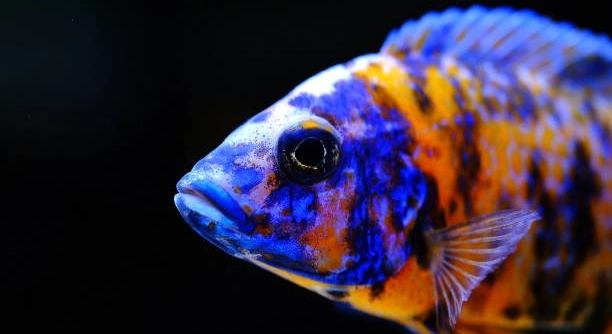
Cichlids are colorful and active fish often kept in home aquariums. They rely on their environment to feel secure and healthy. When their space changes, it can affect their behavior and well-being in noticeable ways.
When cichlids lack territory, they often become stressed and aggressive. This can lead to increased fights, poor health, and disrupted social structures. Territory is essential for their natural behaviors, breeding, and overall stability in the tank.
Learning about the effects of territory loss helps improve cichlid care and promotes a peaceful aquarium environment for these lively fish.
Understanding Cichlid Territory Needs
Cichlids are naturally territorial fish, and their need for space is deeply rooted in their behavior. In the wild, they stake out specific areas where they feed, rest, and breed. This sense of territory helps reduce conflicts and establishes a clear social order. When kept in aquariums without enough hiding spots or space, they can become confused and stressed. Stress in cichlids often shows through aggressive actions like chasing or biting other fish. Lack of territory can also disrupt their normal feeding and breeding habits. Providing enough space and decorations such as rocks, plants, or caves can create separate zones for each fish. This setup helps cichlids feel safe and less threatened by others. Even small tanks can support cichlids if designed with their territorial needs in mind. Observing how your cichlids interact will give clues about whether their environment meets these essential needs.
Territorial space directly affects cichlid behavior and tank harmony. Without it, stress and aggression increase.
Cichlid owners should arrange the aquarium thoughtfully to create distinct territories. This may involve rearranging decor or adding more hiding places. Understanding their natural behavior helps in making smart choices that support peaceful living. When fish have places to claim as their own, they are calmer and healthier. Planning the tank environment around these needs benefits both the fish and the keeper by reducing fights and stress-related illnesses.
Signs of Territorial Stress in Cichlids
Stress from lack of territory can appear in many ways. Cichlids may hide excessively or constantly attack tank mates.
One of the clearest signs is increased aggression. Fish may nip fins, chase each other relentlessly, or act unusually restless. You might notice damaged fins or scales from frequent fights. Another sign is loss of appetite or changes in normal activity, such as hiding for long periods or pacing. Stress weakens the immune system, making fish more vulnerable to diseases. Sometimes, breeding behavior stops altogether, indicating discomfort. Watching how your cichlids behave daily will help catch problems early. Early action can prevent serious harm and keep the tank peaceful.
Addressing territorial stress starts with adjusting the environment. Adding visual barriers like plants or rocks can break up open space and reduce confrontations. Increasing the tank size or rearranging decorations gives fish new areas to explore and claim. Sometimes separating particularly aggressive individuals is necessary for the well-being of others. Ensuring proper water quality and nutrition also supports stressed fish during changes. Overall, understanding and responding to these signs helps maintain a healthy aquarium where cichlids thrive peacefully.
Creating Territory in a Small Tank
Creating territory in a small tank means using decorations wisely to give cichlids clear boundaries. Rocks, plants, and caves can divide space.
Arranging these elements strategically allows each fish to claim a spot without feeling exposed. Vertical decorations like tall plants or stacked rocks add layers and visual barriers. This breaks the tank into smaller zones, reducing line-of-sight aggression. Hiding places are essential because they let shy or stressed fish retreat when needed. Even simple changes, like moving a decoration or adding more cover, can calm tensions quickly. Keeping enough open swimming space while offering shelter balances activity and security for the fish.
Regularly changing tank layout can keep the environment interesting and help maintain clear territories. Moving decorations occasionally prevents dominance by one fish and encourages natural behaviors. It also keeps aggression from becoming routine. Watching how fish respond to changes helps adjust the setup effectively. Small tanks can still support happy cichlids if their territorial needs are met with thoughtful design.
Tank Mates and Territory Competition
Choosing tank mates for cichlids requires considering their territorial nature. Some fish tolerate sharing better than others.
Mixing species with different territorial needs or sizes can reduce conflict. For example, combining cichlids with less aggressive or fast-moving fish may balance competition. Avoid overcrowding, as limited space increases fights over territory. It’s important to observe interactions closely after introducing new fish. Early signs of stress or aggression should be addressed by rearranging the tank or separating fish if needed.
Adding multiple hiding spots and visual barriers helps reduce competition for space. Providing enough room for each fish to claim territory prevents constant clashes. Sometimes, species that are too similar or aggressive cannot coexist peacefully. Understanding each species’ temperament and natural behavior supports a balanced community. Proper planning improves overall harmony and well-being in a shared aquarium.
Impact on Breeding Behavior
Territory plays a key role in cichlid breeding. Without a safe, defined area, they often refuse to spawn.
A secure territory gives cichlids confidence to build nests and care for eggs. Lack of space can cause stress, preventing natural breeding behaviors.
Managing Aggression in Overcrowded Tanks
Aggression rises quickly when too many cichlids share a small space. Managing this means reducing crowding or increasing hiding spots. Overcrowding limits territory, leading to constant fights and stress. To improve peace, remove some fish or rearrange decorations. Visual barriers help break line of sight and reduce aggression. Keeping the tank clean and water quality high also supports stressed fish. Sometimes, separating the most aggressive individuals temporarily is necessary to restore balance.
Recognizing Stress in Cichlids
Stress can cause changes like hiding, loss of appetite, or erratic swimming. Monitoring these signs helps prevent harm.
FAQ
What happens if cichlids do not have enough territory?
Without enough territory, cichlids become stressed and aggressive. They may fight more often, which can lead to injuries and poor health. Stress also affects their appetite and breeding habits, causing them to hide or refuse to spawn. Over time, lack of territory can weaken their immune system, making illness more likely. The tank environment becomes tense, reducing the overall well-being of all fish.
How can I create enough territory in a small aquarium?
Even small tanks can offer clear territories by using decorations like rocks, plants, and caves to break up the space. Vertical structures help create separate zones, giving fish places to hide and claim. Rearranging decorations occasionally also stops any one fish from dominating the tank. It’s important to balance open swimming space with enough cover so fish feel secure but still have room to move around.
Why do cichlids become aggressive when their territory is taken?
Cichlids are naturally territorial and need to protect their space for feeding, resting, and breeding. When another fish invades, they see it as a threat. This triggers aggressive behaviors to defend their area. Without clear boundaries, multiple fish may try to claim the same spot, leading to fights. Aggression is a survival instinct but becomes harmful in confined aquarium spaces.
Can territorial aggression be reduced without adding more space?
Yes, aggression can be lowered by creating visual barriers within the tank. Rocks, plants, or decorations break line of sight and help fish feel less exposed. Providing multiple hiding spots lets shy or stressed fish retreat. Changing the layout occasionally prevents a single fish from dominating. Also, keeping a peaceful mix of species reduces competition. Good water quality and a calm environment support less aggressive behavior.
How does lack of territory affect cichlid breeding?
Cichlids need a safe and secure territory to breed. Without a space they can claim, they may refuse to spawn or care for their eggs properly. Stress from overcrowding or constant fighting interrupts normal reproductive behaviors. Providing clear territories with suitable breeding sites like caves or flat rocks encourages natural breeding and better survival of fry.
What signs show cichlids are stressed due to territory loss?
Common signs include hiding for long periods, loss of appetite, and erratic swimming. You might also notice increased aggression or damaged fins from fights. Stressed cichlids can become lethargic or overly restless. These behaviors indicate their environment is not meeting their needs, and changes should be made to reduce stress.
Are some cichlid species more tolerant of shared territory?
Yes, tolerance varies by species. Some cichlids are naturally more aggressive and territorial, while others can coexist more peacefully. Researching the species you keep helps plan tank mates and territory needs better. Mixing very territorial species usually leads to conflict, so choosing compatible fish is important for a balanced aquarium.
What should I do if aggression gets out of control?
If fights cause injury or constant stress, take action quickly. Try rearranging the tank to create new territories or add more hiding places. Reducing the number of fish can also help. In severe cases, separating the most aggressive individuals temporarily or permanently is necessary. Maintaining good water quality and feeding well supports stressed fish during this process.
Can environmental enrichment reduce territorial disputes?
Yes, adding variety to the tank environment keeps fish mentally engaged and less focused on fighting. Decorations, plants, and different textures provide stimulation and safe zones. Changing the layout occasionally prevents boredom and encourages natural behaviors. Enrichment helps reduce aggression by offering more options for exploration and refuge.
How often should I rearrange the tank to maintain peace?
Rearranging every few weeks or months can prevent one fish from dominating a territory. Observe your fish and adjust if you notice increased aggression or stress. Small changes like moving rocks or plants can disrupt established territories and encourage a more balanced social structure. However, avoid frequent or drastic changes that might stress the fish too much.
Final Thoughts
Cichlids are beautiful and interesting fish that need space to feel comfortable. Territory is very important to them because it helps reduce stress and keeps their natural behaviors balanced. When cichlids have their own area in the tank, they can rest, feed, and breed without feeling threatened by others. Without enough territory, these fish often become aggressive and stressed, which can lead to fights, poor health, and even illness. Paying attention to their need for space is one of the best ways to keep cichlids happy and healthy.
Creating a good environment for cichlids does not always mean having a very large tank. Even smaller tanks can work well if designed thoughtfully. Using decorations like rocks, plants, and caves helps break the space into smaller zones where each fish can claim a spot. These hiding places and visual barriers reduce aggression by giving fish privacy and places to retreat. Rearranging the tank layout from time to time also helps stop one fish from taking over and encourages natural social behaviors. With the right setup, cichlids can live peacefully and show their full colors and personalities.
Watching your cichlids closely is important to understand if they are stressed or comfortable. Signs like aggression, hiding, or changes in eating habits show when something is wrong. If these problems appear, making changes to the tank environment or adjusting the number of fish can improve their well-being. Remember that each cichlid species has different needs, so learning about them helps make better choices. By respecting their territorial instincts and providing a good home, you can enjoy a lively and peaceful aquarium with thriving cichlids.

Hello,
If you enjoy the content that we create, please consider saying a "Thank You!" by leaving a tip.
Every little bit helps us continue crafting quality advice that supports the health, happiness, and well-being of pets around the world, for pets of all shapes, sizes, and species.
We really appreciate the kindness and support that you show us!