
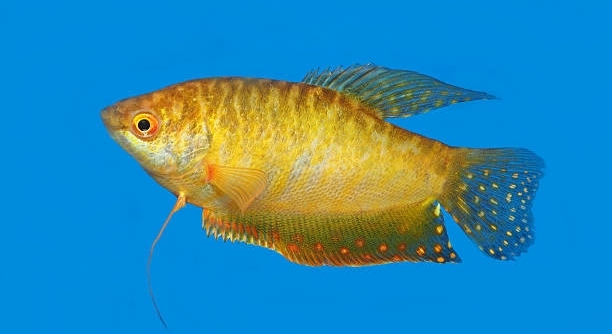
Gouramis are gentle fish that brighten many home aquariums. They enjoy calm environments, and their health depends on proper care, including adequate lighting. Poor light can subtly affect their daily behavior and overall well-being over time.
When a gourami is kept in poor light, it can experience stress, weakened immune function, slower growth, and faded coloration. Insufficient lighting disrupts natural circadian rhythms, limits plant growth, and reduces the fish’s overall vitality in the aquarium.
Keeping your aquarium well-lit can improve your gourami’s health and make its colors more vibrant, encouraging a happier and more active fish.
Effects of Poor Lighting on Gourami Behavior
Gouramis are sensitive to changes in their environment, and lighting plays a key role in their behavior. In low-light conditions, they may become less active, hiding more often among plants or decorations. Feeding patterns can also change, as they may eat less or appear lethargic. Aggression between tank mates may increase because stress levels rise without proper lighting. Over time, prolonged exposure to dim light can make them more vulnerable to diseases. Their natural instincts, like exploring or interacting with other fish, may decrease, affecting overall tank harmony. Light influences their internal clocks, so inconsistent lighting can disrupt normal sleep and rest cycles. Tank plants may also struggle to grow in poor lighting, which further reduces hiding spaces and food sources, indirectly affecting the fish’s comfort and health. Maintaining a consistent light schedule with moderate brightness helps stabilize behavior and supports a healthier, more active gourami in the tank.
Observing reduced activity and hiding often indicates that your gourami is reacting to inadequate lighting conditions.
Proper lighting not only keeps gouramis active but also supports plant growth, which enhances tank aesthetics and creates natural spaces for exploration.
Signs of Poor Health Due to Inadequate Light
A gourami kept in low light may show faded colors and slower movements, signaling stress and possible health decline.
Extended periods of insufficient light can lead to noticeable health issues. Gouramis may lose their vibrant hues, making them appear dull and less lively. Growth may slow, particularly in younger fish, as light affects metabolism and feeding efficiency. Stress levels rise, weakening the immune system and making them more susceptible to infections and parasites. Reduced light also affects appetite, causing weight loss or malnutrition if not corrected. Behavioral changes, such as hiding or reduced swimming, are often the first visible signs that their environment is inadequate. In addition, tank plants may struggle to grow, decreasing oxygen levels and reducing the natural cover gouramis rely on for security. Proper lighting helps maintain consistent day-night cycles, supports physiological functions, and promotes overall wellness. By ensuring a balanced light setup, you create an environment where gouramis can thrive, display their natural colors, and stay healthy for years.
Adjusting Light Levels for a Healthier Gourami
Low or inconsistent light can stress your gourami, so adjusting brightness is important. A moderate, steady light schedule helps maintain normal activity, feeding, and natural behavior, improving both health and coloration over time.
Proper light adjustment requires observing your gourami’s responses. Gradually increasing brightness allows them to acclimate without sudden stress. Lights should be on for about eight to ten hours daily, simulating a natural day-night cycle. Avoid placing the aquarium in direct sunlight, which can cause temperature fluctuations and algae overgrowth. Using a timer ensures consistency, helping the fish develop regular feeding and resting patterns. Additionally, well-lit tanks encourage plant growth, offering hiding spaces and improving oxygen levels, which directly benefits your gourami’s overall health and comfort.
Light intensity affects more than behavior—it influences metabolism and immunity. Gouramis in properly lit environments tend to feed more regularly, grow faster, and display brighter colors. Sudden changes or too dim lighting can weaken their immune system and make them prone to disease. Maintaining stable light conditions fosters a balanced ecosystem in the aquarium, keeping both fish and plants healthy.
Choosing the Right Lighting for Your Tank
Selecting appropriate lighting supports both your gourami and aquarium plants. Soft, moderate light is ideal to balance visibility and comfort for your fish.
When choosing lighting, consider the type of gourami and tank plants. LED lights are energy-efficient and provide adjustable intensity, while fluorescent lights offer even coverage but may produce more heat. Light color temperature also matters—5000K to 7000K mimics daylight and enhances plant photosynthesis. Avoid overly bright lights, as they can stress the fish, while very dim light may stunt plant growth. Position the light to cover the entire tank evenly, preventing dark corners where algae or poor water circulation may occur. Observing your gourami’s behavior under different lighting setups helps determine the most comfortable conditions. Proper lighting not only improves fish health but also maintains a visually pleasing aquarium, creating a balanced environment for long-term care.
Common Mistakes in Aquarium Lighting
Many gourami owners leave lights on too long, which can stress fish and encourage algae growth. A consistent schedule is better for their health and behavior.
Placing the tank in direct sunlight is another frequent mistake. It can overheat water and cause uneven lighting, harming both fish and plants.
Balancing Light and Plant Growth
Proper lighting supports both gouramis and live plants. Plants need light for photosynthesis, which produces oxygen and creates natural hiding spots. Without enough light, plants may wither, reducing shelter and food sources for your fish. Balancing light intensity and duration ensures a stable environment. Using adjustable LED lights helps mimic natural day-night cycles, keeping gouramis active and healthy. Regularly checking plant growth and fish behavior helps identify if lighting adjustments are needed. Well-lit, thriving plants also improve water quality by absorbing excess nutrients, reducing algae, and maintaining a clean tank. This balance is crucial for a harmonious, healthy aquarium ecosystem.
Signs Your Lighting Needs Adjustment
If your gourami hides frequently or shows faded colors, it may be a sign that the lighting is inadequate.
FAQ
How long should I keep the lights on for my gourami?
Most gouramis do best with about eight to ten hours of light each day. This timing mimics a natural day-night cycle and helps regulate feeding, activity, and rest. Using a timer can make this easier and more consistent. Avoid leaving lights on overnight, as it can stress the fish and affect plant growth.
Can too much light harm my gourami?
Yes, excessively bright or prolonged lighting can stress gouramis. They may become more aggressive, hide more often, or show signs of fatigue. Too much light can also encourage algae overgrowth, reducing oxygen and making the tank less comfortable. Balance brightness and duration carefully for a healthy environment.
What type of light is best for a gourami tank?
LED lights are often preferred because they are energy-efficient, adjustable, and produce little heat. Fluorescent lights can work too, but they may raise water temperature slightly. The ideal light should cover the tank evenly and mimic natural daylight, around 5000K to 7000K.
How can I tell if my gourami is stressed due to poor lighting?
Stress from low or inconsistent lighting often shows as hiding, lethargy, faded colors, or reduced appetite. You may also notice slower swimming or increased aggression toward other fish. Regular observation helps catch these signs early before health problems develop.
Do plants help improve lighting conditions for gouramis?
Yes, healthy plants benefit both lighting and the fish. Plants need light to grow, and they provide shelter and hiding spaces. Proper plant growth can reduce algae and improve water quality. Make sure light intensity supports both the fish and the plants without being too harsh.
Is it okay to use natural sunlight for my gourami tank?
Direct sunlight is not recommended. It can cause uneven lighting, temperature swings, and algae growth. Indirect natural light is fine, but it’s better to rely on aquarium lights that can be controlled and timed consistently.
How often should I check my tank’s lighting?
Checking light intensity and duration weekly helps maintain a stable environment. Observe your gourami’s behavior and plant health. If plants appear weak or fish seem stressed, adjust brightness, duration, or light placement. Small changes over time are safer than sudden shifts.
Can dim lighting improve gourami health?
Dim lighting can make gouramis more comfortable if they are stressed by bright lights, but too little light affects plant growth and fish activity. Aim for moderate lighting with a consistent schedule to balance comfort, behavior, and ecosystem health.
What happens if my gourami is kept in poor light for too long?
Prolonged poor lighting can weaken the immune system, slow growth, reduce color vibrancy, and increase stress. Plants may fail to grow, reducing oxygen and hiding spaces. Consistent moderate lighting is essential to prevent these long-term issues and maintain a healthy tank.
Can I adjust lighting gradually without harming my gourami?
Yes, gradual adjustments are best. Sudden changes can stress the fish. Increase or decrease light intensity slowly over several days while observing behavior. Make small changes to duration or brightness until the tank environment feels stable and the gourami appears active and healthy.
Will proper lighting improve my gourami’s colors?
Yes, correct lighting enhances natural coloration. Gouramis show brighter and more vivid colors under well-balanced light. Healthy plants, consistent day-night cycles, and moderate intensity all contribute to improved color and overall vitality.
How do I balance lighting for multiple gouramis and plants?
Use adjustable lights to provide uniform coverage across the tank. Ensure all plants get enough light for photosynthesis, and observe fish behavior to check comfort. Avoid overly bright spots or dark corners, and maintain a steady schedule for optimal health of both gouramis and plants.
What is the best way to simulate a natural day-night cycle?
Set lights on a timer for eight to ten hours daily. Turn off lights gradually if possible, or allow a short period of dim lighting before complete darkness. This schedule helps gouramis establish feeding and resting patterns, reducing stress and promoting natural behavior.
Can poor lighting affect gourami breeding?
Yes, inadequate light can reduce activity, stress fish, and disrupt natural rhythms needed for breeding. Maintaining consistent moderate lighting with healthy plants can encourage natural breeding behaviors and improve overall reproductive health.
Are there signs of plant-related issues caused by poor lighting?
Yes, slow growth, yellowing leaves, and weak stems indicate insufficient light. Plants provide shelter and oxygen, so poor plant health directly affects gourami well-being. Adjust light intensity or duration to support both plants and fish health.
Is there a way to correct lighting mistakes without harming the fish?
Yes, small, gradual changes are safest. Reduce or increase light in steps while monitoring behavior. Check plant health and ensure the tank environment remains stable. Using timers and adjustable lights prevents sudden stress and supports recovery.
Final Thoughts
Taking care of a gourami requires attention to lighting, as it affects their behavior, health, and overall well-being. Poor lighting can cause stress, reduce activity, and fade their colors, making them appear less vibrant. Over time, inadequate light can even weaken the immune system, making the fish more vulnerable to disease. Gouramis rely on a consistent day-night cycle to regulate feeding, swimming, and resting habits. Maintaining moderate, steady light for eight to ten hours a day helps them stay active and reduces stress. Using a timer can simplify this process and prevent accidental overexposure or prolonged darkness. Observing your gourami’s daily behavior is important, as changes in hiding, swimming, or feeding patterns often indicate issues with lighting or other environmental factors.
Lighting also plays a crucial role in the growth and health of aquarium plants. Healthy plants improve water quality, provide hiding spaces, and contribute to a balanced ecosystem, which directly benefits your gourami. Insufficient light can stunt plant growth, reduce oxygen levels, and create dark areas that encourage algae growth. These changes make the tank less comfortable for the fish and may even affect their appetite or activity. Choosing the right type of light, such as LED or fluorescent lights with moderate brightness, ensures both plants and fish thrive. Soft, indirect lighting avoids stress while still promoting photosynthesis, maintaining a natural and healthy environment. Regularly checking plant health and fish behavior allows for timely adjustments, preventing long-term problems and ensuring that both plants and gouramis flourish together.
Making gradual adjustments to lighting is the safest approach. Sudden changes in brightness or duration can stress the fish, affecting their behavior and overall health. Gradually increasing or decreasing light allows the gourami to acclimate while keeping plants healthy. Observing the tank daily helps identify any issues early, whether it’s hiding behavior, dull colors, or weak plant growth. A well-lit tank not only supports physical health but also enhances the natural beauty of the aquarium. Proper lighting creates a comfortable, balanced environment where gouramis can show their full colors, explore freely, and maintain normal activity. Paying attention to light, along with feeding, water quality, and tank maintenance, is key to providing a long, healthy life for your gourami.

Hello,
If you enjoy the content that we create, please consider saying a "Thank You!" by leaving a tip.
Every little bit helps us continue crafting quality advice that supports the health, happiness, and well-being of pets around the world, for pets of all shapes, sizes, and species.
We really appreciate the kindness and support that you show us!