
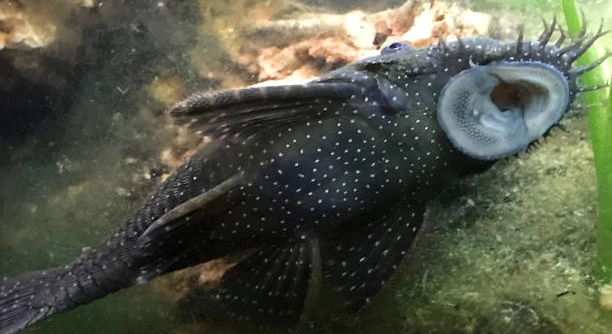
Do you ever find yourself watching your pleco and wondering if it’s okay for them to munch on the snails in your tank?
When a pleco eats a snail, it usually does not cause immediate harm. However, shell fragments can lead to digestive issues, and some snail species may carry parasites that pose health risks to your pleco.
Snail consumption might seem like a small thing, but it can affect your pleco’s well-being more than you’d expect.
What Happens Inside Your Pleco After Eating a Snail
When your pleco eats a snail, it doesn’t just stop at swallowing. The hard shell breaks into small pieces that travel through its digestive system. These fragments can be difficult to process and may cause minor internal discomfort. If your pleco eats snails often, the shell bits could lead to more serious issues like blockages. On top of that, some snails carry parasites or bacteria that can infect your pleco once ingested. Although many plecos are hardy fish, consistent exposure to infected or rough materials isn’t ideal. A one-time snack may not cause much trouble, but a habit of eating snails could slowly create health problems. Some plecos might not even digest the snail well, leading to visible signs like changes in waste or behavior. Keep in mind that what seems like natural scavenging could interfere with your pleco’s overall health and stability in the tank.
It’s helpful to watch your pleco closely after it eats a snail.
If your pleco starts acting differently—like eating less, swimming oddly, or producing stringy waste—it could be reacting to the snail it ate. Sudden changes are often signs that something is wrong. Even if your pleco seems fine, it’s smart to reduce the chances of more snail-eating.
How to Keep Your Pleco Safe from Snail-Related Issues
The best way to avoid problems is to limit your pleco’s access to snails.
Start by checking your tank for unwanted snail populations. Even a few can turn into a lot over time. If snails are appearing too often, clean your tank more regularly and check live plants for eggs before adding them. You can also feed your pleco a more balanced diet with algae wafers and vegetables to prevent them from looking elsewhere for food. A well-fed pleco is less likely to eat snails. Some people add snail-eating fish or manual traps to control the population, but if you go this route, make sure those solutions won’t stress your pleco. Also, monitor your water quality. Stress from poor water can weaken your pleco’s immune system, making it harder for them to fight off any illness that might come from eating a snail. A clean, balanced tank makes a big difference in keeping your pleco healthy.
What to Watch for After Your Pleco Eats a Snail
Keep an eye out for any sudden behavior changes. If your pleco starts hiding more, stops eating, or shows signs of bloating, it could be reacting to something it ate. These signs are small but can mean something isn’t right inside your pleco’s system.
Plecos don’t usually show problems right away. If a snail caused digestive trouble, symptoms might appear gradually over a few days. Watch for stringy or oddly colored waste. Bloating, floating, or unusual swimming can also point to discomfort. If your pleco begins avoiding food or loses energy, it might be a response to something it ingested. You don’t need to panic right away, but consistent observation helps. Not all plecos are affected the same way, so knowing your fish’s normal behavior can make spotting a change easier. Catching early signs is important in avoiding more serious health problems down the line.
Most of the time, plecos recover on their own from eating one snail, especially if it’s small. But if you notice repeated behavior changes or worsening symptoms, it may be a sign of an infection or blockage. In those cases, isolating the pleco and checking water parameters is a good first step. If nothing improves, reach out to a vet with aquatic experience. Don’t try to medicate without knowing what’s wrong—some treatments can harm your pleco more. Being cautious doesn’t mean overreacting, but it’s better to catch a problem early than let it grow. Snails might seem harmless, but for certain fish, they can be a bigger issue than expected.
Safer Food Choices for Your Pleco
Stick with soft vegetables and algae-based food to keep things safe. Zucchini, cucumber, and spinach are easy on their system and provide nutrients. Algae wafers or sinking pellets work well too, especially when given in moderation. A consistent diet helps reduce risky scavenging behavior.
Plecos need fiber, and vegetables give them just that without harsh textures. Blanch the veggies before adding them to the tank so they’re soft enough to chew. Algae wafers should be offered a few times a week, not daily, to avoid overfeeding. Some plecos also enjoy small amounts of protein now and then, like bloodworms or shrimp pellets, but these should never replace their regular meals. A varied diet can stop them from going after snails or other things they shouldn’t eat. Make sure food sinks to the bottom so your pleco can easily access it, and remove leftovers to avoid messing up the tank water.
How to Control Snails in the Tank
Try removing snails by hand during water changes. It’s a slow method, but it works well over time. You can also place lettuce in the tank overnight—snails gather on it, and you can pull them out easily in the morning.
Avoid overfeeding your tank. Leftover food helps snail populations grow quickly. Clean the gravel often and rinse new plants to remove any hidden snail eggs. Keeping things clean and balanced lowers the chance of snails taking over your tank.
When to Be Concerned About Your Pleco
If your pleco stops eating for more than two days, acts sluggish, or shows signs of swelling, it may need help. Watch its waste and swimming patterns. Stringy waste, floating, or sitting in one spot for hours can point to a problem. Check the water first. If everything looks fine, isolate the pleco to reduce stress and observe it closely. You don’t always need to act right away, but if there’s no change after a few days, it’s safer to get expert advice.
Things to Avoid Feeding Your Pleco
Avoid feeding hard, sharp food like crushed snails or dry crustacean shells. These are difficult to digest and can cause damage. Stick with soft, sinking foods that are easy on their stomach.
FAQ
What should I do if my pleco keeps eating snails?
If your pleco is eating snails often, consider limiting their access to snails in the tank. You can remove snails manually during tank maintenance, use traps, or introduce fish that eat snails. If this behavior continues, try providing your pleco with a more satisfying and varied diet, including vegetables like zucchini or spinach, and algae wafers. If the behavior doesn’t stop, you may need to consider removing any snails entirely from your aquarium.
Can eating snails harm my pleco?
Yes, eating snails can harm your pleco. The hard shells of snails can cause digestive issues or even internal blockages, especially if your pleco eats them regularly. Snails can also carry parasites, which might infect your pleco and lead to further health problems. A one-off snail snack may not be harmful, but repeated consumption can put stress on your fish’s system.
How can I tell if my pleco has an internal injury from eating snails?
If your pleco shows signs of bloating, floating unnaturally, or producing stringy, abnormal waste, it might have internal issues. These symptoms often point to digestive problems caused by eating hard-to-digest materials like snail shells. Additionally, changes in behavior, such as swimming less or hiding, could indicate distress. If these signs last for more than a day or worsen, it’s best to consult a vet who specializes in aquatic animals.
Can snails transfer diseases to my pleco?
Yes, some snails carry parasites or bacteria that can infect your pleco if ingested. The risk is higher with wild snails or snails that have not been properly cleaned. Snails are known to carry diseases like fish tuberculosis or gill flukes, which can affect your pleco’s health. It’s important to inspect any snails you add to your tank and avoid introducing snails from unknown sources.
Is it safe to feed my pleco snails on purpose?
Feeding your pleco snails is not recommended as a regular part of their diet. While some plecos may consume snails in the wild, it’s not an ideal food source in captivity. The shells are difficult to digest and can lead to internal issues, and the risk of parasites is higher with snails. If you want to offer snails, make sure they’re safe, free of contaminants, and crushed or softened to avoid digestive problems.
Can snails help clean the tank and prevent plecos from eating them?
Snails can help clean a tank by consuming algae, detritus, and leftover food, but this doesn’t mean your pleco won’t try to eat them. If you have a snail population in your tank, the pleco may still snack on them if it’s hungry or bored. To prevent your pleco from eating them, you can add enough alternative food to keep it satisfied. However, snails do serve a useful purpose in maintaining cleanliness in the tank, so they should not be completely removed unless necessary.
How do I stop snails from breeding in my tank?
To prevent snails from breeding excessively, remove any visible snails regularly. Ensure that food is not overfed in the tank, as leftover food will encourage snail populations. It’s also important to inspect and clean any new plants or decorations before adding them to the aquarium, as snails often come in on these items. If snails continue to be an issue, you can introduce snail-eating fish or use chemical treatments to control their numbers, but these options should be used cautiously to avoid harming other tank inhabitants.
Can eating snails make my pleco sick?
Yes, eating snails can make your pleco sick if the snails are carrying parasites, bacteria, or other harmful microorganisms. Ingesting hard shells can also cause internal damage, leading to health issues like constipation, blockage, or infection. If your pleco seems sick after eating snails, closely monitor its symptoms, such as loss of appetite or unusual swimming patterns, and consider seeking advice from a specialist.
Are there other foods that could cause similar problems for my pleco?
Yes, there are several foods that could harm your pleco in a similar way. Foods that are too hard, sharp, or difficult to digest, like dry crustacean shells or very rough plant matter, can cause internal damage. Additionally, feeding your pleco too much protein (such as shrimp or meaty foods) can lead to imbalanced digestion. Always stick to soft vegetables, algae wafers, and specially designed pleco food to ensure your fish stays healthy.
Can plecos eat snails without shells?
Plecos can eat snails without shells, and they may find them easier to digest. The absence of a hard shell reduces the risk of injury to their digestive system. However, you should still be cautious, as snails without shells might still carry parasites or bacteria that could harm your pleco. Offering these snails should be done sparingly, and it’s always safer to provide a more balanced diet.
Final Thoughts
In general, plecos are hardy fish that can handle a variety of foods, but their diet needs to be carefully managed. While they may naturally eat snails in the wild, offering them snails in a tank can introduce some risks. Hard shells can cause digestive problems, and snails can carry parasites or bacteria that might harm your pleco. If you notice any changes in your pleco’s behavior after it eats snails, it’s important to pay attention to its health. Immediate changes, like changes in eating habits or swimming patterns, can be signs that something is wrong. It’s always better to be cautious and keep an eye on your fish, especially when new or unusual food items enter the tank.
Instead of relying on snails as a food source, consider offering your pleco a variety of safe, easy-to-digest options. Vegetables like zucchini, spinach, or cucumber provide the necessary fiber, while algae wafers give plecos the nutrients they need without the risk of harmful parasites. A varied and balanced diet will help prevent your pleco from scavenging for snails or other less suitable food items. If your pleco seems uninterested in these options, try adding them in different ways or offering food at different times of the day. Ensuring that your fish has a consistent, healthy food source will help reduce the urge to eat snails.
If you have snails in your tank, managing their population is important. Snails can help keep the tank clean, but they can also reproduce quickly. Overfeeding or leaving leftover food in the tank encourages snail growth. Regular maintenance, like cleaning the tank and removing any visible snails, will help keep their numbers in check. If you notice your pleco constantly eating snails, you might need to take action by removing snails or adjusting the amount of food you provide. It’s always a balance between making sure your pleco has enough to eat and preventing unwanted snacking on snails that could pose a risk to its health. Keeping your tank clean and monitoring your pleco’s diet are key steps in maintaining a healthy and balanced aquarium.

Hello,
If you enjoy the content that we create, please consider saying a "Thank You!" by leaving a tip.
Every little bit helps us continue crafting quality advice that supports the health, happiness, and well-being of pets around the world, for pets of all shapes, sizes, and species.
We really appreciate the kindness and support that you show us!