
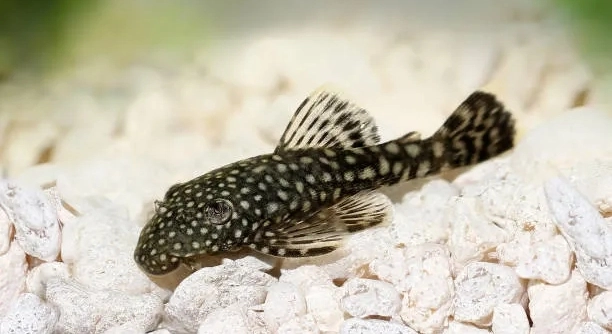
Plecos are a popular addition to many aquariums, known for their ability to help keep tanks clean. Regular cleaning of plecos is essential for their health and well-being, as well as the overall cleanliness of your tank.
Skipping pleco cleanings can lead to a buildup of waste, algae, and other debris in the aquarium, affecting water quality. Over time, this can harm the pleco’s health and lead to imbalanced tank conditions.
Understanding the consequences of neglecting pleco cleanings will help you maintain a healthier aquarium and prevent potential issues down the road.
Why Pleco Cleanings Are Important
Cleaning your pleco is more than just a task; it’s essential for maintaining the health of both the fish and your aquarium. Plecos are natural cleaners, but they can’t handle everything on their own. Over time, algae, waste, and food particles can build up in the tank. If left unchecked, this can lead to poor water quality, which affects the pleco’s health and the other inhabitants of the aquarium. Regular cleaning prevents excess waste from building up on the pleco’s body and in the tank. It also ensures that harmful bacteria or parasites don’t develop, which can cause infections or other health problems.
In addition to physical health, regular cleaning also keeps the tank looking its best. Clear, clean water is crucial for an aesthetically pleasing aquarium environment.
Neglecting pleco cleanings can lead to noticeable changes in your aquarium. Algae growth will increase, and the water quality may start to decline, causing stress on the fish.
Signs Your Pleco Needs a Cleaning
If your pleco is becoming visibly dirty or if the water in your aquarium looks cloudy, it’s likely time for a cleaning. A pleco’s skin can gather algae and debris, affecting its movement and overall health. Regular cleaning ensures it remains healthy and active.
You might notice your pleco spending more time at the tank’s bottom or hiding. This behavior can signal that it’s struggling with the build-up of debris on its body. If the water looks murky or the smell has changed, it’s a sign the tank needs cleaning. Not addressing these issues can lead to worse water conditions and an unhealthy pleco.
Taking proactive steps to clean your pleco will improve its comfort and health, reducing stress on both the fish and the tank’s ecosystem. Clean plecos contribute to the stability of the entire aquarium.
Effects of Skipping Regular Pleco Cleanings
When you skip pleco cleanings, waste builds up quickly, affecting both the pleco and its environment. A dirty pleco is more prone to infections, skin issues, and parasites. In the long term, neglecting cleanings can lead to a decrease in the pleco’s lifespan.
The algae and debris that collect on your pleco’s body can hinder its ability to swim properly. This might also lead to skin infections if left untreated. In some cases, it could even cause an imbalance in the fish’s natural gut bacteria, leading to digestive issues. Over time, the health of the pleco will deteriorate, and it will become less active. The once vibrant fish might become sluggish and lose its appetite.
The water quality in the tank also suffers without regular cleanings. As waste accumulates, ammonia and nitrate levels increase, creating toxic conditions. This can harm all fish in the tank, not just the pleco. Without proper cleaning, the entire ecosystem will start to fall apart, making it harder to fix the issues down the road.
How to Clean Your Pleco Effectively
Cleaning your pleco is a simple process that doesn’t require much effort but should be done regularly. Start by gently removing the pleco from the tank using a net. It’s important to handle it carefully to avoid stress. Once the pleco is out, rinse it under clean aquarium water to remove algae or debris stuck on its skin.
After cleaning the pleco, you should also check the tank. Use an algae scraper to remove algae from the tank’s surfaces. Vacuum the substrate to remove any food or waste that’s settled at the bottom. Make sure the water is clear and that the filtration system is working well. It’s crucial to avoid using any soaps or chemicals while cleaning the pleco or the tank. These can harm both the pleco and other fish.
If your pleco’s skin is covered in a heavy layer of algae or debris, use a soft brush or sponge to gently scrub it off. Avoid scrubbing too hard to prevent injury. Once cleaned, return the pleco to the tank and check the water’s quality to ensure everything is in balance. Regular monitoring and cleaning help maintain a healthy aquarium environment.
Common Mistakes to Avoid During Pleco Cleanings
One common mistake is using chemical cleaners on your pleco or tank. These chemicals can harm your fish and the delicate ecosystem. Always stick to aquarium-safe products when cleaning.
Another mistake is cleaning the pleco too roughly. Being too aggressive can cause injury or stress. It’s important to be gentle, as plecos are sensitive creatures. Handle them with care and avoid unnecessary handling.
How Often Should You Clean Your Pleco?
The frequency of cleaning your pleco depends on the tank’s size and how active your pleco is. Generally, cleaning your pleco every 1-2 weeks is sufficient. However, if your tank has a lot of algae growth or waste buildup, you might need to clean it more often. Regular checks will help you figure out what works best.
You should also monitor your pleco’s behavior and appearance. If the pleco starts to look dirty or sluggish, it’s time for a cleaning.
Maintaining Tank Water Quality
Maintaining water quality is essential for both your pleco and other fish. Regular water changes, along with keeping the filtration system clean, will help maintain healthy conditions. Be sure to test the water regularly for ammonia, nitrites, and nitrates. Keeping the water stable is key to preventing problems.
FAQ
How do I know if my pleco needs cleaning?
If your pleco has visible algae or debris on its body, it’s time for a cleaning. You should also keep an eye out for any changes in behavior, such as increased hiding or sluggishness. If the water quality in the tank starts to decline, it’s a sign the pleco might need a cleaning. Regular monitoring will help you catch any issues before they get too serious.
Can I clean my pleco with soap or chemical cleaners?
No, you should never use soap or chemical cleaners on your pleco or aquarium. These substances can be harmful to fish and upset the balance of your tank’s ecosystem. Always use water from the tank to rinse your pleco or gently scrub its skin with a soft brush to remove any debris. Only use aquarium-safe products when cleaning the tank or accessories.
What happens if I skip cleaning my pleco?
Skipping cleanings can lead to a buildup of waste and algae on your pleco’s skin, which can cause infections or skin damage. Over time, dirty water from excess waste can lower the tank’s oxygen levels, making it harder for your pleco to breathe. Skipping cleanings also affects the tank’s overall water quality, which can stress your pleco and other fish. Regular cleanings help prevent these issues and maintain a healthy aquarium.
How often should I clean my pleco?
Cleaning your pleco every 1-2 weeks is generally enough, depending on the size of your tank and how much algae and debris build up. If your pleco produces a lot of waste or if your tank has excessive algae growth, more frequent cleanings may be needed. Monitoring the water quality and your pleco’s health will guide how often you clean it.
Can cleaning my pleco cause it stress?
Yes, cleaning your pleco can cause stress if not done gently. Plecos are sensitive, and rough handling can lead to stress or injury. Always use a soft net to remove your pleco from the tank and handle it with care. The cleaning process should be as brief and gentle as possible to reduce stress. If your pleco seems particularly stressed, try to make the cleaning process quicker and less invasive.
What should I do if my pleco has skin damage or infection?
If your pleco shows signs of skin damage or infection, you should clean the affected area gently with aquarium water and seek advice from an aquarium vet. In some cases, a salt bath can help treat mild infections, but be careful with this method. If the problem persists, a visit to a specialist may be necessary to ensure the infection doesn’t worsen. Regular cleaning can help prevent these issues from developing.
Is it necessary to clean my tank when cleaning my pleco?
While it’s not always necessary to clean the entire tank during every pleco cleaning, it’s a good idea to do so every few weeks. Regular tank cleaning helps maintain water quality and reduces the amount of algae and waste in the environment. Vacuuming the substrate, cleaning the filter, and wiping down surfaces will keep your tank in good condition and prevent the buildup of harmful substances that can affect your pleco’s health.
Should I clean my pleco if it’s hiding a lot?
If your pleco is hiding more than usual, it could indicate stress or poor water quality. It’s a good idea to check the tank’s water parameters and clean the pleco if necessary. Sometimes, hiding is a sign that the pleco is uncomfortable due to algae or waste buildup on its body. Cleaning the pleco and improving the tank conditions can help reduce stress and encourage normal behavior.
Can I use a sponge to clean my pleco?
Yes, you can use a soft sponge to clean your pleco, but avoid any abrasive materials that might scratch or injure its skin. The sponge should only be used gently to remove algae or debris from the pleco’s body. Be sure to rinse the sponge with clean aquarium water before using it to avoid introducing any harmful substances. Never use sponges with cleaning chemicals on them, as they can harm your pleco.
How do I keep my pleco’s tank clean without cleaning it too often?
One way to reduce the frequency of cleaning your pleco is by maintaining good filtration and water circulation. High-quality filters that remove waste and help maintain water quality can reduce the amount of cleaning needed. You can also introduce plants or other tank mates that help keep algae under control. Regular water changes, without disturbing the pleco too often, will also help keep the tank clean. Regular maintenance, like removing uneaten food or waste from the substrate, will also make the job easier.
Does my pleco need to be cleaned if it’s eating algae from the tank?
Even though plecos eat algae and help keep the tank cleaner, they still need occasional cleaning. They can’t remove all the algae or debris that builds up on their skin. In addition, the algae they eat might not cover all areas of their body, so some cleaning is still necessary. Keeping up with pleco cleanings ensures they stay healthy and free from infections or skin issues caused by leftover algae.
Can I clean my pleco if I have other fish in the tank?
Yes, you can clean your pleco even if you have other fish in the tank. However, you should be careful not to disturb the other fish too much. It’s best to remove the pleco gently with a net and clean it outside the tank. After cleaning, return the pleco to the tank quickly to minimize stress. Make sure that all other fish are still healthy by checking the water parameters and tank conditions during the cleaning process.
Final Thoughts
Taking care of your pleco means more than just feeding it; regular cleaning is crucial to keep it healthy. Plecos naturally help with algae control in your aquarium, but they still need your help to stay clean and free from debris. Without regular cleaning, their health can deteriorate, and the overall tank environment can suffer. By staying on top of pleco cleanings, you ensure a healthy and balanced aquarium for all the fish, not just the pleco. Regular cleanings also help maintain the beauty of your tank, keeping the water clear and free from excess waste.
It’s important to remember that cleaning your pleco doesn’t have to be a difficult task. By following a few simple steps, you can keep your pleco healthy without causing it too much stress. Be gentle and avoid using harsh chemicals or tools. Handling your pleco carefully and using soft brushes or sponges will make the cleaning process easier for both of you. Also, keep in mind that your pleco’s needs will change over time. Some plecos are more active or produce more waste, requiring more frequent cleanings. Keep an eye on the water quality and the pleco’s condition to decide how often you should clean it.
In the end, taking the time to clean your pleco and maintain your tank properly will pay off. Healthy plecos are not only more attractive, but they also contribute to the overall well-being of the entire aquarium. Clean tanks reduce stress for all fish and encourage better growth and behavior. Proper cleaning routines ensure that your pleco stays happy and active, which in turn helps maintain a thriving aquatic environment. By staying consistent and attentive, you’ll create a peaceful and beautiful space for your pleco and all your other aquatic creatures.

Hello,
If you enjoy the content that we create, please consider saying a "Thank You!" by leaving a tip.
Every little bit helps us continue crafting quality advice that supports the health, happiness, and well-being of pets around the world, for pets of all shapes, sizes, and species.
We really appreciate the kindness and support that you show us!