
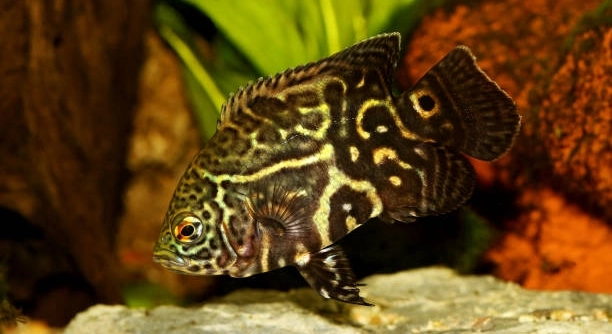
Oscar fish are a popular choice for aquarium enthusiasts due to their vibrant colors and unique personalities. However, knowing how much to feed them can be tricky. Overfeeding is a common concern among fish owners.
Overfeeding an Oscar fish can lead to several health issues, such as obesity, water quality problems, and digestive issues. Excess food breaks down in the tank, causing ammonia spikes, which can stress the fish and harm the entire aquarium environment.
Understanding the potential risks of overfeeding your Oscar fish is key to maintaining a healthy tank. Proper feeding habits can prevent these issues and contribute to your fish’s overall well-being.
What Happens When You Overfeed an Oscar Fish?
Overfeeding an Oscar fish can lead to a variety of problems that affect their health and the overall quality of the aquarium environment. The most immediate issue is obesity. When the fish consume more food than they can digest or use for energy, the excess calories turn into fat. This can lead to a sluggish, overweight fish that has trouble swimming properly. On top of that, the excess food left in the tank decays, contributing to an increase in harmful substances like ammonia and nitrates, which can deteriorate water quality. As a result, this not only harms your Oscar fish but also the other inhabitants of the aquarium.
Excessive feeding can also affect the Oscar’s digestive system. An overfed fish may struggle to process the food properly, leading to bloating and constipation. When the digestive tract becomes overwhelmed, it may also become more susceptible to infections and parasites. It is crucial to regulate the amount of food your fish consumes.
The imbalance caused by overfeeding doesn’t stop at just the Oscar itself. As uneaten food breaks down, it can pollute the water. Ammonia, for example, is a toxic substance that can quickly build up, making the water unsafe for all aquarium residents. Regular water changes may help, but they can’t fully compensate for overfeeding. Keeping the tank clean and maintaining stable water quality is essential for the long-term health of your fish.
Signs Your Oscar Fish Is Overfed
Oscar fish have a unique way of expressing discomfort from overfeeding. You may notice that your Oscar fish becomes less active and appears lethargic after meals. They may also have a distended belly, which is a sign of obesity or bloating.
If your Oscar has become overweight due to overfeeding, its behavior will reflect this. You might notice it swimming slower than usual or struggling to move around. This can affect their interaction with the environment and even stress them out. The excess food leads to a buildup of waste in the water, which further affects the fish’s health.
How Overfeeding Affects Water Quality
Overfeeding an Oscar fish directly impacts water quality. Excess food decays and releases toxins like ammonia, which can quickly build up in the tank. This creates a dangerous environment for your fish, leading to poor health and stress. As the water quality worsens, other tank inhabitants may suffer as well.
The increased ammonia levels can lead to problems like fin rot and other diseases. Poor water quality can also affect your fish’s immune system, making them more vulnerable to infections. If not addressed, these issues could eventually lead to irreversible damage to your tank’s ecosystem and the well-being of your fish.
Additionally, high nitrate levels from decaying food can cause algae blooms. These blooms can block light from reaching your plants and cause even further imbalances in the tank. Regularly monitoring water conditions and performing water changes is essential to prevent such issues from developing.
How to Prevent Overfeeding Your Oscar Fish
To avoid overfeeding your Oscar fish, feed them small amounts twice a day, making sure they can consume the food within a few minutes. Only offer what they can eat in a short period of time to prevent leftover food from decaying.
It’s important to observe your fish after feeding to make sure they are not struggling with digestion or becoming sluggish. Keeping track of feeding habits can also help you adjust portions as needed. If your Oscar is not eating as much on a given day, adjust accordingly and avoid overloading the tank with extra food. Consistent feeding schedules promote a balanced diet and help maintain proper tank conditions.
How to Identify Overfeeding in Your Oscar Fish
If your Oscar fish is overfed, you may notice a few signs. One of the most noticeable indicators is a bloated belly. This is a clear sign that your fish is struggling with excess food. Lethargy and decreased swimming activity are also common.
It’s also important to monitor your Oscar’s behavior closely. Overfed fish tend to become more sedentary and may show disinterest in interacting with their environment. If you notice these behaviors, it’s a good idea to reduce the amount of food you’re offering and adjust their feeding routine accordingly.
The Impact of Overfeeding on Your Oscar’s Health
Overfeeding can lead to serious health problems for your Oscar fish, such as constipation, obesity, and digestive issues. When the fish eat more than they need, they often have trouble processing the extra food, leading to bloating and discomfort. The digestive system becomes stressed.
Additionally, overfed Oscars are more prone to developing internal infections. The excess food breaks down slowly, making it harder for your fish to digest properly. This also weakens their immune system and can leave them vulnerable to other health issues. Regular monitoring is essential.
The Importance of Proper Feeding
Proper feeding is essential to maintaining a healthy Oscar fish. Overfeeding can cause serious damage to their digestive system, health, and the aquarium environment. Keeping portions controlled will ensure your fish live a long, healthy life. Regular observation and care will prevent long-term problems.
FAQ
What is the best feeding schedule for an Oscar fish?
An Oscar fish should be fed once or twice a day. You should give them small amounts of food they can consume within 2 to 3 minutes. This helps prevent overfeeding and ensures that they are getting the right amount of nutrition. It’s important to avoid leaving uneaten food in the tank as it can decay and harm the water quality.
How much should I feed my Oscar fish?
A good rule of thumb is to feed your Oscar fish an amount of food that fits inside its mouth. They should be able to eat it all within a few minutes. Avoid giving them too much at once, as overfeeding can lead to obesity and poor water quality in the tank. If your fish seems to be consistently overeating, consider cutting back on portions or reducing feeding times.
Can overfeeding cause stress in Oscar fish?
Yes, overfeeding can cause stress in Oscar fish. When they eat too much, their digestive systems become overloaded, leading to discomfort and sluggishness. The accumulation of uneaten food in the tank also affects the water quality, which can stress the fish further. Stress can weaken their immune system, making them more susceptible to diseases.
How do I know if I’m feeding my Oscar fish too much?
You’ll know if you’re overfeeding your Oscar if you see signs like a bloated belly, sluggish movement, or if the fish seems disinterested in food after eating. Additionally, if the water quality is degrading quickly or if there’s uneaten food in the tank, you may be overfeeding. It’s important to adjust the portion sizes accordingly and monitor their activity closely.
What happens to the water quality when I overfeed an Oscar?
Overfeeding an Oscar fish leads to excess food decaying in the tank. This decaying process releases ammonia, nitrates, and other toxins, which can degrade the water quality and harm all tank inhabitants. Poor water quality can lead to algae blooms, cloudy water, and health problems for the fish. Regular water changes and monitoring of water parameters like ammonia and nitrate levels are essential to maintaining a healthy tank.
Can overfeeding lead to obesity in Oscar fish?
Yes, overfeeding can lead to obesity in Oscar fish. When they consume more food than they need, their bodies store the excess as fat. Obesity can lead to a variety of health problems, such as decreased mobility, reduced lifespans, and difficulties with swimming. Overfed Oscars may also develop more serious health conditions like fatty liver disease.
What should I do if my Oscar is constipated from overfeeding?
If your Oscar is constipated due to overfeeding, you can try fasting them for 1 to 2 days to give their digestive system a break. You can also offer them a diet that includes high-fiber foods like peas (after removing the skins) to help with digestion. If constipation persists, it’s a good idea to consult with a vet who specializes in fish care.
Is it safe to feed Oscar fish frozen food?
Yes, feeding your Oscar fish frozen food is safe as long as it is properly thawed before being offered. Frozen food like shrimp, bloodworms, and other fish-specific varieties can provide great nutrition. However, you should avoid overfeeding, even with frozen food, as it can still cause the same water quality issues and health problems when offered in excess.
How can I reduce the risk of overfeeding my Oscar fish?
To reduce the risk of overfeeding, follow a strict feeding schedule and give them only the amount of food they can consume within a few minutes. Observe their eating habits closely, and avoid giving them food that they can’t finish. It’s helpful to track the amount of food you offer each time to ensure consistency and prevent excess.
Can overfeeding my Oscar fish cause water filter problems?
Yes, overfeeding can lead to problems with the water filter. When excess food decays, it releases particles that can clog the filter. This puts additional strain on the filtration system and can make it less effective at maintaining water quality. To prevent this, regularly clean the filter and ensure it’s in good working condition.
Final Thoughts
Taking care of an Oscar fish requires attention to detail, especially when it comes to feeding. Overfeeding is a common issue that many fish owners face, but it’s important to understand its impact on the health of your fish and the overall tank environment. While it might be tempting to feed your Oscar fish extra food, doing so can cause a variety of problems, including obesity, digestive issues, and poor water quality. These issues not only affect the fish’s health but also create a challenging environment for other tank inhabitants.
To keep your Oscar healthy and your tank balanced, it’s crucial to develop a consistent feeding routine. Stick to feeding them small portions, ideally twice a day, and make sure they can consume all the food within a few minutes. If you notice any leftover food, remove it from the tank to prevent it from decomposing and polluting the water. It’s also important to pay attention to your fish’s behavior after meals. If they become sluggish or bloated, it may be a sign that you’re overfeeding them. Adjusting their portions and observing their activity can help ensure they stay in good health.
In addition to regulating feeding, maintaining proper water quality is equally important. Regular water changes, monitoring ammonia and nitrate levels, and keeping the tank clean will help support your Oscar’s well-being. With the right balance of feeding and water care, your Oscar fish can thrive and live a long, healthy life. Proper feeding habits not only benefit your fish but also create a healthier environment for all the creatures in your tank. By avoiding overfeeding and staying mindful of their needs, you’ll be providing the best care possible for your Oscar.

Hello,
If you enjoy the content that we create, please consider saying a "Thank You!" by leaving a tip.
Every little bit helps us continue crafting quality advice that supports the health, happiness, and well-being of pets around the world, for pets of all shapes, sizes, and species.
We really appreciate the kindness and support that you show us!