
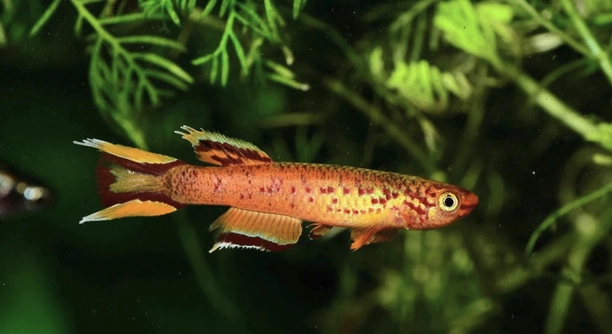
Keeping killifish in a home aquarium can be rewarding, but overcrowding is a common issue many hobbyists face. These small, colorful fish need adequate space to thrive and maintain healthy behavior. Overcrowding can impact their wellbeing in various ways.
Overcrowding killifish leads to increased stress, aggression, and competition for resources. This environment can reduce growth rates, weaken immune systems, and cause higher mortality rates. Proper stocking density is essential to maintain a balanced and healthy aquarium.
Understanding the effects of overcrowding will help you create a better environment for your killifish and support their long-term health and vitality.
Effects of Overcrowding on Killifish Behavior and Health
Overcrowding killifish creates a stressful environment that changes their normal behavior. When too many fish share a small space, aggression tends to increase. Killifish may nip at each other’s fins or chase one another more often. This leads to injuries and weakened defenses against disease. Stress from overcrowding also lowers their immune response, making them vulnerable to infections. In addition, competition for food becomes intense, with some fish eating more than others while some go hungry. This imbalance affects growth and overall vitality. Poor water quality often accompanies overcrowding, as waste builds up quickly and toxins increase. These combined factors reduce the lifespan and quality of life for killifish in cramped tanks. Maintaining a balanced population size is crucial for healthy social interaction, disease prevention, and stable water conditions. This promotes a peaceful and thriving aquarium for your killifish.
Keeping the tank clean and monitoring fish behavior regularly can prevent problems caused by overcrowding.
Proper tank size and stocking limits are key to supporting killifish wellbeing.
Managing Tank Conditions to Prevent Overcrowding Issues
Monitoring water quality is critical when keeping killifish, especially in crowded tanks. Frequent water changes help reduce harmful waste buildup. Use a good filtration system to maintain clear, oxygen-rich water. Avoid feeding too much, as leftover food worsens water quality. Adding plants and hiding spots can reduce stress by offering shelter and breaking line of sight between aggressive fish. Proper aeration also supports fish health by increasing oxygen levels. When possible, increase tank size or reduce the number of fish to ease overcrowding. Regularly check for signs of disease or injury. Early intervention prevents minor problems from becoming serious. Keeping these conditions in balance supports killifish health, encourages natural behavior, and reduces stress-related illnesses. Thoughtful tank management ensures your killifish live comfortably, even in smaller spaces.
Planning your aquarium setup with space and care in mind improves killifish longevity and happiness.
Signs of Overcrowding in Killifish Tanks
Overcrowded killifish tanks often show increased aggression and constant chasing. Fish may appear lethargic or hide more frequently. Poor water clarity and foul odors are common, signaling excess waste and insufficient filtration.
Behavioral changes like fin damage and loss of color are early signs. When fish compete for limited space, stress hormones rise, affecting their immune system. You may notice some killifish refusing food or showing erratic swimming patterns. Physical injuries from fights can lead to infections if untreated. Monitoring water parameters such as ammonia and nitrite levels is essential to detect overcrowding effects. Keeping track of these signs helps prevent serious health issues and keeps the tank environment balanced.
Regular observation is key to catching overcrowding problems before they escalate and affect your entire killifish population.
Adjusting Stocking Levels for Better Killifish Health
Reducing the number of killifish in a tank can dramatically improve their wellbeing. Aim for a density that allows each fish enough personal space to swim freely without constant interaction. A good rule is one inch of fish per gallon of water, but some species may require more space.
Removing excess fish can lower stress and aggression, giving killifish time to recover from previous injuries. It also helps stabilize water quality, reducing toxins and promoting a healthier environment. Introducing plants or decorations can further break up sight lines, lessening confrontations. If space is limited, consider upgrading to a larger tank to provide ample room. Proper stocking balances social needs and environmental conditions, leading to stronger, more vibrant killifish.
Making thoughtful adjustments in stocking helps maintain a peaceful, thriving aquarium that supports long-term fish health.
Preventing Overcrowding from the Start
Choosing the right tank size before adding killifish helps avoid overcrowding. Research species’ space needs carefully. Proper planning saves stress later.
Start with fewer fish than the tank can hold. This allows room for growth and reduces aggression, keeping the environment stable and healthy.
Feeding Practices in Crowded Tanks
Feeding killifish in overcrowded conditions requires care to prevent competition and water pollution. Offer small, frequent meals to ensure all fish get food without excess leftovers. Uneaten food decomposes quickly, harming water quality and increasing stress levels. Using sinking pellets or live food can help distribute nutrition more evenly.
Providing a varied diet supports immune health, helping killifish resist illness caused by overcrowding stress. Regular observation during feeding times identifies weaker fish needing extra care. Adjusting feeding practices reduces aggressive behavior tied to food scarcity and promotes peaceful coexistence.
Benefits of Proper Tank Maintenance
Routine cleaning and water changes are vital for overcrowded tanks. Consistent maintenance prevents toxic buildup and supports fish health.
Keeping filters clean enhances water flow, improving oxygen levels and waste removal in dense environments.
FAQ
What is the ideal number of killifish per gallon?
A good rule of thumb is one inch of fish per gallon of water, but this can vary depending on the species. Some killifish require more space due to their activity levels and territorial behavior. It’s better to start with fewer fish and add more cautiously. Providing enough swimming room helps reduce stress and aggression.
How can I tell if my killifish tank is overcrowded?
Signs of overcrowding include constant chasing, fin damage, lethargy, and poor water quality. If your tank water is cloudy or has a foul smell, this could also indicate too many fish producing excess waste. Monitoring fish behavior and water parameters regularly will help you spot overcrowding early.
What are the main problems caused by overcrowding killifish?
Overcrowding increases stress, which weakens immune systems and leads to higher risk of disease. Aggression rises, causing injuries and fin rot. Poor water quality from excess waste can lead to toxic ammonia and nitrite buildup, making fish sick or even causing death. Growth rates may slow, and overall vitality decreases.
How often should I change water in an overcrowded tank?
In crowded tanks, water changes should be done more frequently—typically 25-30% every week or even twice a week. This helps remove toxins and keeps water conditions stable. Using a good filtration system alongside water changes is important to maintain balance.
Can overcrowding affect killifish breeding?
Yes, overcrowding can prevent successful breeding. Stress and aggression reduce spawning behavior, and eggs or fry may be eaten by adults in a cramped environment. Providing enough space and hiding places is essential for breeding success.
What tank size is recommended for killifish?
Tank size depends on the species, but a minimum of 10 gallons is recommended for a small group. Larger tanks allow for more stable water conditions and better social dynamics. Bigger tanks reduce stress and provide room for plants and decorations, which help keep fish calm.
Are there any signs of stress in killifish?
Signs of stress include faded coloration, hiding frequently, rapid breathing, and loss of appetite. Stressed killifish may swim erratically or isolate themselves. Stress often comes from overcrowding, poor water quality, or aggressive tankmates.
How can I reduce aggression in a crowded killifish tank?
To reduce aggression, add plants and decorations to break sight lines and create territories. Feeding small amounts frequently also lowers competition. Removing the most aggressive fish or increasing tank size helps create a calmer environment.
Is filtration more important in an overcrowded tank?
Yes, filtration is critical in crowded tanks because it helps remove waste and toxins more efficiently. A strong filter maintains oxygen levels and water clarity, supporting fish health despite higher bioload.
What should I do if my killifish show signs of disease due to overcrowding?
If disease appears, isolate affected fish if possible and perform water changes to improve conditions. Use appropriate medications based on symptoms. Improving tank conditions and reducing fish numbers are key to preventing recurring problems.
Overcrowding killifish can cause several problems that affect both their health and behavior. When too many fish share a small space, they experience stress, which makes them more vulnerable to diseases and injuries. Stress also increases aggressive behavior, leading to fights and damage to fins or scales. In addition, overcrowding often results in poor water quality because waste builds up quickly, creating harmful conditions. These factors combined reduce the overall lifespan and quality of life for killifish in an aquarium. It is important to recognize these issues early and take steps to prevent overcrowding for the wellbeing of your fish.
Proper tank management plays a key role in avoiding overcrowding problems. Choosing the right tank size and carefully controlling the number of killifish is essential. Providing enough space allows fish to swim freely and establish territories without constant conflict. Regular maintenance, including frequent water changes and good filtration, helps maintain healthy water conditions even when fish density is higher. Adding plants and decorations can also reduce aggression by offering hiding spots and breaking up the visual space. Attention to feeding practices is important as well, ensuring all fish receive proper nutrition without polluting the water. These measures create a more balanced and peaceful environment for killifish to thrive.
Taking care to prevent overcrowding is not only about fish numbers but also about creating a healthy habitat. Monitoring fish behavior and water quality regularly will help catch issues before they become serious. Reducing the population or upgrading to a larger tank when needed supports long-term health and reduces stress. Keeping killifish in a suitable environment promotes natural behaviors, better growth, and stronger immune systems. By managing these factors carefully, you ensure your killifish live comfortably and display their best colors and activity. This careful attention helps maintain a stable and enjoyable aquarium for both the fish and the keeper.

Hello,
If you enjoy the content that we create, please consider saying a "Thank You!" by leaving a tip.
Every little bit helps us continue crafting quality advice that supports the health, happiness, and well-being of pets around the world, for pets of all shapes, sizes, and species.
We really appreciate the kindness and support that you show us!