
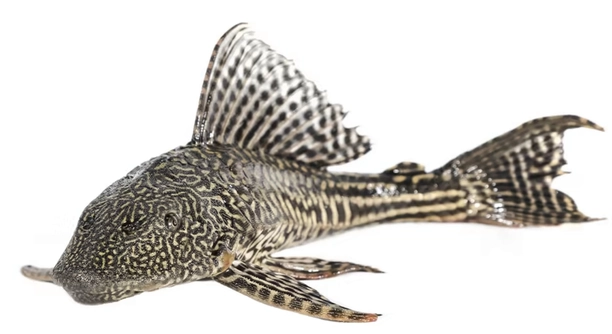
Many people choose plecostomus as aquarium pets because of their helpful algae-eating habits. However, ensuring they receive proper care and nutrition is vital for their well-being. A lack of food can have serious consequences for these creatures.
If you never feed a plecostomus, it will eventually suffer from malnutrition. Without food, it will lose energy, leading to weakened immune function, organ failure, and, ultimately, death. A plecostomus requires a balanced diet to thrive.
Understanding how important nutrition is for your plecostomus will help you provide better care for this unique aquarium species.
Why Proper Feeding Is Essential for Plecostomus
Plecostomus, often known as plecos, play a vital role in aquariums by keeping algae under control. They are primarily herbivores, but their diet can also include some protein sources, such as sinking pellets, fresh vegetables, and occasionally small amounts of meat. Without regular feeding, plecos become weak, lose their appetite, and begin to deteriorate quickly. They rely on the nutrients provided in their diet to stay healthy, maintain their size, and carry out natural behaviors. A pleco without food will struggle to thrive, affecting both its health and the ecosystem of the tank.
Feeding your plecostomus the right food is critical for keeping it healthy and active. Offering a variety of foods, including algae wafers and fresh vegetables, will meet its nutritional needs.
A pleco’s diet not only influences its size but also its ability to interact with the environment around it. Plecos are often seen grazing on surfaces, which helps keep algae levels in check. This feeding habit also prevents other aquarium plants from being overrun by algae growth, which can affect the entire tank’s balance. If a pleco is not fed, it may fail to perform these natural functions, leading to an overgrowth of algae and an unhealthy tank ecosystem.
What Happens When a Plecostomus Isn’t Fed Regularly?
When a plecostomus is not fed regularly, the consequences are noticeable in its behavior and appearance. It may stop moving around as actively, as it does not have the energy needed to swim and explore. This leads to a reduced activity level, and the pleco may even become lethargic, which can be an early sign of malnutrition. If left untreated, the lack of nutrients can lead to serious health problems, including organ failure. In severe cases, the pleco can die from starvation.
Starvation affects the pleco’s internal organs, slowing down metabolic processes. This can result in poor growth, weight loss, and a weakened immune system, making the fish more susceptible to diseases. Regular feeding ensures the pleco remains strong and healthy.
Over time, the lack of proper nutrients leads to a weakened immune system in plecostomus. With no food to sustain its body, the pleco is unable to fight off infections or heal wounds. It also becomes vulnerable to environmental stressors, such as poor water quality, which can lead to further complications. Ensuring a well-balanced diet keeps your pleco’s immune system functioning optimally, helping it stay resilient against such challenges.
Signs of Malnutrition in Plecostomus
A malnourished plecostomus will show clear signs of distress. It may appear thinner than usual, with its body losing the fullness it had when properly fed. Additionally, a lack of appetite or refusal to eat can indicate something is wrong. The pleco may also become more lethargic, not moving around as much.
Plecostomus usually have a strong, healthy appearance when properly fed, but malnutrition causes them to lose their natural vigor. They may develop a sunken belly, which is a clear sign that they are not receiving adequate nutrients. As their body weakens, they may struggle to maintain their typical algae-cleaning behavior.
A plecostomus can also develop cloudy eyes and faded coloring when malnourished. These physical signs are often the result of nutrient deficiencies. In the worst-case scenario, the pleco may experience organ failure or even death if left without proper nutrition for too long. Immediate action is required when these signs appear.
Impact on Aquarium Ecosystem
When a plecostomus is not fed, it fails to do its part in controlling algae. This leads to an increase in algae growth that can overwhelm the tank, making it look dirty and affecting the health of other aquatic life. Without algae grazing, the ecosystem becomes imbalanced, resulting in poor water quality.
Algae can quickly become a problem when plecos are underfed. As they stop eating, the algae population skyrockets, clouding the water and suffocating plants. This lack of algae control means more cleaning is required to maintain the tank’s aesthetic and health. The additional nutrients created by overgrown algae can also contribute to harmful bacteria growth.
In an aquarium, the plecostomus plays an important role in keeping the tank’s environment stable. When they are underfed, not only does the water quality suffer, but other fish can experience a decline in health. Tank mates may be more exposed to diseases, and the tank’s balance can be thrown off completely. Regularly feeding plecos ensures the entire tank ecosystem thrives.
Feeding Habits to Prevent Malnutrition
Plecostomus thrive on a diet that includes a mix of algae wafers, fresh vegetables, and occasional protein sources. Feeding them sinking pellets or algae wafers ensures they get the nutrients needed to stay healthy. Fresh vegetables, like zucchini and spinach, can also be provided to maintain variety.
It’s essential to feed plecostomus during the evening when they are most active. This mimics their natural feeding patterns, as they are nocturnal. Offering small amounts at a time prevents overfeeding and ensures they consume the food provided. Regular feeding prevents them from becoming malnourished.
Water Quality and Its Effect on Feeding
Water quality directly impacts how well your plecostomus can digest food. If the water is dirty or unbalanced, your pleco may struggle to eat, resulting in malnutrition. Proper filtration and regular water changes help keep the tank clean and ensure the pleco’s digestive system works efficiently.
Poor water quality can lead to stress, which reduces a pleco’s appetite and energy levels. A well-maintained tank supports healthy feeding habits and boosts the immune system. Without clean water, even a balanced diet can become ineffective, as plecos will not be able to absorb the nutrients properly.
Plecostomus and Tank Mates
Tank mates can affect a plecostomus’s feeding habits. Aggressive fish may prevent the pleco from accessing food, while peaceful tank mates generally allow them to feed in peace. It’s crucial to place plecos with compatible species to avoid food competition.
A harmonious tank environment encourages healthy feeding routines and reduces stress. When plecos are not stressed, they are more likely to eat well and perform their natural algae-cleaning duties. Choosing the right tank mates is just as important as providing the correct food for the health of your plecostomus.
FAQ
What should I feed my plecostomus to keep it healthy?
Plecostomus thrive on a diet that includes a variety of algae-based foods, such as algae wafers or pellets. You can also offer fresh vegetables like zucchini, spinach, and cucumber. For additional protein, occasional sinking pellets or small pieces of shrimp can be added. Offering different types of food ensures they get the necessary nutrients to stay strong and healthy.
How often should I feed my plecostomus?
Plecostomus should be fed every day, but the amount varies based on their size and tank environment. Typically, a small amount of food should be offered in the evening, as plecos are nocturnal feeders. It’s better to feed small portions daily rather than large amounts to avoid overfeeding.
Can plecostomus survive without food for a few days?
Plecos can survive for a short period without food, but it is not advisable to leave them unfed for long. Without regular feeding, they will lose energy and may become weak. If they go without food for too long, they may suffer from malnutrition and weakened immune systems, which can lead to severe health problems.
How can I tell if my plecostomus is not eating enough?
Signs of a malnourished plecostomus include weight loss, a sunken belly, and decreased activity levels. If your pleco becomes lethargic or refuses to eat, it’s likely not getting enough food. In some cases, a pleco may also show faded colors or cloudy eyes, which are signs of nutritional deficiency.
What happens if I overfeed my plecostomus?
Overfeeding can lead to poor water quality, which can harm both the plecostomus and other tank inhabitants. Excess food can cause a buildup of uneaten particles in the water, leading to excess ammonia and nitrate levels. This can result in stress for your pleco, which may affect its health. Overfeeding also encourages the growth of harmful bacteria in the tank.
Can plecostomus eat just algae?
Algae forms an essential part of a plecostomus’s diet, but it should not be the only food offered. While plecos are primarily herbivores and rely on algae for sustenance, they require a balanced diet that includes fresh vegetables and occasional protein sources to maintain optimal health. A diverse diet prevents malnutrition and ensures they get the nutrients they need.
Is it okay to feed plecostomus cucumber?
Cucumber is an excellent food choice for plecostomus. It is rich in water and low in calories, providing hydration and fiber. Slice the cucumber into thin pieces and remove any seeds to avoid digestion issues. Offer it as part of a varied diet to meet their nutritional needs.
How can I prevent my plecostomus from eating too much algae?
In a tank with excessive algae, it can be difficult for plecostomus to stop feeding. However, you can control algae growth by reducing the amount of light the tank receives and avoiding overfeeding other fish. If the pleco has too much algae, its diet may become unbalanced. Regular cleaning and algae control will ensure that your pleco doesn’t rely solely on algae.
Are plecostomus difficult to care for?
Plecostomus are relatively easy to care for as long as their basic needs are met. Providing a varied and balanced diet, maintaining clean water, and offering appropriate tank mates are the main factors to keep in mind. Regular feeding and monitoring their health can prevent many issues from arising.
Do plecostomus require a lot of space?
Yes, plecostomus require a large tank with enough space to grow. They can reach up to 24 inches in length, so a tank of at least 75 gallons is ideal for an adult pleco. A larger tank allows the pleco to graze freely on algae and move around comfortably. It’s also important to have hiding spots, such as rocks or driftwood, to reduce stress.
Can plecostomus live with other fish?
Plecostomus are generally peaceful and can coexist with most other fish species. However, they should not be kept with aggressive fish, as they may become stressed or injured. Compatible tank mates include peaceful species like tetras, guppies, or other bottom dwellers. Always ensure that there is enough space and food for all inhabitants.
How long do plecostomus live?
In a well-maintained tank with proper care, plecostomus can live for 10 to 15 years. Providing them with a balanced diet, stable water conditions, and enough space for them to grow will help them reach their full lifespan. The longevity of a plecostomus largely depends on the quality of care it receives.
What should I do if my plecostomus is not eating?
If your plecostomus refuses to eat, first check the water quality. Poor water conditions can cause stress, which may result in a loss of appetite. Make sure the water temperature and pH are within the ideal range. Also, ensure that there is no food competition in the tank. If the issue persists, consult a vet specializing in fish care.
Final Thoughts
Taking care of a plecostomus requires attention to detail, but it’s manageable with the right approach. Providing them with a varied diet, including algae wafers, fresh vegetables, and occasional protein sources, ensures they receive the nutrients they need. A healthy, balanced diet promotes strong growth and prevents nutritional deficiencies. Proper feeding, along with maintaining clean water, will help plecos thrive in your tank. The quality of care you provide directly impacts their health and well-being, making it essential to avoid overfeeding and underfeeding.
Water quality plays a significant role in the overall health of your plecostomus. Regular water changes and maintaining an appropriate filtration system are crucial for removing waste and keeping the tank clean. Dirty water can cause stress and disrupt your pleco’s feeding habits. Monitoring water parameters like temperature and pH ensures that the tank is in optimal condition. Along with clean water, it’s important to provide plenty of hiding spots and a space where your pleco can graze on algae. Proper tank mates also contribute to a peaceful environment, which reduces stress and encourages regular feeding.
Finally, understanding your plecostomus’s natural behaviors and needs helps prevent common issues. Plecos are nocturnal, so feeding them at night aligns with their active hours. Be mindful of overfeeding, as excess food can lead to water quality problems and health concerns for your pleco. Monitoring their behavior, appearance, and activity levels gives you insight into their well-being. By keeping their tank clean, offering a proper diet, and maintaining stable conditions, your plecostomus can enjoy a long, healthy life in your aquarium.

Hello,
If you enjoy the content that we create, please consider saying a "Thank You!" by leaving a tip.
Every little bit helps us continue crafting quality advice that supports the health, happiness, and well-being of pets around the world, for pets of all shapes, sizes, and species.
We really appreciate the kindness and support that you show us!