
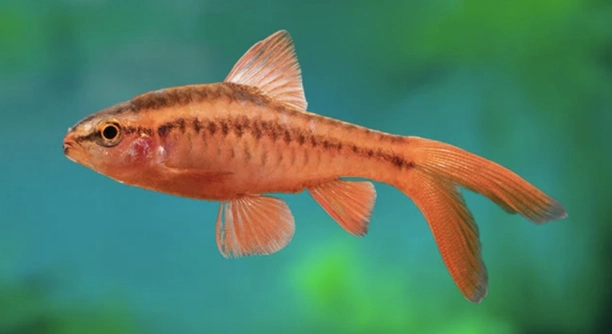
Cherry Barbs are a popular freshwater fish, loved for their vibrant colors and active nature. However, when different strains are mixed, it can lead to some interesting results. Understanding these potential outcomes can help ensure a healthy aquarium environment.
When mixing Cherry Barb strains, there may be variations in coloration, behavior, and overall health due to genetic differences. These differences might result in an unpredictable mix of traits, potentially affecting their compatibility and the stability of your tank.
These factors could influence your tank setup in unexpected ways, making it important to consider the impact of strain mixing. Exploring the effects of Cherry Barb strain combinations can help you make better choices for a harmonious aquarium.
Effects on Coloration
When mixing different Cherry Barb strains, the most noticeable change is in coloration. Each strain has its unique color pattern, ranging from bright reds to pale oranges. The mixing of strains may result in fish with unexpected colors. For instance, one strain may have a darker red, while another could be a lighter shade of orange. Some of these mixed fish may even display a blend of both colors, making them look different from their parents. It’s important to note that color intensity can also vary based on water conditions, lighting, and the overall health of the fish.
The mixing of strains can sometimes lead to unpredictability in how vibrant or dull their colors appear. Fish that inherit a combination of traits might not always have the same striking colors as their parents. This could affect the aesthetic appeal of your tank if you’re aiming for specific color patterns.
It’s also important to remember that some Cherry Barb strains may show more vivid colors when they are well-cared for in the right environment. When mixing strains, you may have fish that are not as colorful or don’t thrive in the same water conditions as others. Paying attention to water temperature, pH levels, and the quality of your tank will go a long way in ensuring that your Cherry Barbs maintain their natural beauty.
Behavior and Social Interactions
Behavior can change when different Cherry Barb strains are mixed. Fish from different strains may have varying temperaments and social needs.
Some Cherry Barbs are more peaceful and shy, while others may be more active or territorial. If you’re mixing strains, it’s essential to observe their behavior carefully. Some fish may get along well with others, but others could exhibit stress or aggression. Keeping an eye on how your fish interact can help avoid potential conflicts, ensuring a peaceful tank.
These behavior differences are often linked to genetic diversity, which affects their social structures and daily interactions. Fish that tend to be more assertive might challenge others for territory, while those that are shy might hide more often. This can result in a tank where some fish thrive, while others struggle to feel secure. To maintain harmony, providing enough space and hiding spots is key. Additionally, mixing strains may influence their overall schooling behavior, with some Cherry Barbs preferring to stay in large groups, while others may tend to wander alone. Ensuring all your fish feel comfortable and safe should always be a top priority.
Health and Vitality
Mixing Cherry Barb strains can sometimes impact the overall health of the fish. Genetic differences can make some strains more resistant to disease, while others may be more vulnerable. This variability could lead to unexpected health issues, especially if the strains are not well-suited to the same water conditions or environment.
Genetic differences between strains can influence how well they cope with stress, disease, and other environmental factors. For example, a more robust strain might be able to handle fluctuations in water temperature or pH, while a more delicate strain may struggle. Mixing strains that have different health tolerances could lead to weaker fish, which might require more attention and care.
If you’re mixing strains, it’s crucial to monitor the overall health of your fish. Be sure to observe any signs of illness or stress, such as fading colors, lethargy, or erratic swimming patterns. Additionally, maintaining stable water conditions, a proper diet, and regular water changes will help support the overall health of your Cherry Barbs, regardless of the strain.
Breeding and Offspring
Breeding Cherry Barbs from different strains might not always produce the desired outcomes. Mixed strains could result in offspring that inherit traits from both parent strains, but it’s not guaranteed that the fish will exhibit the best characteristics of both.
When breeding different strains, you could see a variety of outcomes. Some offspring might inherit strong color traits or certain physical features from one parent, while others may carry genetic traits that are less desirable. Breeding can also increase the likelihood of genetic disorders, depending on the compatibility of the strains involved. Therefore, it’s important to carefully consider which strains to mix if you’re planning to breed them.
Careful selection of breeding pairs is essential to reduce the risk of unwanted traits or health problems. If you’re aiming for specific traits, such as certain colors or body shapes, you may need to selectively breed over several generations. This process helps stabilize the traits you want and minimizes the risk of unpredictable genetic outcomes in the offspring.
Compatibility with Other Tankmates
Mixing Cherry Barb strains can also influence how well they get along with other fish in your tank. Some strains are more peaceful, while others may show aggression toward tankmates, especially if their territories are threatened. This could affect the harmony of your aquarium.
While Cherry Barbs are generally peaceful, different strains may have varying levels of aggression or dominance. A more assertive strain might compete with other fish for space or food. This is particularly true if the tank is small or lacks enough hiding spots. Ensuring your tank is large enough with plenty of plants and decorations will help.
Water Conditions and Maintenance
Water conditions play a significant role in how Cherry Barbs, especially mixed strains, thrive. Different strains may have slightly different needs regarding pH, temperature, and hardness. Not all strains will be comfortable in the same conditions, so adjustments may be necessary.
Maintaining water quality is key for keeping all strains healthy. It’s essential to monitor pH, temperature, and ammonia levels regularly. If mixing strains, ensuring that water parameters remain stable and within the range that all strains can tolerate will help prevent stress and health issues. Regular water changes are vital for maintaining a clean, healthy environment.
FAQ
What happens if Cherry Barb strains are mixed?
Mixing Cherry Barb strains can lead to unpredictable outcomes, affecting color, behavior, and overall health. Different strains have unique genetic traits, and mixing them could produce fish with a combination of these traits. Some may inherit vibrant colors or peaceful behaviors, while others may exhibit duller hues or more aggressive tendencies. It’s important to monitor the fish carefully to ensure they adapt well to the tank environment. The mixing process can also result in fish with varying degrees of disease resistance or vulnerability, depending on their genetic makeup.
Can mixing Cherry Barb strains affect their lifespan?
While mixing Cherry Barb strains doesn’t directly impact their lifespan, the genetic diversity introduced can lead to mixed results. Some mixed strains may be more resilient, living longer and healthier lives, while others may be more susceptible to disease or stress. Proper care, including maintaining water quality, a balanced diet, and a stable tank environment, will be essential to helping your fish live a long and healthy life. Genetics can influence their overall vitality, but environmental factors play a major role in lifespan.
How can I ensure my Cherry Barbs stay healthy if I mix strains?
To ensure your Cherry Barbs remain healthy when mixing strains, it’s crucial to provide a stable and clean environment. Regular water changes, careful monitoring of pH, temperature, and ammonia levels, and providing proper filtration are key steps. Additionally, feeding your fish a well-balanced diet helps boost their immune systems. Keeping stress to a minimum by offering plenty of hiding spots, plants, and a good tank size will help your fish thrive. If you notice any signs of illness or stress, separate the affected fish to prevent it from spreading.
Do different Cherry Barb strains require different care?
Different Cherry Barb strains may have slightly varying care needs, but overall, they share similar basic requirements. Some strains might be more sensitive to changes in water parameters, while others may have a stronger resistance to fluctuating temperatures or pH levels. It’s important to research the specific strain you are keeping and provide the conditions they thrive in. For example, some strains may prefer slightly acidic water, while others might tolerate more neutral or slightly alkaline conditions. Regardless of the strain, maintaining a stable and clean tank environment is always crucial.
Can mixing Cherry Barb strains affect their breeding?
Yes, mixing Cherry Barb strains can impact their breeding, often resulting in offspring that inherit traits from both parent strains. These offspring may show a mix of colors, behaviors, and sizes. However, it’s important to note that breeding can sometimes lead to genetic issues or unpredictable traits, depending on the strains involved. If you aim to breed for specific traits, it may be better to focus on breeding fish from the same strain or closely related strains. Mixed breeding can introduce a wider range of characteristics, making it harder to predict the outcome.
How do I know if mixing Cherry Barb strains is right for my tank?
Whether mixing Cherry Barb strains is right for your tank depends on several factors. First, consider the size and layout of your tank. If your tank is small, mixing strains might lead to territorial issues or stress. You’ll also need to assess your ability to provide optimal water conditions for the different strains. If you’re unsure, start by mixing two strains that have similar care needs and watch how they interact with each other. If everything goes smoothly, you can experiment with other strains. Always ensure that your tank offers enough space and hiding spots for all the fish.
Are there any risks in mixing Cherry Barb strains?
The main risks of mixing Cherry Barb strains include unpredictable results in coloration, behavior, and health. Some strains may not adapt well to the same water conditions, leading to stress or disease. Aggression can also become an issue if the strains have different temperaments. Additionally, mixing strains can result in weak genetic lines, especially if the parent strains are not genetically compatible. For these reasons, it’s important to carefully monitor the tank and be prepared to separate fish if problems arise. Mixing strains should be done with consideration of both the fish and their environment.
Can mixing Cherry Barb strains lead to genetic problems?
Mixing Cherry Barb strains can increase the likelihood of genetic issues, especially if the parent strains are not carefully chosen. Some genetic problems may arise from inbreeding within specific strains, which can cause weaknesses in the offspring. When mixing different strains, there is a risk that these genetic issues could be passed down. However, the mixing of strains can also introduce more genetic diversity, which may reduce the risk of genetic problems in the long term. To avoid issues, it’s a good idea to ensure that the strains you’re mixing are compatible and healthy.
How can I manage the behavior of mixed Cherry Barb strains?
Managing the behavior of mixed Cherry Barb strains requires careful observation. Some strains may be more dominant, while others are more passive. If aggressive behavior arises, ensure that your tank has enough space, hiding spots, and plants to help reduce territorial conflicts. Providing a balanced mix of males and females can help prevent aggression, as males often compete for mates. If aggression continues, it may be best to separate the more dominant fish or even consider removing them entirely. Monitoring their interactions will help you adjust as necessary.
What are the signs of stress in mixed Cherry Barb strains?
Signs of stress in Cherry Barbs, whether mixed or not, include erratic swimming, hiding more than usual, fading colors, loss of appetite, or excessive aggression. If these signs appear, it’s crucial to check the water quality, ensure that the temperature and pH are stable, and assess the compatibility of the fish. Stress could also be caused by overcrowding or insufficient hiding places. Fish that are stressed are more vulnerable to illness, so addressing the underlying issue promptly will help keep your Cherry Barbs healthy.
Final Thoughts
When mixing Cherry Barb strains, the results can vary greatly, affecting factors like coloration, behavior, and overall health. Each strain has its own genetic traits, which can sometimes lead to unexpected outcomes. Some mixed fish may inherit desirable qualities, like vibrant colors or peaceful behavior, while others may display characteristics that are less appealing, such as duller hues or more aggressive tendencies. It’s important to remember that mixing strains isn’t always a straightforward process, and you may end up with fish that require more attention or care. Understanding these potential outcomes can help you make better decisions for your tank setup.
The health and well-being of your fish are the most important factors to consider when mixing Cherry Barb strains. If the water conditions, diet, and overall environment are well-maintained, your fish are more likely to thrive, regardless of the strain. However, differences in health tolerance among strains could still present challenges. Some strains may be more sensitive to changes in water parameters, while others might be hardier. By ensuring a stable environment and being mindful of the unique needs of each strain, you can minimize stress and help your Cherry Barbs adapt better to their surroundings. It’s also essential to monitor them closely for any signs of illness or stress, particularly when mixing different strains.
In the end, whether or not to mix Cherry Barb strains comes down to personal preference and tank conditions. For those who enjoy the unpredictability and variety that comes with mixing strains, the experience can be rewarding. However, it’s essential to keep in mind that mixing different strains may lead to some challenges, such as variations in color, temperament, and health. If you’re new to keeping Cherry Barbs, it might be best to start with a single strain to see how well they adjust to your tank before attempting to mix them. Regardless of your choice, the key to success is maintaining a healthy, stable environment where all fish can thrive.

Hello,
If you enjoy the content that we create, please consider saying a "Thank You!" by leaving a tip.
Every little bit helps us continue crafting quality advice that supports the health, happiness, and well-being of pets around the world, for pets of all shapes, sizes, and species.
We really appreciate the kindness and support that you show us!