
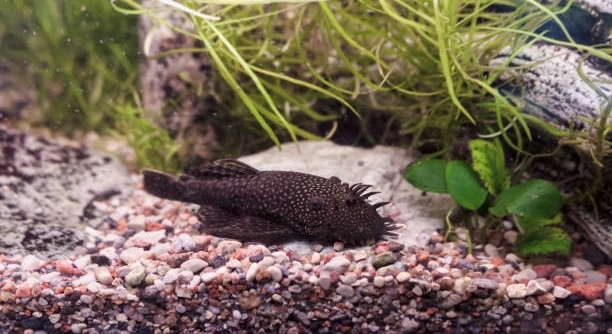
Feeding plecos is an important part of their care routine, but what happens when it’s overlooked? It’s essential to understand the impact of missed meals on these fish.
Plecos rely on a balanced diet to thrive, and missing a feeding can lead to malnutrition or stress. Extended periods without food can cause health issues, weakening their immune system and possibly leading to long-term damage.
Proper care ensures plecos stay healthy. Understanding how missed feedings affect them helps maintain their well-being and prevent potential complications.
Effects of Missed Feedings on Plecos
When plecos are not fed regularly, their health can decline quickly. These fish are bottom dwellers, feeding on algae and leftover food in their environment. When they don’t get the proper nutrients, their immune systems weaken. A pleco’s diet is crucial for growth, coloration, and overall well-being. Without proper feeding, they may become more vulnerable to diseases or stress. If left unfed for too long, plecos can become lethargic and may stop eating altogether. This can further cause malnutrition, stunted growth, and damage to their organs, leading to permanent harm. Regular, balanced feedings are essential for their long-term health and vitality.
The absence of food for plecos also leads to issues with tank cleanliness. Without proper feeding, they can’t help maintain the algae growth in the tank, which might lead to a build-up of unwanted debris. This can affect the overall water quality, making it harder to maintain a healthy aquatic environment.
If feeding is forgotten, immediate attention is required to ensure plecos don’t face severe health consequences. Once regular feedings resume, the fish may start eating again, though recovery can take time.
Impact on Pleco Growth and Development
When plecos don’t get enough food, their growth can be stunted. Malnutrition from missed feedings results in slower development and a lack of size increase. Healthy plecos should grow steadily, but without regular meals, they may remain small and frail. This can limit their ability to thrive in the aquarium environment. In some cases, their physical appearance can deteriorate, with less vibrant colors and a weakened body structure. Growth problems are more likely if the pleco is deprived of food over extended periods, impacting both their health and future potential.
Aside from growth, plecos’ ability to reproduce may also be affected. Poor nutrition during development can lead to reproductive issues in adult plecos. Even if they reach full size, the energy required for breeding may not be available due to a lack of adequate food. Reproductive failure can be the result of chronic malnutrition, causing further strain on their health and possibly preventing them from fulfilling their natural role in the tank.
Growth setbacks are not always reversible. Plecos that face prolonged malnutrition may never reach their full size or potential. The best solution is ensuring they receive consistent and balanced feedings to avoid these issues early on.
Importance of Proper Diet for Plecos
A proper diet is vital for plecos to stay healthy and strong. These fish need a mix of algae, vegetables, and high-quality fish food to maintain their health. If their diet lacks variety, they may develop nutritional deficiencies. A lack of fiber, for instance, can lead to digestive issues and make it difficult for plecos to absorb essential nutrients. On the other hand, a diet with too much protein can cause health problems like bloating or liver damage. To ensure they thrive, plecos should have access to a diet that mimics their natural feeding habits in the wild.
Adding vegetables like zucchini, cucumber, and spinach to their diet helps keep plecos’ digestive systems in balance. These foods are rich in fiber, which is crucial for their gut health. Algae wafers and sinking pellets can provide additional nutrients, and occasionally feeding plecos protein-based foods such as shrimp or bloodworms is beneficial for variety. When plecos get the right balance of nutrients, their immune system strengthens, and they can better resist diseases. Without this nutrition, they are left vulnerable and more prone to illnesses.
Dealing with Plecos That Stop Eating
When plecos go without food for too long, they may stop eating altogether. This can be a sign of stress or malnutrition. If a pleco refuses food after missed feedings, it’s important to address the underlying cause. Stress from water quality issues, temperature fluctuations, or improper tank mates can contribute to a loss of appetite. Plecos rely on a stable environment to feel secure enough to eat regularly.
If your pleco has stopped eating, begin by checking the water parameters. Poor water quality, like high ammonia or nitrites, can discourage eating. Make sure the water is clean and the temperature is appropriate. Once these factors are addressed, you can attempt to entice your pleco with different foods, like algae wafers or blanched vegetables.
Addressing Pleco Stress Factors
Stress from tank conditions or handling can cause plecos to become too fearful to eat. Ensure your pleco is housed with compatible tank mates and provide plenty of hiding spots to reduce stress. Constant disturbances or aggressive fish can contribute to feeding refusal. Once the tank conditions stabilize, it may take some time for the pleco to resume feeding habits.
Pleco Health After Food Deprivation
Even if the pleco starts eating again, health complications may arise from food deprivation. Organ damage, weakened immune systems, and malnutrition can occur. It’s crucial to monitor the pleco’s overall health and appearance after periods of missed feedings. Regular, balanced feedings will help them recover.
FAQ
What should I do if my pleco is not eating after missing a feeding?
If your pleco stops eating after missing a meal, start by checking the water quality. Poor water parameters, such as high ammonia or low oxygen levels, can cause stress, leading to a loss of appetite. Make sure the tank is clean and the temperature is stable. Additionally, try offering different types of food, such as algae wafers, sinking pellets, or blanched vegetables like zucchini. If the pleco still refuses food, it’s best to wait until water conditions stabilize and the fish feels less stressed.
Can plecos go without food for a few days?
Plecos can generally survive without food for short periods, especially if they are in a well-maintained tank with natural algae growth. However, it’s not ideal for their health. Extended periods without proper food can lead to malnutrition and weakened immune systems. To ensure their well-being, it’s essential to maintain a regular feeding schedule, offering them a variety of foods.
How often should I feed my pleco?
Plecos should be fed once or twice a day, depending on their size and tank conditions. Younger plecos may require more frequent feedings to support growth, while adult plecos can be fed once daily. Overfeeding can lead to poor water quality, so it’s important to offer just enough food that they can consume in a few hours. Ensure the food sinks to the bottom where plecos typically forage.
Can plecos eat only algae?
Algae is an important part of a pleco’s diet, but it should not be the sole food source. Plecos need a variety of foods, including vegetables like zucchini, cucumber, and spinach, to ensure they get a balanced diet. Some species may also benefit from protein-rich foods like bloodworms or shrimp. Offering a diverse diet supports their health and prevents nutritional deficiencies.
How long can plecos go without algae?
While plecos are known for eating algae in their natural habitats, they cannot rely solely on it in an aquarium. If algae isn’t present in the tank, you will need to supplement their diet with algae wafers or other foods that mimic the nutritional content of algae. Without algae or appropriate alternatives, plecos may suffer from malnutrition over time.
Do plecos need a special diet?
Yes, plecos need a specialized diet to stay healthy. In addition to algae, they require high-fiber vegetables and high-quality sinking pellets or wafers. Some species of plecos may also need occasional protein in their diet. The right combination of foods supports digestion, growth, and immune function, keeping the fish in optimal condition.
Can plecos eat too much?
Yes, overfeeding plecos can be harmful to their health. Overfed plecos are prone to obesity, digestive issues, and poor water quality due to excess waste. Make sure to feed them only as much as they can consume within a few hours. Any uneaten food should be removed to prevent it from decaying and polluting the water.
What happens if I forget to feed my pleco for a week?
If you forget to feed your pleco for a week, it may be able to survive due to the natural algae and biofilm in the tank, but it will likely be weakened and malnourished. After a week without proper nutrition, the pleco may experience stunted growth, reduced immune function, and stress. Immediate attention to feeding is needed to help it recover, and you should also ensure the tank environment is optimal.
How do I know if my pleco is malnourished?
Signs of malnutrition in plecos include sluggishness, faded colors, or a visibly thinner body. If the pleco has a sunken stomach or refuses food after a period of time, these could be indicators that it’s not receiving enough nutrients. A malnourished pleco is more vulnerable to diseases and should be given a nutrient-rich diet immediately.
Can plecos live in a tank without any additional food if there’s algae?
Plecos can survive in a tank with algae for some time, but this is not ideal in the long run. Algae is an important part of their diet, but it does not provide all the necessary nutrients they need. Without additional food sources, plecos can become malnourished. It’s important to offer them a well-balanced diet, including vegetables and protein-rich foods, in addition to algae.
Do plecos need supplements in their diet?
In some cases, plecos may benefit from supplements to enhance their diet, especially if they are not getting a variety of food in the tank. Calcium supplements can support bone health, while vitamin-rich foods like spirulina can boost their immune system. However, a well-rounded diet with algae, vegetables, and occasional protein is usually sufficient for most plecos.
Final Thoughts
Caring for plecos requires understanding their dietary needs and the importance of maintaining a stable environment. They rely on a mix of algae, vegetables, and sometimes protein to stay healthy. If they miss a few feedings, it’s important to quickly address the situation by ensuring water quality is ideal and providing a variety of foods. Regular feeding, combined with a balanced diet, supports their growth and well-being.
If your pleco stops eating, it could be due to stress or water quality issues. It’s essential to maintain proper tank conditions, such as appropriate water temperature and pH, to prevent health problems. Adding hiding spots and reducing tank disturbances can also help reduce stress. Once the environment is stable and the pleco feels secure, it’s more likely to return to its normal feeding habits. Offering different types of food can also encourage eating.
In the long run, paying attention to the specific needs of your pleco is crucial for its health. Understanding their diet and how to manage feeding schedules can prevent many common issues. By keeping the tank clean, offering a varied diet, and minimizing stress factors, you can help ensure that your pleco thrives. This approach will lead to a healthier and happier fish, providing you with enjoyment as it contributes to the balance of your aquarium ecosystem.

Hello,
If you enjoy the content that we create, please consider saying a "Thank You!" by leaving a tip.
Every little bit helps us continue crafting quality advice that supports the health, happiness, and well-being of pets around the world, for pets of all shapes, sizes, and species.
We really appreciate the kindness and support that you show us!