
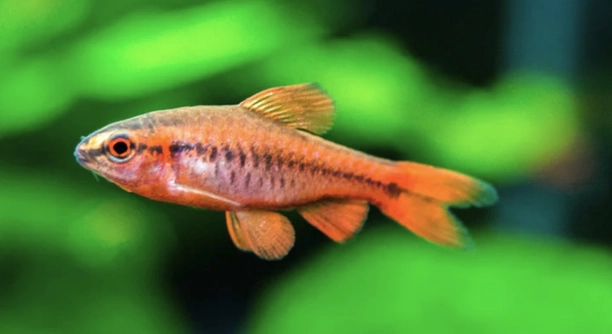
Adding new fish to your tank can be an exciting experience. However, introducing Cherry Barbs too quickly may disrupt the balance of your aquarium. Understanding how this can affect your setup is important for maintaining a healthy environment.
Introducing Cherry Barbs too quickly can cause stress and aggression. This leads to potential health issues for both the new fish and the existing ones. Gradually acclimating them to the tank is essential for reducing these risks.
Proper care and attention during the introduction process will help your Cherry Barbs thrive in their new home. Understanding these steps can prevent common issues and ensure a smoother transition for all your fish.
How Quickly Should You Add Cherry Barbs to Your Aquarium?
When setting up an aquarium, it’s easy to get excited and want to add new fish as soon as possible. However, adding Cherry Barbs too quickly can lead to problems for both the new fish and the existing ones. It’s crucial to consider the tank’s environment, including the current fish population, water parameters, and overall stability before introducing new fish. Rapid additions can disrupt the balance, causing stress and aggression. This can lead to health problems, and in some cases, it might even result in the death of your Cherry Barbs or other tank residents. Patience is essential to ensure a smooth transition for all the fish in the tank.
Introducing new fish gradually can help avoid overloading the tank’s filtration system and reduce the risk of spreading disease. Adding a few at a time allows the tank’s ecosystem to adjust to the changes. This method is the most effective way to keep both the old and new fish comfortable.
Proper acclimation techniques are essential for a smooth introduction. This includes adjusting the new fish’s temperature and pH to match the tank’s conditions. Slow acclimation can help them adapt without causing shock. It’s also helpful to monitor water quality closely during this process. Keeping the tank well-maintained, with clean water and proper filtration, will give your Cherry Barbs the best chance of thriving.
Signs Your Cherry Barbs Are Stressed
Stress can show up in different ways. Cherry Barbs might become more aggressive or shy, hiding from others. You might notice them becoming lethargic, which is a clear sign something is wrong. If they aren’t eating or are swimming erratically, their environment might be affecting them. These behaviors indicate stress levels that could be linked to the speed of their introduction.
If stress continues, it’s important to check water parameters like temperature, pH, and ammonia levels. These factors, along with the pace of adding new fish, can have a major impact on your Cherry Barbs’ health. Sudden changes in any of these can put extra pressure on the fish. Using a water test kit helps track these factors, ensuring a stable environment. Regularly observing how your fish interact and adjusting accordingly will prevent future stress and keep your tank balanced.
Why Acclimation Is Important for Cherry Barbs
Acclimating your Cherry Barbs to their new environment is essential for their health. This process ensures they adjust gradually to the tank’s conditions without experiencing shock. Skipping acclimation can put them at risk for stress, injury, or even death. It’s best to take your time and be patient.
To properly acclimate Cherry Barbs, float the bag they arrived in for 15 to 20 minutes. Gradually introduce small amounts of tank water into the bag. This helps the fish adjust to the water’s temperature and pH levels. Once acclimated, gently release them into the tank. Avoid dropping them in too quickly to minimize stress.
It’s also important to monitor the water parameters during the acclimation process. Any drastic changes in temperature or pH can be harmful. Using a slow drip method for longer acclimation times can be particularly beneficial. This reduces the risk of shock and helps your Cherry Barbs settle in more comfortably.
The Importance of Tank Maintenance
Regular tank maintenance is crucial for the well-being of your Cherry Barbs. A clean environment helps prevent stress, disease, and other complications. Perform partial water changes every week, checking ammonia, nitrite, and nitrate levels. These factors are key to a healthy tank.
A clean tank also supports good water circulation and filtration, both of which are vital for your fish. Over time, debris and waste can accumulate, which puts extra strain on the filter and can negatively affect water quality. Keep the tank’s filter running smoothly by cleaning it regularly, ensuring it is functioning at peak efficiency. By maintaining stable water conditions, your Cherry Barbs will thrive.
Regular maintenance also allows you to spot any potential problems early. Checking water quality frequently will prevent unnoticed imbalances that can harm the fish. It’s easier to prevent issues before they escalate by keeping the tank clean. A little upkeep goes a long way in ensuring the health of your Cherry Barbs.
Risk of Overcrowding in the Tank
Overcrowding your tank can cause stress for Cherry Barbs and other fish. Too many fish in one space can lead to a lack of oxygen and increased waste, making the water quality worse. A stressed environment lowers the fish’s immune system, making them vulnerable to disease.
It’s important to consider the size of your tank and the number of fish in it. Avoid introducing too many new fish at once. A general rule of thumb is to allow one inch of fish per gallon of water. This ensures enough space for everyone to thrive.
Compatibility of Tank Mates
Cherry Barbs are peaceful fish that do well in community tanks with other calm species. However, they might become stressed when housed with aggressive or overly territorial fish. This can lead to a decline in their health, so choose tank mates carefully.
Tank mates should be non-aggressive and similar in size to Cherry Barbs. Avoid housing them with large or predatory species, as these fish may intimidate or even harm the Cherry Barbs. A peaceful environment encourages better behavior, feeding, and overall health.
Monitoring Water Temperature
Water temperature plays a significant role in the well-being of Cherry Barbs. These fish prefer slightly warmer water, around 75-80°F (24-27°C). Fluctuations can stress them, causing health issues. Ensure your tank maintains a steady temperature with a reliable heater.
Using a thermometer helps monitor the temperature accurately. If the temperature is too high or low, adjust the heater accordingly to keep it within the ideal range. Sudden changes in temperature can lead to shock, so it’s important to avoid rapid adjustments. Keeping the tank’s temperature stable will help Cherry Barbs feel comfortable.
FAQ
What happens if I add Cherry Barbs too quickly?
Adding Cherry Barbs too quickly to your tank can cause them to become stressed. This can lead to aggression between the new fish and the established ones, causing territorial disputes. Additionally, rapid introductions may disrupt the tank’s biological filter, leading to water quality issues. Stress can weaken their immune systems, making them more susceptible to disease. It’s best to introduce new fish gradually, allowing the tank’s ecosystem to adjust.
How long should I wait before adding Cherry Barbs to my tank?
It’s recommended to wait at least 24 to 48 hours after setting up a new tank before adding Cherry Barbs. This allows the water parameters to stabilize and the filter to start functioning. If you’re adding Cherry Barbs to an established tank, monitor water quality and gradually introduce them over a week or two. This gives both your tank and the fish time to adjust.
Can Cherry Barbs live with other fish?
Cherry Barbs are peaceful fish that typically get along well with other calm, non-aggressive species. They do best in a community tank with fish of similar size and temperament. Avoid keeping them with large or aggressive fish that might stress or bully them. Good tank mates include other small barbs, tetras, or peaceful catfish.
What should I feed my Cherry Barbs?
Cherry Barbs are omnivorous and will eat a variety of foods. Offer a balanced diet that includes high-quality flakes, pellets, and live or frozen foods like brine shrimp and bloodworms. Be sure to feed them in small amounts to avoid overfeeding, as excess food can degrade water quality.
How can I tell if my Cherry Barbs are stressed?
Stressed Cherry Barbs may exhibit several behaviors. These include hiding more than usual, swimming erratically, or showing a lack of appetite. They might also display signs of aggression or overly cautious behavior. If you notice these symptoms, check water parameters and tank conditions to see if they need adjustment.
What is the ideal tank size for Cherry Barbs?
A minimum tank size of 20 gallons is recommended for a small group of Cherry Barbs. This gives them enough space to swim comfortably and establish territories. If you plan to add more fish, larger tanks are preferable. A well-sized tank also helps maintain water quality by providing more room for filtration.
How often should I change the water in a tank with Cherry Barbs?
Perform a 25-30% water change every one to two weeks to keep the water clean and maintain stable conditions. If you have a heavily stocked tank, you may need to change the water more frequently. Regular water changes help control ammonia and nitrate levels, ensuring a healthy environment for your Cherry Barbs.
What water temperature is best for Cherry Barbs?
Cherry Barbs prefer water temperatures between 75-80°F (24-27°C). Maintaining a stable temperature within this range will help reduce stress and promote optimal health. Avoid temperature fluctuations, as sudden changes can cause shock and weaken their immune system.
Can Cherry Barbs live in freshwater tanks?
Yes, Cherry Barbs are freshwater fish and thrive in freshwater tanks. They are adaptable to various water conditions, though they prefer slightly acidic to neutral water. Regular monitoring of pH and hardness levels will help ensure they stay healthy and comfortable in your tank.
Are Cherry Barbs easy to breed?
Breeding Cherry Barbs is relatively easy, though it does require some preparation. To breed them successfully, you need a separate breeding tank with clean water and plenty of plants for the eggs to stick to. The fish will spawn naturally, and after the eggs hatch, the fry can be fed infusoria or liquid fry food until they are large enough to eat regular fish food.
How do I know if my Cherry Barbs are male or female?
Male Cherry Barbs are generally more colorful, with bright red markings and a more slender body. Females tend to be duller in color, with a rounder, fuller body, especially when carrying eggs. During breeding season, males will display their vibrant colors to attract females.
Why is my Cherry Barb not eating?
There are several reasons a Cherry Barb might not eat, including stress, poor water quality, or illness. Check water parameters to ensure they are within the proper range. Stress from new tank mates or sudden changes in environment can also cause a loss of appetite. If the problem persists, monitor for signs of illness.
How long do Cherry Barbs live?
Cherry Barbs typically live for 3 to 5 years in a well-maintained tank. Proper care, including stable water conditions, a balanced diet, and compatible tank mates, can help them live a full, healthy life. Regular observation and good maintenance are key to prolonging their lifespan.
Can I keep only one Cherry Barb?
Cherry Barbs are social fish and prefer to be kept in groups. A single Cherry Barb can become stressed and lonely. It’s best to keep at least three to five Cherry Barbs together to encourage natural social behavior and reduce stress. A small group will help them feel more secure and active.
Do Cherry Barbs need plants in their tank?
Plants are beneficial for Cherry Barbs as they provide hiding spots, which can reduce stress. Live plants also help maintain water quality by absorbing excess nutrients and offering oxygen to the tank. While not mandatory, adding plants like Java Moss or Anubias will create a more natural and comfortable environment for your fish.
Final Thoughts
Adding Cherry Barbs to your aquarium can be a rewarding experience, provided the process is done carefully. These peaceful fish can thrive in a community tank if introduced gradually and under the right conditions. It is important to avoid adding them too quickly to prevent stress and potential health issues. Ensuring the tank is large enough, with proper filtration and water quality, will help maintain a healthy environment for your Cherry Barbs and other tank mates.
Maintaining stable water parameters is key to keeping Cherry Barbs healthy. They are sensitive to temperature fluctuations, poor water quality, and overcrowding. Regular water changes, proper feeding, and a balanced tank size will keep your Cherry Barbs comfortable and reduce the risk of disease. It’s also essential to monitor the behavior of both new and existing fish to ensure everyone is getting along. A peaceful tank environment promotes natural behavior, which will make it easier to enjoy watching your fish thrive.
Overall, Cherry Barbs are low-maintenance fish that can live happily in a well-maintained tank with appropriate care. They are ideal for those looking to add some color and movement to their aquarium. By being mindful of their needs, such as their social nature, diet, and water conditions, you can help ensure your Cherry Barbs live long and healthy lives. Whether you’re a beginner or an experienced fishkeeper, Cherry Barbs can make a beautiful addition to any freshwater aquarium.

Hello,
If you enjoy the content that we create, please consider saying a "Thank You!" by leaving a tip.
Every little bit helps us continue crafting quality advice that supports the health, happiness, and well-being of pets around the world, for pets of all shapes, sizes, and species.
We really appreciate the kindness and support that you show us!