
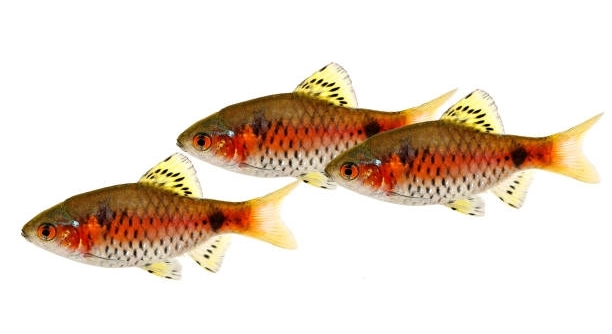
Rosy barbs are popular aquarium fish known for their vibrant colors and active behavior. Keeping them healthy requires proper feeding habits. Overfeeding can sometimes happen, raising concerns about what effects it might have on these fish.
Overeating in rosy barbs can lead to digestive issues, swim bladder disorders, and poor water quality due to increased waste. These problems can reduce fish vitality and increase the risk of disease if not addressed promptly.
Understanding the consequences of overfeeding will help you maintain a balanced environment and keep your rosy barbs thriving in your aquarium.
Causes of Overeating in Rosy Barbs
Rosy barbs may overeat due to several reasons, including stress, boredom, or poor feeding routines. When food is given too frequently or in large amounts, they tend to eat more than needed. This behavior can also be triggered by competition among fish, where they try to consume as much food as possible before others get it. Overfeeding often results from owners wanting to see their fish happy and active, but it can quickly become harmful. Feeding them only what they can consume in a few minutes once or twice daily helps prevent overeating. Ensuring variety and quality in their diet also keeps them healthy and less likely to overeat. Watching their behavior during feeding times helps adjust the portion size as needed.
Stress is a common reason for overeating and can be caused by overcrowding or poor water quality.
Maintaining a consistent feeding schedule with moderate portions will reduce stress-related overeating and keep rosy barbs healthier for longer.
Effects of Overfeeding on Aquarium Health
Overfeeding rosy barbs doesn’t just affect the fish themselves; it also impacts the entire aquarium environment. Excess food that is not eaten quickly sinks and decomposes, leading to increased ammonia and nitrate levels. This buildup worsens water quality, putting stress on the fish and encouraging algae growth. Poor water conditions can cause illness or even death if not managed. Over time, uneaten food can clog filters, reducing their efficiency and requiring more frequent cleaning. It is important to monitor water parameters regularly to catch any problems early. Using a feeding schedule based on the fish’s needs and avoiding excess food are key steps in maintaining a balanced tank. Clean-up crew fish or snails may help manage leftovers but should not replace proper feeding practices. Keeping the aquarium clean and balanced is essential for the long-term health of rosy barbs and other aquatic life.
Identifying Overeating in Rosy Barbs
Overeating in rosy barbs can be recognized by certain signs such as bloating, lethargy, and changes in swimming behavior. They may also develop a swollen abdomen and difficulty maintaining balance.
Fish with swollen stomachs often appear less active and may isolate themselves. Their swim bladder can become affected, causing them to float awkwardly or struggle to stay upright. Uneaten food lingering in the tank is another clear indication that feeding amounts are excessive. Monitoring these signs early helps prevent severe health issues and allows for timely adjustments in feeding habits. Noticing subtle changes in behavior is key to keeping rosy barbs healthy.
Observing your fish during feeding times and adjusting portions accordingly is the best way to avoid long-term problems from overeating.
Managing Overfeeding and Recovery
To manage overfeeding, reduce the amount of food offered and increase the frequency of partial water changes. Removing uneaten food immediately prevents water contamination. A diet rich in fiber, such as blanched vegetables, can aid digestion and help relieve bloating. Fasting your rosy barbs for a day or two gives their digestive system time to recover. Maintaining stable water parameters and a clean tank environment supports recovery from overeating effects.
If swim bladder issues occur, adjusting feeding routines and water conditions often improves the situation. In some cases, medication may be necessary, but most problems resolve with proper care. Regular observation and moderation in feeding prevent recurring issues and promote longer, healthier lives for your rosy barbs.
Preventing Overfeeding in Rosy Barbs
Feeding your rosy barbs measured portions prevents overeating and health problems. Use a small amount of food that they can finish within a few minutes to avoid leftovers.
Establishing a regular feeding schedule with consistent amounts helps maintain their health. Avoid feeding more than twice a day to reduce waste and keep water quality stable.
Choosing the Right Food
High-quality flakes, pellets, and occasional live or frozen foods meet the nutritional needs of rosy barbs. Variety in their diet ensures balanced nutrition and reduces the risk of overfeeding specific types.
Providing fiber-rich foods like vegetables supports digestion and prevents constipation, which is important when managing feeding amounts.
Monitoring Tank Cleanliness
Keeping the tank clean reduces the risks caused by excess food and waste buildup. Regular water changes and filter maintenance improve water quality and fish health.
A clean environment helps rosy barbs stay active and reduces stress, promoting overall well-being.
FAQ
What happens if rosy barbs overeat?
When rosy barbs overeat, they can develop digestive problems, including bloating and constipation. Their swim bladder may become affected, causing difficulty in swimming properly. Overfeeding also leads to increased waste in the tank, which harms water quality and stresses the fish.
How can I tell if my rosy barbs are overeating?
Signs of overeating include swollen bellies, lethargy, and awkward swimming patterns. You might also notice leftover food in the tank after feeding. These signs suggest the fish are getting more food than they need.
How often should I feed my rosy barbs?
Feeding your rosy barbs once or twice a day with only what they can finish in a few minutes is best. This helps prevent leftover food from polluting the tank and keeps the fish healthy.
What type of food is best for rosy barbs?
A balanced diet of high-quality flakes or pellets, supplemented occasionally with live or frozen foods like brine shrimp or bloodworms, provides necessary nutrients. Including vegetables like blanched spinach or peas can support digestion.
Can overfeeding cause disease in rosy barbs?
Yes. Overfeeding leads to poor water quality, which increases the risk of infections and diseases. Digestive stress from too much food can also weaken their immune systems.
What should I do if my rosy barbs appear bloated?
Reduce feeding amounts and consider fasting them for one or two days to allow digestion to clear. Feeding fiber-rich foods such as peas can help relieve bloating. Keep water clean to reduce additional stress.
How can I maintain good water quality when feeding rosy barbs?
Feed small portions to avoid leftovers. Remove uneaten food promptly. Perform regular partial water changes and keep filters clean to maintain balanced water parameters.
Is it okay to feed rosy barbs live food daily?
Live food should be offered occasionally rather than daily. Too much live food can cause overeating and imbalance in their diet. Use it as a treat or supplement.
What happens if I fast my rosy barbs?
Fasting for a day or two can help their digestive system recover from overeating. It reduces waste production, improving tank water quality temporarily.
How does stress affect feeding behavior?
Stress from overcrowding, poor water quality, or tank changes can cause rosy barbs to eat more or less than usual. Managing tank conditions helps regulate healthy feeding habits.
Can other fish in the tank cause rosy barbs to overeat?
Yes. Competition for food can cause rosy barbs to eat faster or consume more than needed. Feeding smaller amounts more frequently can reduce this behavior.
How do I prevent my rosy barbs from overeating?
Feed only what they consume quickly, stick to a schedule, and avoid feeding every time you see them begging. Use a timer or controlled portions to keep feeding consistent.
What are the long-term effects of overeating in rosy barbs?
Chronic overeating can lead to obesity, swim bladder disorders, reduced lifespan, and frequent illness. Maintaining proper feeding routines supports their long-term health.
Can tank decorations or plants affect feeding habits?
Yes. Dense plants or hiding spots can make feeding uneven, leading some fish to overeat while others miss food. Distribute food evenly and observe feeding behavior to adjust.
Are there any signs that indicate a need to change feeding habits?
If fish show lethargy, bloating, increased waste, or water quality drops quickly after feeding, it’s time to reduce food amounts and adjust feeding schedules.
How important is variety in the diet of rosy barbs?
Variety helps ensure they get all necessary nutrients and reduces boredom that might lead to overeating. Rotate between flakes, pellets, and occasional live or vegetable foods.
Can overfeeding affect the filter system?
Yes, excess uneaten food clogs filters and reduces their efficiency. This causes poor water circulation and worsens water quality, which can harm fish health.
Is it necessary to monitor the amount of food given during feeding?
Absolutely. Measuring food ensures your rosy barbs get just enough to eat without leftovers. This protects their health and the tank environment.
What should I do if my fish continue to overeat despite changes?
Review tank conditions, reduce food gradually, and consider separating aggressive feeders. Consulting a vet or aquarium specialist may help address persistent problems.
Overfeeding rosy barbs can lead to several health and environmental issues in your aquarium. When these fish eat more than they need, they often develop digestive problems like bloating and swim bladder disorders. These conditions make swimming difficult and cause discomfort. Additionally, uneaten food breaks down in the water, leading to poor water quality. This creates stress and raises the chance of illness among the fish. Managing the amount of food you give and observing their behavior closely can help avoid these problems. Feeding your rosy barbs only what they can eat within a few minutes and sticking to a consistent schedule are key steps in maintaining their health.
Maintaining good water quality is just as important as controlling feeding amounts. Excess food and waste produce harmful chemicals that accumulate quickly if not removed. Regular water changes and cleaning the tank’s filter system are necessary to keep the environment safe for your fish. A clean and balanced aquarium supports their immune systems and helps them recover faster from any digestive upset. Providing a varied diet with quality food, including occasional vegetables, also supports proper digestion and overall well-being. Keeping everything in balance is the best way to help your rosy barbs stay healthy and active.
Being aware of the signs of overeating can save your rosy barbs from long-term harm. Look for changes in behavior such as reduced activity, swollen bellies, or difficulty swimming. When these signs appear, adjusting feeding habits and improving tank care quickly can prevent more serious issues. Fasting the fish for short periods and offering fiber-rich foods can aid recovery. Overfeeding is a common mistake but is easily managed with attention and care. By following simple feeding guidelines and maintaining a clean tank, you can enjoy the bright colors and lively behavior of your rosy barbs for years to come.

Hello,
If you enjoy the content that we create, please consider saying a "Thank You!" by leaving a tip.
Every little bit helps us continue crafting quality advice that supports the health, happiness, and well-being of pets around the world, for pets of all shapes, sizes, and species.
We really appreciate the kindness and support that you show us!