
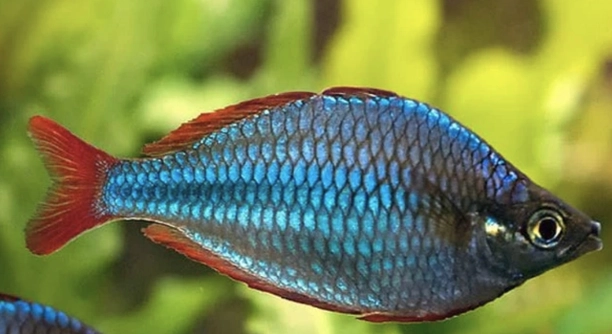
Rainbow fish are beautiful and active aquarium pets, but like all animals, they need proper care. Overfeeding them can lead to various health issues, and understanding the effects of overeating is important for their well-being.
Overeating can cause rainbow fish to suffer from digestive problems and obesity. Excess food leads to waste buildup in the tank, affecting water quality and creating a toxic environment. Proper portion control is essential to maintain their health.
A closer look at what happens when rainbow fish overeat can help you keep them healthy. Understanding the effects will ensure your fish thrive in a balanced environment.
What Happens When Rainbow Fish Overeat?
Overfeeding rainbow fish can result in a range of health problems. While it’s tempting to give them extra food to see them happily nibble, doing so can disrupt their digestive system. Overeating leads to a buildup of uneaten food in the tank, causing the water quality to decline. Poor water quality can lead to stress, disease, and even death in rainbow fish. Additionally, overeating can lead to obesity, which can shorten their lifespan and make them more susceptible to other health issues. It’s important to feed your rainbow fish the right amount of food to avoid these complications.
Controlling how much you feed them is essential. Overfeeding disrupts their natural metabolism and results in weight gain and other health concerns. It’s better to offer small portions and remove any uneaten food after a few minutes.
To prevent overeating, observe their behavior closely. Fish are often greedy, so be mindful of their feeding habits. A healthy feeding routine with portion control is crucial for their overall health and well-being.
How Overfeeding Affects Tank Conditions
The condition of your aquarium plays a big role in the health of your rainbow fish. Overfeeding leads to excess waste, both from uneaten food and the fish themselves. This waste quickly breaks down and pollutes the water, raising ammonia and nitrite levels. These toxins can irritate fish and even cause disease outbreaks.
Maintaining good water quality is key. Overfeeding doesn’t just affect the fish; it impacts the entire aquarium ecosystem. If you notice cloudy water or an increase in algae, it’s likely a result of overfeeding. Regular water changes and proper filtration are necessary to combat this issue. Keeping the aquarium clean and maintaining a proper feeding schedule will ensure that your rainbow fish live in a healthy environment.
Health Risks of Overfeeding Rainbow Fish
Overfeeding rainbow fish can lead to several health risks, including obesity, digestive problems, and weakened immune systems. When a fish consumes more food than it needs, it struggles to process it, leading to discomfort and potential long-term issues. It’s important to feed them the right portions to avoid these concerns.
Excess food can also cause your fish to become sluggish, as their bodies become overloaded with nutrients they don’t need. Obesity from overfeeding is a common issue that can lead to other health problems such as swim bladder issues, which affect the fish’s buoyancy. This can make swimming difficult and cause further strain on their organs. Regularly feeding your fish only what they can consume in a few minutes can prevent this.
Overfeeding also weakens the immune system of the fish, making them more vulnerable to infections. This can lead to frequent illnesses, stunted growth, and in severe cases, premature death. A proper feeding schedule ensures your fish remain healthy and active in their environment.
The Role of Tank Size in Overfeeding
The size of your tank plays an important role in how much food you can safely give your rainbow fish. Smaller tanks are more susceptible to water quality issues caused by overfeeding. A larger tank, however, offers more room for waste to disperse, reducing the chances of toxicity from excess food.
In smaller tanks, the buildup of uneaten food and waste happens faster, leading to rapid changes in water chemistry. These changes can stress the fish, making them more prone to diseases and other health complications. A larger tank gives you a bit more leeway, but overfeeding should still be avoided to maintain the best conditions. It’s best to monitor both the amount of food you feed and the size of your tank to keep the balance right.
Maintaining a proper tank size helps create an environment where your rainbow fish can thrive. Even with a larger tank, regular maintenance, water changes, and monitoring feeding habits are necessary.
Signs Your Rainbow Fish Are Overeating
One of the first signs that your rainbow fish may be overeating is that they become less active. They may float near the surface, avoiding swimming or exploring their environment. You may also notice them appearing bloated or lethargic. If you see these behaviors, it’s time to reassess their feeding routine.
Overeating can also cause your fish to develop swim bladder issues, where they struggle to maintain proper buoyancy. This will make them appear to be struggling while swimming or floating unnaturally. If you spot these signs, it’s important to address the feeding schedule immediately to prevent further complications.
How to Correct Overfeeding Habits
To correct overfeeding, start by offering smaller portions of food that your fish can consume in 2-3 minutes. After feeding, remove any leftover food to prevent it from decomposing and polluting the tank. A feeding schedule can help control this.
It’s also important to consider the type of food you’re offering. High-quality fish food is more nutritionally balanced and doesn’t lead to overfeeding as quickly. Additionally, some rainbow fish may only need to be fed once or twice a day, depending on their age and activity levels. Monitoring their diet and reducing the amount gradually will help prevent future health issues.
Maintaining Healthy Feeding Practices
Maintaining a healthy feeding practice is essential for the long-term health of your rainbow fish. Stick to a routine, and be mindful of how much food you’re offering at each feeding session.
FAQ
What is the best way to feed rainbow fish?
The best way to feed rainbow fish is by offering small amounts of food that they can consume within 2-3 minutes. Avoid giving them large portions at once, as this can lead to uneaten food that affects water quality. Feeding them twice a day, in the right amount, ensures they get the nutrition they need without overfeeding.
How often should I feed rainbow fish?
Rainbow fish should be fed once or twice a day, depending on their size and activity level. Younger fish may need more frequent feedings, while adult fish can go without food for a day or two if necessary. It’s important to monitor their eating habits and adjust accordingly.
Can rainbow fish survive without food for a day?
Yes, rainbow fish can survive without food for a day or two. Fish are capable of going without food for short periods, as their metabolism slows down. However, it’s best not to extend this too often, as consistent feeding helps maintain their health and energy.
How do I know if I am overfeeding my rainbow fish?
Signs of overfeeding include bloating, lethargy, and less active swimming. Fish that are overfed may also develop swim bladder issues, making them float unnaturally or have trouble swimming. If you notice uneaten food at the bottom of the tank, it could indicate overfeeding.
What happens if I accidentally overfeed my rainbow fish?
Accidentally overfeeding your rainbow fish can lead to several issues, such as digestive problems, obesity, and poor water quality. Uneaten food decomposes quickly, which increases ammonia and nitrite levels in the tank. These toxins can harm the fish and create an unhealthy environment.
Can overfeeding cause rainbow fish to become sick?
Yes, overfeeding can cause rainbow fish to become sick. The extra food not only affects their digestive system but can also lead to poor water quality, which increases the risk of infections and diseases. Overweight fish are more prone to issues like swim bladder disease and weakened immune systems.
How can I clean up after overfeeding?
To clean up after overfeeding, remove any uneaten food as soon as you notice it. Use a fish net or vacuum the tank to remove food particles from the substrate. Performing regular water changes will also help maintain good water quality and prevent any toxins from building up.
Can rainbow fish eat frozen or live food?
Rainbow fish can eat frozen or live food, but it’s important to offer these options in moderation. Live or frozen food can provide extra nutrients and variety, but it should still be served in appropriate portions. Make sure the food is free of parasites and properly stored to prevent contamination.
How can I prevent rainbow fish from fighting over food?
To prevent rainbow fish from fighting over food, try feeding them in different areas of the tank, especially if you have multiple fish. This spreads out the food and reduces competition. Also, feed them at different times or in small portions to ensure all fish have access to food.
Is it okay to feed rainbow fish different types of food?
Yes, it’s okay to feed rainbow fish different types of food, as variety ensures they get a balanced diet. You can offer flakes, pellets, live food, or frozen food. Just make sure to adjust the portions to avoid overfeeding and ensure a healthy balance of nutrients.
How do I know if my rainbow fish are underfed?
Signs that your rainbow fish may be underfed include thin bodies, faded colors, and lack of energy. If they’re constantly scavenging for food or becoming more aggressive towards each other, they may not be getting enough. Keep track of their feeding habits and adjust portions as needed.
Do rainbow fish need supplements in their diet?
Rainbow fish don’t typically need supplements if they’re being fed a well-balanced diet. High-quality flake food or pellets usually contain all the necessary vitamins and minerals. However, occasional treats like live or frozen food can supplement their diet and provide extra nutrients.
How can I tell if my rainbow fish are getting enough nutrition?
Your rainbow fish should have bright, vibrant colors and exhibit active behavior. They should swim freely without signs of lethargy or bloating. If they are constantly swimming around and seem healthy, it’s likely they’re getting the right amount of nutrition.
Can rainbow fish be overfed with plants?
Yes, rainbow fish can also be overfed with plants. While plants are a good food source, offering too many can lead to excess nutrients in the water, causing algae growth and poor water quality. Ensure that any plants you feed are properly cleaned and provided in moderation.
Should I adjust my feeding schedule based on the seasons?
There’s no need to change the feeding schedule based on the seasons, as rainbow fish do not have a specific seasonal diet. However, if the water temperature fluctuates significantly, you may need to adjust the amount of food based on their metabolism. Warmer water usually means higher metabolism, and colder water slows it down.
Final Thoughts
Proper feeding habits are essential for maintaining the health of your rainbow fish. Overfeeding can lead to several issues, such as digestive problems, swim bladder disorders, and poor water quality. To avoid these problems, it’s important to feed your fish the right amount of food in small portions. This will help prevent uneaten food from accumulating in the tank and polluting the water. Regular water changes and removing leftover food will also contribute to a healthier environment for your fish.
Rainbow fish, like any other aquatic species, require a balanced diet to thrive. Offering a variety of high-quality foods, including flakes, pellets, and occasional live or frozen options, will ensure they get the nutrients they need. However, always remember that portion control is key. Overfeeding not only impacts the fish’s health but also the overall condition of the tank. Keeping a consistent feeding schedule and offering appropriate portions will make a big difference in the long run.
By monitoring your fish closely and paying attention to their feeding habits, you can easily prevent problems related to overfeeding. Regularly checking for signs of overfeeding, such as bloating, lethargy, and swim bladder issues, will allow you to act quickly if any problems arise. With careful attention to their diet, rainbow fish can live long, healthy lives and thrive in a well-maintained aquarium.

Hello,
If you enjoy the content that we create, please consider saying a "Thank You!" by leaving a tip.
Every little bit helps us continue crafting quality advice that supports the health, happiness, and well-being of pets around the world, for pets of all shapes, sizes, and species.
We really appreciate the kindness and support that you show us!