
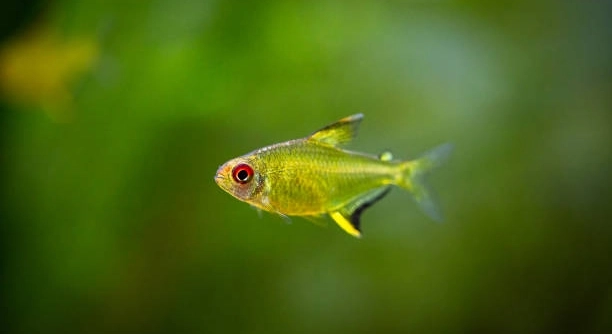
Have you ever noticed your lemon tetra becoming less lively after feeding time, raising concerns about how much food they receive while you focus on keeping their aquarium peaceful and their daily care simple everyday.
Overfeeding lemon tetra leads to digestive strain, reduced water quality, increased waste production, and heightened stress levels that weaken their immune response. Consistently excessive portions disrupt their natural feeding rhythm and place significant metabolic pressure on these small freshwater fish.
Learning what happens inside their environment can help you support healthier habits and create a more balanced routine for them.
Effects of Overfeeding on Lemon Tetra
Overfeeding can disrupt the natural balance lemon tetra depend on each day, making their small bodies work harder than necessary to process excess food. When uneaten pieces settle at the bottom of the tank, they decay and release substances that quickly affect water clarity and stability. This change makes the environment feel heavier for the fish, and they often respond by becoming less active or hiding more often. Their digestive system also struggles when consistently overloaded, leading to bloating that can leave them uncomfortable for long periods. I always notice that fish express stress through tiny shifts in behavior, and lemon tetra are especially sensitive to these conditions. Maintaining a modest feeding routine helps limit these reactions and keeps them moving freely through the water. A steady approach allows the tank to remain cleaner, the fish to stay healthier, and their daily rhythm to stay calm and consistent every day.
Overfeeding also increases the amount of waste in the tank, which gradually impacts how well the fish breathe and move. Their comfort depends on steady water conditions that remain stable without sudden changes.
Keeping their feeding schedule simple will help them stay relaxed, active, and supported in an environment that feels predictable and gentle for their needs.
How Overfeeding Affects the Aquarium
Extra food breaks down inside the tank and releases substances that disrupt the balance lemon tetra need to stay comfortable. Their bodies struggle with these changes, and the environment slowly shifts in a way that affects their daily behavior.
A tank affected by overfeeding becomes harder to maintain, and the gradual buildup of waste is often underestimated. As decaying food collects along the substrate, it increases ammonia levels and encourages bacterial growth that complicates filtration. Lemon tetra feel these changes quickly, responding with sluggish swimming, duller coloration, and higher sensitivity to minor disruptions in their surroundings. When the water loses stability, even simple activities like schooling become more tiring for them. I have learned that these fish rely heavily on clean, predictable conditions to stay steady and confident. Reducing feeding amounts, monitoring waste, and adjusting maintenance routines create an environment that supports healthier habits and prevents long-term stress for the entire tank.
Signs Your Lemon Tetra Are Being Overfed
Overfed lemon tetra often show small changes that appear gradually, such as reduced movement and a heavier look to their bodies. Their colors can fade slightly, and they may separate from their group more often while staying closer to decorations or quieter corners.
Bloating is one of the earliest signs, and it becomes more noticeable when their abdomen looks rounded even hours after feeding. Their swimming may appear slower or less coordinated, especially when they try to move upward. I have noticed that overfed fish sometimes pause more frequently, as if they are trying to settle their stomach. When excess food remains in the tank, the water becomes cloudy, and the tetra may respond by breathing more quickly. These small details are important when determining if their diet is becoming too heavy.
When lemon tetra are consistently overfed, their waste production increases, and it becomes easier to notice small particles floating around the tank. Their activity level decreases because the water quality gradually shifts, affecting how comfortable they feel. They may rise to the surface less frequently, choosing to hover in the middle or lower levels where they appear more at ease. These changes help show that their diet needs adjustment.
How Overfeeding Impacts Water Quality
Overfeeding disrupts the stability of the tank by increasing waste and leftover food that breaks down quickly. The water becomes cloudier, and the filtration system works harder as it tries to balance the environment. Lemon tetra react to these changes faster than many people expect.
When the tank contains too much decaying food, ammonia levels rise and create a stressful environment that affects the fish in several ways. Their breathing becomes more noticeable because they are trying to cope with the shift in water chemistry. I have seen how even a slight increase in waste can influence their behavior and color, making them appear faded or uneasy. Consistent overfeeding also encourages bacterial growth that makes maintenance more challenging and disrupts the tank’s natural rhythm. Controlling portion sizes and keeping feeding simple can help bring the aquarium back to a stable and comfortable state.
Health Issues Caused by Overfeeding
Overfeeding often leads to digestive stress that makes lemon tetra feel uncomfortable and less active throughout the day. Their abdomen becomes rounded, and they may struggle to swim smoothly. These shifts can appear subtle at first but become clearer as feeding habits remain unchanged.
Consistent overeating also weakens their immune system, making them more likely to develop common conditions. Their bodies work harder to process the excess food, and this strain affects how they respond to minor changes in the tank. I have seen how quickly stress builds when their diet is not balanced.
Preventing Overfeeding in Lemon Tetra
A steady feeding routine helps keep lemon tetra healthy and energetic. Providing small portions they can finish within a couple of minutes prevents waste from settling and keeps the water stable. I find that feeding once or twice a day is more than enough for their needs. Observing how they behave after meals also helps highlight whether the amount is suitable. Keeping the tank clean, maintaining regular water changes, and offering varied foods in moderation all work together to support their well-being. These habits create an environment where they can move comfortably and show their natural behavior.
Why Feeding Amounts Matter
Portion control supports their digestion, reduces stress, and helps keep the water clean. Simple changes in feeding habits lead to noticeable improvements in their comfort and daily behavior.
FAQ
How much should I feed my lemon tetra each day?
A small pinch of food once or twice daily is usually sufficient. They have tiny stomachs, and overfeeding can quickly lead to bloating or stress. I often measure the food against the size of their bodies to ensure it’s just enough for them to finish within a few minutes. Excess food left in the tank only harms water quality.
What happens if I accidentally overfeed them once?
A single instance of overfeeding is usually not dangerous, but it should be avoided frequently. Uneaten food can start to decay, increasing ammonia levels. The fish may appear sluggish for a few hours, and some minor bloating can occur. I try to remove leftover food quickly to prevent water problems.
How can I tell if my lemon tetra are overfed?
Signs include bloated abdomens, slower swimming, fading color, and reduced activity. They may hide more often or separate from their group. I always watch how they move after meals, because even small changes in behavior can indicate digestive stress or discomfort.
Can overfeeding affect water quality?
Yes. Excess food breaks down into waste, raising ammonia and nitrate levels. This stresses the fish and encourages bacterial growth. I’ve noticed that even a small increase in leftovers can make the water appear cloudy and smell slightly different. Regular monitoring and partial water changes help keep conditions safe.
What foods are best to avoid overfeeding?
Stick to high-quality flakes or pellets designed for small tropical fish. Avoid overly dense or sticky foods that swell in the stomach. Live or frozen treats are fine but should be limited. I usually give tiny portions of these occasionally to provide variety without overloading their digestive system.
Can overfeeding cause long-term health issues?
Yes, repeated overfeeding can weaken the immune system, cause chronic bloating, and reduce lifespan. Digestive problems may become persistent, and the fish are more prone to stress-related illnesses. I make sure feeding remains consistent and measured to prevent these outcomes.
How do I adjust their feeding schedule?
Start by offering the smallest reasonable portion and observe how much they eat in two to three minutes. Remove uneaten food promptly. Gradually find a balance where they finish meals quickly without leftover debris. I found that most lemon tetra do best on a simple once or twice daily routine.
Are there alternatives to daily feeding?
Some aquarists feed every other day, but consistency is usually better for their metabolism. Skipping meals occasionally can be fine, but sudden changes may stress them. I prefer small, regular portions to maintain stable behavior and health.
Does tank size influence feeding?
Yes, smaller tanks can accumulate waste more quickly, making portion control even more important. I noticed that even normal amounts in a small tank can affect water quality, so it’s essential to adjust feeding to the tank’s capacity. Overfeeding in a crowded tank leads to faster ammonia buildup.
How do I recover the tank from overfeeding incidents?
Remove uneaten food immediately, perform partial water changes, and monitor ammonia and nitrate levels. I also check filter performance and consider adding activated carbon or bio-media if needed. Consistent cleaning after any overfeeding incident helps the fish recover faster and maintains a healthier environment.
Can lemon tetra survive overfeeding long-term?
They can survive, but their quality of life decreases. Chronic digestive stress, duller colors, and slower movement become noticeable over time. I’ve seen that limiting portions and observing their behavior daily keeps them active, vibrant, and less prone to illness. Small adjustments go a long way toward maintaining their well-being.
Is it okay to mix food types in one feeding?
Yes, but in very small amounts. Mixing flakes with occasional frozen or live food adds nutrients without overloading their system. I usually sprinkle a tiny amount of each type, ensuring it’s all consumed quickly to prevent leftover decay. This helps maintain both variety and water quality.
How often should I clean the tank if overfeeding occurs?
Frequent overfeeding requires more frequent cleaning. I recommend partial water changes every few days if excess food is common. Regular substrate vacuuming and filter maintenance help prevent harmful buildup. Observing both the water clarity and fish behavior guides how often intervention is needed.
Can lemon tetra recover from bloating caused by overfeeding?
Yes, if it’s addressed quickly. Reduce portions, remove excess food, and maintain clean water. I’ve seen bloating reduce within a few days when conditions are corrected. Consistent care helps their digestive system return to normal without lasting effects.
Are juvenile lemon tetra more sensitive to overfeeding?
Yes, their smaller size makes them more vulnerable. Even a tiny extra portion can stress them. I make sure to offer only the tiniest pinch at each feeding and adjust as they grow. Young fish respond quickly to both overfeeding and underfeeding, so careful observation is key.
Overfeeding lemon tetra is a common issue that many aquarists face, even with the best intentions. These small fish have delicate digestive systems, and their bodies are designed for modest portions rather than large or frequent meals. When too much food is offered, it can settle at the bottom of the tank and begin to decay, creating substances that affect water quality and clarity. Poor water conditions add stress to the fish and reduce their overall comfort. I have observed that lemon tetra react quickly to even minor changes in their environment, which means consistent overfeeding can lead to a noticeable decline in their activity, coloration, and schooling behavior. By controlling feeding amounts and removing leftovers promptly, their environment remains more stable, and the fish can move, explore, and interact with their surroundings naturally. Keeping portions small and observing how much they eat during each feeding is a straightforward method to prevent digestive issues and maintain the balance of the tank.
Maintaining the right feeding routine also supports the immune system of lemon tetra. Overfeeding can weaken their natural defenses, making them more vulnerable to stress and common illnesses. Their activity levels drop as they process excess food, and they may appear bloated or sluggish for hours after meals. In addition, the accumulation of waste from uneaten food increases ammonia and nitrate levels, which can further compromise their health if not managed. I often find that a simple adjustment to portion size has immediate benefits for both the fish and the tank environment. Using high-quality flakes or pellets, offering occasional frozen or live treats in small quantities, and keeping the feeding schedule consistent are all effective strategies. Watching the fish closely after feeding allows for a clear understanding of whether the amount is appropriate and whether the tank remains stable. These small, consistent steps make a significant difference in the long-term well-being of lemon tetra.
Finally, proper feeding habits contribute to the overall harmony of the aquarium. When food is given in moderation and waste is minimized, water remains clearer and filtration systems can maintain balance more efficiently. Lemon tetra are active, vibrant, and show their natural behaviors when the tank conditions are steady and their diet is carefully controlled. Overfeeding can be reversed with attention to portion control, routine cleaning, and careful observation, ensuring that the fish regain comfort and energy. I have found that once feeding is regulated, lemon tetra return to their usual lively swimming patterns and bright coloration within days. Their health and quality of life improve significantly when overfeeding is avoided, and the entire tank benefits from a cleaner, more stable environment. By keeping these practices consistent, their small bodies can thrive, their immune systems stay strong, and the aquarium remains a safe, comfortable space for them to grow and interact naturally.

Hello,
If you enjoy the content that we create, please consider saying a "Thank You!" by leaving a tip.
Every little bit helps us continue crafting quality advice that supports the health, happiness, and well-being of pets around the world, for pets of all shapes, sizes, and species.
We really appreciate the kindness and support that you show us!