
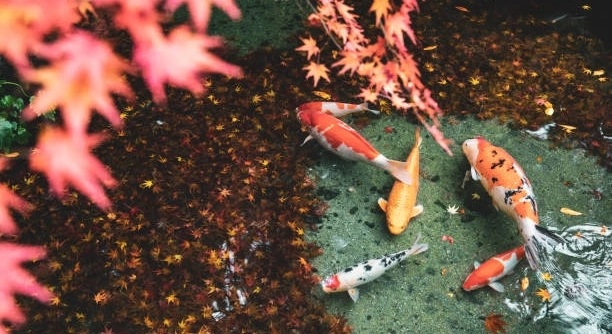
Koi ponds require careful attention to water temperature to maintain the health of the fish. Sudden or prolonged drops in temperature can affect the pond environment and the well-being of koi. Managing these changes is important for koi survival.
When koi pond temperature drops below their optimal range, koi fish metabolism slows down, leading to reduced activity and feeding. Prolonged cold can weaken their immune system, making them more susceptible to diseases and increasing mortality risk.
Understanding the effects of temperature changes will help maintain a healthy pond environment and support koi well-being throughout colder seasons.
Effects of Cold Temperature on Koi Health
Cold water slows koi fish metabolism, which reduces their activity and feeding habits. When the temperature drops, koi become less active and eat less because their bodies conserve energy. This can lead to weakened immune systems over time. Koi are more vulnerable to infections and diseases during extended cold periods. Sudden temperature changes can cause stress, making it harder for koi to fight off illness. It is important to monitor pond temperature regularly and maintain stable conditions. Providing a deep area in the pond can help koi find warmer spots. During winter, koi may enter a state of dormancy, reducing their need for food. However, if the water gets too cold, they risk hypothermia and other health problems. Keeping the pond clean and free of debris also helps maintain water quality and supports fish health during colder months.
Cold stress in koi can lead to increased risk of bacterial and parasitic infections.
Maintaining proper oxygen levels is crucial in cold water because koi breathe less efficiently when metabolism slows. Low oxygen can worsen health issues. Aeration systems help circulate water and increase oxygen levels, preventing stagnation. Ice formation on the pond surface reduces oxygen exchange, so keeping a hole in the ice allows gases to escape. Careful feeding with easily digestible food supports koi during colder months. Avoid overfeeding, as uneaten food can pollute the water and harm koi. Regular health checks help detect problems early. These steps can protect koi and improve their chances of surviving through cold spells.
Managing Pond Temperature Drops
Keeping the koi pond temperature stable is essential during colder seasons. Using pond heaters or de-icers can prevent the water from freezing and maintain a safer environment for the fish. These devices help keep the pond surface from icing over completely, ensuring oxygen exchange continues. It is important to choose equipment suitable for the pond size to avoid overheating or wasting energy. Positioning the heater properly ensures even heat distribution. Another method to reduce heat loss is adding pond covers or floating plants to insulate the water surface. Regularly removing leaves and debris reduces the risk of water contamination and supports better temperature control. Planning for winter conditions in advance can reduce stress on the koi and prevent sudden temperature shocks. By managing temperature effectively, koi remain healthier and more resilient to cold weather challenges.
Signs of Temperature Stress in Koi
Koi showing signs of temperature stress may swim sluggishly or hide more than usual. Loss of appetite and pale or dull coloration are common indicators. Monitoring these signs early can prevent serious health problems.
Temperature stress weakens koi immune systems, making infections more likely. Fish may show labored breathing or cling to the pond bottom. Changes in behavior such as erratic swimming or surface gasping can indicate oxygen shortages caused by cold water. Observing koi closely helps identify stress before it worsens. Adjusting pond conditions promptly is necessary to support their recovery. Cold stress may also lead to skin lesions or fungal infections. Maintaining stable water temperature and oxygen levels minimizes these risks. Providing clean water and a quiet environment helps koi regain strength during stressful periods.
Prompt action can improve koi survival during cold temperature stress. Avoid sudden changes, keep the pond clean, and reduce feeding until water warms. Regular checks ensure koi remain healthy through temperature fluctuations.
Preparing Your Pond for Cold Weather
Winter preparation is critical for koi pond health. Clearing debris and dead plants prevents decay that lowers oxygen levels. Reducing feeding gradually helps koi digest food better as metabolism slows. Installing a pond heater or aerator supports oxygen exchange and prevents ice formation. Testing water quality regularly detects harmful changes early. Deepening the pond or adding shelter areas gives koi places to avoid colder water layers. Sealing cracks in the pond liner prevents leaks and heat loss. Taking these precautions in advance reduces stress and health issues caused by temperature drops. Planning ahead protects koi and keeps the pond environment stable and balanced.
Common Temperature Ranges for Koi
Koi thrive best between 65°F and 75°F. Temperatures below 50°F cause their metabolism to slow significantly. Prolonged exposure to cold below 45°F can be harmful and stressful for koi.
Maintaining a stable temperature within this range helps koi stay active and healthy. Sudden drops outside these limits increase the risk of illness and reduce feeding behavior.
How to Safely Increase Pond Temperature
Gradually raising pond temperature prevents shock. Use pond heaters designed for outdoor use and avoid rapid warming. Monitoring temperature regularly ensures it stays within safe limits for koi health.
Preventing Ice Formation
Keeping a hole in the ice surface allows oxygen exchange. Pond heaters or floating de-icers help prevent full freezing during cold spells, protecting koi from oxygen depletion.
FAQ
What happens to koi when pond temperature drops suddenly?
A sudden drop in temperature causes koi metabolism to slow quickly. This reduces their activity and feeding, making them more vulnerable to stress and illness. Rapid changes can shock the fish, weakening their immune system and increasing the risk of infection. It is important to avoid quick temperature swings by monitoring the pond and using heaters or covers when necessary.
How low can koi pond temperature go before it harms the fish?
Koi can tolerate water temperatures down to about 35°F (1.5°C) for short periods, but anything below this can be harmful. Prolonged exposure to temperatures below 45°F (7°C) slows their metabolism and weakens their defenses. Extended cold can lead to hypothermia, making koi prone to disease and death. Keeping the pond above freezing is critical for their survival.
Can koi survive if the pond freezes over?
Koi can survive under ice if there is enough oxygen and the water temperature stays above freezing. A complete freeze without oxygen exchange is dangerous and often fatal. Using pond heaters or aerators to keep a hole in the ice allows gases to exchange and prevents harmful buildup of carbon dioxide. Regularly checking the pond during winter is essential.
How do koi behave in cold water?
In cold water, koi become less active and eat very little or stop feeding altogether. They often stay near the bottom or in deeper areas where water is slightly warmer. Their sluggish behavior helps conserve energy. During this time, koi enter a state similar to hibernation but still require clean water and oxygen.
Should koi be fed during cold weather?
Feeding should be reduced or stopped when pond temperatures fall below 50°F (10°C) because koi digestion slows. Uneaten food can pollute the water and harm fish. Feeding small amounts of easily digestible food can be done if the temperature is stable above 50°F, but avoid overfeeding. In very cold conditions, it is best to pause feeding.
What equipment helps maintain pond temperature?
Pond heaters, de-icers, and aerators are the most common equipment used. Heaters prevent freezing and keep water warm enough for koi activity. De-icers keep holes in ice for oxygen exchange. Aerators improve oxygen levels, which drop as cold water holds less oxygen and fish breathe slower. Choosing the right size for your pond is important.
Can plants help regulate pond temperature?
Floating plants can provide some insulation by shading the water and reducing heat loss. However, they cannot replace heaters or aerators in freezing conditions. Dead plant material should be removed to prevent water quality issues during winter. Plants also help maintain balanced oxygen levels in warmer months.
What signs indicate koi are stressed by cold?
Look for sluggish swimming, loss of appetite, pale coloration, and hiding. Gasps at the surface or staying near aeration points suggest low oxygen. Skin lesions or fungal growths may develop if stress is prolonged. Early detection helps prevent severe health problems.
How often should water quality be tested in cold weather?
Testing once a week is recommended during cold months. Monitor oxygen, ammonia, nitrite, and pH levels closely. Cold water slows down bacterial activity that breaks down waste, so toxins can build up if not managed. Regular partial water changes keep the environment safe.
Is it better to bring koi indoors during winter?
Bringing koi indoors requires a proper aquarium or tank setup with controlled temperature, filtration, and oxygen supply. This can be done if the pond cannot be adequately heated. However, moving koi stresses them, so it should be done carefully and only if necessary. Most outdoor ponds can be managed for winter with the right equipment.
Final Thoughts
Managing koi pond temperature during cold weather is essential for the health and well-being of your fish. Koi are sensitive to sudden changes and prolonged exposure to low temperatures, which can affect their metabolism and immune system. Keeping the water within a safe temperature range helps prevent stress and reduces the chances of disease. Regular monitoring and taking steps to maintain stable conditions can make a significant difference in how well your koi handle colder months.
Preparation is key when it comes to protecting koi in a pond during winter. Simple measures such as cleaning debris, reducing feeding gradually, and installing appropriate equipment like heaters or aerators help create a safer environment. Preventing ice formation and maintaining oxygen levels supports koi survival in cold conditions. Taking time before winter arrives to ready your pond reduces risks and provides your koi with the best possible chance to thrive despite temperature drops.
Understanding how temperature affects koi behavior and health allows you to respond effectively when conditions change. Watching for signs of stress and adjusting care routines accordingly can help avoid serious problems. Cold weather management is not only about keeping the pond warm but also about maintaining water quality and oxygen supply. Consistent attention during the colder months ensures your koi stay healthy and ready to become active again as temperatures rise.

Hello,
If you enjoy the content that we create, please consider saying a "Thank You!" by leaving a tip.
Every little bit helps us continue crafting quality advice that supports the health, happiness, and well-being of pets around the world, for pets of all shapes, sizes, and species.
We really appreciate the kindness and support that you show us!