
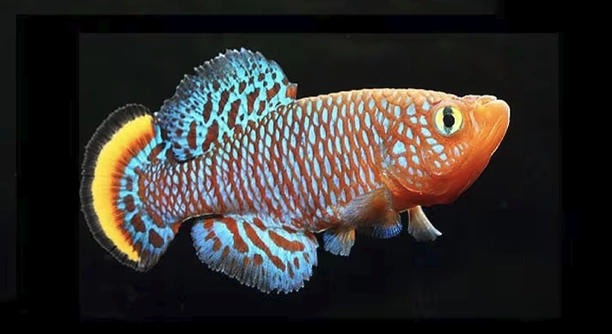
Killis are small fish that rely heavily on their environment to thrive. Light plays an important role in their daily lives and overall health. Understanding what happens when they don’t get enough light is important for their care.
When killis are deprived of light, their biological rhythms become disrupted. Lack of light can lead to decreased activity, poor feeding habits, and weakened immune responses. Prolonged absence of light may result in stress and hindered growth.
Recognizing the effects of light deprivation helps ensure killis stay healthy and active in their habitat. This article will explore these impacts and how to provide proper care.
Why Light Matters for Killis
Light affects many aspects of killis’ behavior and health. These fish depend on light to regulate their natural rhythms, such as feeding and activity patterns. When they get enough light, they remain active and alert, exploring their environment and searching for food. Without proper lighting, killis may become lethargic and less interested in eating. Light also influences their coloration, which can fade if they don’t receive enough. This makes them appear dull and less vibrant. Moreover, light helps support the growth of beneficial plants and microorganisms in the tank, which contribute to a balanced ecosystem. The right light exposure encourages natural behavior, keeping killis comfortable and healthy.
In short, light is a key factor that supports killis’ physical and behavioral well-being, affecting everything from their energy levels to their appearance.
Providing a stable and appropriate light cycle ensures killis can live in a healthy, supportive environment. This includes using timers to maintain consistent light and dark periods. Balancing natural and artificial light can mimic their natural habitats and improve overall tank conditions. Understanding how much light killis need helps prevent stress and illness, contributing to longer lifespans and more vivid coloration. Adjusting light levels gradually when setting up the tank is important to avoid shocking the fish. Proper lighting also supports breeding behavior, as killis respond to changes in day length and light intensity. Paying attention to these details helps create a thriving home for killis.
Effects of Light Deprivation
When killis experience a lack of light, their immune system weakens, making them more vulnerable to diseases. They may also stop eating regularly and show signs of stress, which can lead to early death.
A consistent absence of light disrupts killis’ natural cycles, causing long-term health problems. Stress hormones increase, lowering their resistance to infections. Behavioral changes include hiding, reduced movement, and loss of interest in their surroundings. These signs indicate poor tank conditions and the need to adjust lighting. Light deprivation can also hinder their reproductive behavior, preventing spawning and affecting population growth. Tank environments without sufficient light fail to support plant life, which affects water quality and oxygen levels. This creates an unhealthy habitat that further endangers killis. Proper lighting improves their chances for survival, promotes normal activity, and enhances overall well-being. Keeping an eye on light exposure helps maintain a balanced ecosystem where killis can flourish.
How to Provide Proper Light for Killis
Providing the right amount of light is essential for killis’ health. Too much or too little light can cause stress and health issues. A balanced light schedule mimics their natural habitat, helping them stay active and healthy.
Use a timer to ensure killis get about 10 to 12 hours of light daily. This consistency supports their natural biological rhythms and helps regulate feeding and resting cycles. Avoid placing the tank in direct sunlight, which can cause temperature fluctuations and algae growth. Instead, use aquarium-specific LED lights that offer adjustable intensity. Gradually introduce new lighting to prevent sudden changes that can stress the fish. Observing their behavior under different lighting helps find the ideal balance for your killis.
In addition to timing and light intensity, the quality of light matters. Full-spectrum lighting that simulates natural daylight supports both fish and plant health. Plants in the tank help improve water quality and provide hiding places, reducing stress for killis. Maintaining clean water and stable temperature along with proper lighting creates an environment where killis can thrive. Regular monitoring and adjustments help ensure the lighting conditions meet their needs.
Signs Your Killis Are Not Getting Enough Light
Killis that don’t get enough light may become inactive and lose their vibrant colors. They may hide more and stop feeding properly, showing signs of stress.
Lack of light can also affect their growth and immune function. They may develop dull or faded scales, which indicates poor health. Behavioral changes like sluggish movement and avoiding interaction with other fish are common. These signs suggest the need to check and improve lighting conditions in the tank. Ensuring proper light exposure helps reverse these issues and supports recovery. If these signs persist, it may be necessary to review other tank conditions, such as water quality and temperature, as they can also affect fish health. Lighting should always be part of the overall care routine.
Adjusting Light for Different Killis Species
Different killis species have varying light needs based on their natural habitats. Some prefer dimmer environments, while others thrive with brighter lighting.
Observing your specific killis helps tailor light levels. Adjust gradually to avoid causing stress or health problems.
Using Timers to Maintain Consistent Lighting
Timers help create a stable light schedule, essential for killis’ biological rhythms. Consistency reduces stress and supports regular feeding and resting cycles.
Setting timers for about 10 to 12 hours of light daily replicates natural day lengths, helping killis stay healthy and active.
Avoiding Common Lighting Mistakes
Avoid placing the tank in direct sunlight, which can overheat water and cause algae blooms. Overly bright or inconsistent lighting can stress killis and disrupt their behavior.
Balancing light intensity and duration creates a comfortable environment, promoting killis’ well-being.
FAQ
How much light do killis need each day?
Killis typically need about 10 to 12 hours of light daily. This amount mimics their natural environment and helps regulate their feeding and resting patterns. Using a timer ensures they get consistent light exposure without overdoing it. Too much light can stress them, while too little can affect their health.
Can killis survive in low light conditions?
Killis can survive in low light for short periods, but prolonged low light weakens their immune system and disrupts natural behavior. Without enough light, they become less active, lose color, and may stop eating properly. It’s important to provide enough light to keep them healthy and active.
What type of lighting is best for killis?
Full-spectrum LED lighting is ideal for killis. It simulates natural daylight and supports both fish and plant health in the tank. Adjustable brightness helps fine-tune the light levels based on the species’ needs. Avoid harsh or overly bright lights that can stress the fish.
Is direct sunlight harmful to killis tanks?
Yes, direct sunlight can cause temperature fluctuations and excessive algae growth in the tank. These conditions create stress and poor water quality, which harm killis. Position the tank away from windows or use curtains to block sunlight. Artificial lighting is safer and easier to control.
How do I know if my killis are stressed from lighting?
Signs of stress from lighting include hiding more than usual, faded colors, sluggish movement, and loss of appetite. These behaviors suggest the lighting is too strong, too weak, or inconsistent. Adjust the light gradually and monitor their response to improve their comfort.
Can lighting affect killis breeding?
Yes, lighting plays a role in killis breeding behavior. Many killis respond to changes in day length and light intensity, which can trigger spawning. Providing a proper light cycle helps encourage breeding by mimicking natural seasonal changes.
Should I change lighting when introducing new plants to the tank?
Yes, plants require light to grow and maintain water quality. When adding plants, ensure the lighting supports their needs without stressing the killis. Gradually increase light intensity if necessary and watch for any signs of stress in the fish.
What happens if the light schedule is inconsistent?
Inconsistent lighting disrupts killis’ biological rhythms, leading to stress, poor feeding, and weakened immune responses. Regular light cycles help maintain stable behavior and health. Using a timer is the best way to keep a consistent schedule.
Can killis adapt to different light intensities?
Killis can adapt to some extent, but sudden changes in light intensity cause stress. Gradual adjustments give them time to get used to new conditions without harm. Observing their behavior during changes helps ensure they remain comfortable.
How important is the color temperature of the light?
Color temperature affects how natural the light feels to killis. A full-spectrum light with a balanced color temperature mimics daylight and supports natural behavior and plant growth. Avoid lights that are too blue or too yellow, as they may not meet the tank’s needs.
Final Thoughts
Proper lighting is essential for keeping killis healthy and active. It affects many important aspects of their lives, including their behavior, feeding, and immune system. Without enough light, killis can become stressed, lose their vibrant colors, and even suffer from health problems. Providing a consistent light schedule that mimics their natural environment helps them maintain regular biological rhythms. Using timers to control lighting makes it easier to keep a stable routine. This simple step can make a big difference in their overall well-being.
Choosing the right type of light is also important. Full-spectrum LED lights are recommended because they simulate natural daylight and support both fish and plants in the tank. Plants play a helpful role by improving water quality and offering hiding spots, which reduce stress for killis. Avoid placing the tank in direct sunlight to prevent overheating and algae growth. Gradual adjustments in lighting intensity help killis adapt without stress. Observing their behavior regularly can provide clues about whether the current lighting setup is working well or needs changes.
Ultimately, lighting is just one part of good killis care. Along with proper feeding, clean water, and a suitable tank environment, it helps create a balanced and healthy home for these fish. Paying attention to their lighting needs supports their natural habits and promotes longer, healthier lives. Keeping killis comfortable through appropriate light exposure is a straightforward way to ensure they stay vibrant and active. Taking these steps shows care and commitment, resulting in a thriving aquarium where killis can flourish.

Hello,
If you enjoy the content that we create, please consider saying a "Thank You!" by leaving a tip.
Every little bit helps us continue crafting quality advice that supports the health, happiness, and well-being of pets around the world, for pets of all shapes, sizes, and species.
We really appreciate the kindness and support that you show us!