
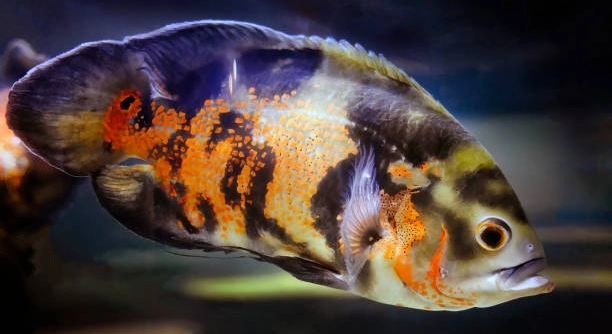
Cichlids are known for their careful parenting, tending to eggs and fry with dedication. Losing fry can be upsetting for both the fish and their owner. Understanding this process helps in maintaining a healthy aquarium environment.
When cichlids lose their fry, it is usually due to stress, poor water conditions, or insufficient parental care. The loss impacts the parents’ behavior and may influence future reproductive success, making it essential to monitor and maintain optimal tank conditions.
The effects on the parents and tank environment extend beyond immediate fry loss, influencing behavior, breeding, and overall fish well-being.
Common Reasons Cichlids Lose Their Fry
Cichlids can lose their fry for several reasons, many of which relate to the environment or parental behavior. Poor water quality, sudden temperature changes, and overcrowding create stress, making fry more vulnerable. Inexperienced parents may accidentally harm the fry while cleaning or defending the nest. Aggressive tankmates can also threaten their safety, leaving the fry exposed. Even subtle shifts, like changes in diet or lighting, can affect parental instincts. Stress in adult fish often leads to neglect or cannibalism, which is a natural but distressing response. By observing tank conditions closely, you can identify patterns and reduce risk. Maintaining consistent water parameters, providing hiding spaces, and minimizing disturbances support the fry’s survival. Feeding parents properly strengthens their health, improving care for the young. Over time, understanding the specific needs of your cichlid species will help prevent repeat losses and support more successful breeding efforts.
Maintaining stable water conditions and minimizing stress can dramatically improve fry survival rates.
Providing the right environment, proper diet, and secure hiding spaces encourages better parental care. Observing interactions closely ensures any threats are addressed early, helping maintain healthy and thriving fry populations.
How Fry Loss Affects Cichlid Parents
Losing fry can trigger noticeable changes in parental behavior.
Parents may become more aggressive, withdrawn, or hesitant to breed again.
Fry loss impacts cichlid parents both physically and emotionally. After losing their young, some adults show signs of stress, including decreased activity or loss of appetite. This stress can persist for days or weeks, influencing how they interact with tankmates or approach future breeding. In some cases, parents may attempt to lay eggs again quickly, while others may retreat and delay reproduction. Environmental factors that caused the loss, such as water quality or overcrowding, often exacerbate stress levels. Observing these behaviors allows you to adjust care and tank setup, promoting recovery. Providing a calm, stable environment and consistent feeding helps parents regain confidence. Over time, these adjustments support healthier breeding cycles and stronger fry care, reducing the likelihood of repeated losses. Keeping track of behavior changes is essential for long-term tank success.
Preventing Fry Loss
Providing hiding spots like plants, rocks, or breeding cones can reduce fry vulnerability. Keeping tank conditions stable and minimizing sudden changes also supports survival.
Monitoring water quality is essential for fry health. Regular tests for ammonia, nitrites, and nitrates help maintain safe levels. Clean water reduces stress on both parents and fry, lowering mortality risks. Avoid overfeeding and overcrowding, as excess waste and competition can harm young fish. Observing parents during breeding allows early intervention if aggression or neglect occurs. Adjusting tank layout, adding shelters, and separating aggressive adults when necessary increases fry survival. A calm environment encourages natural parental care, giving fry the best chance to grow.
Nutrition plays a key role in preventing fry loss. Feeding parents a balanced diet strengthens their health and instincts. Offering varied foods like live or frozen items ensures they receive essential proteins and vitamins, which improves their ability to care for the fry. Healthy parents are more attentive, less aggressive, and more likely to protect young. Over time, maintaining consistent feeding routines supports both adult vitality and fry development, reducing stress-related losses and promoting a thriving aquarium.
Recovering After Fry Loss
After fry loss, parents may need time to regain normal behavior. Provide a calm, stable environment and avoid disturbances.
Fry loss affects both parents and tank dynamics. Removing aggressive tankmates and maintaining consistent water conditions helps adults recover. Monitoring their behavior ensures they regain appetite and activity. Stress from loss can cause temporary withdrawal or unusual aggression, which may impact future breeding if unaddressed. Offering nutritious food, maintaining hiding spaces, and minimizing handling encourages recovery. Some cichlids may attempt to breed again quickly, while others require more time. Patience and careful observation allow parents to regain confidence, restoring healthier interactions with tankmates. Observing these patterns informs adjustments for better outcomes in future breeding.
Common Mistakes That Lead to Fry Loss
Overcrowding the tank often increases stress and aggression among adults, putting fry at risk. Inconsistent water changes or poor filtration can allow harmful substances to build up quickly.
Feeding inappropriate food or overfeeding adults can also harm fry. Uneaten food decomposes, affecting water quality and creating unsafe conditions for young cichlids.
Signs of Fry Stress
Fry that are stressed often hide more than usual and may swim erratically. Slow growth, pale coloration, or lethargy also indicate environmental or parental issues. Observing these signs early allows adjustments to improve survival, such as adding shelters or separating aggressive adults.
Supporting Healthy Fry Growth
Providing small, frequent meals of high-quality live or prepared foods supports proper growth. Maintaining stable water conditions and avoiding sudden changes encourages healthy development.
FAQ
Why do cichlids eat their own fry?
Cichlids may eat their fry due to stress, poor water conditions, or inexperience as parents. Aggressive tankmates or overcrowding can trigger this behavior. Sometimes adults consume fry if they feel the young cannot survive, which is a natural survival instinct rather than intentional cruelty.
How can I prevent fry from being eaten?
Provide plenty of hiding spaces such as plants, rocks, or breeding cones. Maintain stable water conditions, avoid overcrowding, and minimize sudden disturbances. Observing parental behavior helps identify aggression early, allowing you to separate fry or adults if necessary. Proper nutrition also improves parental care.
What water parameters are best for fry survival?
Fry need clean, stable water. Ammonia and nitrite levels should remain at zero, while nitrates stay low. Temperatures should match the species’ natural environment, and sudden fluctuations must be avoided. Regular testing and partial water changes support a safe, consistent environment.
How often should I feed fry?
Fry require small, frequent meals to grow properly. Depending on age, feeding three to six times a day is common. High-quality live foods like baby brine shrimp or finely crushed flakes provide essential nutrients. Maintaining a consistent feeding schedule encourages healthy growth.
Do parents always care for their fry?
Not all cichlid parents are equally attentive. First-time breeders or stressed adults may neglect or harm their fry. Providing a calm environment, proper diet, and shelter increases the chances of successful parental care. Observing behavior is key to determining if intervention is necessary.
Can fry survive without their parents?
Yes, fry can survive without parents if they are carefully fed and provided safe shelter. Raising them in a separate nursery tank reduces stress and protects them from aggression. Close monitoring and consistent feeding are essential for survival and healthy growth.
What should I do if fry die unexpectedly?
Check water quality immediately, as poor parameters are often the cause. Remove any aggressive tankmates and ensure the tank is clean. Review feeding practices and adjust diet if necessary. Observing the adults’ behavior may provide clues about stress or inexperience that led to the loss.
Does losing fry affect future breeding?
Yes, adult cichlids may become more cautious or aggressive after losing fry. Stress can influence behavior in future breeding attempts. Providing a calm environment and consistent care helps restore confidence and increases the chances of successful reproduction.
How long do fry stay vulnerable?
Fry are most vulnerable in the first few weeks after hatching, depending on the species. Providing hiding spaces and monitoring adults during this period is crucial. After this stage, they become more independent and better able to avoid threats from tankmates or environmental stressors.
Is there a way to tell if fry are healthy?
Healthy fry are active, swim steadily, and show consistent growth. They have bright coloration and respond to feeding. Pale coloration, sluggish movement, or irregular swimming indicates stress, poor nutrition, or environmental problems. Regular observation allows early intervention to correct issues and improve survival.
Can changing tankmates reduce fry loss?
Yes, removing aggressive or overly curious tankmates can improve fry survival. Some fish species are prone to harass or eat fry. Keeping compatible adults together and providing shelters for young reduces stress and increases the chances that fry will grow safely.
Are all cichlid species equally protective of their fry?
No, species vary in parental care. Some, like Apistogramma and certain African cichlids, are highly attentive, while others may be less careful. Understanding the species’ natural behavior helps in providing the right environment and care for successful fry rearing.
What role does diet play in fry survival?
A balanced diet for parents improves their health and instincts, reducing fry loss. Feeding fry proper food supports growth and immunity. Lack of nutrition can lead to weak fry, making them more vulnerable to disease, aggression, or parental neglect.
How can I manage multiple broods in one tank?
Separate broods into different areas or tanks to prevent aggression. Provide sufficient hiding spaces and monitor adults closely. Managing multiple broods requires careful feeding, water maintenance, and observation to ensure all fry have a chance to grow safely.
When should I intervene in fry care?
Intervene if parents show aggression, neglect, or the environment is unsafe. Use a nursery tank if necessary. Early action increases survival rates, while giving attentive parents space when conditions are good allows natural care to continue without stress.
Are environmental changes risky for fry?
Yes, sudden changes in temperature, pH, or lighting can stress fry and parents. Maintaining stable, species-appropriate conditions is critical. Even small fluctuations can reduce survival rates, especially during the first weeks of life.
Can fry loss be predicted?
Patterns in adult behavior, water quality, and tank conditions can indicate risk. Observing stress, aggression, or neglect helps anticipate potential problems. Regular monitoring and proactive adjustments reduce the likelihood of fry loss, improving overall breeding success.
How important is tank cleanliness for fry survival?
Extremely important. Uneaten food, waste, and decaying plants can quickly harm fry. Regular water changes, proper filtration, and careful removal of debris maintain a healthy environment, reduce stress, and protect both fry and parents.
Do cichlids need specific breeding conditions to keep fry safe?
Yes, providing species-specific conditions such as temperature, hiding spaces, and water parameters increases survival rates. Understanding natural habitat preferences and replicating them in the tank helps reduce stress and encourages attentive parental care.
What is the best way to track fry growth?
Monitor size, activity, and feeding response regularly. Keeping notes on growth rates and behavior helps identify health issues early. Adjustments in feeding, water quality, or tank layout can be made to support consistent, healthy development over time.
How long until fry are independent?
Independence varies by species but usually occurs several weeks after hatching. Fry gradually become less dependent on parents for protection and feeding. During this period, providing shelter, consistent food, and stable conditions is critical to ensure survival and healthy growth.
Final Thoughts
Losing fry is a difficult experience for anyone keeping cichlids. It is natural to feel frustrated or concerned when the young do not survive. Understanding the reasons behind fry loss can help prevent repeated problems. Stress, water quality, aggression, and inexperience are the main factors that affect survival. Observing your fish closely allows you to see patterns in behavior and tank conditions. Taking steps to reduce stress, provide hiding spaces, and maintain stable water parameters can make a significant difference. Even small adjustments, like rearranging decorations or adding plants, create safer spaces for fry to grow. Consistency is key, as sudden changes can increase mortality. Keeping track of adult behavior, feeding habits, and water parameters over time allows you to identify issues before they become serious. Patience and attention to detail improve not only the survival of fry but also the overall health and comfort of your cichlids.
Nutrition also plays a critical role in fry survival. Healthy, well-fed parents are more likely to care for their young properly. Offering a balanced diet that includes live, frozen, or high-quality prepared foods ensures adults have the energy and nutrients needed for attentive parenting. Fry themselves require frequent small meals to grow steadily and develop strong immune systems. Providing proper nutrition reduces stress and strengthens natural instincts, making parents more protective and attentive. It is important to monitor how both adults and fry respond to food, adjusting as necessary to ensure everyone receives enough without overfeeding. Overfeeding can harm water quality, while underfeeding can weaken fish and increase the risk of fry loss. Observing feeding patterns closely gives insight into overall tank health and allows you to address issues quickly. Nutrition, combined with a clean and stable environment, forms the foundation for a thriving aquarium and a higher survival rate for young cichlids.
Recovery after fry loss is an important step for both fish and keeper. Adults may become more cautious, aggressive, or withdrawn after losing fry, which can affect future breeding attempts. Providing a calm environment and minimizing disturbances helps parents regain confidence. Some cichlids may attempt to breed again quickly, while others need more time. Observing behavior carefully allows you to know when it is safe to encourage another breeding attempt. Learning from each loss improves future outcomes. Adjusting tank conditions, improving water quality, and ensuring adults are healthy and well-fed increases the likelihood of successful fry survival next time. By combining careful observation, proper nutrition, and consistent care, you create an environment where cichlids can thrive and young fish have the best chance of growing strong and healthy. Fry loss is challenging, but with patience and attention, it is possible to reduce risks and support both adults and their future offspring effectively.

Hello,
If you enjoy the content that we create, please consider saying a "Thank You!" by leaving a tip.
Every little bit helps us continue crafting quality advice that supports the health, happiness, and well-being of pets around the world, for pets of all shapes, sizes, and species.
We really appreciate the kindness and support that you show us!