
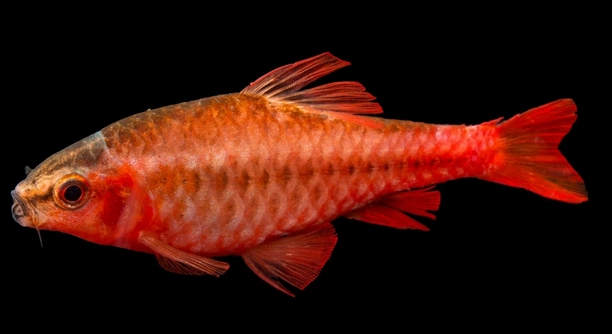
Cherry barbs are a popular fish in aquariums, known for their vibrant colors and peaceful nature. However, keeping them happy and healthy requires attention to their social behaviors, particularly their tendency to school.
If cherry barbs do not school, it can lead to stress, which may negatively affect their health. These fish are naturally social and thrive in groups. Without companions, they may become more susceptible to illness and exhibit signs of anxiety.
Learning how to create a suitable environment for your cherry barbs will ensure they feel comfortable and thrive in their aquarium.
Why Do Cherry Barbs School?
Cherry barbs are naturally inclined to school due to their instinctive behavior for protection and social interaction. In the wild, schooling helps them avoid predators and increases their chances of finding food. This behavior is deeply ingrained, and it provides a sense of security. When placed in an aquarium without enough companions, cherry barbs may feel vulnerable, leading to stress and poor health. This stress can manifest as a loss of color, lethargy, or erratic swimming patterns. To help cherry barbs feel comfortable, it’s essential to mimic their natural environment by keeping them in groups. The more cherry barbs you have, the better their chances of remaining calm and healthy.
A school of cherry barbs should ideally consist of six or more individuals. More barbs in the tank contribute to a more relaxed atmosphere, reducing stress.
Providing a proper number of cherry barbs in your aquarium can enhance their behavior and overall well-being. When you ensure that they have enough companions, you’re creating an environment that allows them to thrive in a way that feels safe and natural to them.
Signs That Your Cherry Barbs Are Stressed
Cherry barbs often show noticeable signs of stress when they are not schooling. One of the most common signs is a loss of color. Healthy cherry barbs have vibrant hues, but stress can cause them to look dull and washed out. Additionally, stressed barbs might display erratic swimming patterns. Instead of moving in unison with others, they may swim aimlessly or hover in one area of the tank.
It’s important to check the tank’s environment if you notice these behaviors. Stress can be triggered by various factors, including water quality, tank size, and the absence of other fish. Ensuring that cherry barbs have the proper conditions, such as clean water and enough space, can reduce these signs.
How Many Cherry Barbs Should You Keep Together?
Cherry barbs should be kept in schools of at least six individuals. This group size helps them feel secure, as they are social fish. Without a proper school, cherry barbs may experience stress, which can lead to health problems. A larger group provides more stability, and they will engage in natural behaviors when surrounded by their own kind.
Providing a minimum of six cherry barbs not only ensures a stress-free environment but also allows them to exhibit the typical schooling behavior. This number promotes their well-being, allowing them to move, feed, and interact in a way that resembles their natural habitat.
If your aquarium can support more, increasing the number to ten or twelve is ideal. A larger school will provide even more comfort for the barbs and contribute to a more harmonious tank. It’s important to make sure that your aquarium has enough space for the group to swim and explore comfortably.
What Size Tank Do Cherry Barbs Need?
For a group of six cherry barbs, a tank size of at least 20 gallons is recommended. This gives them ample space to move around and interact with one another. Smaller tanks can feel cramped, leading to territorial disputes and stress.
A larger tank allows for a better water flow and more hiding places, which is crucial for cherry barbs. These fish prefer having some plants and decorations in their environment to feel secure. A well-maintained tank with enough space for swimming encourages natural behaviors, keeping your barbs happy and healthy.
While a 20-gallon tank is a minimum, opting for a larger tank will enhance the environment for your fish. If you plan on adding other species, consider increasing the tank size. Cherry barbs do well in community tanks, but they need enough room to avoid overcrowding and stress.
Can Cherry Barbs Live Alone?
Cherry barbs are social fish and do not thrive when kept alone. They need the company of their own kind to feel safe and secure. Being alone in an aquarium can lead to stress, reduced activity, and even health issues.
Keeping a solitary cherry barb can cause them to become anxious. Without the opportunity to school, they may lose their natural behaviors and exhibit signs of stress. It’s always best to keep them in a group of at least six, allowing them to interact and feel comfortable in their environment.
The Best Tankmates for Cherry Barbs
Cherry barbs are peaceful and adaptable, making them suitable for community tanks. They do well with other non-aggressive fish, such as rasboras, tetras, and corydoras catfish. Avoid aggressive species that might intimidate them.
Adding other peaceful species to the tank can help keep the barbs engaged and reduce stress. However, make sure the tank is not overcrowded. Each species should have enough space to swim freely without feeling threatened. Properly chosen tankmates will help create a harmonious, stress-free environment for your cherry barbs.
Tank Conditions for Cherry Barbs
Cherry barbs prefer slightly acidic to neutral water with a temperature range of 72°F to 80°F. Maintaining good water quality is essential for their well-being. Regular water changes and proper filtration are necessary to keep the environment clean and healthy.
Cherry barbs can be sensitive to poor water conditions, so it’s crucial to monitor ammonia, nitrite, and nitrate levels regularly. Using a reliable water test kit will help you keep track of the water parameters. Regular maintenance ensures that your barbs live in a stable, clean, and healthy environment.
FAQ
Why are my cherry barbs not schooling?
Cherry barbs may not school if they are stressed, sick, or isolated. If they don’t have enough companions, they are less likely to engage in natural schooling behavior. Ensure they are in a group of at least six and that their tank conditions are stable. Poor water quality or improper tankmates can also cause them to avoid schooling.
Can I keep cherry barbs with other fish?
Yes, cherry barbs are peaceful and get along well with other non-aggressive fish. They are compatible with species like tetras, rasboras, and corydoras catfish. Avoid placing them with aggressive species, as they may become stressed or intimidated. Make sure the other fish are similar in size and temperament to keep the tank peaceful.
Do cherry barbs need a lot of space?
Cherry barbs do better with more space. A tank of at least 20 gallons is recommended for a group of six or more. This allows them to swim freely and reduces stress. More space gives them room to school, find food, and explore. A cramped environment can lead to territorial issues and anxiety.
How many cherry barbs can I keep in a 30-gallon tank?
In a 30-gallon tank, you can comfortably keep a group of 10-12 cherry barbs. With this number, they can school together, feel safe, and interact with each other. This size tank also allows for some additional peaceful tankmates without overcrowding. Always keep in mind that each fish needs sufficient space to thrive.
What are the ideal water parameters for cherry barbs?
Cherry barbs prefer slightly acidic to neutral water, with a pH of 6.0 to 7.5. The water temperature should be between 72°F and 80°F. Regular water changes and proper filtration are essential to maintaining good water quality. Test your water regularly for ammonia, nitrites, and nitrates to ensure safe conditions for your fish.
Can cherry barbs live in cold water?
No, cherry barbs are tropical fish and require warmer water to thrive. They do best in temperatures ranging from 72°F to 80°F. Cold water can weaken their immune system, making them susceptible to diseases. Using a heater will help maintain the optimal water temperature for their health.
How can I tell if my cherry barbs are stressed?
Signs of stress in cherry barbs include faded colors, lethargy, erratic swimming, or hiding in corners. If they are not schooling or interacting with other fish, this could indicate stress. Stress can be caused by poor water quality, a lack of tankmates, or an unsuitable environment.
Can I breed cherry barbs in a community tank?
While it’s possible to breed cherry barbs in a community tank, it may be challenging to raise the fry in a tank with other fish. Cherry barbs are not aggressive, but other species may eat the eggs or fry. To increase the chances of successful breeding, consider setting up a separate breeding tank for the eggs and fry.
How do I care for baby cherry barbs?
Baby cherry barbs require special care to ensure they grow healthy. After hatching, they need infusoria or powdered fry food until they are large enough to eat regular fish food. The water conditions should be optimal, with clean water and the right temperature. Once they grow, they can be introduced to the main tank.
Why are my cherry barbs losing their color?
Fading color can be a sign of stress, poor water quality, or illness. If your cherry barbs are not schooling, have poor water conditions, or are alone, their vibrant colors may dull. Ensure they have enough tankmates, proper water quality, and a stress-free environment to restore their health.
Can I feed cherry barbs live food?
Yes, cherry barbs can eat live food, such as brine shrimp, daphnia, and small worms. Live food is a good source of nutrition and can help improve their color and activity levels. However, it’s important to ensure the live food is free from parasites and contaminants to avoid infecting your fish.
How long do cherry barbs live?
Cherry barbs typically live for 3-5 years, although with proper care, they can live up to 6 years. Providing a stable environment, optimal water quality, and a balanced diet can help extend their lifespan. Keeping them in groups and avoiding stress will also contribute to their overall health.
Can cherry barbs live with shrimp?
Yes, cherry barbs can live with shrimp, such as cherry shrimp or ghost shrimp. They are generally peaceful and will not bother the shrimp. However, if the shrimp are small or molting, they could be at risk of being eaten. Make sure the shrimp have plenty of hiding spots to avoid stress.
Are cherry barbs aggressive?
No, cherry barbs are not aggressive. They are peaceful and make excellent tankmates for other non-aggressive fish. However, males can be territorial during breeding seasons, and they may show some aggression towards other males. This behavior is usually not harmful, and a well-stocked tank can reduce territorial disputes.
What is the best food for cherry barbs?
Cherry barbs are omnivores and benefit from a varied diet that includes high-quality pellets, flakes, and occasional live or frozen foods like brine shrimp, bloodworms, and daphnia. A mix of plant-based and protein-rich food will help keep them healthy and vibrant.
Do cherry barbs need a filter?
Yes, a filter is essential for maintaining clean and healthy water for your cherry barbs. A filter helps remove waste, toxins, and uneaten food, keeping the water oxygenated. Regular water changes are also necessary to ensure the water remains in optimal conditions.
How do I prevent my cherry barbs from being stressed?
To prevent stress in cherry barbs, ensure they are in a well-maintained tank with stable water parameters. Keep them in a group of at least six to encourage natural schooling behavior. Avoid overcrowding, provide plenty of hiding spots, and monitor tankmates for aggression or compatibility issues.
Final Thoughts
Cherry barbs are peaceful, colorful fish that can thrive in community tanks when given the right care. While they are naturally social creatures and prefer to school, they can also adapt to a variety of environments when kept with compatible tankmates. It’s important to maintain proper water conditions, such as a slightly acidic to neutral pH, and ensure the water temperature remains between 72°F and 80°F. Regular maintenance, including water changes and monitoring water quality, helps keep them healthy.
A well-balanced diet is another key factor in their well-being. Cherry barbs are omnivores and will benefit from a variety of foods, including high-quality pellets, flakes, and occasional live or frozen foods. Feeding them a balanced diet helps keep them active and vibrant. Additionally, providing them with a peaceful, stress-free environment will allow them to show off their natural colors and engage in natural behaviors, such as schooling. Avoid overcrowding the tank and ensure enough space for them to swim freely.
Overall, cherry barbs are a great addition to a tropical aquarium. With their peaceful nature and vibrant appearance, they make an excellent choice for both beginner and experienced fishkeepers. By maintaining proper water parameters, choosing suitable tankmates, and offering a varied diet, you can ensure they live long, healthy lives in your aquarium. These fish are hardy and adaptable, making them an enjoyable species to care for and observe in a well-kept tank.

Hello,
If you enjoy the content that we create, please consider saying a "Thank You!" by leaving a tip.
Every little bit helps us continue crafting quality advice that supports the health, happiness, and well-being of pets around the world, for pets of all shapes, sizes, and species.
We really appreciate the kindness and support that you show us!