
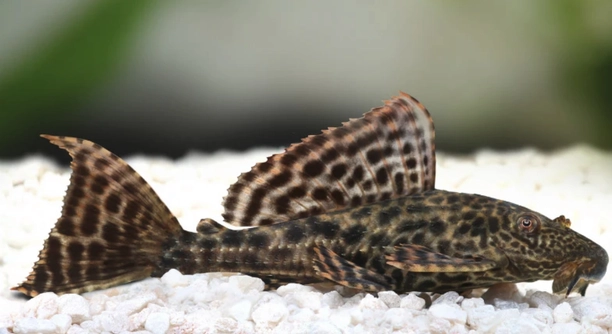
When keeping a pleco in your aquarium, temperature plays a crucial role in its well-being. A drop in temperature can affect their health and behavior, so it’s important to know what could happen if they get too cold.
If a pleco gets too cold, it can become lethargic, stop eating, and may even suffer from serious health issues. Prolonged exposure to low temperatures weakens their immune system, making them more susceptible to infections and diseases.
Keeping your pleco in an appropriate temperature range will ensure they thrive in your tank. Understanding the signs of cold stress can help you take the right steps to protect your fish.
What Happens to a Pleco’s Health When It Gets Too Cold?
When a pleco is exposed to cold water, it can start to experience stress. Unlike some fish, plecos are more sensitive to sudden drops in temperature. This can lead to a decrease in activity, with your pleco spending most of its time hiding or staying still. They might stop eating and may even develop cloudy eyes or damaged fins. If the water temperature remains too low for too long, your pleco’s immune system could weaken, making it more vulnerable to infections. Plecos are cold-blooded, so their metabolism slows down when the water is too cold, leading to health issues.
Low temperatures can affect not only a pleco’s behavior but also its overall health. Their digestive system slows down, and they struggle to process food properly, leading to malnutrition over time.
The longer the pleco is exposed to low temperatures, the more serious the health risks become. If left untreated, it can lead to organ failure and, in some cases, death. Keeping a consistent water temperature in your tank will help avoid these issues and keep your pleco healthy.
Identifying the Signs of a Cold-Stressed Pleco
If you notice your pleco spending more time hiding or being inactive, it could be a sign of cold stress.
It’s important to monitor the temperature in your aquarium regularly. If the water temperature drops below the recommended range, which is typically between 74°F to 80°F (23°C to 27°C), you may start to see signs of cold stress. These include sluggish movements, loss of appetite, and erratic swimming. The pleco may also begin to exhibit abnormal behaviors like floating near the surface or sinking to the bottom of the tank. Keep a close eye on your fish to catch these changes early, so you can adjust the water temperature quickly.
Why Temperature Control is Essential for Plecos
Keeping your aquarium’s temperature steady is crucial for your pleco’s health. Cold water affects their metabolism and makes them more prone to illness. A consistent temperature range helps maintain normal behavior and digestion. Without proper temperature control, your pleco may struggle to stay active and healthy.
A good aquarium heater can help regulate the water temperature, ensuring that it stays within the safe range. Make sure it’s suitable for the size of your tank. Using a thermometer to monitor the water temperature regularly is also important, as slight fluctuations can stress out your pleco. If you live in a place with cooler temperatures, investing in a heater is even more critical.
Sometimes, even the best equipment can fail. That’s why having a backup plan, like a spare heater or a temperature alarm, is important. In emergencies, you can use warm water to gradually raise the temperature and avoid shocking the fish.
How to Properly Adjust the Temperature
Adjusting the water temperature too quickly can cause stress to your pleco.
To avoid this, make changes gradually, around 1°F (0.5°C) per hour. You can use a thermometer to ensure the temperature increase is steady and not too extreme. If you need to adjust the temperature, do it over a longer period rather than making drastic changes. Rapid temperature shifts can be more harmful than keeping the temperature too low for a short period.
How Cold Water Affects Plecos’ Feeding Habits
Cold water can significantly impact your pleco’s appetite. When the water temperature drops, their metabolism slows, making them less interested in food. This lack of appetite can lead to weight loss and malnutrition if the cold stress continues.
If your pleco stops eating or refuses to consume food, it’s a sign that the water may be too cold. A decrease in appetite is one of the first signs of stress. Make sure to check the water temperature regularly to ensure it’s within the right range for feeding and digestion. Keeping the temperature stable can help maintain a healthy feeding schedule.
The Risks of Long-Term Cold Exposure
Long-term exposure to cold water can result in severe health issues for your pleco.
If the temperature stays low for too long, the pleco’s immune system becomes compromised, increasing the risk of infections and diseases. They become more vulnerable to parasites, fungus, and bacterial infections that can take a toll on their health. Keeping your pleco in a stable, warm environment is key to preventing these risks. Regular water changes and proper tank maintenance are also important in ensuring that their immune system stays strong.
How to Prevent Cold Stress in Plecos
One of the best ways to prevent cold stress is by investing in a reliable aquarium heater.
A heater helps maintain a stable water temperature. This is especially important if you live in a region with fluctuating room temperatures. Regularly monitor your tank’s temperature with a thermometer, and make sure the heater is properly functioning.
FAQ
What temperature should my pleco tank be?
Plecos prefer water temperatures between 74°F and 80°F (23°C to 27°C). This range keeps them active, healthy, and comfortable. Temperatures lower than this can slow down their metabolism and lead to stress. Always check your tank’s temperature regularly with a thermometer to avoid fluctuations that could harm your pleco.
Can my pleco survive in cold water?
While plecos can survive for short periods in cooler water, long exposure to cold water can cause them serious health problems. Their metabolism slows down, and they become more susceptible to infections and diseases. Keeping the temperature steady within the proper range is crucial for their survival.
How do I know if my pleco is cold-stressed?
Cold stress in plecos is noticeable through several signs. You may see your pleco being lethargic, hiding more often, or swimming erratically. They might also refuse food, which is a clear indicator that something is wrong with their environment, especially the water temperature.
What happens if I don’t adjust the temperature in time?
If you don’t adjust the temperature quickly enough, your pleco could become seriously ill. Cold stress weakens their immune system, making them vulnerable to infections. In extreme cases, if the temperature drops too low and remains there, it can result in death. Quick temperature changes should be avoided, but you should still act promptly to prevent lasting harm.
Can I use a heater to control the temperature?
Yes, using a heater is one of the best ways to maintain a stable temperature in your pleco tank. Choose a reliable aquarium heater appropriate for the size of your tank. Make sure it’s adjustable and can keep the water within the ideal range for plecos. Regularly check it to ensure it is functioning properly.
What should I do if my pleco isn’t eating due to the cold?
If your pleco isn’t eating, it’s likely the temperature is too low. Gradually adjust the water temperature to a more suitable level, and keep it steady. Once the temperature is corrected, your pleco should regain its appetite. Make sure you are offering food at the right temperature, too, as cold food may deter them from eating.
Can cold water cause diseases in plecos?
Yes, cold water weakens your pleco’s immune system, making it more susceptible to bacterial infections, parasites, and fungal diseases. Cold-stressed plecos are much more likely to show signs of illness, which is why maintaining the right water temperature is so important for their health.
How quickly can I raise the temperature if it’s too cold?
Temperature changes should be made gradually to avoid shocking your pleco. Increase the temperature by no more than 1°F (0.5°C) per hour. Sudden temperature fluctuations can stress the fish further, so it’s important to be patient and raise the water temperature slowly to the optimal range.
Can a pleco survive in water that’s too warm?
Yes, plecos can tolerate warmer temperatures within the range of 74°F to 80°F (23°C to 27°C). However, temperatures above 80°F (27°C) can stress them, especially if sustained for too long. Warm water speeds up their metabolism, but very high temperatures can lead to oxygen depletion and other issues. It’s important to maintain a steady, moderate temperature.
Why is my pleco always hiding when the water is cold?
Hiding is a common response to stress, including cold stress. When the water temperature drops, plecos become lethargic and seek shelter to conserve energy and avoid further stress. If your pleco is hiding frequently, check the temperature of the water. Raising it to the right level should encourage more normal behavior.
How long can a pleco live in cold water?
Plecos are more resilient than other species when it comes to surviving in cold water, but prolonged exposure can drastically reduce their lifespan. If the water stays cold for days or weeks, the stress will weaken their immune system and increase the risk of illness. It’s important to correct the temperature as soon as you notice a problem to avoid long-term damage.
Is there any way to prevent cold stress entirely?
Preventing cold stress is all about maintaining a stable and warm environment for your pleco. Invest in a quality heater and regularly monitor the tank’s temperature with a thermometer. Avoid placing your tank in drafty or cold areas, and ensure the water temperature stays consistent within the proper range to prevent stress.
What other factors contribute to my pleco’s stress?
Cold water is one of the most common causes of pleco stress, but other factors include poor water quality, overcrowding, sudden changes in the tank environment, or incompatible tankmates. Always check the water parameters like pH, ammonia, and nitrate levels to ensure a safe and comfortable environment for your pleco.
Final Thoughts
Taking care of a pleco requires attention to detail, especially when it comes to their environment. One of the most important aspects of pleco care is maintaining a stable and appropriate water temperature. Plecos, like many fish, are sensitive to changes in their surroundings, and cold water can cause them to become stressed, lethargic, and sick. Without the right temperature, they may stop eating, become more vulnerable to diseases, and even face long-term health problems. It’s clear that temperature management is essential for their well-being, and regular monitoring can make a huge difference in their overall health.
When it comes to ensuring the right temperature for your pleco, using an aquarium heater is a good solution. Heaters help maintain the water within the ideal temperature range and prevent the fluctuations that could harm your pleco. It’s also important to check the water temperature regularly with a thermometer. Small adjustments should be made slowly, as sudden temperature changes can cause additional stress to your pleco. A gradual increase or decrease of no more than 1°F per hour is ideal if you need to correct the temperature. This helps avoid shocking your fish and ensures a stable, healthy environment for them.
Finally, if you notice your pleco showing signs of cold stress, such as hiding, lethargy, or refusing to eat, it’s a sign that the temperature needs to be adjusted. Quick action can help prevent more serious issues, such as infections or weakened immunity. While plecos are hardy fish, they still require a stable environment to thrive. Maintaining a proper temperature and providing a consistent, safe habitat will go a long way in keeping your pleco healthy and happy for years to come. Taking the time to understand and care for their needs is the best way to ensure they live a long and thriving life in your aquarium.

Hello,
If you enjoy the content that we create, please consider saying a "Thank You!" by leaving a tip.
Every little bit helps us continue crafting quality advice that supports the health, happiness, and well-being of pets around the world, for pets of all shapes, sizes, and species.
We really appreciate the kindness and support that you show us!