
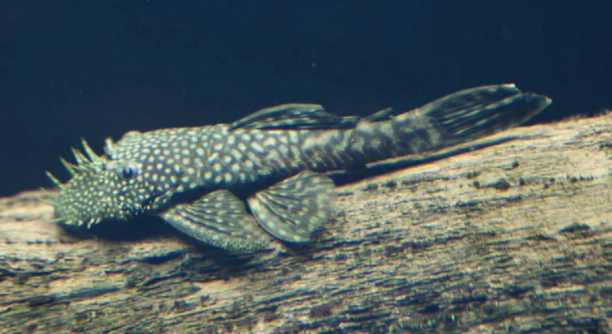
A Pleco is a popular aquarium fish, known for its ability to keep tanks clean by eating algae. However, it’s important to understand how its diet affects its health and well-being. Overfeeding can have unintended consequences.
When a Pleco eats too much, it can suffer from digestive issues, obesity, and a shorter lifespan. Excessive food intake can lead to fatty deposits on the liver and even cause bloating, making the fish less active and prone to health problems.
Understanding the effects of overfeeding your Pleco will help ensure it lives a longer, healthier life. Proper feeding habits are key to maintaining its well-being.
How Overfeeding Affects Your Pleco’s Health
Overfeeding your Pleco can cause a range of issues. Excess food can lead to obesity, as the fish may not burn off the calories. This can be dangerous over time, as it puts stress on their organs and overall health. If your Pleco is overfed, you may notice it becoming sluggish and less active in the tank. An overloaded digestive system can also lead to bloating or swim bladder issues, which affect their ability to move properly. Additionally, too much food may degrade water quality as uneaten food decays, causing potential harm to other tank inhabitants.
To avoid overfeeding, it’s crucial to feed your Pleco in moderation. A good rule of thumb is offering food that they can consume in about two to three minutes. It’s also helpful to observe their eating habits to see if they are consistently overeating, which can indicate that the portions are too large. You can adjust the amount based on their appetite.
Feeding your Pleco properly ensures it remains healthy and active. Monitoring the amount and type of food you offer plays a significant role in its overall well-being. Plecos thrive on a balanced diet, so providing the right nutrients is essential for their health and longevity.
What Happens When a Pleco Gets Too Much Fat
Excess fat is one of the most noticeable effects of overfeeding. If a Pleco eats too much fatty food, it can quickly become overweight. This extra fat puts a strain on their liver, leading to potential liver disease. The buildup of fat also affects their internal organs, causing an imbalance in their system.
A Pleco’s health can be severely impacted by too much fat. Over time, it becomes harder for the fish to swim and perform natural behaviors. This stress can lead to a shortened lifespan and other complications. Keeping your Pleco’s diet balanced and low in fat will help maintain its health and vitality, keeping it active and energetic.
Signs Your Pleco Is Overfed
When a Pleco is overfed, its behavior often changes. You’ll notice sluggish swimming, reluctance to explore the tank, and a general lack of energy. An overfed Pleco may also spend more time at the surface, looking for air due to digestive distress. The fish can develop bloating or visible bulges on its body, signaling digestive problems caused by excess food intake.
Overfeeding can also affect your Pleco’s appearance. You may see a swollen belly, which indicates the body’s inability to process all the food efficiently. In severe cases, the Pleco might lose its appetite, but its body will still show signs of being overly full. If you notice these signs, it’s time to reassess their feeding schedule and food portions.
It’s essential to observe your Pleco’s activity closely. If they’re not moving around much or are acting lethargic, there may be a problem. Reducing their food intake and offering cleaner, lighter meals can make a difference in their overall health.
Impact of Poor Water Quality Due to Overfeeding
Excess food left in the tank decays and affects the water quality, which in turn harms your Pleco and other tank inhabitants. Poor water quality leads to an increase in harmful toxins like ammonia and nitrates, causing stress to your Pleco’s immune system. Over time, this can lead to diseases or infections, which can be fatal if not addressed promptly.
When you overfeed your Pleco, the uneaten food dissolves into the water, causing an imbalance in the tank’s ecosystem. This can promote the growth of harmful bacteria, algae blooms, and even reduce the oxygen levels, making it difficult for your Pleco to thrive. It’s important to clean the tank regularly to avoid these issues, but the best solution is controlling the amount of food your Pleco consumes. This way, you help maintain a stable and healthy environment for everyone in the tank.
How to Adjust Feeding Habits
Adjusting your Pleco’s feeding habits is key to preventing overfeeding. Start by offering smaller portions more frequently. Keep track of how much your Pleco eats to avoid excess. Monitor their behavior after meals to ensure they’re not getting too much at once, and make adjustments as necessary.
It’s important to feed your Pleco only what they can consume in a few minutes. This reduces the chance of uneaten food sitting in the tank. Experiment with different types of food, ensuring they get a balanced diet of algae wafers, vegetables, and occasional protein to stay healthy.
The Right Foods for Your Pleco
Feeding your Pleco the right foods will keep them healthy without the risk of overfeeding. Algae-based foods are great for their diet, but it’s important to add a variety of vegetables like zucchini or cucumber to ensure proper nutrition. Plecos also benefit from occasional protein-based meals like shrimp or earthworms.
By giving them different food types, you help them meet all their dietary needs while preventing overfeeding. Avoid foods high in fat or sugars, as they can contribute to weight gain and liver issues. Feeding them at the right intervals helps ensure a balanced intake, promoting good health.
Monitoring Water Conditions
Monitoring water quality is just as important as feeding. Poor water conditions can worsen the effects of overfeeding, so it’s crucial to test the water regularly. Watch for signs like cloudy water or unpleasant odors, which can indicate that excess food has begun to break down.
FAQ
What is the ideal feeding schedule for a Pleco?
The ideal feeding schedule for a Pleco is once or twice a day, with small portions that they can consume within 2-3 minutes. Avoid overfeeding by observing how much they eat and adjusting the portions accordingly. It’s better to feed smaller amounts more often rather than a large meal once a day. This also helps maintain a balanced diet and prevents uneaten food from contaminating the tank.
How can I tell if my Pleco is overweight?
An overweight Pleco will often have a noticeably swollen belly or appear bloated. They may also swim less actively or be more sluggish than usual. If the Pleco looks like it has a round, full body instead of a streamlined shape, it could be a sign of overfeeding. Regularly monitoring their weight and behavior helps you notice these changes early.
Can Plecos eat vegetables every day?
Yes, Plecos can eat vegetables daily, and it’s an essential part of their diet. Zucchini, cucumber, and spinach are popular options that provide necessary nutrients. However, it’s important to rotate vegetables to offer variety and balance. Make sure to cut the vegetables into small, manageable pieces that the Pleco can eat easily.
Is it okay to feed my Pleco algae wafers daily?
Algae wafers can be part of your Pleco’s daily diet, but it’s important not to rely solely on them. Algae wafers are rich in plant matter, but they lack the full range of nutrients that Plecos need. Pair algae wafers with vegetables and occasional protein sources like shrimp to ensure your Pleco gets a well-rounded diet.
What types of protein can I give my Pleco?
Plecos enjoy occasional protein-based meals, such as shrimp, earthworms, or sinking pellets that contain high-quality protein. It’s important to provide protein in moderation, as too much can lead to weight gain. Protein should be offered 1-2 times a week in addition to their regular plant-based meals.
What are the signs that I’m overfeeding my Pleco?
Signs of overfeeding include uneaten food left in the tank, bloating or a swollen belly, sluggish behavior, and poor water quality. If your Pleco appears lethargic or has difficulty swimming, it could be a result of overfeeding. Monitor food portions and remove any uneaten food promptly.
How do I keep my tank clean if I overfeed?
If you overfeed, it’s crucial to clean the tank more frequently to avoid harmful toxins from building up. Use a gravel vacuum to remove any uneaten food or debris from the substrate. Perform regular water changes to keep the water quality optimal and prevent the buildup of ammonia or nitrates.
Should I feed my Pleco before or after a water change?
It’s best to feed your Pleco after a water change. Feeding before a water change can result in uneaten food floating around the tank while you clean. If you wait until after the water change, it gives you a chance to remove any excess food that might accumulate after feeding.
Can overfeeding affect my Pleco’s lifespan?
Yes, overfeeding can reduce your Pleco’s lifespan. Overfeeding leads to obesity and organ strain, causing a weakened immune system. This makes your Pleco more vulnerable to diseases and infections. Consistent overfeeding also affects the quality of the water, contributing to further health issues.
How often should I clean the tank after overfeeding?
After overfeeding, you should clean the tank more frequently, ideally every 2-3 days. This helps remove any leftover food and prevents a buildup of harmful substances like ammonia and nitrates. Regular maintenance keeps the water clean and your Pleco healthy, reducing the risk of health problems caused by poor water quality.
Can overfeeding lead to swim bladder issues in my Pleco?
Yes, overfeeding can contribute to swim bladder issues. Excessive food intake, especially fatty foods, can cause bloating, which may affect your Pleco’s buoyancy and ability to swim properly. If you notice your Pleco struggling to maintain its position in the water or floating unnaturally, it could be due to overfeeding.
Final Thoughts
Overfeeding your Pleco can lead to several health issues that can affect their well-being and the quality of the tank environment. While Plecos are often seen as hardy fish, they still require proper care to stay healthy. Feeding them the right amount of food ensures they maintain a healthy weight, have enough energy to swim around, and stay active. It’s essential to monitor your Pleco’s feeding habits closely, as overfeeding can quickly lead to obesity, bloating, and digestive problems. Understanding the balance between their nutritional needs and the amount of food they consume is key to keeping your Pleco happy and healthy.
Another important aspect to consider is the impact of overfeeding on water quality. Uneaten food can quickly degrade in the tank, causing harmful toxins like ammonia and nitrates to build up. This not only affects your Pleco but can also harm other fish and aquatic life in the tank. To prevent these issues, it’s important to clean the tank regularly and ensure that excess food does not linger for too long. Removing any leftover food after each meal helps maintain clean water and provides a better environment for your Pleco and other tank inhabitants.
In conclusion, caring for your Pleco involves more than just feeding them. By monitoring their diet, feeding the right portions, and maintaining a clean tank, you can prevent the negative effects of overfeeding. Adjusting their feeding habits, offering a balanced diet, and staying on top of water quality will help ensure your Pleco thrives in its aquatic environment. Overfeeding may seem harmless at first, but the long-term consequences can significantly affect your Pleco’s health. By following these simple guidelines, you can provide a healthier and more stable environment for your Pleco to live in.

Hello,
If you enjoy the content that we create, please consider saying a "Thank You!" by leaving a tip.
Every little bit helps us continue crafting quality advice that supports the health, happiness, and well-being of pets around the world, for pets of all shapes, sizes, and species.
We really appreciate the kindness and support that you show us!