
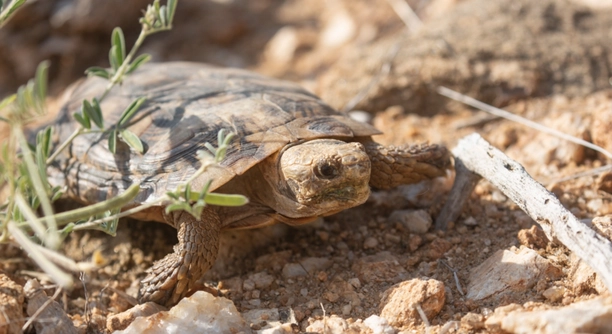
Pancake tortoises are unique and fascinating creatures, known for their distinctive dome-shaped shells. They primarily live in rocky environments, where they rely on their shells for protection and stability. But what happens if they flip over?
If a pancake tortoise flips over, it faces a challenging situation. These tortoises have flat shells, making it difficult for them to right themselves without assistance. Being unable to flip back could lead to stress, dehydration, and vulnerability to predators.
Knowing how to help a flipped pancake tortoise can make all the difference. By carefully assisting them back to their feet, you ensure their safety and well-being.
Why Pancake Tortoises Struggle to Flip Over
Pancake tortoises are adapted to live in rocky, craggy areas, where they use their flattened shells to fit into narrow crevices. This makes them highly efficient at seeking shelter from predators. However, this unique shell design, while great for protection, presents a challenge when it comes to flipping over. Unlike many other tortoises, their shells don’t provide the leverage needed for self-righting. Once flipped, a pancake tortoise might remain stuck, unable to regain its footing on its own. In the wild, this can be life-threatening, as it becomes vulnerable to environmental hazards or predators.
When a pancake tortoise flips over, it can easily become distressed, especially if it’s left in that position for an extended period. Prolonged exposure in an upside-down position can lead to dehydration and exhaustion. In the worst-case scenario, it could even lead to injury or death. Without the ability to move properly, the tortoise’s access to food and water becomes limited, compounding the risks.
Therefore, it’s essential to step in if you find a flipped pancake tortoise, especially in a captive setting. By gently helping it back onto its feet, you prevent further stress and danger, allowing it to thrive in its habitat.
How to Help a Flipped Pancake Tortoise
If you come across a pancake tortoise that has flipped over, don’t panic.
The simplest way to assist it is by gently flipping the tortoise back onto its feet. Be sure to avoid quick movements, as they can startle the animal. It’s important to handle them with care and respect. Make sure the environment is safe before setting the tortoise down.
When helping a flipped tortoise, first check if the area is free from obstacles. Ensure there are no immediate dangers nearby, such as sharp rocks or other animals. After assessing the surroundings, carefully grasp the tortoise by the sides of the shell, making sure not to apply pressure to its soft underside. Slowly roll the tortoise back onto its feet, supporting its weight as you do. Once the tortoise is upright, step back and allow it to acclimate to its surroundings. Don’t rush the process, as the tortoise may need a moment to adjust.
In cases where the tortoise seems injured or too weak to stand after being flipped, it’s important to seek expert advice from a veterinarian or animal rescue organization.
Risks of Leaving a Pancake Tortoise Upside Down
Leaving a pancake tortoise upside down for too long can have serious consequences. The longer it stays in this position, the higher the risk of dehydration and exhaustion. Stress levels also increase, which can affect its overall health.
Tortoises rely on a stable position to drink, eat, and move about. If they are unable to right themselves, these basic needs become impossible to meet. Prolonged flipping also puts the tortoise at risk of predation since it’s vulnerable and immobile. Even if it’s not physically harmed, the emotional toll on the animal can be long-lasting, making it harder for it to recover from stress.
In captivity, it’s your responsibility to make sure that a pancake tortoise doesn’t remain in an upside-down position for too long. Regular checks can help prevent unnecessary risks, ensuring that they stay safe and healthy.
Preventing Pancake Tortoise Flipovers
To minimize the risk of pancake tortoises flipping over, ensure they are housed in a secure environment with ample support. Provide rocks or surfaces that allow them to easily navigate without flipping over.
Pancake tortoises are often placed in enclosures with varied terrain, but it’s important to make sure that there are no sudden drops or unstable spots. A simple way to prevent flipping is by placing soft, supportive bedding like moss or leaves where they can easily rest. In the wild, these tortoises use the rocks and crevices to hide, so replicating a similar setup in captivity provides them with the comfort they need.
Make sure the enclosure is spacious enough for them to move freely, but not so cluttered that they can easily tip over when attempting to climb. Adding a safe space where they can retreat and not feel threatened will also help reduce stress and prevent unnecessary flipping accidents.
How to Create a Safe Habitat for a Pancake Tortoise
A safe habitat is crucial for the well-being of a pancake tortoise. Providing stable, non-slippery surfaces and enough hiding spots can help avoid accidental flips. Avoid overcrowding the enclosure.
Use rocks or logs that the tortoise can safely climb on and hide under. Ensure the surfaces are stable to prevent any sudden flips or falls. The right balance of space and security can make a big difference in keeping them safe.
Regularly inspect the habitat for any potential risks, such as sharp edges or unstable items that could cause the tortoise to flip. Keeping a clean environment also promotes health.
Monitoring Your Tortoise’s Health
Regular health checks are key to making sure your pancake tortoise is thriving. Look for signs of dehydration, stress, or injury, especially after it has flipped over.
A healthy pancake tortoise should be active and alert, moving around its enclosure and showing interest in food. If it’s sluggish or refuses to eat, there could be an underlying health issue. Check its shell for any cracks or scratches, which could be caused by falls or flips. Dehydration is a common problem for tortoises, and if they don’t get enough water, it can lead to more serious health issues.
Make sure the tortoise has access to clean water and a balanced diet to avoid further stress. Always keep an eye on its behavior, as even small changes can indicate a problem.
When to Seek Professional Help
If your pancake tortoise is frequently flipping over or seems to be struggling more than usual, it’s important to consult a veterinarian.
A vet will be able to assess any potential health issues that might be contributing to the problem. Sometimes, underlying conditions such as shell deformities or muscle weakness can make it harder for a tortoise to stay upright. Early intervention is essential to address these issues and prevent further complications. Additionally, if the tortoise appears injured or lethargic after flipping, it’s best to get professional advice right away.
FAQ
What should I do if I find a pancake tortoise flipped over?
If you find a pancake tortoise flipped over, gently flip it back onto its feet. Be careful not to press on its shell, as this can cause stress or injury. Once upright, check its environment to ensure there are no immediate dangers around it. If the tortoise seems weak or injured, seek help from a veterinarian.
Can pancake tortoises flip themselves back over?
No, pancake tortoises cannot flip themselves back over easily. Their flat, dome-like shells make it difficult for them to regain their footing. Unlike other tortoises, their design doesn’t provide the leverage they need to flip themselves back, leaving them reliant on outside assistance.
How can I prevent my pancake tortoise from flipping over?
To prevent a pancake tortoise from flipping, ensure their habitat has stable, non-slippery surfaces. Avoid placing them on uneven terrain or objects that could cause them to lose balance. Including low, sturdy rocks or logs where they can climb and hide may help. Make sure the enclosure is spacious and safe.
How often should I check on my pancake tortoise?
It’s a good idea to check on your pancake tortoise daily to ensure it’s not in any distress. Look for signs of dehydration, stress, or injury. Make sure its environment is clean and safe, and that it has enough food and water. Regular checks ensure your tortoise stays healthy and secure.
What are the signs that my pancake tortoise is stressed?
Signs of stress in a pancake tortoise can include hiding for extended periods, refusal to eat, or lethargy. If it’s staying in one spot, not moving, or withdrawing into its shell frequently, these could be indicators of stress. Check for any physical injuries or discomfort that could be causing this behavior.
What is the best diet for a pancake tortoise?
A pancake tortoise thrives on a diet rich in leafy greens and vegetables. Offer a variety of dark, leafy greens like collard greens, dandelion greens, and kale. You can also give them some fruits in moderation, such as apples and strawberries. Avoid high-oxalate foods like spinach, as these can cause kidney problems over time.
Can pancake tortoises live with other animals?
Pancake tortoises should generally be kept in solitary enclosures. They are shy and can become stressed if housed with other animals, especially more aggressive or dominant species. If you decide to house them with other animals, monitor the situation closely for signs of stress or aggression.
What temperature should I keep my pancake tortoise’s habitat at?
Pancake tortoises require a warm environment. Keep the temperature in their enclosure between 75-85°F (24-29°C) during the day. They should also have a basking area with temperatures reaching 95°F (35°C) to aid digestion. Ensure the enclosure has a gradient of temperatures so they can regulate their body heat.
How long do pancake tortoises live?
Pancake tortoises can live for up to 30 years in captivity if cared for properly. Their lifespan can vary depending on factors like diet, habitat, and general care. Keeping them in a safe, secure environment with the right temperature and diet will help them live a long, healthy life.
Are pancake tortoises good pets for beginners?
Pancake tortoises are not ideal pets for beginners. They require specific care, including a carefully controlled habitat and a proper diet. Additionally, they need regular monitoring to ensure they are not flipping over or getting stressed. If you’re new to reptile care, it’s best to start with a more beginner-friendly species.
Do pancake tortoises need a lot of water?
Pancake tortoises don’t require excessive water but do need access to fresh water at all times. They will drink when needed, and it’s essential to keep their water clean and changed regularly. You should also offer a shallow water dish in which they can soak if they choose to.
How do I know if my pancake tortoise is healthy?
A healthy pancake tortoise should be active, alert, and eating regularly. Check its shell for signs of damage, cracks, or deformities. If your tortoise is eating, drinking, and moving around without signs of lethargy or stress, it’s likely in good health. Regular check-ups with a vet can help ensure its well-being.
Can pancake tortoises be handled frequently?
Pancake tortoises are sensitive to handling and should not be handled excessively. While short periods of handling for cleaning or moving them are fine, too much interaction can cause them stress. It’s best to observe them from a distance, allowing them to move freely in their environment.
What kind of lighting does a pancake tortoise need?
Pancake tortoises need a UVB light source to help them metabolize calcium and maintain healthy bones. UVB light should be provided for 10-12 hours a day, mimicking natural sunlight. Be sure to replace the bulb every 6 months, as the UVB rays diminish over time even if the light still works.
Can pancake tortoises swim?
Pancake tortoises are not strong swimmers. While they may wade in shallow water, they are not built for swimming. It’s important to provide a shallow water dish for hydration and occasional soaking, but avoid deep water areas that could pose a drowning risk.
Do pancake tortoises need a humidity level?
Pancake tortoises do require moderate humidity in their environment. Aim for a humidity level of around 50-60% in their enclosure. A higher level of humidity can be achieved by lightly misting the enclosure with water and adding moss or other moisture-retaining materials. Be careful not to make the habitat too wet, as it could cause respiratory issues.
Final Thoughts
Taking care of a pancake tortoise requires attention to detail and a safe environment. These unique creatures, with their flat, disc-shaped shells, can be prone to flipping over, which makes it crucial to create a secure habitat for them. Keeping their environment stable with sturdy surfaces and plenty of space helps prevent them from accidentally flipping over. It’s also important to keep an eye on their overall health by offering a proper diet and checking on them daily to ensure they are not stressed or showing signs of illness.
While pancake tortoises are not ideal for beginners due to their specialized care needs, experienced reptile owners will appreciate their gentle nature and interesting behavior. They thrive in environments where they can feel secure and get the proper care. Regularly checking on their living conditions, such as the temperature, humidity, and cleanliness, will help ensure they stay healthy. As long as their basic needs are met, they can live a long and fulfilling life.
If you’re thinking of getting a pancake tortoise, be sure you understand the level of commitment required to care for them. These tortoises can live for decades, making them a long-term pet choice. Whether you’re an experienced reptile owner or new to keeping tortoises, understanding how to manage their habitat, diet, and physical needs will give your pancake tortoise the best chance at a healthy life.

Hello,
If you enjoy the content that we create, please consider saying a "Thank You!" by leaving a tip.
Every little bit helps us continue crafting quality advice that supports the health, happiness, and well-being of pets around the world, for pets of all shapes, sizes, and species.
We really appreciate the kindness and support that you show us!