
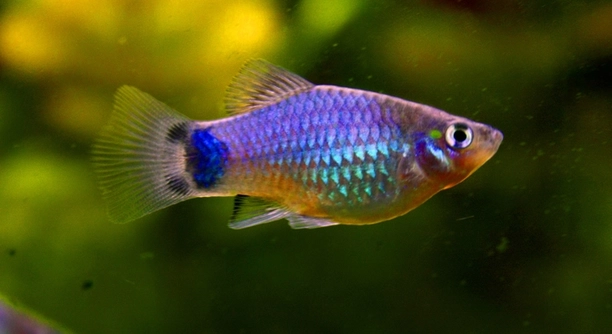
Many fish keepers enjoy having platies in their tanks because they are colorful and easy to care for. Keeping their water clean is important for their health and happiness. Choosing the right filter can make a big difference in maintaining a good environment.
The best filter for platy tanks is a sponge filter or a gentle hang-on-back filter. These filters provide good biological and mechanical filtration without creating strong currents that can stress platies. Proper filtration supports water quality and fish well-being.
Understanding which filter works best will help you create a safe and comfortable home for your platies. The right choice improves water clarity and keeps your fish lively and healthy.
Why Filtration Matters for Platy Tanks
Filtration is key to keeping platy tanks healthy and clear. Platies produce waste, and uneaten food can build up, causing harmful toxins like ammonia to rise. A good filter removes these toxins and helps maintain oxygen levels in the water. Without proper filtration, water quality quickly declines, leading to stress and illness in your fish. Filters also support beneficial bacteria that break down waste naturally, which is essential for a balanced tank environment. Choosing the right filter depends on tank size and the flow rate platies can handle. Since platies prefer calm water, strong currents from some filters can cause stress or injury. A gentle filter keeps water moving just enough to maintain cleanliness without disturbing the fish. In addition to filtration, regular water changes are important to keep the environment stable. Together, they create a healthy tank where platies can thrive and display their bright colors.
Good filtration supports both water quality and the health of your platies by balancing waste removal and gentle water movement.
Filters work alongside regular maintenance to keep tanks safe and comfortable for platies, ensuring they live longer and stay active.
Types of Filters Suitable for Platy Tanks
The most suitable filters for platy tanks are sponge filters and gentle hang-on-back (HOB) filters. Sponge filters are air-driven and provide biological filtration by allowing beneficial bacteria to grow on the sponge surface. They create minimal water flow, which is perfect for platies that dislike strong currents. Sponge filters are also easy to clean and affordable, making them a popular choice for smaller tanks. Hang-on-back filters offer a bit more power and often combine mechanical, chemical, and biological filtration. When choosing a HOB filter, select one with adjustable flow settings to avoid stressing the fish. Both types of filters maintain good water quality but suit different tank sizes and setups. While sponge filters work well for tanks under 20 gallons, HOB filters can support larger volumes if set to gentle flow. Either choice will help keep the tank clean, oxygenated, and healthy for your platies.
Maintenance Tips for Platy Tank Filters
Regular cleaning keeps filters working well. Avoid over-cleaning, as it removes beneficial bacteria. Rinse filter media gently in tank water to preserve bacteria. Check the flow rate monthly to ensure it isn’t too strong or weak. Replace worn parts on schedule to maintain efficiency.
Filters need attention but not too much. Over-cleaning can harm helpful bacteria that keep the tank healthy. Using tank water to clean filter sponges or pads keeps the bacteria intact. Watch for changes in water flow; a slow or fast flow may signal a clog or damage. Keeping up with maintenance extends filter life and protects your fish from sudden water quality drops.
Replacing filter cartridges or sponges when they wear out is necessary, but avoid changing everything at once. Stagger replacements to keep bacteria levels steady. Keep an eye on tubing and air pumps for sponge filters to avoid blockages or failures. A well-maintained filter means fewer problems with cloudy water and healthier platies over time.
Choosing the Right Filter Size for Your Platy Tank
Filter size should match tank volume and fish load. Too small a filter won’t clean water effectively, while too large a filter may create strong currents. Aim for a filter rated for your tank’s gallon capacity or slightly higher.
A filter rated for the exact size of your tank is a good starting point, but it’s often safer to choose one with a slightly higher capacity. This extra power helps handle waste during feeding or if you add more fish. However, avoid very powerful filters with strong flow, as platies prefer calm water. For example, in a 20-gallon tank, a filter rated for 20-30 gallons works well if it has adjustable flow settings. Matching filter size helps keep water clear without stressing your fish.
Balancing filter size with gentle water flow supports a stable environment. Adjust flow if needed, especially with hang-on-back filters, to suit platy needs. Always consider tank size, fish number, and filter features together for best results.
Common Mistakes When Choosing Filters
Choosing a filter that creates strong currents can stress platies and affect their health. Avoid filters without adjustable flow or ones rated for much larger tanks than you have.
Ignoring filter maintenance or cleaning too aggressively can harm beneficial bacteria and reduce filtration efficiency.
Benefits of Sponge Filters for Platy Tanks
Sponge filters offer gentle water flow ideal for platies. They provide excellent biological filtration by housing beneficial bacteria. Sponge filters are also quiet, easy to clean, and safe for fry or small fish, making them a popular choice for many platy keepers. They do not remove oxygen from the water, which helps maintain a stable tank environment.
Hang-On-Back Filters Overview
Hang-on-back filters combine mechanical, chemical, and biological filtration in one unit. They often have adjustable flow settings, allowing customization for platy tanks. These filters are easy to install and maintain, making them a convenient option for many fish keepers.
FAQ
What type of filter is best for a small platy tank?
For small platy tanks, sponge filters are usually the best option. They provide gentle water flow and good biological filtration without creating strong currents that stress platies. Sponge filters are quiet, affordable, and easy to clean. They also offer a safe environment for fry and small fish, making them perfect for tanks under 20 gallons.
Can I use a filter with strong water flow for platies?
Strong water flow is not recommended for platy tanks. Platies prefer calm water, so a filter with high flow can cause stress or even injury. If you have a powerful filter, look for one with adjustable flow settings or add a flow restrictor to reduce current strength.
How often should I clean the filter in my platy tank?
Clean your filter every two to four weeks, but avoid over-cleaning. Rinse filter media gently in tank water to keep beneficial bacteria alive. If you clean it too thoroughly or with tap water, you risk killing these bacteria, which are essential for breaking down harmful waste.
Do I need to change filter cartridges regularly?
Yes, but not all at once. Change filter cartridges or sponges as they wear out, but replace only part of the media at a time to maintain the bacterial colony. Staggering replacements keeps the tank’s biological filtration stable and prevents water quality problems.
Can I use a filter that’s rated for a larger tank than mine?
You can, but be careful. Filters rated for larger tanks may create strong currents. If you choose a larger filter, make sure it has adjustable flow or use a flow control device. This will help keep the water movement gentle enough for platies.
What should I do if my filter stops working suddenly?
Check the power source first and ensure the filter is plugged in properly. Inspect the tubing, impeller, or air pump for blockages or damage. If parts are worn, replace them quickly. Running the tank without filtration can harm fish, so it’s important to fix the filter or use a temporary solution like a battery-operated air pump.
Is a hang-on-back filter better than a sponge filter?
Neither is strictly better; both have pros and cons. Sponge filters are gentler and safer for small tanks and fry. Hang-on-back filters offer more filtration types (mechanical, chemical, biological) and work well in larger tanks if the flow is adjustable. Choose based on your tank size and platy behavior.
Can I use a filter with chemical media in a platy tank?
Chemical media, like activated carbon, can be helpful for removing odors and discoloration but is not always necessary. It should not replace regular water changes or biological filtration. For platy tanks, chemical media is optional and depends on water quality needs.
How do I reduce noise from my filter?
Filters can be noisy if parts are dirty or damaged. Clean the impeller and tubing regularly. Make sure the filter is securely placed and not vibrating against the tank. Sponge filters are usually quieter than hang-on-back filters.
What is the best way to start a new filter in a platy tank?
Start a new filter by rinsing all parts in tank water and installing it with your existing tank water. Avoid cleaning the filter media too much during the first few weeks to allow beneficial bacteria to grow. Adding a bacteria starter product can speed up this process. Keep the filter running continuously for best results.
Choosing the right filter for your platy tank is an important step in creating a healthy and comfortable environment for your fish. Platies need clean water with gentle flow to thrive, so selecting a filter that provides both is essential. Sponge filters and gentle hang-on-back filters are both excellent choices. Sponge filters are great for smaller tanks and fry because they offer gentle water movement and support beneficial bacteria. Hang-on-back filters work well for larger tanks and offer a variety of filtration options. Either way, the key is to avoid strong currents that can stress your platies.
Maintaining your filter properly is just as important as choosing the right one. Regular cleaning with tank water helps preserve the beneficial bacteria needed to break down waste. Over-cleaning or using tap water can harm these helpful bacteria and reduce filtration effectiveness. It’s also important to replace filter media gradually instead of all at once, so the biological balance in the tank remains steady. Keeping up with maintenance will help prevent sudden water quality problems and keep your platies healthy for a long time.
Remember, filtration is only one part of tank care. Regular water changes and monitoring water parameters are also necessary to keep your platy tank in good shape. A well-chosen filter combined with good maintenance habits creates a stable environment that supports the health and happiness of your fish. Taking time to understand your tank’s needs and adjusting your filtration accordingly will pay off with lively, vibrant platies that brighten your home aquarium.

Hello,
If you enjoy the content that we create, please consider saying a "Thank You!" by leaving a tip.
Every little bit helps us continue crafting quality advice that supports the health, happiness, and well-being of pets around the world, for pets of all shapes, sizes, and species.
We really appreciate the kindness and support that you show us!