
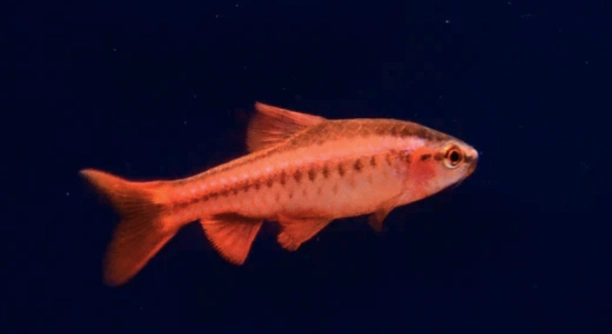
Are your Cherry Barbs looking a bit less lively than usual, and you’re unsure if your tank setup is the reason why?
The best filter type for Cherry Barb tanks is a sponge filter, as it provides gentle water flow, effective biological filtration, and avoids stressing these small, peaceful fish.
Understanding the right filter type will support your fish’s well-being and make tank maintenance easier and more effective over time.
Why Sponge Filters Work Best for Cherry Barb Tanks
Sponge filters are ideal for Cherry Barb tanks because they keep the water clean without creating strong currents. Cherry Barbs are peaceful fish that thrive in calm water. A sponge filter moves water gently, helping keep stress levels low for your fish. It also supports good bacteria, which helps maintain a healthy balance in your tank. These filters are quiet, easy to clean, and budget-friendly. Unlike powerful filters that can suck in small fish or disturb plants, sponge filters create a safe environment. If you are setting up a new tank or want to improve your current setup, this type of filter offers a simple and reliable solution that fits the needs of your Cherry Barbs. Maintenance is also easier compared to other filters, and that saves you time in the long run. It’s a good way to support your Cherry Barbs’ health and keep your tank running smoothly.
They also work well in small tanks, especially where space and water movement need to be controlled.
Another benefit is that sponge filters do not clog as quickly. They draw water through a sponge that traps debris while still allowing water to flow. This keeps the filter running longer before it needs cleaning. Cleaning is as simple as squeezing the sponge in old tank water during a water change. This protects the helpful bacteria living in the sponge. These bacteria are important because they break down harmful waste from the fish. Cherry Barbs produce waste like all fish, and keeping that under control is key to a healthy tank. You won’t need chemicals or complex systems to make this filter work. Its simplicity and low impact make it a dependable option for anyone who wants to create a stable space for their fish to thrive.
Other Filter Types and Why They’re Not Ideal
Power filters can be too strong for small Cherry Barbs and may stress or injure them in smaller tanks.
Canister filters, though efficient, are often overkill for Cherry Barb tanks. They create stronger currents and can make the water too fast-moving for Cherry Barbs, who prefer calmer waters. They also take up more space and require more time to clean. Hang-on-back filters are better suited for medium or large tanks and are often louder. Some models can also be tricky to maintain. Internal filters are more compact, but they still tend to produce more water movement than needed. Most of these filters also use cartridges that need frequent replacing. That adds to the cost and time spent on upkeep. While these types may work in certain situations, they are not the most practical or comfortable option for your Cherry Barbs. In smaller setups, where every detail matters, sponge filters stay ahead by keeping things easy and balanced without overwhelming the fish.
How to Set Up a Sponge Filter for Your Cherry Barb Tank
Setting up a sponge filter is simple and doesn’t take much time. You’ll need an air pump, airline tubing, and the sponge filter itself. Most kits come with everything, but buying them separately gives you more control over the quality.
Start by attaching the airline tubing to both the air pump and the sponge filter’s intake. Place the filter inside the tank, close to one of the back corners. Make sure it’s fully submerged and standing upright. Then, plug in the air pump. You should see bubbles rising from the sponge. These bubbles help pull water through the sponge, cleaning it and spreading oxygen throughout the tank. Let the filter run for at least a few hours before adding fish, especially if it’s a new setup. This helps start the growth of beneficial bacteria. You’ll still need to cycle your tank properly, but the sponge filter makes that process easier.
When cleaning the sponge, remove it from the tank gently and rinse it in a container filled with old tank water. Avoid using tap water because it can kill the good bacteria living in the sponge. A light squeeze is usually enough to remove debris without damaging the sponge. Cleaning once every two to four weeks is usually enough, depending on the tank’s size and how many fish you have. Always check that bubbles are rising steadily. If they slow down or stop, check the airline for clogs or kinks. A clean, working sponge filter not only improves water quality but also helps your Cherry Barbs stay active and healthy.
Signs Your Filter Is Working Properly
You’ll know your sponge filter is working when you see steady bubbles rising from the sponge and the water stays clear. Cherry Barbs should look calm and active, not hiding or struggling to swim.
A healthy tank has a steady look and smell. The water should be clear, not cloudy or tinted. Cherry Barbs should show bright colors and natural behavior. If they’re darting around or gasping at the surface, that could mean poor water movement or low oxygen. Another sign the filter is working is a thin layer of debris on the sponge itself — this means it’s collecting waste as it should. Test your water weekly to make sure ammonia and nitrite levels stay at zero. A properly working sponge filter helps keep these levels in check. Also, listen for a soft hum from the air pump. If it gets loud or stops, something may need fixing.
Common Mistakes to Avoid
Avoid placing the sponge filter too high in the tank, or it might not stay fully submerged. If the sponge sticks out of the water, it won’t work properly and could reduce the flow of oxygen and filtration.
Don’t rinse the sponge under tap water or with soap. This kills the beneficial bacteria that help keep your tank safe for your Cherry Barbs. Always use old tank water during cleanings to protect the bacteria.
How Often to Clean and Replace the Filter
Clean your sponge filter every two to four weeks, depending on how many fish you have and how much waste is produced. Lightly rinse and squeeze the sponge in a container of old tank water. Avoid scrubbing too hard. The sponge doesn’t need to look brand new after cleaning—just clear enough for water to flow through it well. If the sponge begins to fall apart or loses its shape, it’s time to replace it. This usually happens every six months to a year. Replace only one sponge at a time if your filter has two, so you don’t lose all the helpful bacteria.
Best Tank Size and Setup for Cherry Barbs
Cherry Barbs do best in tanks that are at least 20 gallons. This gives them enough room to swim and reduces stress. Add live plants and smooth decorations for hiding spots without crowding the space.
FAQ
Can I use a sponge filter in a planted Cherry Barb tank?
Yes, sponge filters work well in planted tanks. They create gentle water movement, which helps keep plants healthy without uprooting them. Many sponge filters also come with an air stone that increases oxygen. This benefits both your fish and your plants. You may want to place the filter in a spot where it won’t block light from reaching your plants. Some aquarists also use sponge filters alongside other equipment like heaters or CO₂ systems. Just be sure everything fits comfortably in the tank without crowding the space.
Do sponge filters make a lot of noise?
Sponge filters are usually very quiet. Most of the sound comes from the air pump. If you notice loud bubbling or a strong hum, the pump might be vibrating against a hard surface. Try placing it on a soft cloth or foam pad to reduce noise. You can also check the tubing and connectors to make sure they’re tight and not leaking air. Some pumps have adjustable flow settings that can help reduce noise too. A soft, steady stream of bubbles means everything is working well and won’t bother you or your fish.
How long does it take for a sponge filter to start working?
A sponge filter starts moving water and creating bubbles as soon as you plug it in. However, for the filter to support beneficial bacteria, it takes a few weeks. This process is called cycling. During this time, bacteria grow inside the sponge and help break down fish waste. To speed things up, you can use filter media from an established tank or bottled bacteria starters. Once the cycle is complete, ammonia and nitrite levels should stay at zero. Always test your water to be sure the filter is ready before adding too many fish.
Can I run more than one sponge filter in the same tank?
Yes, especially in larger tanks. Running two sponge filters provides extra filtration and helps with water flow across the whole tank. It’s also useful if you have a lot of fish or messy eaters. Place each filter on opposite ends of the tank for even water movement. If your tank is lightly stocked, one filter may be enough. Having two also gives you a backup if one needs cleaning or replacement. Just make sure your air pump is strong enough to handle both filters at the same time without losing power.
What if the bubbles stop coming out of my sponge filter?
If the bubbles stop, check the airline tubing first. It may be kinked, clogged, or disconnected. Sometimes, algae or debris can block the air stone inside the sponge. Unplug the pump and remove the filter. Rinse the sponge in old tank water and clean the tubing. Also check if the air pump is still working—some wear out over time. If it’s weak or silent, it might need replacing. Keeping a spare air stone and tubing around can help fix issues quickly without leaving your tank without filtration.
Do Cherry Barbs need extra filtration besides a sponge filter?
For most small to medium tanks, a sponge filter is enough. It handles biological and mechanical filtration well. If your tank is heavily stocked or larger than 30 gallons, you might consider adding a second sponge filter or a small powerhead to improve circulation. In tanks with strong plant growth or low fish waste, one sponge filter is usually sufficient. Watch how your water looks and test it regularly. If ammonia or nitrite levels stay at zero and your Cherry Barbs look healthy and active, your filter setup is doing its job.
Final Thoughts
Choosing the right filter for your Cherry Barb tank can make a big difference in how healthy and happy your fish are. A sponge filter is a simple and gentle option that works well for these peaceful fish. It keeps the water clean without creating strong currents that might stress them out. It also helps grow good bacteria, which are important for breaking down waste. These filters are quiet, easy to clean, and don’t take up much space. They’re a smart choice for both beginners and more experienced fish keepers who want something low-maintenance that gets the job done.
Taking care of a Cherry Barb tank doesn’t have to be hard. With a sponge filter, you don’t need to worry about complex equipment or replacing expensive parts. Just rinse the sponge in old tank water every couple of weeks and check the bubbles to make sure it’s running properly. It’s also helpful to test the water now and then to make sure everything is balanced. If your Cherry Barbs are swimming around calmly, showing bright colors, and eating well, your setup is likely working just fine. Watching your fish behave naturally is a good sign that they feel safe and comfortable in their environment.
Every tank is a little different, and what works for one person might not work for another. Still, sponge filters are a great starting point, especially in tanks under 30 gallons. They do the job without overwhelming your fish or your time. If you ever want to upgrade or add other tools, you can do that later. But for now, a sponge filter gives you a strong foundation. It keeps things simple while supporting the health of your Cherry Barbs. That balance—easy care and good results—is what makes sponge filters a trusted option for so many fish keepers.

Hello,
If you enjoy the content that we create, please consider saying a "Thank You!" by leaving a tip.
Every little bit helps us continue crafting quality advice that supports the health, happiness, and well-being of pets around the world, for pets of all shapes, sizes, and species.
We really appreciate the kindness and support that you show us!