
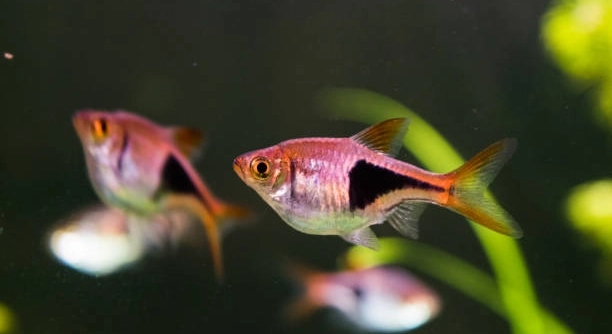
Rasboras are small, peaceful fish that need clean water to stay healthy and happy in their tanks. A good filter helps keep the water clear and safe by removing waste and toxins. Choosing the right filter is important for a thriving tank environment.
The best filter for rasbora tanks is one that provides gentle water flow, efficient biological filtration, and ease of maintenance. Sponge filters and hang-on-back filters are commonly recommended because they meet these needs without stressing the fish.
Knowing which filter suits your rasboras will help maintain a balanced tank. This article will explain key filter types and what makes them suitable for these delicate fish.
Why Sponge Filters Work Well for Rasbora Tanks
Sponge filters are a popular choice for rasbora tanks because they create gentle water movement, which suits these small fish perfectly. They work by drawing water through a sponge that traps debris and provides a surface for beneficial bacteria to grow. These bacteria help break down harmful ammonia and nitrites, keeping the water safe. Sponge filters are also quiet and easy to clean, which makes tank maintenance less stressful. They don’t require strong pumps, so the flow won’t be too fast for the rasboras to swim comfortably. Many aquarium keepers appreciate that sponge filters don’t suck in tiny fish or fry, making them safer for all tank inhabitants. Overall, sponge filters combine effective filtration with a gentle environment, supporting the health and happiness of rasboras.
Their simple design and low cost make sponge filters accessible for beginners and experienced fishkeepers alike.
Using a sponge filter also helps keep beneficial bacteria colonies stable, which is essential for long-term water quality. Regular cleaning of the sponge ensures it doesn’t clog while preserving the bacteria needed for biological filtration.
Hang-On-Back Filters as an Alternative
Hang-on-back (HOB) filters offer stronger filtration and easier access for cleaning.
HOB filters hang on the back of the tank and draw water up through a pump, passing it through mechanical, chemical, and biological media. They provide more powerful water flow and better filtration, which is helpful in slightly larger rasbora tanks or tanks with more fish. These filters still allow you to adjust the flow rate, so you can keep it gentle enough to avoid stressing your rasboras. They are easy to maintain since filter cartridges can be swapped out without disturbing the tank much. While hang-on-back filters are more expensive than sponge filters, they offer a complete filtration system that can improve water clarity and quality. For aquarists wanting a bit more control and efficiency, HOB filters can be an excellent option that balances strength with gentleness.
Canister Filters for Larger Rasbora Tanks
Canister filters are powerful and suitable for larger rasbora tanks. They offer superior filtration by moving water through multiple filter media, ensuring mechanical, chemical, and biological cleaning.
These filters are placed outside the tank, which saves space and reduces noise inside the aquarium area. They handle larger volumes of water efficiently, keeping tanks clean and clear. The flow rate can be adjusted to suit the gentle needs of rasboras. Canister filters are more expensive and require more effort to maintain than sponge or hang-on-back filters. However, for bigger tanks or more heavily stocked aquariums, they provide excellent water quality and control.
Regular maintenance is essential with canister filters. Cleaning the media prevents clogging and keeps the filter running efficiently. Proper setup and flow adjustment ensure rasboras remain comfortable.
Filter Maintenance for Healthy Rasbora Tanks
Keeping the filter clean is key to a healthy tank. A clogged filter can cause poor water quality and stress fish.
Regular cleaning prevents buildup of waste and maintains proper water flow. For sponge filters, rinsing the sponge in tank water during water changes helps preserve beneficial bacteria. Hang-on-back and canister filters need media changed or rinsed as recommended to avoid loss of filtration efficiency. Avoid cleaning all filter media at once to protect the bacteria colonies. Checking the filter monthly keeps it working well. Proper maintenance extends the life of your filter and supports a stable environment where rasboras thrive peacefully.
Choosing the Right Filter Size
Selecting the correct filter size is important for keeping water clean without stressing rasboras. A filter rated for your tank size or slightly larger usually works best.
Too small a filter can’t keep up with waste, while too large a filter may create strong currents that bother your fish.
Adjusting Flow Rate for Rasbora Comfort
Rasboras prefer gentle water movement, so adjusting the filter’s flow rate is essential. Many filters come with adjustable flow settings.
Reducing the flow helps avoid stressing the fish and keeps their natural swimming behavior normal. If your filter doesn’t have this option, using a flow diffuser or placing plants near the outlet can help slow the current.
Signs of Poor Filtration
Cloudy water, algae growth, and unhealthy fish are common signs of poor filtration.
If you notice these, check your filter for clogs or malfunction.
Benefits of Biological Filtration
Biological filtration breaks down harmful ammonia into less toxic substances using beneficial bacteria. This process keeps the tank safe for rasboras.
FAQ
What type of filter is best for a small rasbora tank?
For small rasbora tanks, sponge filters are often the best choice. They provide gentle water flow, which is important for these small, delicate fish. Sponge filters also offer excellent biological filtration and are easy to clean and maintain. They are quiet and safe, reducing the risk of harming tiny fish or fry.
How often should I clean my rasbora tank filter?
Cleaning depends on the filter type and tank conditions, but generally, sponge filters should be rinsed every two to four weeks in tank water. Hang-on-back and canister filters need media changes or rinsing about once a month. Avoid cleaning all filter media at once to protect beneficial bacteria colonies that keep the water safe.
Can I use a filter with strong water flow for rasboras?
Strong water flow is not ideal for rasboras because they prefer calm waters. If your filter has a strong current, reduce the flow rate or use a flow diffuser to soften the movement. This helps keep your fish comfortable and reduces stress.
Are hang-on-back filters noisy?
Hang-on-back filters can make some noise, especially if water levels are low or parts are dirty. Regular cleaning and proper water levels help reduce noise. For quieter operation, sponge filters or well-maintained canister filters are better choices.
Is it okay to use a canister filter for a small tank?
Canister filters can be used in small tanks but might be more than necessary. They provide powerful filtration but are larger and more expensive. For small tanks, simpler filters like sponge or hang-on-back are usually more practical and easier to manage.
How do I know if my filter is working properly?
A properly working filter keeps the water clear, removes odors, and maintains stable water parameters. You should see steady water flow and no strange noises. Cloudy water, fish showing stress, or foul smells might indicate a problem with the filter.
What should I do if my filter stops working suddenly?
If the filter stops working, check the power source and make sure it’s plugged in. Inspect the impeller or pump for clogs or damage. Clean the filter parts if clogged, but avoid using tap water on biological media to preserve helpful bacteria. Replace or repair faulty parts as needed.
Can I keep multiple rasbora species in one tank with one filter?
Yes, multiple rasbora species can share a tank if the filter is appropriately sized. Make sure the filter can handle the tank’s volume and bio-load. Regular maintenance is important to prevent water quality issues when housing multiple fish.
Does filter media need to be replaced often?
Mechanical media like sponges and pads need regular cleaning but not frequent replacement. Chemical media, such as activated carbon, should be replaced every 3-4 weeks. Biological media lasts longer but should be rinsed occasionally in tank water to avoid clogging.
Can I rely only on plants for filtration in a rasbora tank?
While live plants help absorb nitrates and improve water quality, they cannot replace a filter. Filters provide essential mechanical and biological filtration that plants alone cannot handle. Combining both plants and a filter creates a healthier environment for rasboras.
How does biological filtration benefit rasboras?
Biological filtration uses beneficial bacteria to break down toxic ammonia from fish waste into less harmful substances. This process is vital for maintaining a safe tank environment. A good filter provides plenty of surface area for these bacteria to grow and work effectively.
Is it necessary to cycle the filter before adding rasboras?
Yes, cycling the filter before adding rasboras is crucial. This process establishes beneficial bacteria that break down harmful toxins. Without cycling, ammonia and nitrite levels can spike, which is dangerous for your fish. A fully cycled tank ensures a stable and safe home for rasboras.
Can filter flow cause health problems in rasboras?
Excessive water flow can stress rasboras, leading to weakened immune systems and increased susceptibility to disease. Keeping flow gentle and suitable for their natural behavior supports their health and reduces stress-related problems.
What is the easiest filter to maintain for rasbora tanks?
Sponge filters are generally the easiest to maintain. They require simple rinsing in tank water and have fewer parts to manage. This makes them ideal for beginners and those who prefer low-maintenance setups.
How can I improve filtration without stressing my rasboras?
Use filters with adjustable flow rates and keep the flow low to moderate. Adding plants and performing regular water changes also helps maintain water quality without stressing your fish. Proper filter placement can reduce strong currents in areas where rasboras like to swim.
Can over-filtering be harmful to rasboras?
Yes, over-filtering can create strong currents that stress rasboras. It may also remove beneficial bacteria if media is changed too often. Balancing filtration strength with gentle water flow is key to keeping rasboras healthy and comfortable.
Choosing the right filter for a rasbora tank is an important step to keep these small fish healthy and happy. Rasboras need clean water with gentle flow, so the filter must work well without stressing the fish. Filters like sponge filters, hang-on-back filters, and canister filters each have their strengths. Sponge filters are simple, gentle, and great for small tanks, while hang-on-back filters offer stronger filtration with adjustable flow. Canister filters are best for larger tanks and provide very efficient cleaning but need more maintenance. Knowing the size of your tank and the needs of your fish helps you pick the best option.
Maintaining the filter properly is just as important as choosing the right one. Regular cleaning keeps the filter running smoothly and preserves the beneficial bacteria that help break down harmful waste. It is best to clean sponge filters in tank water to protect these bacteria. Filters with cartridges or media should be checked monthly and cleaned or replaced as needed. Avoid cleaning all filter media at once to keep the bacteria colonies healthy. Good maintenance also prevents problems like cloudy water and poor water quality that can hurt your rasboras. A well-maintained filter supports a stable and balanced environment for your fish.
Finally, remember that gentle water flow is key for rasboras. Strong currents can stress them and affect their behavior. If your filter has a strong flow, use flow reducers or place plants near the outlet to soften the current. Also, combining good filtration with live plants can improve water quality and make the tank more natural for your fish. By choosing the right filter, adjusting the flow, and keeping up with maintenance, you help ensure your rasboras live in a safe, comfortable home. This care will let you enjoy watching their peaceful swimming and vibrant colors for a long time.

Hello,
If you enjoy the content that we create, please consider saying a "Thank You!" by leaving a tip.
Every little bit helps us continue crafting quality advice that supports the health, happiness, and well-being of pets around the world, for pets of all shapes, sizes, and species.
We really appreciate the kindness and support that you show us!