
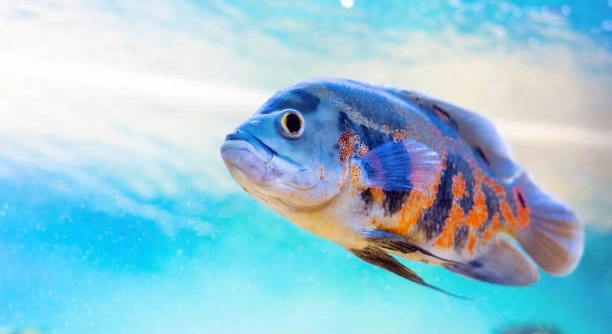
Oscar fish are fascinating creatures, known for their unique personalities. Understanding their body language can help you better interpret their moods and needs. Observing their behavior is key to creating a harmonious environment for them.
Oscar fish communicate through body language to express various emotions. Aggressive postures, such as flaring their gills or chasing tankmates, signal territorial behavior. On the other hand, relaxed movements, such as slow swimming, indicate comfort and contentment in their environment.
These subtle cues can offer valuable insight into your Oscar fish’s well-being. Learning to read their body language will help ensure they thrive in their aquarium home.
How to Recognize Oscar Fish Aggression
Aggression in Oscar fish is often noticeable through distinct body language. They may flare their gills, swim rapidly, or chase other tankmates. These behaviors are typically signs that your Oscar fish is asserting its dominance or defending its territory. It’s important to address aggression early, as it can lead to injuries or stress for other fish in the tank. Sometimes, aggression can even extend to humans, with the fish biting or charging toward the glass when they feel threatened.
Aggression can occur when Oscars feel overcrowded, stressed, or if there are territorial disputes with other tankmates. To reduce these behaviors, ensure your Oscar has ample space in the tank and consider tankmates that won’t provoke it.
Addressing aggressive behavior can be as simple as rearranging decorations to break up territorial boundaries or adding more hiding spots. Creating a calm and structured environment for your Oscar fish will lead to a more peaceful tank atmosphere. Maintaining regular water quality checks also helps reduce stress, which is a common cause of aggression.
Signs of Oscar Fish Happiness
When Oscar fish are happy, they show calm and relaxed body language. They swim slowly and smoothly, often near the surface. Their colors may become brighter, signaling contentment. A well-fed and comfortable Oscar will also be more interactive, especially if it associates you with food or attention.
Oscars in a happy state tend to explore their surroundings without showing any signs of aggression. They might greet their owners with enthusiastic swimming or even follow you around the tank. A happy Oscar will also spend time near areas where it feels safe but still engaged in its environment. If you notice these behaviors, it’s a good sign that your fish feels at ease.
One additional sign of a happy Oscar is when it shows interest in feeding time. Oscars will often swim to the front of the tank, anticipating food. This excitement suggests they feel secure and comfortable in their space, which is vital for their long-term well-being.
Recognizing Stress in Oscar Fish
Stress in Oscar fish can be identified through erratic movements and hiding behaviors. They may stop eating or display increased aggression towards tankmates. These signs should not be ignored, as prolonged stress can lead to illness.
Stress factors for Oscar fish can include overcrowding, poor water quality, or incompatible tankmates. Over time, a stressed Oscar may develop a lack of appetite or begin to act lethargic. If you observe this behavior, it’s important to reassess the environment and remove any stress triggers. Regular water changes and maintaining a proper tank size can help reduce stress significantly.
Another sign of stress is when an Oscar spends excessive time hiding, often behind plants or decorations. While they may do this occasionally, constant hiding may indicate they are uncomfortable. It’s essential to provide a balanced and secure environment, with enough space to reduce feelings of anxiety.
Oscar Fish Playing Behavior
Oscars often display playful behavior through their interaction with tank decorations or even their owners. They might nudge objects, swim through plants, or chase around their tankmates. These actions indicate that your Oscar is engaging with its environment in a healthy way.
Playfulness is a good sign of a well-adjusted and content Oscar fish. They may also follow your hand movements along the tank, displaying curiosity and interest. A playful Oscar is typically more energetic, moving freely around the aquarium. It’s important to ensure their environment is stimulating enough to encourage these behaviors.
How to Reduce Oscar Fish Stress
One way to reduce stress in your Oscar is by providing a clean and spacious environment. Make sure the tank is large enough and includes hiding spots. Regular water changes are essential to maintain good water quality, which is key to stress reduction.
Another method is to keep the water temperature within the optimal range for Oscar fish. Consistent temperature levels help create a stable environment, reducing stress caused by fluctuating conditions. By providing ample space and keeping water quality high, you can ensure your Oscar remains comfortable and happy in its tank.
Oscar Fish Communication with Tankmates
Oscar fish communicate with their tankmates through body language and behavior. They may assert dominance by chasing or flaring their gills, or show submission by retreating or swimming away. These interactions are essential in determining the social structure of the tank.
When keeping Oscars with other fish, it’s important to monitor these interactions. If an Oscar is overly aggressive or stressed, it can lead to conflicts with tankmates. Introducing fish that are similarly sized or less aggressive will help maintain peace. Understanding how Oscars communicate can help prevent unwanted confrontations and create a balanced environment.
FAQ
Why is my Oscar fish constantly hiding?
If your Oscar fish is hiding often, it could be stressed or uncomfortable. Stress can be caused by various factors such as poor water quality, overcrowded tanks, or aggressive tankmates. Oscars might also hide when they’re not feeling well, so it’s important to check the water parameters and observe any other signs of illness. Try adding more hiding spots or rearranging the tank to make it feel more secure.
How can I tell if my Oscar is sick?
A sick Oscar may show signs like decreased appetite, unusual swimming patterns, or fading colors. They may also appear lethargic, swim in circles, or rub their body against objects in the tank. Any change in their normal behavior, like avoiding food or hiding excessively, could indicate illness. Check the water quality and temperature, as poor conditions can often lead to illness. If these signs persist, it’s best to consult a vet who specializes in fish care.
Can Oscar fish live with other fish?
Yes, Oscar fish can live with other fish, but they can be aggressive, so tankmates should be chosen carefully. It’s best to pair them with large, hardy fish that can handle the Oscar’s behavior. Avoid smaller fish, as Oscars may view them as food. Additionally, ensure the tank is large enough to provide each fish with enough space to establish its own territory.
Why is my Oscar fish attacking the glass?
Oscar fish may attack the glass for several reasons. They might be stressed, territorial, or excited when they see movement outside the tank, like your own. Sometimes, Oscars attack the glass in response to their reflection, thinking it’s another fish. This behavior could also be linked to hunger, as they associate the movement with feeding time. If it’s causing damage or stress, try reducing the reflections by adding more decorations or dimming the lights.
How do I reduce Oscar fish aggression?
To reduce Oscar fish aggression, it’s important to maintain a peaceful and spacious environment. Provide plenty of hiding spots and break up territorial boundaries within the tank. You can also try adding other fish that are large enough to defend themselves but not too small to provoke your Oscar. If aggression becomes severe, separating the aggressive Oscar or adding more tankmates can help balance the behavior. Regular water changes and avoiding overcrowding can also reduce aggression caused by stress.
What should I feed my Oscar fish?
Oscars are carnivorous and require a diet rich in protein. They enjoy a variety of foods such as high-quality pellets, live or frozen foods like shrimp, worms, and fish. You can also supplement their diet with occasional pieces of chicken or beef. Be sure to avoid overfeeding, as this can lead to water quality issues. Regular feeding of nutritious foods will keep your Oscar healthy and active.
How often should I feed my Oscar fish?
Oscar fish should be fed once or twice a day, depending on their age and size. Young Oscars may need to be fed more frequently, while adult Oscars can thrive with one meal per day. It’s important not to overfeed them, as they can be prone to obesity. Remove any uneaten food after a few minutes to prevent it from fouling the water. Regular feeding schedules will help maintain their health and avoid stress.
Why is my Oscar fish swimming upside down?
If your Oscar fish is swimming upside down, it could be a sign of a swim bladder issue. The swim bladder is responsible for buoyancy, and any damage or infection can cause disorientation or difficulty in controlling their position. In some cases, swim bladder problems are caused by overfeeding or poor water quality. It’s important to address this issue promptly by checking the water parameters and considering a vet consultation if the condition doesn’t improve.
Can Oscar fish live in cold water?
Oscar fish are tropical fish and require warm water to thrive. They prefer temperatures between 75°F and 80°F (24°C to 27°C). Cold water can lead to stress and make them more susceptible to disease. If your aquarium water gets too cold, use a reliable aquarium heater to maintain the proper temperature. This will help ensure your Oscar remains healthy and active.
How long do Oscar fish live?
Oscar fish can live for 10 to 15 years if given the right care. Their lifespan depends on factors such as water quality, diet, and overall tank conditions. Providing a stable and clean environment will help maximize your Oscar’s life expectancy. Regular tank maintenance and proper feeding will also contribute to their long-term health and well-being.
Final Thoughts
Oscar fish are fascinating creatures that require attention and care to thrive. Understanding their body language and behaviors is key to providing a healthy environment for them. By paying close attention to signs of happiness, stress, and aggression, you can help ensure that your Oscar remains comfortable and well-adjusted. Creating a tank with the right conditions, such as proper water quality, temperature, and enough space, is essential for their well-being.
It’s important to keep in mind that Oscars are not the easiest fish to care for. They can be aggressive, territorial, and demanding when it comes to their diet and environment. However, with proper care, they can become interactive and rewarding pets. By providing them with a well-balanced diet, maintaining the tank environment, and recognizing when something is wrong, you’ll be able to keep your Oscar fish healthy and happy for many years.
Overall, being a responsible Oscar fish owner means constantly observing your fish’s behavior and making adjustments as needed. Whether it’s modifying the tank setup or seeking professional help when necessary, your commitment to their care will pay off. By respecting their needs and understanding their communication, you can ensure a long, healthy life for your Oscar and enjoy the rewarding experience of keeping these unique fish.

Hello,
If you enjoy the content that we create, please consider saying a "Thank You!" by leaving a tip.
Every little bit helps us continue crafting quality advice that supports the health, happiness, and well-being of pets around the world, for pets of all shapes, sizes, and species.
We really appreciate the kindness and support that you show us!