
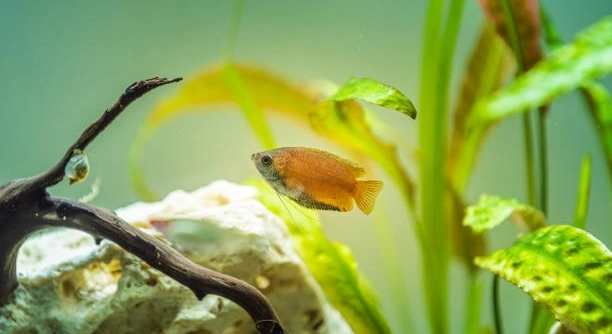
Gouramis are peaceful, colorful fish that often bring life to home aquariums. Observing their behavior can be rewarding, especially when they display unique movements that catch your attention unexpectedly. Quivering is one of these behaviors.
When a gourami quivers, it is typically a form of communication or a response to environmental stimuli. This behavior can indicate courtship, territorial displays, stress, or excitement, and understanding the context helps in interpreting its underlying cause accurately.
Recognizing the reasons behind this quivering can improve care and create a more harmonious aquarium environment. Learning these cues helps you respond appropriately to your fish’s needs.
Why Gouramis Quiver
Gouramis quiver for several reasons, each tied to their natural instincts. Often, quivering is linked to mating behavior. Male gouramis may display a shaking motion to attract females or assert dominance in their territory. This movement is subtle but distinct, usually accompanied by flaring fins or slight color changes. Another common reason is stress or discomfort. Changes in water temperature, poor water quality, or overcrowding can prompt this reaction. Even small fluctuations in pH or sudden movements around the tank can make a gourami quiver. Finally, quivering may signal excitement or curiosity. When introduced to a new environment or interacting with tankmates, gouramis may shake to communicate or explore. Observing patterns over time helps identify the underlying cause. By noting when and how your fish quivers, you can take steps to maintain a healthy, balanced environment while understanding its natural instincts and social behaviors.
Quivering can indicate either excitement, stress, or mating instincts, depending on the context of the tank environment and fish interactions.
Understanding these signals allows for better tank management. Stress-related quivering often occurs when water conditions change suddenly, whereas courtship quivering is usually predictable and rhythmic. Excitement or curiosity triggers shorter, irregular quivers when a gourami explores or reacts to a stimulus. Observing your fish carefully helps distinguish between these causes. Correcting water quality issues, maintaining stable temperatures, and providing adequate space reduces stress-induced quivering. Meanwhile, recognizing natural behaviors like mating displays allows you to appreciate your gouramis’ instincts and social interactions. Patterns in quivering can also indicate health concerns early. Regular observation and documentation make it easier to identify abnormalities. Paying attention to tank dynamics, tankmates’ behavior, and feeding schedules provides additional clues. By understanding these signals, you can enhance your fishkeeping practices, ensuring that your gouramis thrive and display healthy, natural behaviors consistently.
How to Respond to a Quivering Gourami
When a gourami quivers, it is important to monitor its environment and health closely. Small adjustments can improve their comfort and wellbeing.
Providing stable water parameters is essential. Consistent temperature, proper filtration, and regular water changes reduce stress that may trigger quivering. Ensuring adequate space and avoiding aggressive tankmates prevents territorial conflicts. Observing dietary habits and feeding routines supports overall health. If quivering appears linked to mating behavior, giving the fish privacy and reducing disturbances can encourage natural interactions. Any prolonged or unusual quivering should prompt a health check for illness or parasites. By paying attention to both behavior and environment, you create conditions that allow gouramis to express natural instincts safely, minimizing stress. Consistent care and observation lead to a healthier, more peaceful aquarium. Over time, recognizing the context behind quivering helps distinguish between normal social signals and signs that intervention is necessary. This approach ensures the fish remain active, vibrant, and well-adjusted in their tank.
Signs of Stress in Gouramis
Quivering can be a clear indicator of stress in gouramis. Other signs include clamped fins, loss of appetite, hiding frequently, or rapid breathing. Recognizing these behaviors early helps prevent serious health problems and allows timely intervention.
Stress often arises from poor water quality, sudden temperature changes, or aggressive tankmates. Gouramis are sensitive to ammonia, nitrite, and nitrate levels, so regular testing is crucial. Overcrowding can also lead to constant quivering and erratic swimming. Even excessive noise or frequent disturbances near the tank can trigger stress responses. Maintaining a calm environment with stable water parameters reduces these risks. Providing hiding spots and proper space ensures gouramis feel secure, minimizing stress-induced behaviors.
Observation is key to identifying stress. Tracking behavior patterns and physical signs allows you to pinpoint potential triggers. Adjusting tank conditions, rearranging décor, and monitoring interactions with other fish help reduce stress. Diet also plays a role; providing a balanced diet supports overall health and resilience. Seasonal changes or routine maintenance can sometimes cause temporary quivering. By understanding these factors, you can create a stable, supportive environment. Attention to detail ensures that gouramis remain healthy and display natural behaviors without prolonged stress.
Quivering During Mating
During mating, male gouramis often quiver to attract females and signal readiness. This behavior is usually rhythmic and deliberate, accompanied by bubble nest building or fin displays.
Mating-related quivering is a natural, temporary behavior. Males may intensify their movements when a female approaches, circling or shaking near the nest. Females respond with subtle movements of their own, and the interaction may repeat multiple times. Observing these patterns helps differentiate courtship from stress or illness. Bubble nest formation is a strong indicator that quivering is linked to reproduction rather than discomfort. Ensuring adequate space, calm surroundings, and appropriate water conditions encourages successful mating. Disturbances or overcrowding can disrupt the process and increase stress.
Male gouramis use quivering as a communication tool within reproductive behavior. The intensity and frequency vary depending on the male’s health, age, and environment. Providing proper nutrition supports energy levels needed for courtship displays. Water temperature plays a critical role; slightly warmer conditions often stimulate mating behaviors. Monitoring interactions between males and females prevents aggression, as some males may become territorial during this period. Observing quivering in context with other mating behaviors allows you to support successful reproduction without interfering with natural instincts. By recognizing these signs, you ensure a balanced and thriving aquarium environment.
Environmental Triggers
Sudden changes in water temperature, pH, or lighting can cause gouramis to quiver. They are sensitive to their surroundings, and even minor disturbances may trigger this behavior.
Overcrowding or aggressive tankmates can also lead to quivering. Providing ample space and hiding spots reduces tension and helps gouramis feel secure in their environment.
Quivering and Health Issues
Persistent or unusual quivering may indicate underlying health problems. Parasites, bacterial infections, or internal stress can manifest through shaking or twitching. Monitoring other symptoms such as lethargy, discoloration, or loss of appetite helps identify the cause. Prompt action can prevent worsening conditions.
Feeding Excitement
Gouramis often quiver when anticipating food. This response is natural and reflects their alertness and eagerness during feeding times.
FAQ
Why is my gourami quivering all the time?
Continuous quivering is often linked to stress or health issues. Check water parameters like temperature, pH, and ammonia levels. Overcrowding or aggressive tankmates can also cause prolonged shaking. Observing other signs such as clamped fins, rapid breathing, or lack of appetite helps determine if the behavior is environmental or medical. Addressing these factors promptly ensures your gourami’s comfort and reduces long-term stress.
Can quivering indicate a disease?
Yes, unusual or persistent quivering can be a symptom of illness. Parasites, bacterial infections, or poor water conditions may cause shaking. Look for additional signs like discoloration, lethargy, or abnormal swimming patterns. If multiple symptoms appear, isolating the fish and consulting a vet or experienced aquarist is recommended. Early detection improves treatment success and helps prevent the spread of disease in the tank.
Is quivering normal during mating?
Quivering during mating is normal, especially in males. It is part of courtship behavior, often accompanied by bubble nest building or fin displays. Females respond with subtle movements, and this interaction may repeat several times. Ensuring calm surroundings, proper nutrition, and stable water conditions encourages natural reproductive behavior.
Does quivering mean the gourami is stressed?
Often, yes. Stress triggers include sudden changes in water temperature, pH shifts, overcrowding, aggressive tankmates, or loud noises. Providing hiding spots, maintaining stable water parameters, and monitoring tank interactions help reduce stress. Short-term quivering may occur during feeding or exploration, but persistent quivering is usually a stress indicator that requires attention.
Can excitement cause quivering?
Gouramis may quiver when excited or curious. This is common during feeding or when exploring new areas of the tank. Unlike stress-related quivering, these movements are brief and rhythmic. Observing the context of quivering helps differentiate excitement from distress, allowing you to respond appropriately to your fish’s behavior.
How can I reduce stress-related quivering?
Maintaining stable water conditions is key. Regular testing for ammonia, nitrites, nitrates, and pH prevents sudden fluctuations. Adequate space, proper filtration, and hiding spots reduce tension. Avoid overcrowding and monitor interactions with tankmates. Minimizing disturbances near the tank, providing a balanced diet, and maintaining consistent feeding schedules also help your gourami feel secure and calm.
Should I separate a quivering gourami?
Separation is recommended if quivering results from aggression or illness. Isolating a stressed or sick fish prevents injury and allows focused care. Use a quarantine tank with stable water conditions and monitor behavior closely. Separation is temporary and should only last until the gourami recovers or aggression is managed.
Can water quality affect quivering?
Absolutely. Poor water quality is a major cause of stress and quivering. High ammonia or nitrate levels, fluctuating pH, or unsuitable temperature can trigger shaking. Regular water changes, proper filtration, and testing ensure a healthy environment. Maintaining clean, stable water supports overall wellbeing and reduces abnormal behaviors like quivering.
Is quivering always a problem?
Not always. Short bursts of quivering during feeding, mating, or curiosity are normal. The key is context and frequency. Persistent, erratic, or combined with other symptoms indicates stress, illness, or environmental issues. Careful observation helps distinguish normal behavior from problematic quivering, ensuring timely and effective responses.
How can I tell if quivering is from excitement or stress?
Excitement-related quivering is usually brief, rhythmic, and occurs during feeding or exploration. Stress-related quivering is prolonged, irregular, and often accompanied by hiding, clamped fins, rapid breathing, or lethargy. Observing patterns and tank conditions helps identify the underlying cause and take appropriate action to support your gourami’s health and comfort.
Final Thoughts
Observing a gourami quiver can be an interesting experience, but it is important to understand what this behavior signifies. Quivering is a natural form of communication in gouramis and can indicate excitement, curiosity, or mating behavior. At the same time, it may also signal stress or health concerns. Paying close attention to the context of the quivering is essential. For instance, short bursts of quivering during feeding or when exploring the tank are usually harmless and part of their natural instincts. On the other hand, persistent shaking, especially when combined with clamped fins, rapid breathing, or unusual hiding, often points to environmental or medical issues. By learning to recognize these signs, you can ensure your gouramis live in a safe and comfortable environment while exhibiting natural behaviors.
Maintaining stable tank conditions is one of the most effective ways to prevent unnecessary quivering caused by stress. Regular monitoring of water parameters such as temperature, pH, ammonia, and nitrate levels is crucial for a healthy aquarium. Overcrowding and aggressive tankmates can also contribute to stress-induced quivering, so providing sufficient space and creating hiding spots helps your fish feel secure. Even small environmental disturbances, such as loud noises near the tank or sudden changes in lighting, can trigger shaking. Nutrition plays a role as well; a balanced diet supports overall health, giving your gouramis the energy they need for natural behaviors, including mating displays or playful exploration. Taking consistent care of the tank and observing your fish daily allows you to quickly identify any unusual changes in behavior, making it easier to respond before problems escalate.
Understanding the different causes of quivering helps in responding appropriately and supporting your gouramis’ wellbeing. If quivering is linked to mating, ensuring a calm environment encourages natural courtship without interference. If it stems from stress, addressing water quality, tank conditions, and interactions between fish can reduce tension. Health-related quivering requires careful observation of other symptoms and, when necessary, professional advice or quarantine measures. Recognizing the reasons behind this behavior allows you to provide an environment that balances safety, stimulation, and comfort. Over time, careful attention and consistent care help gouramis thrive, allowing them to display natural, healthy behaviors in a secure and peaceful aquarium setting.

Hello,
If you enjoy the content that we create, please consider saying a "Thank You!" by leaving a tip.
Every little bit helps us continue crafting quality advice that supports the health, happiness, and well-being of pets around the world, for pets of all shapes, sizes, and species.
We really appreciate the kindness and support that you show us!