
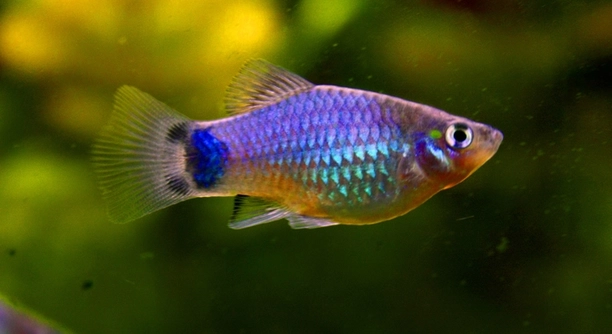
Have you ever noticed your platies shaking and felt unsure whether it’s normal or something to worry about?
Platies shake due to several reasons, most commonly stress, water quality issues, or illness. Shaking can indicate discomfort, such as temperature fluctuations, high ammonia levels, or internal parasites affecting their health and behavior.
Understanding the causes behind this movement helps protect your platies and ensures their environment stays safe, clean, and stable.
Common Reasons Why Platies Shake
Platies may shake for several reasons, and it’s usually a sign that something in their environment needs attention. Poor water quality is one of the most common causes. If the ammonia or nitrite levels are too high, platies can become stressed and start shaking. Sudden changes in water temperature or pH levels may also impact their behavior. Sometimes, it’s a sign of internal parasites or infections that affect the fish’s ability to swim properly. Overcrowded tanks and lack of hiding spots can add to their stress, leading to shaking. Always observe their behavior along with other symptoms like clamped fins or loss of appetite. If multiple fish are shaking, it’s best to check the tank conditions immediately. Testing the water, performing a partial water change, and maintaining a stable environment can prevent this issue. Spotting the problem early gives your platy a better chance of recovering and staying healthy.
Stress is a major factor, especially when the tank setup doesn’t meet your platies’ basic needs for comfort and safety.
It’s important to watch for patterns. A single incident of shaking may not mean much, but repeated behavior, especially with other signs of stress, needs action. Addressing tank conditions quickly can make a noticeable difference.
How to Help Your Shaking Platy
Start by checking the water conditions using a test kit. Make sure ammonia and nitrite levels are at zero, and nitrates are low.
When your platy shakes, improving water quality should be your first step. Do a partial water change and clean the tank without removing too much beneficial bacteria. Use a water conditioner to neutralize any harmful substances. Check the temperature and keep it stable between 72°F and 78°F. If your platy is still shaking, consider isolating it in a quarantine tank to reduce stress and monitor its behavior. Adding aquarium salt in the right dose can also help ease minor infections or discomfort. Avoid sudden changes in lighting or loud noises near the tank. If you notice signs of parasites like white stringy poop or bloating, a vet or pet store may recommend a specific treatment. Keeping your tank clean, stable, and peaceful will prevent future issues and help your platy stay calm and healthy.
Signs to Watch Alongside Shaking
If your platy is shaking and also hiding more than usual, swimming oddly, or refusing food, these are signs of a deeper issue. Watch closely for changes in color, clamped fins, or visible spots or patches on their body.
Shaking paired with clamped fins often signals discomfort or illness. If they are less active or avoiding other fish, stress might be the cause. White spots can indicate ich, a common parasitic infection. Red or inflamed gills may mean water toxins are present. Gasping at the surface might show low oxygen levels. It helps to compare their behavior now with how they usually act. Any major changes can point to something being wrong. Also, look for bloating or abnormal poop, which may mean parasites or internal issues. Noticing these signs early and adjusting care quickly can protect your platy from long-term harm and give them a better chance to recover.
Behavior changes are just as important as physical symptoms. If your platy used to swim actively and now lingers at the bottom, something might be off. Take note of how often it eats, where it rests, and how it interacts with other fish. Subtle shifts can indicate that help is needed right away.
When to Seek Medical Treatment
If your platy continues to shake despite stable tank conditions and shows signs of illness like bloating or odd swimming, it’s time to consider treatment. Don’t wait too long—early care is more effective and less stressful.
Persistent shaking can point to internal parasites, bacterial infections, or protozoa that need specific medication. Pet stores often carry general treatments, but choosing the right one matters. If you’re unsure, call an aquatic vet or a store that specializes in tropical fish. A vet can guide you on dosage and whether to treat the whole tank or just the affected fish. Sometimes, over-the-counter treatments are too harsh or unnecessary, which can cause more harm than good. A proper diagnosis helps avoid this. Even if you can’t access a vet, reliable forums or fish care guides can offer solid advice. Always research the medication before use, and follow instructions carefully to support a healthy recovery.
Prevention Tips for a Healthy Tank
Keep the water clean by testing it weekly and doing regular partial water changes. Use a quality filter, avoid overfeeding, and remove uneaten food quickly to prevent ammonia spikes.
Maintain stable temperatures and avoid sudden changes. Choose peaceful tank mates and provide hiding spots to reduce stress and promote healthy behavior.
Ideal Tank Setup for Platies
Platies thrive in a tank with at least 10 gallons of water, gentle filtration, and consistent temperatures between 72°F and 78°F. A heater helps keep the temperature stable, especially in cooler rooms. Use live or silk plants and decorations that offer hiding spaces without sharp edges. A low-flow filter is best, as strong currents can stress them. Keep lighting moderate and turn lights off at night to mimic a natural day-night cycle. Ensure your tank has a lid since platies may jump. Avoid overcrowding and stick to a balanced male-to-female ratio. Clean the gravel regularly to prevent waste buildup.
What to Avoid
Avoid sudden water changes, overfeeding, and using untreated tap water. These can stress your platy and lead to long-term health problems.
FAQ
Why does my platy shake but act normal otherwise?
Shaking alone can sometimes be a brief response to slight stress, such as a minor temperature change or new tank environment. If your platy continues to eat and swim normally, it might just be adjusting. However, keep monitoring for other signs of illness or stress to be safe.
Can shaking mean my platy is cold?
Yes, platies are tropical fish and sensitive to temperature drops. If the water is below their comfort zone of 72°F, they might shake to generate heat or due to muscle spasms caused by the cold. Using a reliable heater can prevent this issue.
Is shaking a sign of disease?
Often, yes. Shaking can indicate infections such as ich, bacterial diseases, or internal parasites. These conditions affect the nervous system or muscles, causing trembling or twitching. Look for other symptoms like spots, discoloration, or loss of appetite.
Should I isolate a shaking platy?
Isolating your fish in a quarantine tank is a good idea if shaking continues, especially when paired with other symptoms. It reduces stress from tank mates and helps with targeted treatment. Quarantine also protects other fish if the shaking is due to contagious illness.
How quickly should I act if my platy shakes?
Take action within 24 to 48 hours if shaking persists. Start by testing water quality and adjusting conditions. If no improvement follows, consider treatment or professional advice. Early response improves recovery chances significantly.
Can stress cause platies to shake?
Stress is a common reason for shaking. Causes include overcrowding, aggressive tank mates, poor water quality, or lack of hiding places. Reducing these stress factors helps stop shaking and keeps platies healthy and calm.
Is shaking harmful to platies?
Shaking itself is not harmful but signals that something might be wrong. Prolonged stress or illness leading to shaking can weaken their immune system. Addressing the root cause is essential to prevent health decline.
Does diet affect shaking?
Poor nutrition weakens your platy’s immune system, making them more vulnerable to illness and stress, which can lead to shaking. Feed a balanced diet of high-quality flakes, pellets, and occasional live or frozen foods. Avoid overfeeding to maintain water quality.
Can water hardness cause shaking?
Sudden changes in water hardness or incorrect levels may stress platies and cause shaking. They prefer moderately hard water, so maintain consistent water chemistry suited to their needs. Frequent water testing can help catch changes early.
How do I know if shaking is from parasites?
Parasites often cause shaking along with other signs like scraping against objects, stringy white feces, or bloating. Microscopic examination or professional diagnosis can confirm parasites. Treating parasites early prevents further damage.
Are there home remedies to stop shaking?
Improving water quality and temperature is the most effective home remedy. Adding aquarium salt at recommended doses can relieve minor infections and stress. Avoid unproven treatments and always research any medication before use.
How long does shaking last?
The duration depends on the cause. If it’s mild stress, shaking might stop within hours. Illness-related shaking can last days or weeks and needs treatment. Observe your platy closely to gauge improvement or worsening symptoms.
Can tank decorations cause shaking?
Sharp or rough decorations may injure your platy, leading to shaking from pain or infection. Ensure all decorations are smooth and provide safe hiding spots. Avoid overcrowding the tank with decorations to give fish plenty of swimming space.
Is shaking normal when introducing new fish?
New fish sometimes shake as they adjust to new surroundings. This should stop once they settle in. Quarantine new fish before adding them to the main tank to prevent stress or disease spread.
Does lighting affect platy shaking?
Sudden changes in lighting or overly bright lights can stress platies, causing shaking. Use a consistent lighting schedule and avoid harsh light to keep your fish comfortable. Dimmer or natural lighting conditions often work best.
When should I consult a vet for a shaking platy?
Consult a vet if shaking continues after water quality and tank conditions are corrected, or if you notice severe symptoms like severe lethargy, bloating, or rapid breathing. A vet can provide specific treatments and advice for difficult cases.
Can shaking be caused by old age?
Older platies may shake due to weakened muscles or underlying health issues. While aging can cause changes, persistent shaking still requires checking for disease or poor tank conditions to ensure comfort in their later years.
How does overcrowding affect shaking?
Overcrowded tanks increase stress and reduce water quality, both of which can lead to shaking. Maintain proper stocking levels to give each platy enough space to swim and hide comfortably.
Is shaking more common in male or female platies?
Both males and females can shake, but males may show stress behaviors more often during breeding or if competing for territory. Understanding your platy’s behavior helps manage stress and reduce shaking incidents.
What role does oxygen play in shaking?
Low oxygen levels can cause gasping and shaking as platies struggle to breathe. Ensure good water circulation and avoid overstocking to keep oxygen levels high. Aerators or surface agitation help maintain oxygen in the tank.
Final Thoughts
Platies shaking is a common behavior that can mean several different things. It is important to remember that shaking is usually a sign your fish is trying to tell you something is wrong in their environment or health. It may be caused by stress, changes in water quality, illness, or temperature problems. Observing your platy carefully and paying attention to other signs like changes in appetite, swimming behavior, or physical appearance can help you understand what the shaking means. Taking quick action when you notice shaking can prevent more serious problems and help your fish recover faster.
Maintaining a stable and clean tank environment is the best way to keep your platies healthy and reduce shaking. Regular water testing and changes, proper filtration, and keeping the temperature steady are essential. Avoid overcrowding the tank and provide plenty of hiding spaces to lower stress levels. Feeding a balanced diet and not overfeeding will help maintain good water quality and support your fish’s immune system. If shaking continues even after improving tank conditions, it might be a sign of illness that requires treatment or professional advice. Isolating the affected fish and using appropriate medications can make a big difference in recovery.
Overall, shaking is an important behavior to pay attention to because it often signals that something in your platy’s care needs adjustment. Learning about the possible causes and solutions allows you to respond quickly and effectively. Keeping a close eye on your fish’s behavior and tank conditions helps ensure a comfortable, healthy environment for your platies. By providing consistent care, you can reduce stress and prevent many common issues that lead to shaking. This careful attention makes a big difference in the happiness and well-being of your fish over time.

Hello,
If you enjoy the content that we create, please consider saying a "Thank You!" by leaving a tip.
Every little bit helps us continue crafting quality advice that supports the health, happiness, and well-being of pets around the world, for pets of all shapes, sizes, and species.
We really appreciate the kindness and support that you show us!