
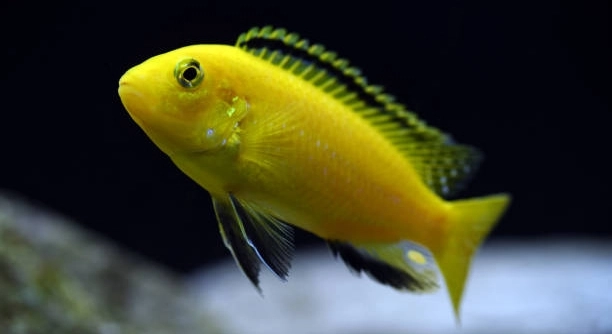
Convict cichlids are lively fish that brighten up any aquarium with their bold patterns and energetic swimming. Observing them closely can help you notice subtle changes in behavior that signal stress, even in a seemingly healthy tank.
A stressed convict cichlid often shows faded colors, clamped fins, rapid gill movement, and unusual hiding behavior. These physical and behavioral changes indicate environmental stressors, poor water conditions, or social tension within the tank that require attention.
Recognizing these signs early allows you to create a calmer environment for your fish, promoting their overall health and stability in the aquarium.
Common Signs of Stress in Convict Cichlids
Convict cichlids are sensitive to changes in their tank. Stress often shows up through physical signs like faded or dull coloration, clamped fins, or frayed tails. Behavior can change as well, with fish hiding more often, swimming erratically, or avoiding interaction. Rapid gill movement and loss of appetite are also clear indicators. Overcrowding or aggressive tank mates can intensify these signs. Even small changes in water temperature or chemistry can make a cichlid anxious. Sometimes stress is caused by constant rearrangement of decorations or plants, leaving the fish feeling insecure in its environment. Monitoring water parameters regularly, maintaining a stable environment, and providing hiding spaces can reduce stress significantly. It’s also important to observe how cichlids interact with each other, as fights can escalate quickly. Stress affects not just behavior but overall health, making the fish more vulnerable to disease. Being attentive to these signs helps prevent long-term problems.
Physical signs are often subtle at first, but careful observation helps catch stress before it worsens.
Preventing stress involves stable water conditions, proper tank size, and avoiding aggressive companions. Hiding spots and gentle lighting also keep cichlids calm.
Environmental Factors Affecting Stress
Water quality plays a major role in convict cichlid stress. Poor filtration, infrequent water changes, or sudden shifts in pH and temperature can trigger behavioral changes. A tank that is too small or overcrowded prevents cichlids from establishing territory, which naturally leads to tension and aggression. Decorations, rocks, and plants help create hiding spots and defined areas, reducing constant confrontations between fish. Lighting that is too harsh or inconsistent can make them nervous and affect their natural activity patterns. Sudden loud noises or vibrations near the aquarium can also cause spikes in stress. Observing water parameters like ammonia, nitrite, nitrate, and temperature regularly is essential. Ensuring stable conditions and providing enough space allows the fish to exhibit normal behavior. Adjustments should be gradual to prevent further shock. Tank mates must be chosen carefully, as convict cichlids are territorial and can attack smaller or more passive species, adding another layer of stress if the environment isn’t suitable.
Proper tank setup, consistent water testing, and thoughtful fish selection greatly improve the health and well-being of convict cichlids, helping them feel secure.
Behavioral Changes in Stressed Convict Cichlids
Stressed convict cichlids often hide more than usual and may refuse food. They can swim frantically or stay in one corner, avoiding other fish. These changes signal that something in the environment is unsettling them.
Aggression is another common behavioral change. Even normally calm cichlids can start chasing or nipping at tank mates. They may guard certain areas obsessively, patrolling rocks, caves, or plants more often than usual. Frequent fights or tense standoffs between fish indicate stress from overcrowding or territorial disputes. Reduced social interaction, like avoiding the surface or ignoring feeding time, also points to anxiety. Monitoring these behaviors closely helps identify triggers and allows adjustments in tank setup, feeding schedules, or fish placement to improve their comfort.
Repetitive or obsessive movements can also indicate chronic stress. Some cichlids may circle the tank continuously, scrape surfaces excessively, or repeatedly dart at the glass. These behaviors often appear when environmental conditions are poor or when the fish feel unsafe in their surroundings. Adjusting tank mates, adding hiding spots, or improving water quality usually reduces these symptoms over time.
Physical Signs of Stress
Faded coloration is one of the most noticeable physical signs. Stress can dull the bright stripes and make the fish appear washed out or pale.
Clamped fins, torn tails, and frayed edges are common. Stress weakens the immune system, making the cichlid more prone to infections and fin rot. Rapid gill movement indicates difficulty breathing, often caused by poor water conditions or overcrowding. Loss of appetite and sudden weight loss are also warning signs, as stressed fish may refuse food entirely. Fin damage may result from aggressive interactions or scraping against tank surfaces. Observing body posture is important; a stressed cichlid often hunches or holds itself unusually low in the water column. Immediate attention to water quality, tank setup, and stressors helps prevent long-term health problems.
Other physical indicators include swelling, bloating, or unusual growths. These can develop from stress-related illness or infections. Darkening of the eyes, lethargy, and slow movement are also clear signs. Providing a stable environment, maintaining optimal water parameters, and separating aggressive tank mates usually improves physical condition. Early recognition and care reduce the risk of serious illness and help the cichlid regain its normal appearance.
Common Environmental Triggers
Overcrowded tanks can stress convict cichlids quickly. Limited space prevents them from establishing territories, leading to constant tension and conflict.
Sudden changes in water temperature or chemistry also cause stress. Even small shifts in pH, ammonia, or nitrate levels can make cichlids anxious and affect their behavior.
Tank Setup and Comfort
Providing hiding spots and well-structured territories is essential. Rocks, caves, and plants create safe spaces that allow cichlids to retreat when feeling threatened. Open areas let them swim freely, reducing tension and aggression. Proper lighting, gentle filtration, and stable water conditions contribute to a calmer, healthier environment.
Social Stress
Aggressive or incompatible tank mates increase stress levels. Convict cichlids are territorial, and constant harassment can affect feeding, swimming, and overall health.
FAQ
What causes a convict cichlid to become stressed?
Stress in convict cichlids is often caused by environmental issues. Overcrowding, poor water quality, sudden changes in temperature or pH, and aggressive tank mates can all make them anxious. Lack of hiding spaces or frequent disturbances in the tank also contributes. Even small, consistent stressors over time affect behavior and health.
How can I tell if my convict cichlid is stressed?
Signs include faded coloration, clamped fins, erratic swimming, hiding often, and rapid gill movement. Some fish may refuse food or show aggression toward others. Repetitive movements, scrapes on tank surfaces, or unusual postures also indicate stress. Physical changes like torn fins or bloating are additional warning signs.
Can water quality really affect stress levels?
Yes, water quality is one of the biggest factors. High ammonia, nitrite, or nitrate levels can irritate gills and reduce oxygen availability. Sudden shifts in pH or temperature shock the fish. Even minor fluctuations can create chronic stress, weakening the immune system and making the cichlid more prone to disease.
How does tank size influence stress?
Convict cichlids are territorial. A small tank restricts movement and increases encounters between fish, leading to constant tension and aggression. Larger tanks allow for separate territories and more hiding spaces, which helps reduce conflict. Proper spacing is essential for multiple cichlids to live together peacefully.
Do hiding spots help reduce stress?
Absolutely. Rocks, caves, plants, and other decorations give fish a sense of security. Hiding spaces let stressed cichlids retreat from aggressive tank mates or bright lights. Without safe areas, fish remain on edge, constantly patrolling or fleeing, which increases stress over time.
How should I adjust the tank environment?
Ensure water parameters are stable, maintain the right temperature, and test for ammonia, nitrites, and nitrates regularly. Add sufficient hiding spots and define territories with decorations. Avoid overcrowding and choose compatible tank mates. Gentle lighting and a consistent routine can also help the fish feel secure.
Is diet related to stress?
Yes, a proper diet supports overall health. Malnutrition weakens immunity, making fish more vulnerable to stress and disease. Feed a balanced diet suitable for convict cichlids, with occasional protein supplements. Monitor eating habits; refusal to eat often indicates stress or illness.
Can stress cause illness?
Chronic stress weakens the immune system, making convict cichlids more prone to infections like fin rot, bacterial infections, and parasites. Early recognition of stress signs allows for adjustments before health deteriorates. Addressing water quality, tank setup, and aggression can prevent long-term health issues.
How long does it take for stress to affect a convict cichlid?
It varies depending on severity and environmental conditions. Minor stress might show behavior changes in days, while chronic stress can gradually impact health over weeks. Immediate intervention improves recovery, while ignoring stress can lead to disease or permanent damage.
What is the best way to reduce stress quickly?
Start by stabilizing water conditions and ensuring proper filtration. Add hiding spaces and separate aggressive fish if needed. Gradually adjust the environment rather than making sudden changes. Monitor behavior closely and maintain a calm, consistent routine to help the cichlid regain confidence and normal activity.
Are there signs of stress I might miss?
Some behaviors are subtle. Slight color fading, minimal hiding, or occasional fin clamping can be early signs. Watching the fish regularly helps catch these subtle changes before they escalate into serious health problems. Early action is key to keeping them healthy and active.
Can stress return after improvement?
Yes, if environmental issues reappear or tank dynamics change. Overcrowding, water parameter shifts, or new aggressive tank mates can trigger stress again. Continuous monitoring and maintenance are necessary to prevent recurrence and ensure the cichlids remain calm and healthy.
Do convict cichlids stress each other out?
They can. Territorial disputes, especially during breeding or in smaller tanks, cause stress. Providing enough space, hiding spots, and careful observation of interactions reduces tension. Separating overly aggressive fish can prevent continuous stress among tank mates.
Is it normal for stressed cichlids to act lazy?
Yes. Lethargy is a common response to stress. Fish may rest at the bottom or avoid swimming actively. While occasional rest is normal, prolonged inactivity often signals stress or poor water quality. Prompt attention can restore energy and normal behavior.
Can I prevent stress entirely?
Stress can’t be eliminated completely, but it can be minimized. Stable water conditions, proper tank size, compatible tank mates, hiding spots, and a regular feeding routine keep stress levels low. Observing behavior and responding early is the most effective prevention.
How important is routine in reducing stress?
Routine matters a lot. Feeding at the same time, maintaining consistent lighting, and avoiding sudden disruptions create a predictable environment. Convict cichlids feel more secure with routine, which lowers anxiety and encourages normal activity patterns in the tank.
What should I do if stress persists?
Evaluate water quality, tank size, and fish interactions. Adjust as needed, adding hiding spaces or removing aggressive fish. Observe behavior closely and consider consulting an experienced aquarist or veterinarian if symptoms continue. Persistent stress affects long-term health and should not be ignored.
How do I monitor stress long-term?
Keep a regular observation schedule, noting changes in behavior, coloration, and appetite. Record water parameters and tank conditions to spot trends. Long-term monitoring helps identify patterns, prevent recurring stress, and maintain a stable, healthy environment for convict cichlids.
Can adding new decorations or plants help?
Yes, introducing new hiding spots or territories can reduce stress by breaking up aggressive zones and giving fish more options to retreat. However, changes should be gradual to avoid shocking the fish. Observing reactions ensures additions actually improve comfort.
Is stress different in male and female convict cichlids?
Yes, males are often more territorial, especially during breeding. Females may show more hiding behavior when stressed. Understanding these differences helps manage tank dynamics and reduces conflict between genders, keeping both calmer.
How quickly can fish recover from stress?
Recovery depends on the severity and how quickly corrective actions are taken. Minor stress may improve in a few days, while chronic stress can take weeks to fully resolve. Consistent care, stable conditions, and patience are key to full recovery.
Final Thoughts
Managing stress in convict cichlids is essential for their overall health and well-being. These fish are naturally territorial and sensitive to changes in their environment, so paying attention to their behavior is important. Stress can show up in many ways, including faded coloration, clamped fins, hiding frequently, or swimming erratically. Even subtle changes in posture or appetite can indicate that something is wrong. By observing your cichlids closely and regularly, you can catch stress early before it affects their health. Taking note of water parameters, tank size, and social dynamics helps create a stable environment where they can thrive. Consistency is key, and small adjustments often make a big difference in reducing tension and promoting normal behavior.
Water quality is one of the most critical factors in preventing stress. Poor water conditions, sudden changes in temperature, or fluctuations in pH and ammonia levels can cause both short-term and long-term stress. Regular testing and maintenance are necessary to keep the tank stable. Overcrowding is another major concern because convict cichlids need space to establish territories and avoid constant conflict. Proper tank setup, with rocks, caves, and plants, gives them safe areas to retreat and feel secure. Adequate hiding spots, along with gentle lighting and quiet surroundings, can reduce anxiety and prevent aggressive encounters. Even the choice of tank mates matters, as incompatible or overly aggressive fish increase stress levels. Watching interactions closely and making adjustments when needed helps maintain harmony in the tank and keeps the cichlids calmer.
Diet and overall care also play a role in stress management. Feeding a balanced diet supports their immune system, helping them handle environmental changes better. Ignoring minor stress signs or skipping proper tank maintenance can lead to illness, lethargy, and more serious problems. By keeping a consistent routine, providing hiding spaces, and monitoring behavior, you create a safer environment where convict cichlids feel more comfortable and secure. Stress cannot be eliminated completely, but with careful observation, preventive measures, and timely interventions, it can be minimized. A calm, stable environment allows these fish to display their natural behaviors, maintain bright coloration, and enjoy a healthier, longer life in the aquarium.

Hello,
If you enjoy the content that we create, please consider saying a "Thank You!" by leaving a tip.
Every little bit helps us continue crafting quality advice that supports the health, happiness, and well-being of pets around the world, for pets of all shapes, sizes, and species.
We really appreciate the kindness and support that you show us!