
Do you ever find yourself staring into your aquarium, wondering what to feed the tiny, fast-moving zebra danio fry? Raising fry can feel confusing at first, especially when it comes to their early food needs.
Zebra danio fry primarily eat infusoria, powdered fry food, and newly hatched brine shrimp. These small food sources match their tiny mouth size and support early development, promoting healthy growth during the first few weeks after hatching.
As the fry grow, their dietary needs change, and offering the right foods at each stage is essential for their survival and development.
What Zebra Danio Fry Need Right After Hatching
Zebra danio fry are very small when they hatch and need tiny food they can easily eat. In the first few days, they mostly absorb nutrients from their yolk sac, which gives them a strong start. Once the yolk sac is gone, they require microscopic food that floats in the water. Infusoria is often the first food people use, as it’s easy for fry to eat and keeps them active. Some breeders also use green water or vinegar eels at this stage. These foods stay suspended in the water longer, which gives fry more chances to feed. Store-bought liquid fry foods can also work during the early stages. The key is to feed small amounts several times a day to avoid fouling the water. Make sure the tank stays clean, as fry are sensitive to poor water quality. A sponge filter helps keep the tank healthy without sucking up tiny fry.
Feeding them too much can cloud the water quickly and affect their health. It’s better to feed lightly and often, keeping their environment clean and safe.
Over the next few days, you’ll notice the fry becoming more active and growing in size. This is a good sign they’re eating well and developing properly.
Transitioning to Larger Foods
As zebra danio fry grow, they become strong enough to eat slightly bigger food. Crushed flake food or powdered fry food is a common next step.
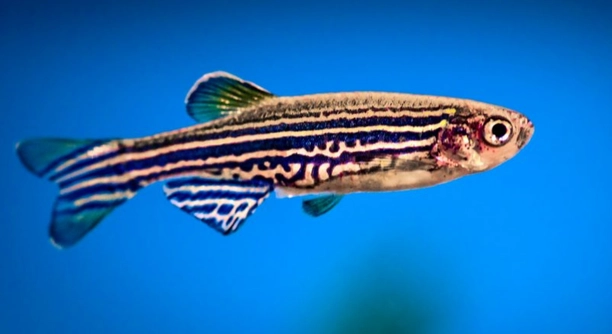
After the first week, their mouths grow larger and they can handle slightly bigger particles. At this stage, many people start feeding them finely crushed flake food or commercial powdered fry food. These foods are easier to prepare and ensure a steady source of nutrition. Newly hatched brine shrimp also become an option. These tiny shrimp are full of protein and help the fry grow quickly. It’s important to vary their food to avoid nutritional gaps. Continue feeding small portions a few times each day. Remove uneaten food with a turkey baster or do regular water changes to keep the tank clean. Avoid using strong filters that could suck the fry in or stir the water too much. As their diet improves, the fry grow stronger and start showing the zebra danio’s striped pattern. Keep a close eye on their growth and adjust food size as needed.
How Often to Feed Zebra Danio Fry
Zebra danio fry need to eat multiple times a day to support their fast growth. Feeding them 3 to 5 small meals daily helps keep their energy up and reduces waste in the tank.
Frequent feeding is necessary because fry have small stomachs and cannot eat large amounts at once. Offering food throughout the day ensures they get the nutrients they need without overwhelming their digestive system. Spread feedings evenly, such as morning, midday, and evening. It’s better to underfeed slightly than to let extra food rot in the tank. Cloudy water can harm fry quickly, so cleanliness is key. If you notice uneaten food sinking to the bottom, remove it as soon as possible. Consistent feeding helps build a strong immune system and encourages steady growth. Using a pipette or dropper for liquid foods makes it easier to target their feeding area without disturbing the tank too much.
Monitor their behavior during feeding times. Active, curious fry that rush to food are generally healthy. If they seem sluggish or uninterested, it could be a sign of overfeeding or water issues. Adjust the amount slightly if needed, but don’t skip meals unless absolutely necessary. Reliable feeding routines support better survival and faster development.
Common Feeding Mistakes to Avoid
Overfeeding is one of the most common mistakes when caring for zebra danio fry. Extra food quickly spoils the water, creating harmful conditions. It’s easy to think they need more, especially if they look hungry, but small portions are safer and more effective.
Another mistake is offering food that’s too large. Fry need tiny particles, especially in the first week. Giving them crushed flakes or powdered food that’s still too big can make it hard for them to eat and might even cause choking. Stick to liquid fry food, infusoria, or baby brine shrimp during early days. Relying on only one food source is also risky—variety helps fill nutritional gaps. Poor tank maintenance is another issue. Uneaten food, along with waste, can raise ammonia quickly. This stresses fry and leads to illness or even death. Stay consistent with feeding times and cleanup routines. Balanced feeding, proper food size, and clean water go hand-in-hand for healthy fry.
When to Start Feeding After Hatching
Zebra danio fry do not need food immediately after hatching. For the first 2–3 days, they survive by absorbing nutrients from their yolk sac, which keeps them healthy and full during this early stage.
Once the yolk sac is gone, it’s time to start feeding them. This usually happens around day three. Start with infusoria or other microscopic food that’s easy for them to eat. They need food in the water column, as they are not strong enough to search for it yet.
Signs They Are Eating Properly
Healthy fry will swim actively and gather near food sources during feeding times. You may also see tiny, full bellies, which is a sign they’re eating well. Clear water and active behavior usually mean your feeding schedule and amounts are working fine.
Best Foods to Use in the First Week
Infusoria is the best food choice in the first few days after the yolk sac is absorbed. It’s small enough for the fry to eat and stays suspended in the water. Some people also use green water or liquid fry food. If available, vinegar eels are another good option, as they move and grab the fry’s attention.
Foods to Avoid Early On
Avoid feeding crushed flakes or pellets during the first week. These are too large and can choke the fry or foul the water.
FAQ
How long should I feed zebra danio fry infusoria?
Feed infusoria for about 5 to 7 days after they start eating. This gives the fry time to grow strong enough to handle slightly larger foods like powdered fry food or newly hatched brine shrimp. If you notice that they no longer seem interested in infusoria, or if they begin chasing slightly bigger food, it’s usually safe to move on. Some people continue offering infusoria alongside new food for a few days to make the transition easier. You don’t have to stop it suddenly—gradually reducing it works best.
Can I use egg yolk to feed zebra danio fry?
Yes, but use it carefully. Boiled egg yolk can be mashed and mixed with water, then added in very small amounts. It’s high in protein and nutrients, but it can cloud the water fast if you overdo it. Always mix it well so it doesn’t clump up. A few drops at a time are usually enough. Make sure to clean any leftovers from the tank within a few hours. If used properly, it can be a helpful backup when you don’t have live foods.
When can I start feeding baby brine shrimp?
Most zebra danio fry can eat baby brine shrimp around day 5 to 7 after hatching. By then, their mouths are big enough to handle moving food. Baby brine shrimp are a great next step because they’re full of protein and help with faster growth. Watch how the fry react—if they chase and eat the shrimp, it’s a good sign. If they seem to ignore them, wait another day or two. Always rinse the brine shrimp before feeding to avoid adding salt to the tank.
How do I know if the fry are not eating enough?
If the fry are weak, hiding, or not moving much, they might not be eating enough. You may also notice their bellies look flat or hollow instead of slightly rounded. Healthy fry are curious and swim toward food. If you don’t see that behavior, you may need to offer food more often or try a different type. Another sign is slow growth—if they’re not getting bigger after a week or so, something might be missing from their diet.
Should I turn off the filter when feeding fry?
If you’re using a sponge filter, you don’t need to turn it off. Sponge filters are gentle and won’t disturb the fry or move the food too much. But if your filter has a stronger flow, it can push the food away before the fry can eat it. In that case, turn it off during feeding and back on after about 15 minutes. Just don’t forget to turn it back on. Keeping water clean is just as important as feeding.
Can I feed them only powdered food from the start?
Powdered food is okay, but it’s often too big for fry in the first few days. If it’s the only food you have, try grinding it down even further and mixing it with tank water before adding it in. Live or cultured foods like infusoria are better at the beginning because they stay in the water longer and are easier for fry to notice and eat. After a week, powdered foods become more useful and are easier to manage.
How long do I need to keep feeding special fry food?
Usually, by 3 to 4 weeks, zebra danio fry can switch to finely crushed flake food and small bits of other dry foods. Their mouths are larger and they swim more actively, making it easier for them to catch and eat regular food. You can still mix in live food like brine shrimp now and then to boost their growth. By this time, they start to resemble adult fish and require less attention, but regular feeding and tank care are still important.
What happens if I overfeed?
Overfeeding causes uneaten food to collect in the tank, which breaks down and releases harmful substances like ammonia. This can make the water cloudy and stress or even kill the fry. If you see food sinking or the water looking dirty, cut back right away. It’s better to feed very small amounts more often than a large amount at once. Watch how fast the fry eat, and only give what they finish in a few minutes. Keep the water clean with small, frequent water changes.
Final Thoughts
Raising zebra danio fry may seem like a lot at first, but it becomes easier once you understand what they need. Their tiny size means they rely on small, floating foods they can easily eat without chasing. Infusoria, liquid fry food, and baby brine shrimp are all great options. As they grow, you can begin offering crushed flakes or powdered food. Watching their size and how they respond during feeding times will help you know when to adjust their diet. Clean water, regular feeding, and patience are the most important parts of raising healthy fry.
It’s important not to rush the process. Fry develop in stages, and each stage has its own needs. In the beginning, focus on offering food several times a day in small amounts. A sponge filter and regular water changes help keep the tank healthy without harming the fry. Avoid overfeeding, and always remove leftover food if possible. The early days are the most delicate, but if you stay consistent, you’ll soon notice the fry growing more active and stronger each day. Their stripes will start to show, and they’ll look more like adult fish with time.
Not every fry will survive, and that’s normal. But by giving them the right food, keeping the tank clean, and observing them closely, you give them the best chance. Try not to stress if things don’t go perfectly. Learning how to care for zebra danio fry takes time and practice. Once you’ve gone through the process, it becomes much more manageable the next time. Whether you’re raising them for fun or just want to give them a good start, a little effort each day makes a big difference in their growth and health.

Hello,
If you enjoy the content that we create, please consider saying a "Thank You!" by leaving a tip.
Every little bit helps us continue crafting quality advice that supports the health, happiness, and well-being of pets around the world, for pets of all shapes, sizes, and species.
We really appreciate the kindness and support that you show us!