
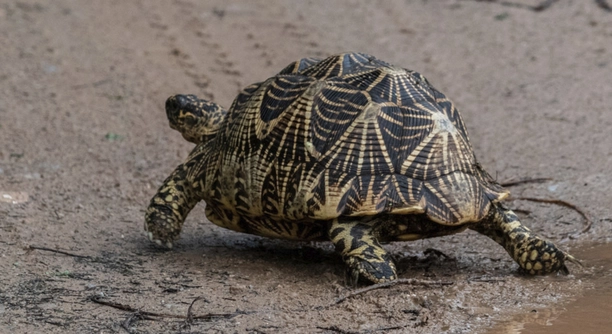
Star tortoises are unique and fascinating creatures. Understanding what they eat is important for their well-being. A proper diet can help them live healthy lives in captivity. Let’s explore what you can feed your star tortoise.
Star tortoises are herbivores, primarily eating grasses, leafy greens, and some fruits. Their diet should include high-fiber, low-protein foods, avoiding anything too rich in fat or sugar. Proper hydration is also crucial for their overall health.
Feeding your star tortoise the right foods will keep them healthy and active. Knowing the essentials of their diet is key to maintaining their happiness and longevity. Let’s look at the best food options and feeding habits.
What Star Tortoises Should Eat
Star tortoises need a diet that mimics what they would eat in the wild. In their natural habitat, they graze on grasses, weeds, and a variety of leafy plants. This high-fiber, low-protein diet helps them stay healthy. Some fruits can also be added in small amounts, but these should not be a major part of their meals. Offering a variety of leafy greens such as dandelion greens, collard greens, and mustard greens is ideal. You can also include safe plants like clover or hibiscus flowers. Remember, these tortoises do not require animal protein, so stick to plant-based foods to prevent health issues.
It’s important to avoid feeding your star tortoise foods that are too high in oxalates, such as spinach and beet greens. These can interfere with calcium absorption and cause kidney problems. Keeping their diet balanced and offering fresh food daily will help them thrive.
You should also be mindful of the portion size when feeding your star tortoise. Overfeeding can lead to obesity, while underfeeding can lead to malnutrition. Fresh, clean water should always be available to keep them hydrated. It’s best to offer small amounts of food each day, watching them eat until they are full, but not overfed.
Best Vegetables for Star Tortoises
When feeding star tortoises vegetables, it’s crucial to choose ones with the right nutritional value. Leafy greens like kale and dandelion greens are excellent choices. Vegetables like squash and bell peppers can also be included.
It’s important to offer a variety of vegetables to provide different nutrients. While star tortoises mainly eat grasses and leaves, vegetables can provide extra vitamins and minerals. Avoid feeding them starchy vegetables like potatoes or high-water-content veggies like cucumber. You can occasionally offer fruits like melon or berries, but limit their intake due to the high sugar content. Make sure to cut everything into manageable pieces that are easy for your tortoise to eat.
Safe Fruits for Star Tortoises
Star tortoises enjoy fruits, but they should be offered sparingly. Low-sugar fruits like berries, papaya, and melon can be good choices. These provide vitamins and hydration.
Fruits should be treated as a treat rather than a staple food. While they offer some nutritional benefits, they can also lead to digestive issues or obesity if fed in excess. Stick to small portions, no more than once or twice a week. Always remove seeds from fruits like apples, as they can be harmful if consumed.
Always wash fruits thoroughly to remove pesticides or chemicals. This is important for their health, as chemicals can cause digestive upset. When introducing new fruits, start with small amounts to see how your tortoise reacts. Pay attention to any changes in their stool or behavior to ensure they’re adjusting well.
Foods to Avoid for Star Tortoises
Some foods can harm star tortoises and should always be avoided. High-protein foods like meat, dairy, or pet food are dangerous and can lead to kidney damage.
High-fat foods like avocados should never be fed, as they can lead to weight gain or digestive issues. Leafy greens with high oxalate content, such as spinach, should also be avoided. Oxalates bind to calcium and prevent absorption, which can result in metabolic bone disease over time. Stick to safe vegetables and plants that offer low levels of oxalates to maintain their health.
Additionally, avoid feeding star tortoises any processed or salty foods. The high sodium content in these foods can cause dehydration and other health problems. Always stick to natural, fresh food to support their well-being.
Feeding Schedule for Star Tortoises
Star tortoises thrive on a consistent feeding schedule. They typically eat once a day, offering fresh food in the morning is ideal. This gives them plenty of time to eat before nightfall.
It’s important to offer the same amount of food each day to ensure they receive the right amount of nutrients. Consistency in their feeding routine helps avoid digestive issues. Keep track of the foods you offer so you can maintain a balanced diet for your tortoise.
Hydration for Star Tortoises
Proper hydration is crucial for star tortoises. They need access to fresh, clean water at all times. A shallow dish works best.
A tortoise may drink from its dish or soak in it to stay hydrated. You can also mist their enclosure with water to increase humidity. This is especially important in drier environments. Be sure to clean the water dish regularly to prevent bacteria buildup.
FAQ
What are the best greens to feed a star tortoise?
The best greens for a star tortoise include dandelion greens, collard greens, mustard greens, and turnip greens. These leafy vegetables provide a good mix of fiber, calcium, and essential nutrients. Avoid feeding them lettuce, as it offers little nutritional value and can cause digestive issues. It’s important to offer a variety of these greens to ensure they get all the necessary vitamins and minerals.
Can star tortoises eat fruits?
Yes, star tortoises can eat fruits, but they should only be given in moderation. Safe fruits include berries, papaya, and melon. These fruits provide hydration and some extra vitamins. However, they contain sugar, which can lead to obesity and other health issues if given in excess. Always remove seeds from fruits like apples to avoid potential choking hazards or toxic compounds.
How often should I feed my star tortoise?
Star tortoises typically eat once a day. This daily feeding schedule ensures they get the necessary nutrients without overeating. You can adjust portions based on their size and age. Young tortoises may need slightly more food to support their growth, while adults can eat smaller portions. It’s important to offer fresh food every day and monitor their weight to avoid obesity.
Can star tortoises eat vegetables?
Yes, star tortoises can eat various vegetables like squash, bell peppers, and sweet potatoes. These are excellent sources of vitamins and minerals. However, starchy vegetables like potatoes should be avoided. Always chop the vegetables into small, manageable pieces for easy eating. Vegetables should complement their diet rather than be the main focus. Keep the servings small and balanced.
Are there any foods that are harmful to star tortoises?
Certain foods should always be avoided when feeding star tortoises. These include high-protein foods such as meat, dairy, and eggs. These can cause kidney problems and metabolic issues. Foods high in oxalates, like spinach and beet greens, should also be avoided because they interfere with calcium absorption. Additionally, avoid feeding them sugary or processed foods, as these can lead to obesity and other health problems.
How much should I feed my star tortoise?
The amount you feed your star tortoise depends on its age and size. Typically, adults need about the size of their shell in food each day, which is about 1-2 handfuls of greens and vegetables. Overfeeding can lead to obesity, while underfeeding can cause malnutrition. It’s best to monitor their weight and adjust portions as needed.
Can star tortoises eat flowers?
Yes, star tortoises can eat certain flowers. Hibiscus, dandelions, and clover flowers are safe and nutritious for them. Flowers offer a mix of vitamins and fiber that contribute to a balanced diet. Always ensure that the flowers have not been sprayed with pesticides or chemicals before offering them to your tortoise.
Do star tortoises need a supplement for their diet?
While a well-balanced diet of greens, vegetables, and fruits should meet most of your tortoise’s needs, calcium supplementation may be necessary. Calcium is important for shell growth and bone health, especially for young or breeding tortoises. You can dust their food with calcium powder once or twice a week. Always provide access to a cuttlebone or calcium block in the enclosure as a natural source.
Can I feed my star tortoise commercial food?
It’s best to avoid commercial tortoise food as the main part of their diet. These foods often lack the variety and nutrients found in fresh plants and vegetables. Some commercial foods are also too high in protein, which can cause health issues. If you use them occasionally, make sure they are high-quality, natural, and free from additives or preservatives.
How do I ensure my star tortoise stays hydrated?
Make sure your star tortoise has access to clean, fresh water at all times. A shallow water dish works well, but be sure it’s not too deep, as they may have trouble climbing in and out. You can also provide regular soaking sessions where the tortoise can sit in shallow water for 15-20 minutes to help them stay hydrated. This is particularly important in drier environments.
Is it necessary to feed my star tortoise a variety of food?
Yes, feeding a variety of food is essential for your star tortoise. A diet with a wide range of greens, vegetables, and occasional fruits ensures they get a full spectrum of nutrients. Rotating foods also prevents the tortoise from becoming too accustomed to one type of food and may help avoid nutrient deficiencies.
How can I prevent obesity in my star tortoise?
To prevent obesity, it’s important to regulate the portion size of food. Offering the right amounts and avoiding high-calorie fruits or fatty foods is key. Monitoring your tortoise’s weight and keeping track of how much it eats daily helps ensure it stays at a healthy weight. Providing a balanced diet and avoiding overfeeding are the most effective ways to prevent obesity.
Final Thoughts
Caring for a star tortoise involves understanding their dietary needs and providing the right balance of food. These tortoises thrive on a diet mainly consisting of leafy greens, grasses, and some safe vegetables and fruits. Offering a variety of plant-based foods ensures they receive the necessary nutrients, including fiber, calcium, and vitamins. It’s important to stick to fresh, natural foods, as processed or sugary foods can lead to health problems. Regularly providing fresh food and water while avoiding harmful foods like high-protein items or certain leafy greens will help keep your tortoise healthy.
Consistency in their feeding schedule is also key. Star tortoises should be fed once a day, with portion sizes adjusted based on their size and age. Young tortoises may need slightly more food for growth, while adults should have a controlled diet to prevent obesity. Remember, it’s always better to underfeed slightly than overfeed, as this can prevent issues like weight gain or poor digestion. Keeping track of their eating habits and watching for any changes in their behavior or health is important for making sure their diet remains balanced and effective.
Finally, don’t forget the importance of hydration. Always provide fresh water for your star tortoise and ensure they have access to it at all times. Soaking your tortoise occasionally helps them stay hydrated, especially in dry climates or during warmer months. By following these guidelines and being mindful of what they eat, you can support the long-term health of your star tortoise. With the right care and a balanced diet, your tortoise will thrive in your care and enjoy a healthy, happy life.

Hello,
If you enjoy the content that we create, please consider saying a "Thank You!" by leaving a tip.
Every little bit helps us continue crafting quality advice that supports the health, happiness, and well-being of pets around the world, for pets of all shapes, sizes, and species.
We really appreciate the kindness and support that you show us!