
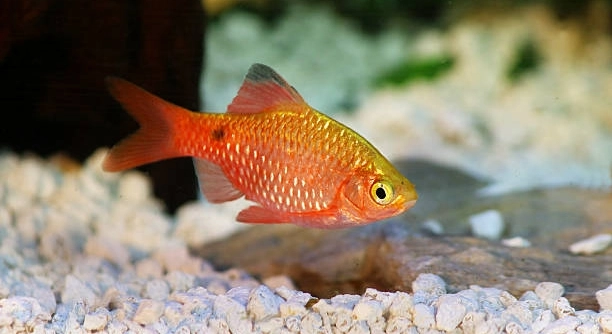
Have you ever found yourself staring at your fish tank, wondering what rosy barb eggs actually look like and where they might be hiding?
Rosy barb eggs are small, round, and translucent with a slight yellow tint. They are usually laid on plants or other surfaces and may be difficult to see due to their size and clear appearance.
Knowing how to identify rosy barb eggs can help you care for them better and increase the chances of successful hatching.
Where Rosy Barb Eggs Are Usually Found
Rosy barb eggs are often scattered across the tank, especially on fine-leaved plants or spawning mops. The female releases them while swimming, and the male fertilizes them immediately. These eggs are adhesive and stick to surfaces, which keeps them from floating away or getting lost in the tank. They’re very small—about the size of a pinhead—and usually translucent with a light yellow hue. Because of their color and size, they can blend in with plants or gravel. You’ll likely find them clinging to Java moss, cabomba, or artificial spawning tools if you use them. A dedicated breeding tank with soft plants can make egg spotting much easier. If you leave the adults in the tank after spawning, the eggs are at risk of being eaten. For a better chance at survival, it’s best to remove the adults once spawning is done.
Newly laid eggs may look like tiny, pale beads on leaves or tank decorations.
Keep an eye on your plants and tank walls. Eggs laid in clusters or tucked away in shaded spots are often easier to spot when light hits them just right.
What to Expect After the Eggs Are Laid
The eggs typically hatch within 24 to 48 hours, depending on the water temperature.
After laying, the eggs go through a quiet stage. They will remain attached to surfaces and will not show much change right away. Within about a day or two, you may begin to notice small black dots developing inside the eggs—these are the eyes of the baby fish forming. It’s important to maintain stable tank conditions during this period. The water temperature should be around 74°F to 78°F to encourage proper development. Avoid strong currents, as this can dislodge or stress the eggs. If you want to raise the fry successfully, use a sponge filter to keep water flow gentle and safe. Once hatched, the fry will stay attached to surfaces for another few days, absorbing their yolk sacs. After that, they will begin to swim on their own and will need infusoria or liquid fry food to survive. Early feeding is critical, as they are too small to eat larger foods.
How to Protect the Eggs
Keep adult rosy barbs away from the eggs to prevent them from being eaten. Use a separate breeding tank or remove the adults after spawning to give the eggs a better chance of surviving and hatching.
To protect the eggs effectively, set up a separate breeding tank before the fish spawn. Include soft plants or spawning mops where the female can lay the eggs. After spawning, remove both adults from the tank right away. Make sure the water is clean and stays between 74°F and 78°F. Use a sponge filter to avoid sucking up the eggs or damaging them with strong currents. Avoid bright lighting, as it can stress the developing embryos. A dimly lit tank with a gentle flow works best. Regularly check for unfertilized or fungus-covered eggs, which may appear white or fuzzy, and remove them to prevent spreading.
Eggs that are properly cared for usually hatch within two days. Once hatched, fry will remain attached to surfaces for a few days as they absorb their yolk sacs. During this time, don’t disturb the tank. Keep the environment stable, and avoid sudden temperature or pH changes. Start preparing infusoria or commercial liquid fry food in advance. The fry will need food as soon as they begin free-swimming. It’s a small window and easy to miss, so having food ready will help improve survival rates. You can also add live plants, which offer both cover and natural microorganisms the fry can nibble on when they begin feeding.
Signs the Eggs Are Fertilized
Fertilized eggs will begin to darken slightly and develop small black dots inside. These dots are usually the baby fish’s eyes and are a good sign that the egg is alive and developing. Unfertilized eggs usually turn white and may grow fungus.
You can usually tell fertilized eggs apart from unfertilized ones within the first 24 hours. Healthy eggs stay clear or lightly yellow and may start showing signs of embryo development within a day. Look closely for two black spots—that’s the start of the fry’s eyes forming. On the other hand, unfertilized eggs become cloudy, white, or fuzzy. If you spot these, remove them right away to stop fungus from spreading to healthy eggs. Some people use a few drops of methylene blue to prevent fungus, but it’s optional. If the water is clean and well-aerated, eggs can hatch without any treatments. Regular monitoring makes a big difference.
How Long It Takes for the Eggs to Hatch
Rosy barb eggs usually hatch within 24 to 48 hours. Warmer water speeds up the process slightly, while cooler temperatures may cause a delay. Keep the water stable and clean during this period to avoid disturbing the eggs.
During this time, you might not see much movement. That’s normal. The embryos are developing quietly inside the eggs. Don’t shake or stir the water to check on them—just observe gently.
What to Feed the Fry After Hatching
Once the fry start swimming freely, they’ll need food right away. For the first few days, they’re too small for regular fish food, so you’ll need to feed them something tiny like infusoria or liquid fry food. After about a week, you can introduce baby brine shrimp or finely crushed flakes. Make sure to feed them several times a day in small amounts. Uneaten food should be removed to keep the water clean. Consistent feeding and water maintenance will help them grow stronger. Avoid overfeeding, as it can quickly pollute the tank and harm the delicate fry.
When to Move the Fry
Move the fry to a grow-out tank once they’re swimming well and large enough not to be eaten. This is usually after two weeks.
FAQ
How many eggs do rosy barbs lay at once?
A single female rosy barb can lay anywhere from 100 to 300 eggs in one spawning session. The exact number depends on her size, health, and the conditions in the tank. Some experienced breeders report even higher counts under ideal conditions. Not all eggs will be fertilized, and some may not hatch, so it’s normal if fewer fry survive. Good water quality, proper tank setup, and quick removal of the adults can greatly increase the number of eggs that hatch successfully.
What do unfertilized rosy barb eggs look like?
Unfertilized eggs usually appear cloudy, white, or even fuzzy. These eggs won’t develop and should be removed to avoid fungus spreading to nearby healthy eggs. Fertilized eggs stay more clear or light yellow and may show small dark spots as they develop. Checking the eggs within 24 hours after spawning makes it easier to tell which ones are viable. If you’re unsure, observe the eggs for a day—fertilized ones usually show signs of life fairly quickly.
Do I need a heater in the breeding tank?
Yes, a heater is helpful and often necessary. Rosy barb eggs develop best in water temperatures between 74°F and 78°F. If your room temperature tends to drop, especially at night, a heater ensures stable conditions. Fluctuating temperatures can delay hatching or even damage the embryos. Make sure the heater is reliable and doesn’t cause sudden spikes. Using a thermometer to monitor the tank is a good idea, especially in smaller setups where temperature can change quickly.
Should I use a light in the tank while the eggs are developing?
It’s better to keep the lighting dim or indirect. Bright lights can stress both the eggs and the developing fry. Rosy barb eggs don’t need strong lighting to hatch. Natural daylight in the room is often enough. If you use artificial lighting, keep it on a low setting or limit how many hours it stays on. A simple setup with shaded areas or floating plants can also help reduce brightness and give the eggs some cover.
Can the eggs survive without a filter?
While it’s possible for rosy barb eggs to hatch without a filter, using a sponge filter is strongly recommended. Sponge filters provide gentle water movement and oxygen without creating strong currents that might dislodge or damage the eggs. They also avoid sucking up tiny fry after they hatch, which can happen with regular filters. If you don’t use a filter, you’ll need to do small, careful water changes to maintain cleanliness. Either way, clean water is key to healthy egg development and hatching.
When do the fry start eating?
Fry begin eating once they are free-swimming, usually about 3 to 5 days after hatching. At first, they’ll feed on very tiny food like infusoria, liquid fry food, or powdered fry meals. You can start feeding baby brine shrimp after about a week, depending on their size and how well they’re swimming. If they’re not fed quickly enough, their survival rate will drop. Feed them small portions multiple times a day to keep them nourished without clouding the water.
How often should I clean the breeding tank?
You should avoid cleaning the tank heavily while the eggs are developing. Instead, do gentle maintenance like removing dead eggs or uneaten food with a pipette or turkey baster. Once the fry hatch and begin feeding, perform small water changes every few days—around 10% at a time. Use treated water that matches the tank’s temperature. Avoid vacuuming the substrate too soon, as tiny fry can get sucked up. Clean water helps them grow, but harsh cleaning can do more harm than good.
Can I keep the fry with adult rosy barbs?
No, it’s not safe to keep fry with adult rosy barbs. Even the parents will eat the eggs and fry if left in the same tank. That’s why most people either move the adults after spawning or raise the fry in a separate grow-out tank. Once the fry are large enough—usually around 6 to 8 weeks old and about 1 inch in size—you can consider moving them back into the main tank. Until then, they need a space where they won’t be seen as food.
What’s the best way to spot the eggs in a planted tank?
Look closely on the leaves of fine plants like Java moss or cabomba. Eggs may look like tiny yellow or clear dots, often sticking in small clusters. Use a flashlight or adjust the angle of light in the room to catch the shine of the eggs. They’re very small and easy to miss, especially if your tank has dark gravel or thick plants. If you’re breeding regularly, using a spawning mop can make it easier to collect and spot the eggs quickly.
Do rosy barbs breed easily in home aquariums?
Yes, rosy barbs are known to breed quite easily if given the right conditions. A separate breeding tank, stable water temperature, and soft-leaved plants or a spawning mop are usually enough to encourage spawning. They don’t need much coaxing once a male and female are ready. However, raising the fry takes a bit more effort—mainly in keeping the eggs safe and feeding the fry properly once they hatch. With a little patience, even beginner fishkeepers can breed them successfully.
Final Thoughts
Breeding rosy barbs and caring for their eggs can be simple if you understand what to expect. The eggs are very small, round, and lightly tinted, often sticking to plants or tank walls. Knowing what fertilized eggs look like can help you decide which ones to remove and which ones to leave alone. Clean water, the right temperature, and gentle filtration are the most important things to focus on. These small details can make a big difference in the hatching rate. Many eggs may not survive if the adults are left in the tank or if the water conditions are unstable. Even if it takes a few tries, each round can teach you something helpful.
Once the eggs hatch, the real work begins. The fry are tiny and fragile, so feeding them the right food at the right time is key. They won’t be able to eat regular flakes at first, so you’ll need to use liquid fry food, infusoria, or baby brine shrimp. If you feed too little, they won’t grow. If you feed too much, the water can get dirty and hurt them. Regular small water changes and gentle cleaning help keep their tank safe. Many people find the first week the hardest, but it gets easier once the fry begin to grow and swim more confidently. Watching them change each day can be rewarding, especially when you begin to recognize their colors and shapes.
Not all eggs will hatch, and not all fry will survive—that’s normal. What matters most is giving them a safe space to grow. If you keep the tank clean, maintain a stable temperature, and feed them properly, you’ll likely end up with healthy young fish. Over time, you’ll get better at spotting eggs, removing adults, and timing your feedings. Each experience helps you understand their needs more clearly. Raising rosy barbs from eggs to adult fish can be a slow process, but it’s one that many fish keepers find worth the effort. Whether you’re trying it for the first time or hoping to improve your setup, a little care and patience can go a long way.

Hello,
If you enjoy the content that we create, please consider saying a "Thank You!" by leaving a tip.
Every little bit helps us continue crafting quality advice that supports the health, happiness, and well-being of pets around the world, for pets of all shapes, sizes, and species.
We really appreciate the kindness and support that you show us!