
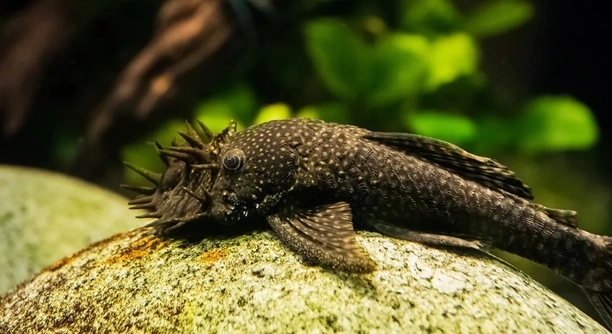
Do you ever find yourself staring at your plecostomus, wondering if you’re feeding it the right kind of food every day?
Plecostomus fish primarily eat algae, plant matter, and sinking wafers designed for bottom feeders. In captivity, their diet can also include vegetables like zucchini and cucumber, along with occasional protein-rich treats like shrimp pellets.
Knowing what plecos eat can help support their health and keep your aquarium cleaner and more balanced in the long run.
What Do Plecos Eat in the Wild?
In the wild, plecostomus feed mostly on algae that grows on rocks, driftwood, and river bottoms. They use their strong sucker mouths to scrape off this algae, which makes up the majority of their diet. They also eat plant material, decaying leaves, and sometimes small bits of wood. These fish are scavengers, meaning they eat whatever they find that fits their nutritional needs. This includes biofilm, a layer of microscopic organisms that live on surfaces underwater. Though mostly herbivorous, wild plecos may also eat small insects or crustaceans if they come across them. Their feeding pattern changes slightly depending on the food availability and season. In tropical rivers, food is usually plentiful, allowing plecos to graze often. Understanding their natural diet helps when feeding them in captivity. Mimicking their wild feeding habits helps plecos stay healthy and reduces stress in aquarium life.
Wild plecos are primarily plant-eaters, but they are flexible and will consume what is available in their environment.
A pleco’s natural grazing habit means they are used to eating throughout the day, especially when lights are low or it’s nighttime. This behavior remains the same in aquariums, where they are most active after dark.
What Should Plecos Eat in an Aquarium?
Aquarium plecos need a mix of plant-based foods and occasional proteins to stay healthy.
Their daily meals should focus on algae wafers, fresh vegetables like zucchini, cucumber, and spinach, and sinking pellets. These foods provide fiber and nutrients to support digestion and energy. Vegetables should be cut into thin slices and weighed down so they sink. It’s a good idea to remove leftovers after a few hours to keep the water clean. You can also include driftwood in the tank—especially for species like the bristlenose pleco—which helps with digestion and mimics their natural environment. While plants and algae should be the base of their diet, proteins like shrimp pellets or bloodworms can be offered once or twice a week. This gives them extra nutrition, especially for growing plecos or breeding pairs. Feeding should be done in the evening when plecos are naturally active. With the right diet, they become more active, grow properly, and keep your tank looking neat by grazing on algae.
How Often Should You Feed Plecos?
Plecos should be fed once a day, preferably in the evening when they are most active. Feed only what they can eat within a few hours and remove any leftovers to keep the water clean and stable.
Overfeeding can lead to cloudy water, health problems, and algae overgrowth. Since plecos also graze on tank algae and driftwood, their need for extra food depends on how much natural food is already available. A balanced schedule works best—offer vegetables or algae wafers every other day, and add a protein-based treat once or twice a week. Monitoring their activity and checking for leftover food can help you fine-tune their feeding routine. If they stop eating or hide more than usual, it might be time to adjust their diet or portion sizes. Consistency helps plecos stay healthy and supports the tank’s overall balance.
Feeding schedules can also depend on the pleco species and their size. Smaller plecos and juveniles may need food more often, especially when they are still growing. You can break their food into smaller portions across the day if needed, just make sure nothing is left to rot in the tank. Watching their behavior is a good way to tell if the feeding amount is right.
What Foods Should You Avoid Giving Plecos?
Avoid feeding plecos processed human food, starchy vegetables, and anything high in fat or salt. These items are hard for them to digest and can pollute the water quickly, leading to stress and illness.
Foods like white potato, bread, and processed meat should never be part of a pleco’s diet. These items lack the nutrients plecos need and break down in the water, leading to ammonia spikes that can harm all the fish in the tank. Fruits are also not ideal, as they often contain sugars that plecos don’t process well. Feeding sugary or fatty foods can lead to bloating, digestive issues, and water quality problems. Stick to leafy greens, algae wafers, and occasional high-quality protein sources designed for bottom feeders. When in doubt, choose simple, clean foods that mimic what they’d eat in nature. Clean tank water and a proper diet go hand in hand.
Can Plecos Survive on Algae Alone?
Algae is a big part of a pleco’s diet, but it’s not enough to keep them healthy long-term. In most tanks, natural algae isn’t available in large amounts, especially if the tank is clean or newer.
Without added food like vegetables and sinking pellets, plecos can become underfed. Over time, this can lead to weight loss, low energy, and weakened immune systems. Even in algae-rich tanks, variety helps meet all their nutritional needs.
Do Different Pleco Species Have Different Diets?
Yes, different pleco species have slightly different diet needs based on their natural habits and size. Bristlenose plecos, for example, need a mostly plant-based diet with some driftwood to chew on. Common plecos can handle more variety, including vegetables and occasional proteins. Zebra plecos prefer more protein and less plant matter. It’s important to research the specific species you own to provide the right food. While most plecos benefit from algae wafers and fresh vegetables, some species rely more on protein or even wood fiber. Feeding the wrong diet can affect growth and overall health over time.
Do Plecos Eat Aquarium Plants?
Some plecos may nibble on soft aquarium plants if they are hungry or lack vegetables in their diet. Offering enough food usually keeps them from damaging live plants.
FAQ
Can plecos eat cucumber and zucchini?
Yes, plecos love cucumber and zucchini. These vegetables are excellent sources of fiber and nutrients. Cut them into thin slices or small pieces and weigh them down to ensure they sink. Cucumber provides a high water content, while zucchini offers vitamins and minerals. Just be sure to remove any uneaten pieces after a few hours to keep the tank clean.
Can plecos eat spinach?
Spinach is safe for plecos and can be a great addition to their diet. It’s packed with vitamins and minerals. However, like all leafy greens, spinach should be given in moderation. It’s best to blanch the spinach first, which makes it softer and easier for them to eat. Overfeeding spinach can lead to excessive waste, so only give small portions and monitor how much they consume.
Do plecos eat meat?
While plecos are primarily herbivores, some species will eat small amounts of protein when available. In their natural habitats, plecos may occasionally eat small insects or crustaceans. In captivity, they can be offered protein-rich foods like shrimp pellets or bloodworms. However, protein should only make up a small part of their diet, as their digestive systems are better suited for plant-based foods.
How often should I give my pleco vegetables?
It’s a good idea to offer vegetables like zucchini, cucumber, and spinach at least every other day. These foods should be a staple in their diet, but make sure you vary the vegetables to prevent boredom and provide a wider range of nutrients. If you have a variety of vegetables available, you can offer small portions daily, but ensure your pleco has enough time to eat each one.
Can plecos eat algae wafers every day?
Algae wafers are an excellent food for plecos, and they can be given daily. Algae wafers are designed to meet the nutritional needs of bottom feeders and provide a good source of fiber. However, balance is key. If you’re feeding algae wafers every day, make sure to vary their diet with fresh vegetables or other foods to ensure they get a full range of nutrients.
Do plecos eat fish food?
Plecos can eat certain types of fish food, especially sinking pellets designed for bottom-feeders. However, most fish food is not suitable for plecos. They require more plant-based foods to stay healthy. Avoid feeding them floating fish flakes, as they aren’t ideal for plecos and may not provide the right nutrients. Stick to foods that are made specifically for plecos, such as sinking wafers, algae tablets, and fresh vegetables.
What kind of wood can plecos eat?
Plecos enjoy eating certain types of wood, especially driftwood. It helps with digestion and mimics their natural diet. The best wood for plecos is driftwood that hasn’t been treated with chemicals. Mopani wood and Malaysian driftwood are common choices, as they are safe for plecos and provide a solid source of fiber. Always ensure the wood is free from pesticides and preservatives before adding it to your aquarium.
Can plecos eat frozen food?
Yes, plecos can eat frozen food such as brine shrimp, daphnia, or bloodworms. Frozen foods are a great source of protein and can be offered to plecos as an occasional treat. However, make sure to thaw the frozen food before feeding it to them, and offer it in moderation. Too much protein can cause digestive issues or harm their long-term health. Frozen foods should be a supplement to their regular diet of vegetables and algae-based food.
Can plecos eat peas?
Peas are a good food option for plecos as they are rich in fiber, which aids digestion. To prepare them, simply blanch the peas and remove the skins before offering them to your pleco. It’s important to feed peas sparingly, as they can cause bloating if overfed. Giving peas once or twice a week can help with constipation and promote healthy digestion.
Do plecos eat snails or other tank pests?
Some plecos may eat snails or small invertebrates that are in the tank, but they do not rely on them as a primary food source. Plecos are not considered efficient at controlling snail populations. If you’re dealing with a snail issue, it’s better to use other methods to manage them rather than relying on the pleco. However, a pleco may occasionally eat small snails if they come across them.
Are plecos aggressive towards other fish?
Plecos are generally peaceful fish, especially when it comes to other species. However, some plecos, like the common pleco, can become territorial as they grow larger. It’s essential to provide enough space and hiding spots to reduce stress and aggression. Bristlenose plecos are usually less territorial and easier to keep with other fish. Always monitor your pleco’s behavior when introducing new tank mates.
Can plecos live with other bottom feeders?
Yes, plecos can often live with other bottom feeders as long as there is enough space and food to go around. However, avoid keeping multiple plecos of the same species, as they can become territorial. Other bottom-dwelling fish, such as corydoras or loaches, usually get along well with plecos, provided there is enough hiding space. It’s important to ensure that your tank is well-stocked with food to prevent competition and maintain harmony among the fish.
What size tank does a pleco need?
The minimum tank size for a pleco depends on the species. A small pleco, like the bristlenose, can live comfortably in a 20-gallon tank. Larger plecos, such as the common pleco, require at least a 75-gallon tank, as they can grow quite large—up to 24 inches or more. Overcrowding can cause stress and health issues, so always consider the size of your pleco when choosing the right tank size.
Do plecos need a filter?
Yes, plecos need a filter to maintain water quality. Since plecos are bottom dwellers, they produce waste that can quickly build up and affect the tank’s environment. A strong filter will help keep the water clean, removing debris and excess food. Make sure to clean the filter regularly and monitor the tank’s water parameters, including ammonia, nitrite, and nitrate levels, to ensure your pleco’s environment remains healthy.
Final Thoughts
Plecos are hardy and low-maintenance fish, making them a popular choice for aquarium enthusiasts. Their diet is relatively simple, but providing them with the right food is key to keeping them healthy and thriving. While they enjoy algae, it’s important to supplement their diet with fresh vegetables and sinking pellets to ensure they get a balanced mix of nutrients. Overfeeding, however, can cause water quality issues, so it’s essential to monitor how much food is being offered and remove any leftovers promptly.
Understanding your pleco’s species is also crucial. Different species have slightly different needs when it comes to diet, space, and tank mates. For example, smaller species like bristlenose plecos may not require as much space or food as larger ones like the common pleco. It’s also important to note that plecos tend to grow quite large, so make sure your tank is big enough to accommodate their size. Providing plenty of hiding spots and places to graze will help reduce stress and keep them comfortable in the tank.
Overall, a healthy pleco is a well-fed pleco, but their diet should be diverse and suitable for their specific needs. It’s not just about feeding them; it’s about creating an environment that mimics their natural habitat as closely as possible. With a balanced diet, proper tank care, and attention to their needs, plecos can be a great addition to your aquarium. Regular monitoring of their health and behavior will also help you spot any issues early and address them quickly, ensuring your pleco remains healthy and happy in its aquatic home.

Hello,
If you enjoy the content that we create, please consider saying a "Thank You!" by leaving a tip.
Every little bit helps us continue crafting quality advice that supports the health, happiness, and well-being of pets around the world, for pets of all shapes, sizes, and species.
We really appreciate the kindness and support that you show us!