
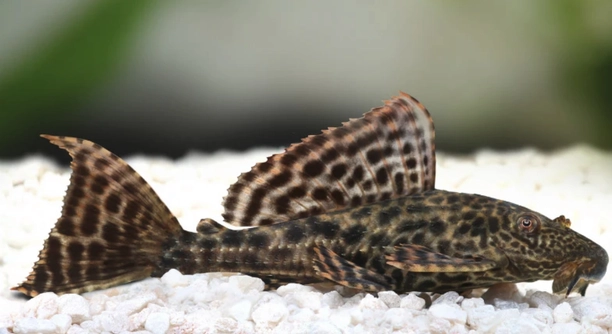
Plecos are fascinating creatures that can sometimes seem a bit mysterious. Understanding their behavior can help provide a better environment for them. Knowing what plecos do when bored can help enhance their well-being.
When plecos are bored, they may exhibit behaviors such as excessive hiding, repetitive swimming patterns, or nibbling on aquarium surfaces. Providing them with enrichment, such as aquarium plants, caves, or driftwood, can help alleviate their boredom and promote healthier activity.
By creating a stimulating environment, you can ensure your pleco remains active and engaged. This simple change can improve their quality of life and reduce undesirable behaviors.
Why Do Plecos Get Bored?
Plecos are bottom-dwellers, often seen as low-maintenance fish, but they can get bored, just like any other pet. When they’re not entertained or stimulated, they may begin to display signs of stress or frustration. This is why understanding what plecos need to stay active is essential. In their natural environment, plecos would be swimming around, exploring different surfaces, and finding food. However, in an aquarium, their habitat can be limiting, leading to boredom. A lack of stimulation in the tank could also result in unhealthy behavior, like excessive hiding or aimless swimming. If your pleco isn’t getting enough stimulation, it’s important to make changes to their environment. This could include adding more plants, rocks, or even driftwood that they can interact with. A few adjustments to their tank could make a significant difference in their well-being.
Sometimes, a few simple changes can help re-engage your pleco. Fresh decorations or new tank mates can bring about some excitement. Introducing these changes gradually will allow the pleco to adjust without feeling overwhelmed.
Plecos need more than just clean water and food. Their environment should allow them to display natural behaviors. Aquarium decorations, like caves and driftwood, help simulate the hiding places they would normally explore. When a pleco becomes bored, they may start nibbling on things around them out of frustration or curiosity. Adding plants not only gives them something to hide in but also provides them with opportunities to forage. Different types of plants and materials, such as natural stones, will keep them engaged. Their need for mental stimulation shouldn’t be overlooked, as it impacts their overall health and behavior. Keeping their tank environment diverse can help prevent boredom and promote natural behaviors.
What Can You Add to Your Pleco’s Tank?
To improve your pleco’s life, adding new items to their tank can make a big difference. Driftwood, rocks, and plants provide textures that plecos enjoy. These additions mimic their natural habitat and make them feel more comfortable.
Decorations that encourage exploration can also benefit their mental health. Plecos enjoy hiding in caves or between rocks. Adding these structures provides them with a sense of security and an outlet for their natural instincts. Not only do these additions offer shelter, but they also allow plecos to engage in activities like climbing and exploring. It’s essential to have enough space for these additions without overcrowding the tank. Overcrowding can lead to stress, which will defeat the purpose of creating a more stimulating environment.
Moreover, make sure that the decorations are safe for your pleco. Avoid sharp edges or toxic materials that could harm them. Ensure that the driftwood is fully submerged and doesn’t introduce any unwanted chemicals into the water. This will ensure a healthy and safe environment for your pleco.
Types of Pleco Enrichment
Plecos can get bored without proper enrichment. Adding different types of materials like plants, rocks, and caves is a simple yet effective way to keep them engaged. These additions can mimic natural environments, helping the pleco feel comfortable and active.
Adding live plants to your pleco’s tank is an excellent way to promote activity. Plants not only provide a natural hiding spot but also offer places for the pleco to forage. Aquatic plants like Java ferns and Anubias are great choices because they are hardy and easy to maintain. The pleco can nibble on the plants, helping them engage with their environment in a more natural way. Additionally, plants help maintain a balanced ecosystem in the tank by absorbing excess nutrients. This benefits both the pleco and the other fish in the aquarium.
Rocks and caves are also beneficial for creating a stimulating environment. Plecos are natural cave dwellers, and having a variety of hiding spots in the tank can reduce stress. Adding smooth stones or driftwood will encourage exploration. Ensure the decorations are appropriately sized to allow the pleco to navigate easily without feeling confined. Having more areas to explore will keep your pleco from becoming bored and help maintain a healthy, active lifestyle.
Pleco Tank Size and Layout
Tank size plays a crucial role in preventing boredom for your pleco. A larger tank allows more space for exploration, which can be especially important for plecos that grow quite large. A cramped environment can quickly lead to frustration and stress.
The layout of the tank is just as important as the size. Plecos appreciate having areas to hide and swim freely. Adding different structures like caves, plants, and driftwood encourages plecos to swim around and explore. This simulates their natural habitat, where they would seek shelter and navigate through their surroundings. A tank with plenty of vertical and horizontal space will help prevent plecos from feeling confined. Additionally, keeping the water clean and well-filtered is key to their health. It’s important to balance the need for decor with the pleco’s space requirements to maintain a healthy environment.
The pleco’s tank should also have areas of low and high flow, mimicking the different conditions they would encounter in the wild. Plecos typically prefer calmer waters, so providing a variety of flow types will encourage them to swim and interact more with their surroundings. Keeping the water temperature stable and monitoring its quality will further support their well-being.
Feeding and Pleco Behavior
Feeding habits can play a role in preventing boredom for plecos. Offering a variety of foods like algae wafers, vegetables, and occasional protein sources helps to keep them engaged. Plecos enjoy foraging, so scattering food around the tank adds an element of activity.
Changing up their diet also promotes more natural behaviors. Plecos often graze throughout the day, and giving them different food sources will allow them to explore their environment more. Vegetables like zucchini and cucumber, or even blanched spinach, are perfect for encouraging natural foraging. By offering food in different locations, plecos will swim around the tank more, staying active.
Adding Tank Mates
When introducing new tank mates, ensure they are compatible with plecos. Peaceful species, such as tetras or corydoras, can add activity and social interaction for your pleco. However, avoid aggressive fish that could stress out your pleco or compete for space.
Adding tank mates helps diversify the pleco’s environment and gives them more to interact with. Plecos are generally solitary creatures but can coexist with peaceful fish. Having other species in the tank might encourage plecos to explore more areas, but always be mindful of their space and needs. It’s crucial to monitor the behavior of all fish to ensure a harmonious environment.
Pleco’s Nighttime Behavior
Plecos are nocturnal creatures, which means they are most active during the night. If you notice your pleco hiding during the day, it’s likely because they are conserving energy for nighttime activities.
At night, plecos will often swim around, searching for food and exploring their surroundings. This behavior is natural, as they are accustomed to feeding in low-light conditions. Providing a dim light or a tank light with a timer can simulate night and day cycles, encouraging plecos to stay active during the night.
FAQ
What are the signs that my pleco is bored?
Boredom in plecos can be seen through a few key behaviors. They may spend excessive time hiding or swimming in repetitive patterns. Plecos might also nibble on surfaces or plants more than usual. If a pleco is not actively exploring, they could be feeling unstimulated. Providing more hiding spots, plants, or decorations can help change this behavior. Keeping an eye on their interaction with the environment will tell you if they are engaged or just passing time.
Can plecos be kept alone, or do they need tank mates?
Plecos can be kept alone, as they are generally solitary creatures. However, some pleco species may tolerate peaceful tank mates, such as corydoras or small tetras, without stress. It’s important to avoid aggressive species that could cause tension or competition for resources. When keeping plecos alone, they will be less likely to be disturbed and can create their own environment within the tank. Regardless of whether they have tank mates, the key is to provide enough stimulation and space.
What is the best tank size for a pleco?
A pleco needs a spacious tank due to its size and active nature. The minimum recommended tank size for most plecos is around 75 gallons. Larger pleco species require even more space to swim and explore. A tank that is too small can lead to stress and health issues. Additionally, plecos are bottom dwellers, so a larger footprint with both horizontal and vertical space will allow them to be more active and reduce boredom.
How often should I feed my pleco to keep it from getting bored?
Feeding frequency can vary depending on the pleco species. Typically, plecos should be fed once a day, but it is important to offer a variety of foods to prevent boredom. Algae wafers, vegetables, and occasional protein like shrimp or fish are great options. Foraging around for food will encourage natural behaviors and help keep your pleco active. Ensure that any uneaten food is removed promptly to maintain water quality.
What should I do if my pleco isn’t eating?
If your pleco isn’t eating, there may be several reasons for this. Stress from a new environment, changes in water conditions, or tank mates can all affect their appetite. Check water parameters like temperature, pH, and ammonia levels. If everything is in check and your pleco still refuses to eat, try offering different food types, such as blanched vegetables or algae wafers. Sometimes, plecos may take time to adjust to new foods or their surroundings.
Can plecos live with other species of plecos?
Plecos can sometimes coexist with other plecos, but it largely depends on the species. Some plecos are territorial, especially larger varieties. It’s essential to choose species that have compatible temperaments, and ensure the tank is large enough to accommodate multiple plecos without causing stress. In smaller tanks, it is generally better to keep just one pleco. Monitor their behavior to ensure there’s no aggression or competition for space.
How can I make my pleco more active?
Making a pleco more active involves stimulating their environment. Adding plants, caves, driftwood, and rocks will give them plenty of spaces to explore and hide. Providing different food sources and scattering them throughout the tank also encourages movement. It’s also essential to ensure the tank has proper water conditions, as stress from poor water quality can cause a pleco to become less active. Make sure to keep the tank clean and well-maintained, as this can help prevent any health issues that might affect their activity levels.
Do plecos need a lot of hiding spots in the tank?
Yes, plecos need plenty of hiding spots to feel secure. They are naturally shy and will seek refuge in caves, under rocks, or in dense plant areas. Providing them with these hiding spots helps them feel comfortable and reduces stress. They will come out more when they feel safe and secure. The more natural hiding areas you provide, the less likely your pleco will become stressed or bored. This also allows them to maintain their privacy and retreat when they want to rest.
Are plecos nocturnal or diurnal?
Most plecos are nocturnal, meaning they are most active during the night. They often spend the day hiding and rest in dark areas of the tank. At night, they come out to forage and explore their surroundings. If you want to observe your pleco’s natural behavior, consider dimming the lights in the tank in the evening or setting up a timer to simulate natural day and night cycles. This will encourage your pleco to stay active during their natural active hours.
Can plecos eat live plants?
Yes, plecos can eat live plants. However, they tend to focus more on algae and detritus rather than healthy plant matter. Some plecos will nibble on plants, especially if they are not provided with enough food to graze on. To prevent excessive plant damage, choose hardy plant species that can tolerate some nibbling. Plants like Java ferns and Anubias are good options for pleco tanks, as they can withstand some damage and still thrive. Adding algae wafers or vegetables to the diet will help keep the pleco well-fed and reduce plant nibbling.
Final Thoughts
Plecos are fascinating creatures that thrive in well-maintained environments. Keeping them engaged and active is essential for their health and well-being. Providing a variety of foods, adequate space, and plenty of hiding spots will help prevent boredom. While plecos are generally low-maintenance, they do need a stimulating environment to remain healthy and content. Regularly changing up their diet and rearranging their tank decorations can encourage them to explore and forage more, keeping them active.
Understanding your pleco’s natural behavior is key to creating a suitable environment. Plecos are nocturnal creatures, which means they may not always be active during the day. Creating a tank that mimics their natural habitat with dim lighting and hiding spots will help your pleco feel safe and secure. Make sure to monitor their behavior closely, as a lack of activity or poor eating habits can indicate issues such as stress or health problems. Ensuring your pleco is properly fed and their water conditions are optimal will also support their overall well-being.
In conclusion, keeping plecos happy involves providing a balanced mix of food, space, and stimulation. Whether they are in a tank alone or with other peaceful fish, a good setup will help them feel comfortable and engaged. By being attentive to their needs and adjusting their environment as necessary, you can help ensure your pleco leads a healthy, active, and fulfilling life in your aquarium.

Hello,
If you enjoy the content that we create, please consider saying a "Thank You!" by leaving a tip.
Every little bit helps us continue crafting quality advice that supports the health, happiness, and well-being of pets around the world, for pets of all shapes, sizes, and species.
We really appreciate the kindness and support that you show us!