
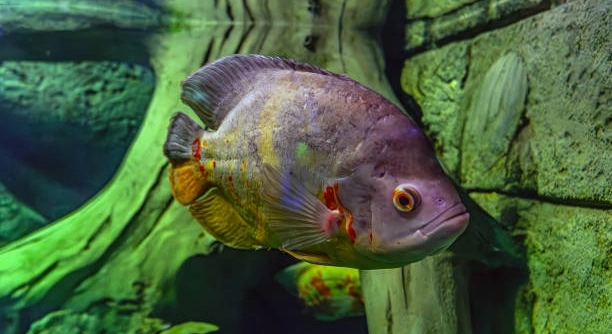
Oscar fish are known for their intelligence and social nature. When left alone, they can display a range of behaviors that may indicate loneliness. Understanding their emotional needs is key to providing the best care for them.
Oscar fish exhibit signs of loneliness through various behaviors such as reduced activity, increased hiding, or even aggression. These fish are social creatures that thrive on interaction, either with other fish or with their owners. Ensuring they have adequate social engagement can help mitigate loneliness.
Loneliness can have a significant impact on your Oscar fish’s behavior and well-being. Keeping them socially engaged and providing proper care can improve their quality of life.
Why Oscar Fish Get Lonely
Oscar fish thrive in social environments. When alone for extended periods, they can exhibit behaviors like aggression or lethargy. This is especially true if they don’t have a tank mate or enough interaction with their owners. These fish have a strong social instinct and require consistent stimulation to stay healthy. The lack of another fish can lead to signs of distress, such as hiding or swimming in circles. Observing their behavior closely can give you a better understanding of how they feel when they are lonely. Over time, this loneliness can affect their overall well-being, causing them to eat less and become more stressed. They are known to enjoy the company of other fish, which gives them a sense of security.
Providing companionship in the form of other Oscar fish or compatible species can help reduce these signs of loneliness. Regular interaction with their owners can also alleviate some of their isolation, making them feel more secure in their environment.
Understanding what Oscar fish experience emotionally can help you make better decisions when caring for them. The key is to create an enriching, interactive space where they don’t feel alone. Tank mates should be carefully chosen to match their temperament, as aggressive species can make the situation worse. Also, providing plenty of hiding spots and objects they can explore will give them mental stimulation, even if they are alone. When they feel safe and engaged, Oscar fish can lead happier, healthier lives.
How to Keep an Oscar Fish from Feeling Lonely
Offering the right tank conditions plays a crucial role in preventing loneliness in Oscar fish.
Maintaining an appropriate tank size and environment will help your Oscar fish feel more at ease. A 75-gallon tank is a minimum requirement for these fish, allowing them enough space to explore. Oscar fish need areas to hide, which can help them feel more secure. Providing places for them to retreat to during the day can reduce anxiety. If you notice your Oscar becoming aggressive or withdrawn, it may be a sign that they feel stressed by their surroundings. Another important factor is ensuring they have compatible tank mates. Other large fish can be great companions for Oscars, as long as they are peaceful and share similar water requirements. Avoid smaller fish that might be seen as prey. If you are unable to introduce another fish, consider increasing your interaction with your Oscar, either through feeding or simply spending time near the tank. This helps reduce their isolation, even if it doesn’t solve it entirely.
Signs Your Oscar Fish Is Lonely
Oscars that feel lonely often exhibit changes in behavior. They may swim aimlessly or spend more time hiding than usual. A decrease in appetite is also common. If your Oscar is becoming aggressive toward other fish or objects in the tank, it might be an indication of stress.
They may also seem less active than before, drifting around the tank in search of something to engage with. This behavior can be frustrating for both the fish and their owners. If they’re not interacting with their environment or their tank mates, it’s a sign they need stimulation. Additionally, Oscars are known for being curious and playful. A lack of these behaviors often points to loneliness. If these signs persist over time, it’s essential to assess the overall environment and social interaction levels in the tank.
When Oscars are isolated, they can develop undesirable habits like glass surfing or becoming overly territorial. Providing them with more company or engaging them with toys or decorations can help combat these signs. If the loneliness persists, re-evaluating the tank setup and considering a second Oscar fish might be necessary to prevent further stress.
How to Care for an Oscar Fish When They’re Alone
To prevent loneliness, Oscars need consistent care. Adding new tank mates should be done carefully, considering their size and temperament. They tend to get along better with other large, peaceful species.
Keeping the tank environment stable is just as important. A well-maintained tank with clean water, proper filtration, and appropriate temperature levels promotes overall health and reduces stress. Regular interaction with your Oscar, even if it’s just feeding them, can go a long way in keeping them mentally stimulated. You can also add decorations or plants that give them something to explore, making their environment more enriching.
If adding another Oscar is not an option, it’s helpful to maintain a schedule for regular feeding times and routine cleaning. These activities help your Oscar maintain a sense of normalcy. You can also try feeding them by hand or gently tapping the glass to engage with them, as this keeps them connected to their environment.
Understanding Oscar Fish Behavior
Oscar fish are highly interactive and can quickly become attached to their owners. When isolated, they show signs of stress and boredom. Their behavior can change depending on their emotional state, such as hiding or swimming erratically.
Oscars may also show a decrease in appetite when lonely. They are social creatures and typically eat better when they have companionship or stimulation. This lack of interest in food can also be a sign that their mental health is being affected by isolation. Keeping an eye on changes in behavior is essential for identifying any issues early.
Interacting with Your Oscar Fish
Maintaining a regular routine is crucial for an Oscar fish, especially when they are alone. They are intelligent and can recognize patterns, such as when it’s feeding time or when you’re near the tank. Spending a few extra minutes near the tank each day, either talking to them or gently interacting with the tank glass, helps form a connection.
If you notice signs of loneliness, engaging with your Oscar more frequently is one of the simplest solutions. Adding variety to their feeding routine, such as offering different types of food, can provide both mental and physical stimulation. Interacting regularly ensures they stay active and less likely to retreat into isolation.
Tank Companions for Oscar Fish
Oscar fish can be social, but choosing the right companions for them is important. Compatibility depends on the size and temperament of other fish. Avoid small fish that might become prey or larger, aggressive species that could stress your Oscar.
Some good companions for Oscars include other large fish like catfish or plecos. These fish have calm temperaments and share similar water requirements. However, be mindful of tank size and potential territorial behavior. Providing enough space ensures your Oscar and their tank mates can coexist peacefully. When selecting companions, ensure that all fish have similar water conditions to keep everyone healthy.
FAQ
What are the signs that an Oscar fish is lonely?
Lonely Oscar fish often show a range of behaviors that indicate distress. They may swim aimlessly or hide more than usual. A decrease in appetite is common, as they lose interest in feeding. They might also display signs of aggression or territoriality, which is usually a response to frustration. Oscars that are left alone for long periods may engage in repetitive behaviors, such as glass surfing, or may refuse to interact with their tank mates or owners. These signs are crucial for recognizing loneliness early on and addressing it before it impacts their health further.
Can I keep an Oscar fish alone?
While Oscar fish can live alone, it’s not ideal for their mental well-being. They are naturally social creatures and thrive with regular interaction, either with other fish or their owners. Keeping them alone for long periods can lead to stress and changes in behavior, such as aggression or hiding. If you can’t provide another tank mate, it’s essential to engage with your Oscar more frequently, offering stimulation and attention. However, if they are not interacting with their environment or showing signs of loneliness, it may be a good idea to reconsider their tank setup or introduce a companion.
Can I add other fish with my Oscar fish?
Yes, but it’s important to choose the right companions. Oscars can be aggressive, especially if they feel their space is threatened, so tank mates need to be large, peaceful, and compatible with their temperament. Avoid smaller fish that might be seen as prey. Some good tank mates for Oscar fish include larger species like plecos, catfish, or other robust species that can handle the Oscar’s temperament. The tank size also plays a role in determining the success of cohabitation, as too small a space can create stress for all fish involved.
How can I reduce my Oscar fish’s loneliness if I can’t get another fish?
If you’re unable to add another Oscar or compatible fish, the next best thing is increasing interaction. Regular feeding routines, hand-feeding, or simply spending time near the tank can help your Oscar feel less isolated. Even engaging with them through the tank glass can provide mental stimulation. Adding decorations or plants to the tank also gives them areas to explore, which can make their environment feel less empty. Changing up their surroundings regularly can also help reduce stress and keep them engaged. These actions create a sense of familiarity, helping them feel more secure.
Do Oscar fish need a lot of space to be happy?
Yes, Oscars need a considerable amount of space to thrive. A tank size of at least 75 gallons is recommended for a single Oscar. This gives them enough room to swim freely, explore, and establish territory. Overcrowding can lead to stress, which negatively affects their behavior and health. Providing plenty of hiding spots, plants, and decorations will also help them feel more at ease and reduce stress levels. A larger tank gives Oscars more freedom, which is essential for their mental health and overall well-being.
What type of food helps keep Oscar fish happy?
A varied diet is key to keeping your Oscar healthy and happy. Oscars are omnivores, so they benefit from both protein-rich foods and plant matter. A mix of high-quality pellets, frozen or live foods like worms, shrimp, and fish, as well as occasional vegetables, is essential. Feeding them a variety of foods ensures they get all the necessary nutrients and keeps mealtime interesting for them. Additionally, feeding them at regular intervals and in a calm environment can help reduce stress and encourage healthy eating habits. Oscars that are well-fed tend to be more active and engaged.
How often should I interact with my Oscar fish?
Interaction is important for Oscar fish, especially if they are alone. Spending time near the tank each day, even if it’s just for feeding or tapping on the glass to engage with them, helps establish a connection. Oscars are intelligent and can recognize their owners, so daily interaction is beneficial for their mental well-being. The more you engage with them, the less likely they are to show signs of loneliness or stress. However, avoid over-stimulating them as it may cause them to become nervous or anxious. Finding a balance in how you interact with them is key.
What should I do if my Oscar fish is displaying aggressive behavior?
Aggression in Oscar fish can result from stress, territorial disputes, or loneliness. If your Oscar becomes aggressive, first check if there are any tank mates that might be causing the issue. Make sure there’s enough space in the tank for them to establish their own territory. If your Oscar is alone, the aggression may be a sign of frustration from lack of stimulation. In such cases, increasing interaction and providing enrichment in their environment can help reduce aggression. If the aggression continues or worsens, you might need to reassess their living conditions, such as introducing a tank mate or modifying the tank setup.
How do I know if my Oscar fish is lonely or just stressed?
It can be difficult to differentiate between loneliness and stress in Oscar fish, as both can cause similar behaviors. A lonely Oscar may swim aimlessly, hide often, or show disinterest in food, while stressed Oscars may become more aggressive, display rapid gill movement, or exhibit erratic swimming patterns. However, the key difference is that a lonely Oscar often seeks interaction, either with tank mates or owners, while a stressed Oscar might respond with defensive or aggressive behavior. Identifying the root cause of their distress, such as isolation, water quality issues, or overcrowding, is essential for addressing their needs.
Can Oscar fish live with other Oscar fish?
Yes, Oscar fish can live together, but it’s important to consider the size of the tank and their individual temperaments. Oscars are territorial and may fight if they feel their space is being encroached upon. It’s best to keep Oscars of similar size and age together, as younger Oscars may be more vulnerable to aggression from larger, more dominant fish. Adding more than one Oscar to a tank requires ensuring the space is large enough to accommodate both fish comfortably. A 75-gallon tank is the minimum for one Oscar, and a larger tank is recommended for multiple Oscars. Proper monitoring and understanding of their behavior are necessary to prevent aggression.
Final Thoughts
Oscar fish are fascinating creatures with distinct personalities, but their well-being is heavily dependent on their environment and social interaction. While they can survive alone, it is not ideal for their health or behavior. They are naturally social animals that benefit from regular engagement, whether through interactions with their tank mates or their owners. If you keep an Oscar on its own, it’s essential to be attentive to their needs, ensuring they receive the stimulation and companionship they require.
Introducing a tank mate or offering additional enrichment can make a significant difference in how your Oscar behaves. Oscars tend to thrive when they have space to explore and are provided with mental stimulation. In addition to providing proper tank mates, it’s also crucial to maintain a proper tank setup. Regular cleaning, good water quality, and appropriate tank decorations are just as important as social interaction. A well-maintained environment can reduce stress and support the health of your Oscar, making them more comfortable in their space.
Ultimately, the goal is to create a space where your Oscar feels secure and engaged. Whether this is achieved through interaction with other fish or with you, understanding their need for social contact is vital. By staying attuned to their behavior and addressing any signs of loneliness or stress, you can ensure your Oscar remains happy and healthy. With the right care, Oscars can live long, fulfilling lives, enjoying the company they need and the space to thrive.

Hello,
If you enjoy the content that we create, please consider saying a "Thank You!" by leaving a tip.
Every little bit helps us continue crafting quality advice that supports the health, happiness, and well-being of pets around the world, for pets of all shapes, sizes, and species.
We really appreciate the kindness and support that you show us!