
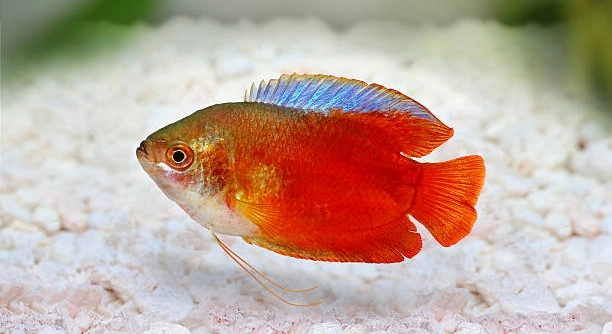
Gourami are active and intriguing fish, with behaviors that can change depending on the time of day. Observing them at night might reveal some unique patterns that make their nocturnal activities fascinating.
At night, gourami typically become less active but still engage in slow movements. They may rest in sheltered areas or hover near the water’s surface. Unlike other fish, they can spend time in quiet, semi-active states.
Understanding the way gourami behave during the night can enhance your appreciation of their unique characteristics. These habits provide valuable insights into their overall well-being.
Gourami’s Nighttime Behavior
At night, gourami fish typically reduce their activity levels. They are not completely inactive, but they may rest more than during the day. While some species of fish swim constantly, gourami prefer a calmer, slower-paced environment. They often hover near the surface or find hidden spots in plants or rocks. Their eyes remain alert, but their movements are less erratic.
Many people notice gourami drifting close to the tank’s surface at night. This is a normal behavior, as they are more likely to search for food or interact with their environment during the quieter hours.
Though these fish slow down at night, they still maintain certain behaviors that help them stay aware of their surroundings. Gourami rely on their labyrinth organ, which allows them to breathe oxygen from the air. This makes them more comfortable in lower oxygen environments, such as during nighttime in a tank. It’s a unique feature that sets them apart from other species.
How Gourami Rest at Night
Gourami find places where they can stay hidden while resting, such as in dense plants or behind decorations. This sense of security ensures they can sleep without feeling vulnerable.
These fish show patterns of stillness during the night. They prefer to rest in areas with minimal disturbance. At times, their resting posture may seem rigid, but they remain alert, ready to respond to any changes in their environment. Their nocturnal habits allow them to conserve energy until the next day when they are more active.
Gourami’s Feeding Habits at Night
At night, gourami will often continue to search for food, but their activity levels decrease. They might float around the tank’s surface, picking at small particles of food left from earlier in the day.
Despite being less active, they can still find and consume food even in low light conditions. Gourami rely on their sense of smell and taste to detect food. In a tank setting, this means they may snack on leftover food or algae, but they will also occasionally nibble at plants. Their feeding habits are more subdued during the night but still essential for their health.
Though not typically aggressive feeders, gourami will eat as needed, ensuring they are nourished through the night. Unlike daytime, when they are more engaged, the night is quieter, and food consumption becomes a more solitary, slower process. Proper feeding schedules ensure they don’t go hungry and remain healthy during their resting period.
The Role of Light and Dark in Gourami’s Routine
Gourami are sensitive to light changes, which influence their behavior patterns. As night approaches, the reduction in light triggers a shift in their activity, signaling the time to rest or relax.
During the night, gourami are naturally less responsive to light. This allows them to adapt to their environment’s natural rhythm, promoting calmness. Some owners use dim lighting or no light at all during the night to simulate this behavior. This promotes restful periods, which are crucial for their health and well-being. Consistent day-night cycles help keep gourami in a stable, predictable routine.
These natural shifts are vital for their circadian rhythm. If the environment isn’t properly lit or too bright at night, they may feel stressed, affecting their overall behavior. A balance of natural darkness and light exposure promotes a healthy rest cycle, ensuring they get proper rest during the night.
Gourami’s Breathing Patterns at Night
Gourami fish breathe differently at night compared to the day. At night, they often rely more on their labyrinth organ, which allows them to take in oxygen from the air.
This unique organ helps them breathe even in low-oxygen environments. While other fish rely solely on gills, gourami can access surface air, making them more adaptable in different conditions. They may come up to the water’s surface more frequently during the night for air, especially if there’s less oxygen in the tank. This behavior is perfectly normal.
How Nighttime Affects Gourami’s Social Behavior
Gourami are generally less social at night. They prefer to rest in quiet, secluded areas, avoiding interaction with tank mates.
At night, they tend to stay apart from other fish, especially if they are feeling vulnerable. However, during the day, they may become more active and sociable. This shift in behavior is linked to their need for rest and safety during their less active period.
Factors that Influence Gourami’s Nighttime Behavior
Several factors can influence how gourami behave at night. Water temperature, tank conditions, and the presence of other fish can all play a role.
In a warmer tank, gourami may become more active, but in cooler environments, they will slow down and rest more. Similarly, if there are other active fish in the tank, gourami may feel more stress and stay hidden longer. Understanding these factors will help you create a more comfortable environment for your gourami, allowing them to maintain healthy nighttime habits.
FAQ
What do gourami do at night?
At night, gourami typically slow down their activity and rest. They often hover near the surface or hide in plants or decorations. They may still move gently but are less active compared to the daytime. Their breathing becomes more reliant on their labyrinth organ, which helps them take in oxygen from the air.
Do gourami sleep at night?
Yes, gourami do sleep at night, but it’s not like the sleep we’re used to. They rest in a more alert, semi-active state. While their movement slows down, they don’t enter a deep sleep like humans. They still keep an eye on their surroundings and will wake if necessary.
How can I tell if my gourami is stressed at night?
Stressed gourami may display unusual behaviors, such as excessive hiding, erratic swimming, or staying near the surface for long periods. They may also seem lethargic or have a change in coloration. If your gourami isn’t acting like it usually does at night, it could be a sign of stress.
Should I turn off the light for gourami at night?
Yes, turning off the light at night is important for gourami. Gourami are naturally adapted to the dark and thrive with a clear day-night cycle. Keeping the tank light off at night helps them rest properly and reduces stress. Bright lights can disrupt their routine and make them feel uneasy.
Can I feed my gourami at night?
While gourami are less active at night, they can still feed if needed. However, it’s generally better to feed them during the day when they are more active. Feeding at night should be done sparingly to avoid overfeeding, as gourami may not eat as much when resting.
Why does my gourami hover at the surface at night?
Gourami have a labyrinth organ that allows them to breathe air. At night, they may hover at the surface to take in oxygen, especially if the water’s oxygen levels are lower. This behavior is normal and is part of their way of staying healthy overnight.
How long do gourami sleep at night?
Gourami typically rest for several hours each night. While they may not sleep for long periods like mammals, they do have extended quiet periods. These rest periods are essential for conserving energy and maintaining overall health.
Is it normal for my gourami to stay near the surface at night?
Yes, it’s normal for gourami to stay near the surface at night. They are using their labyrinth organ to breathe in oxygen from the air. Gourami naturally come to the surface periodically, especially when the tank water has low oxygen levels or if they are in a more relaxed state.
How do water conditions affect gourami at night?
Water temperature and oxygen levels play a big role in how gourami behave at night. Warmer water can make them more active, while cooler water encourages rest. Low oxygen levels may cause them to come to the surface more often. Ensuring the water is well-oxygenated and at the right temperature helps maintain healthy nighttime habits.
What should I do if my gourami is swimming at night?
If your gourami is swimming at night, it may be an indication that the tank conditions are not ideal. Check the water temperature, oxygen levels, and lighting. If they’re fine and your gourami still seems restless, it could be a sign of stress or illness. Keep an eye on any other abnormal behaviors.
Can gourami live in a tank with lights on at night?
Gourami prefer darkness at night, so it’s best to turn the lights off. However, if you need to keep some light on, use dim lighting to simulate a more natural environment. Too much light can cause stress, disrupting their sleep cycle and affecting their health.
Do gourami interact with other fish at night?
At night, gourami tend to rest alone and don’t interact much with other fish. They might avoid socializing during their rest period. If there’s too much activity in the tank, they may become stressed and retreat to a quieter area.
How can I help my gourami sleep better?
To help your gourami sleep better, maintain a consistent day-night cycle with proper lighting. Keep the tank calm at night, avoiding excessive noise or disturbance. Ensure the water is clean, well-oxygenated, and at the right temperature. This will create a peaceful environment where your gourami can rest easily.
Should I change the water at night for my gourami?
It’s best to change the water during the day when your gourami are more active. Changing the water at night may cause them stress, as they will be disturbed during their rest period. Regular water changes during the day ensure that your gourami’s environment stays healthy without disrupting their nighttime habits.
What are signs that my gourami is not resting properly at night?
If your gourami is constantly swimming, avoiding resting spots, or appears restless, it could indicate stress or discomfort. Other signs include rapid gill movement, erratic swimming, or a change in coloration. Ensuring a calm, dark environment helps encourage proper rest for your gourami.
Can I have other fish with my gourami at night?
Yes, you can keep other fish with your gourami at night, but make sure they are compatible. Gourami are generally peaceful fish but can be sensitive to aggressive or overly active tank mates. At night, they prefer calm and quiet surroundings, so be mindful of the other fish’s behavior.
Why does my gourami come up to the surface at night?
Gourami come up to the surface at night to breathe in air. Their labyrinth organ allows them to take in oxygen from the air, especially when the water’s oxygen levels are low. This is a natural behavior and ensures they stay healthy throughout the night.
Can I disturb my gourami during the night?
It’s best not to disturb your gourami at night. They need a quiet, calm environment to rest properly. Disturbing them frequently can lead to stress and disrupt their natural sleep cycle. A peaceful, undisturbed night helps ensure they are well-rested and healthy.
Final Thoughts
Understanding the nighttime behavior of gourami can help ensure they remain healthy and comfortable in their environment. Like many fish, gourami follow a natural day-night cycle, and their behavior shifts as night falls. They rely on their labyrinth organ for oxygen, and it’s common for them to stay near the surface to breathe. This is especially true if the oxygen levels in the water are low. While they are less active at night, they still need a peaceful environment to rest properly. Providing a calm, quiet tank is crucial for their well-being.
Creating the right conditions for your gourami at night involves several key factors. Water temperature and oxygen levels are the two most important elements. Gourami prefer warm water, but the temperature should not fluctuate too much. Consistent, moderate warmth encourages restful behavior. Additionally, ensuring your tank is well-oxygenated will help your gourami breathe easily and feel secure. This may mean adjusting the filtration system or adding an air stone to improve oxygen flow in the water. A stable environment will allow your gourami to sleep soundly and maintain good health.
Lastly, it’s important to remember that while gourami are generally peaceful, their behavior at night can be influenced by external factors. Stress from overcrowding, aggressive tank mates, or inconsistent water conditions can cause them to behave differently. Providing them with hiding places and plants can help them feel secure. Additionally, avoiding disturbances during the night allows them to rest undisturbed. By ensuring that all the conditions are met, your gourami can have a healthy, restful night, which will contribute to their overall happiness and longevity in your tank.

Hello,
If you enjoy the content that we create, please consider saying a "Thank You!" by leaving a tip.
Every little bit helps us continue crafting quality advice that supports the health, happiness, and well-being of pets around the world, for pets of all shapes, sizes, and species.
We really appreciate the kindness and support that you show us!