
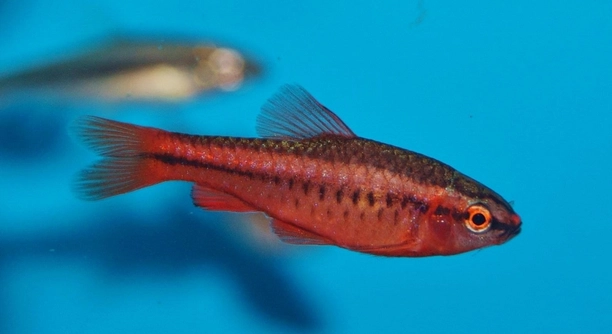
Have you ever brought home a new fish and felt unsure about what to feed it? Cherry barbs are small, colorful fish that are popular in many aquariums, but their feeding needs can seem confusing at first.
Cherry barbs eat a variety of foods, including high-quality flake food, micro pellets, live or frozen foods like daphnia and brine shrimp, and plant-based options such as blanched spinach or spirulina. A balanced diet is key.
Knowing what, how often, and how much to feed cherry barbs can help keep them healthy and active in your tank.
What Cherry Barbs Naturally Eat in the Wild
In their natural habitat, cherry barbs live in slow-moving streams and rivers in Sri Lanka. These waters are usually full of plant matter, small insects, and tiny organisms. Cherry barbs eat a mix of algae, plant debris, insect larvae, and small crustaceans they find while swimming around. This gives them a rich and varied diet that helps support their immune system and keeps their colors bright. Because they are omnivores, they don’t rely on just one type of food. Instead, they nibble on what’s available throughout the day, which gives them a balanced source of nutrients. Their diet in the wild is diverse and changes based on the season and water conditions. This natural feeding pattern is important to remember when planning what to feed them in a home aquarium. Mimicking their wild diet helps support their health and activity levels while keeping them interested in their food.
This mix of animal and plant-based food gives them the energy they need to stay active and thrive in their environment.
When feeding cherry barbs at home, it helps to offer a variety of food types to keep them healthy. Try alternating between protein sources and plant-based options during the week to mirror their natural feeding habits.
Best Food Options for Cherry Barbs in Aquariums
A healthy diet for cherry barbs in captivity should include a mix of dry, live, and plant-based foods. Flake food and micro pellets can be given daily as a base diet. These are usually packed with essential nutrients and are easy to store and feed. Add variety with live or frozen foods such as daphnia, brine shrimp, and bloodworms. These are great for protein and help spark natural hunting behaviors. For plant matter, offer small portions of blanched vegetables like zucchini, peas, or spinach. Spirulina flakes or wafers are also good for their digestion and immune system. It’s best to feed small amounts twice a day and remove any leftovers after a few minutes to keep the water clean. Mixing up their food not only meets their nutritional needs but also keeps them active and curious. Avoid overfeeding, as it can harm both the fish and water quality.
How Often and How Much to Feed Cherry Barbs
Feed cherry barbs once or twice a day, offering only what they can eat in about two minutes. This helps prevent overfeeding, which can lead to poor water quality and stress for your fish.
Overfeeding is a common issue in home aquariums. Uneaten food sinks to the bottom and breaks down, releasing waste that clouds the water and harms the fish. By sticking to small portions, you can keep your tank cleaner and your cherry barbs healthier. If they seem eager to eat every time you approach, it’s not always a sign they’re hungry—it could just be habit. Watch their behavior and body shape for signs of overfeeding, like a swollen belly or sluggish movements. Use feeding as a chance to check on them and adjust amounts if needed.
Feeding twice daily can work well, especially if your fish are active. You can give a small pinch of flakes in the morning and offer frozen or live food in the evening. If you’re using a variety of foods, rotate the types during the week to keep things balanced. Some keepers like to skip feeding one day a week to help their fish digest better and mimic natural fasting patterns, which is completely safe.
Foods to Avoid Giving Cherry Barbs
Avoid feeding cherry barbs anything too large, hard, or fatty. Bread, processed meats, or anything seasoned for human consumption should not be added to their tank. These can cause bloating and dirty the water quickly.
Stick to aquarium-safe foods to protect their health. Cherry barbs have small mouths and sensitive stomachs, so food that’s too big or tough can cause digestive issues. Avoid things like large pellets that don’t soften quickly or freeze-dried items that expand in their stomach. Also, don’t give them food made for carnivorous fish only, since they need both plant and protein sources. Feeding random kitchen scraps can seem harmless, but even a small mistake could affect your tank’s balance. If you’re unsure about a food item, it’s better to leave it out. Stick to foods made specifically for tropical community fish, and your cherry barbs will stay active, colorful, and healthy.
Feeding Cherry Barbs in a Community Tank
In a community tank, make sure all fish get their share during feeding time. Cherry barbs are peaceful and may get outcompeted by faster or more aggressive eaters.
Spread food across the tank to reduce crowding. Use sinking and floating foods so all fish types can access something.
Feeding Cherry Barb Fry
Cherry barb fry need very small food right after hatching. Infusoria or liquid fry food works best in the first days. As they grow, you can move to baby brine shrimp or crushed flakes. Feed small amounts several times a day to support fast growth.
Seasonal Feeding Tips
In cooler months, cherry barbs may eat a little less. During warmer periods, their appetite usually increases. Adjust the feeding amount slightly to match their activity level.
FAQ
What can I feed my cherry barbs besides flakes?
Cherry barbs thrive on a varied diet. Besides flakes, you can feed them live or frozen foods like brine shrimp, daphnia, and bloodworms. These foods are rich in protein and will help keep your fish healthy and active. You can also offer small amounts of blanched vegetables like zucchini, spinach, and peas. Some aquarium owners also use spirulina wafers, which provide extra nutrition. It’s important to vary their diet to mimic their natural feeding habits and ensure they get all the essential nutrients.
Can cherry barbs eat plant matter?
Yes, cherry barbs are omnivores and eat a variety of plant material. They will graze on algae in your tank and enjoy small amounts of blanched vegetables, such as spinach, zucchini, and peas. You can also offer algae wafers or spirulina tablets, which are great for their digestion and overall health. Plant matter is important for their diet because it provides fiber and helps with digestion. Just be sure not to overfeed, as excess plant matter can pollute the water if left uneaten.
How often should I feed my cherry barbs?
Feed cherry barbs once or twice a day, offering only what they can consume in a few minutes. It’s important not to overfeed, as uneaten food can pollute the water and harm the fish. You can divide their meals into smaller portions if you feed them twice a day. Monitoring how much food is being eaten will help you adjust the amount you feed. If you notice that food is going uneaten or accumulating in the tank, reduce the portion size or frequency.
Can cherry barbs eat live food?
Yes, cherry barbs enjoy live food, and it’s a great way to add variety to their diet. Live food like brine shrimp, daphnia, and micro-worms are excellent sources of protein and essential fatty acids. These live foods will also encourage natural hunting behavior, which keeps them active and engaged. Be cautious with the size of the live food you offer, ensuring it’s small enough for them to eat easily. You can feed live food a few times a week as a treat or supplement their regular diet.
Can I feed cherry barbs freeze-dried food?
Freeze-dried food is okay to feed cherry barbs, but it should be used in moderation. While freeze-dried options like bloodworms, brine shrimp, and daphnia are convenient, they can lose some nutritional value in the drying process. Additionally, freeze-dried foods can expand in your fish’s stomach if not soaked properly before feeding, which can cause digestive issues. To prevent this, always soak freeze-dried food in tank water for a few minutes before feeding. Make sure to use freeze-dried food as a supplement, not a primary diet.
Are cherry barbs picky eaters?
Cherry barbs are generally not picky eaters. They’ll eat most types of food, including flakes, pellets, live, and frozen foods, as long as it’s the right size for them. They do have preferences, though, and may enjoy certain foods more than others. Some cherry barbs may favor live foods over pellets, but it’s important to offer a well-rounded diet for balanced nutrition. If your fish seem disinterested in certain foods, try offering something else or changing up the food types regularly to keep their interest.
How much should I feed my cherry barbs per day?
You should feed cherry barbs only what they can eat in about two minutes per meal. The exact amount will vary depending on the size of your fish, but a small pinch of flakes or pellets is usually sufficient. Feeding them too much can lead to uneaten food, which causes water quality issues and can stress the fish. It’s better to underfeed slightly than to overfeed. If you notice excess food in the tank, reduce the portion or the feeding frequency. Keep an eye on their body condition as well—if they look too thin, you may need to increase the amount slightly.
Can cherry barbs eat pellets?
Yes, cherry barbs can eat pellets, especially those designed for small tropical fish. Pellets are a great source of nutrients and are easy to store. However, make sure the pellets are small enough for your fish to consume in one or two bites. It’s best to choose high-quality pellets that contain a balanced mix of proteins, fats, and vegetables. Like flakes, pellets should be part of a varied diet that includes live, frozen, and plant-based foods. Avoid using large pellets or those made for bigger fish, as these may not be suitable for your cherry barbs.
Can cherry barbs eat shrimp?
Yes, cherry barbs can eat small shrimp, but it’s important to be cautious. They may nibble on baby shrimp or small invertebrates in the tank, especially if they’re hungry or if food is scarce. If you want to add shrimp to your aquarium with cherry barbs, it’s best to choose larger species of shrimp, such as Amano or ghost shrimp, that can avoid being eaten. Make sure there’s plenty of food available for your cherry barbs so they’re less likely to target smaller tankmates.
Can I feed my cherry barbs food meant for other fish?
Cherry barbs can eat food meant for other small community fish, but it’s important to ensure that the food is appropriate for their size and dietary needs. Foods designed for bettas, tetras, or guppies are often suitable, as they are generally made for similar species with similar feeding habits. However, avoid feeding them food designed for carnivorous fish, as it will not meet their nutritional needs. Make sure the food is suitable for omnivores and contains both plant and animal-based ingredients.
Final Thoughts
Feeding cherry barbs doesn’t have to be complicated, but it’s important to give them a balanced diet. They are omnivores, so they thrive on a mix of plant-based and protein-rich foods. High-quality flakes or pellets can be the base of their diet, supplemented with live or frozen foods like brine shrimp, bloodworms, and daphnia. You can also add vegetables like spinach, zucchini, and peas, which provide fiber and help with digestion. Giving them a variety of foods not only keeps them healthy but also ensures they’re engaged and active.
When it comes to feeding frequency, keep things simple: feed cherry barbs once or twice a day. They only need small amounts that they can consume in about two minutes. Overfeeding can lead to poor water quality and health problems, so be careful not to give them too much at once. Watching how much they eat and adjusting the portions will help keep your tank clean and your fish happy. Remember, they may not need to eat as much during cooler months, so keep an eye on their appetite and adjust accordingly.
Overall, taking care of your cherry barbs’ diet is an easy way to ensure they stay healthy and vibrant. Offering them a variety of foods, including both plant matter and protein, will meet their nutritional needs. Just remember to feed them the right amount, avoid overfeeding, and keep their environment clean. By doing this, you’ll help your cherry barbs live a long, healthy life and enjoy their colorful presence in your tank. With these simple feeding guidelines, you’ll be able to maintain a thriving aquarium and happy fish.

Hello,
If you enjoy the content that we create, please consider saying a "Thank You!" by leaving a tip.
Every little bit helps us continue crafting quality advice that supports the health, happiness, and well-being of pets around the world, for pets of all shapes, sizes, and species.
We really appreciate the kindness and support that you show us!