
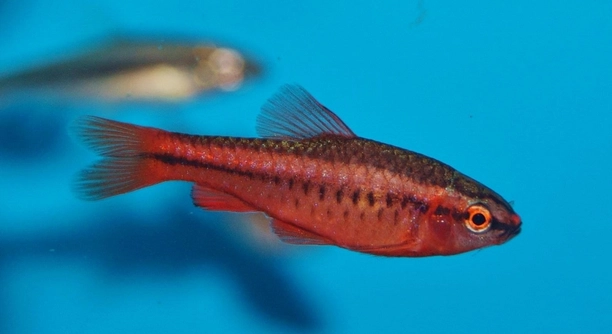
Cherry barbs are small, colorful fish that can be found in the wild. They are known for their active nature and striking appearance. In their natural habitat, they play important roles in the ecosystem, especially in freshwater environments.
In the wild, cherry barbs live in calm, slow-moving waters such as streams, ponds, and marshes. They are often found in dense vegetation, where they feed on small invertebrates and plant material, and engage in schooling behavior for protection.
These fascinating creatures have unique habits that shape their behavior and survival in the wild. From their feeding patterns to their social structure, there’s a lot to uncover about how they thrive.
Natural Habitat of Cherry Barbs
Cherry barbs are commonly found in Southeast Asia, especially in Sri Lanka and India. They prefer calm waters like slow-moving streams, ponds, and marshes. These areas are rich in plants, providing shelter and food. The waters they inhabit are typically warm and slightly acidic, which makes it a perfect environment for them. The dense vegetation gives them places to hide and breed, which helps protect them from predators. They’re social fish, often found in groups that move together through these quiet waters, looking for small organisms to feed on.
They thrive in these peaceful, nutrient-rich habitats where the water is slow-moving and vegetation is abundant. Their natural surroundings provide the perfect balance of food, shelter, and social opportunities.
Being in groups also allows them to protect one another, as they rely on the presence of their school to deter potential threats. Their behavior and activities are closely tied to these natural conditions, which are ideal for their survival.
Feeding Habits in the Wild
Cherry barbs feed primarily on small invertebrates, algae, and plant material. They forage near the bottom, nibbling on whatever they find. Their diet allows them to stay healthy and active in their environment.
They use their small mouths to pick at algae and hunt tiny creatures like insect larvae. This diverse diet supports their energy needs and growth.
Cherry barbs are opportunistic feeders, meaning they will eat whatever is available in their habitat. They help maintain the balance in their ecosystem by controlling algae growth and consuming various invertebrates. This feeding behavior not only sustains them but also contributes to the overall health of their environment. They play an important part in maintaining the balance of their freshwater ecosystems by eating pests and promoting plant growth.
Social Structure and Behavior
Cherry barbs are social fish, often forming schools for protection. They move together in groups, which helps keep them safe from larger predators. Their behavior is highly influenced by the presence of other barbs.
In their schools, cherry barbs exhibit a coordinated swimming pattern that makes them harder to catch. They stay close to each other, which helps them feel secure. This social behavior is not just for safety; it’s also a way to communicate and bond with one another. The group dynamics allow them to maintain a sense of order and comfort in their environment.
Cherry barbs are generally peaceful, but they can display some territorial behavior, especially during mating. In the wild, males will sometimes chase off other males to protect their breeding grounds. This interaction adds a layer of complexity to their social structure, as they balance cooperation and competition in their schools.
Breeding in the Wild
Cherry barbs breed during the rainy season, when conditions are optimal. Males will often display brighter colors to attract females. Once a female selects a mate, they will swim together in shallow waters to lay their eggs.
The males’ vibrant colors play a key role in attracting females, signaling health and genetic fitness. After mating, females lay their eggs in plants, where they can remain hidden. The male fertilizes the eggs as they are released. This process ensures the safety of the eggs from predators.
After laying the eggs, the female usually swims away, leaving the male to guard them. The eggs hatch within a few days, and the tiny fry begin their journey of survival in the wild. The parental care provided by both sexes ensures that the next generation has a better chance at survival in their natural habitat.
Predators and Survival Tactics
In the wild, cherry barbs face several predators. Larger fish, birds, and even amphibians are common threats. Their small size and peaceful nature make them vulnerable.
To survive, cherry barbs rely on their schooling behavior. When threatened, they move together quickly to confuse predators. They also seek shelter in plants, which provides a hiding spot.
Their ability to blend into the dense aquatic vegetation helps protect them. By staying in groups and using their environment to their advantage, cherry barbs can minimize the risk of predation. These survival tactics are crucial for their existence in the wild.
Impact on Ecosystem
Cherry barbs play a significant role in maintaining balance within their ecosystem. They control the growth of algae and keep the populations of small invertebrates in check.
By feeding on algae and other small organisms, cherry barbs help maintain the health of their environment. This balance ensures that plant life and water quality remain stable, which benefits other species in the ecosystem as well. Cherry barbs are not only important for their own survival but also for the overall health of the ecosystem they inhabit. Their feeding habits contribute to a more stable environment for many other aquatic creatures.
Cherry Barbs in Aquariums
Cherry barbs are popular in freshwater aquariums due to their peaceful nature and attractive appearance. Their small size and social behavior make them suitable for community tanks.
In aquariums, they thrive in environments similar to their natural habitat—warm water with plenty of plants. Cherry barbs also adapt well to various water conditions, making them easy to care for. However, they should be kept in groups to replicate their social structure, which helps them feel secure and reduces stress. When housed properly, they can live long, healthy lives in home aquariums.
FAQ
What do cherry barbs eat in the wild?
In the wild, cherry barbs are omnivores. They primarily feed on small invertebrates, plant material, and algae. They are opportunistic feeders, meaning they eat whatever is available, such as insect larvae and tiny microorganisms. This variety in their diet helps them stay healthy and active in their natural environment. Their feeding behavior also aids in controlling algae growth, keeping the ecosystem in balance.
Are cherry barbs aggressive?
No, cherry barbs are generally peaceful fish. They are social creatures and prefer to live in groups. While they can exhibit territorial behavior, especially during breeding, they do not pose a threat to other fish unless provoked. It’s best to keep them with other non-aggressive fish species to maintain a calm aquarium environment. However, male cherry barbs may occasionally show some aggression towards other males when competing for a mate.
How can you tell the difference between male and female cherry barbs?
Male cherry barbs are more colorful than females, especially when they are ready to breed. They display vibrant red and orange hues, while females tend to have a duller, more muted color. Females are also slightly larger and rounder, particularly when they are carrying eggs. During mating season, the males will intensify their color to attract females, making it easier to spot the differences between the sexes.
How long do cherry barbs live?
Cherry barbs typically live for about 3 to 5 years in the wild. In aquariums, they can live a bit longer, up to 7 years or more, depending on the care they receive. Proper water conditions, a balanced diet, and a suitable environment contribute to their longevity. Like most fish, they are more likely to live longer in a stable and clean habitat with minimal stress.
Do cherry barbs need a lot of space?
While cherry barbs are small fish, they still need ample space to swim and feel comfortable. A minimum tank size of 20 gallons is recommended for a small school of cherry barbs. Providing enough space helps reduce stress, which can lead to health problems. It also allows them to engage in their natural social behavior, such as schooling and foraging. The more space they have, the happier and healthier they will be.
Can cherry barbs live with other fish?
Yes, cherry barbs are peaceful and generally get along with other species. They do well in community tanks with other non-aggressive fish. However, it’s important to avoid pairing them with large or aggressive fish that may intimidate or harm them. Good tankmates include small species like tetras, rasboras, and other peaceful barbs. Make sure to provide plenty of hiding spots and plants so that all the fish can feel secure.
How do cherry barbs reproduce?
Cherry barbs reproduce by laying eggs. During the breeding season, the males display brighter colors to attract females. Once the female selects a mate, she lays her eggs in plants or on the substrate. The male fertilizes the eggs as they are released. Afterward, the eggs hatch within a few days, and the tiny fry begin their lives in the wild, protected by their environment and the schooling behavior of the parents. In aquariums, the eggs should be removed to avoid predation by adult fish.
What water conditions do cherry barbs prefer?
Cherry barbs thrive in warm, slightly acidic water. The ideal temperature range is between 72°F and 79°F (22°C to 26°C). The water should have a pH level of 6.0 to 7.5. While they can tolerate a range of water hardness, they prefer soft to moderately hard water. It’s essential to keep the water clean and stable, with regular water changes to maintain good water quality. Providing a good filtration system is key to keeping the water conditions optimal.
How can I make my cherry barbs feel comfortable?
Cherry barbs are more likely to feel comfortable if they have a tank with plenty of plants and hiding spots. These fish enjoy swimming in groups, so it’s best to keep them in schools of at least six individuals. They also prefer calm, slow-moving water, so using a filter with gentle flow will create a suitable environment. Additionally, maintaining stable water conditions—like temperature, pH, and hardness—will help them thrive. Keeping the tank clean and stress-free will contribute to their overall well-being.
Are cherry barbs hard to care for?
Cherry barbs are relatively easy to care for, making them a great choice for beginners. They are hardy and adaptable, able to tolerate a range of water conditions. However, they do best in stable environments with consistent water parameters. They require a balanced diet and should be kept in groups to avoid stress. As long as their basic needs for space, water quality, and food are met, they will thrive in most freshwater aquariums. Regular tank maintenance is crucial to keeping them healthy.
Can cherry barbs live in cold water?
Cherry barbs prefer warmer water, typically between 72°F and 79°F. They are not suited for cold-water aquariums, as temperatures below 65°F can lead to stress and health problems. If kept in water that is too cold, their immune systems weaken, making them more susceptible to disease. It’s essential to keep them in a heated aquarium to ensure their health and comfort. Cold water can also slow down their metabolism, reducing their activity levels and overall well-being.
Final Thoughts
Cherry barbs are fascinating fish that offer a lot to both beginners and experienced aquarists. Their small size, vibrant colors, and peaceful nature make them a popular choice for community tanks. In the wild, they thrive in calm, warm waters, where they feed on small invertebrates and plants. Their social behavior, such as schooling for protection, adds an interesting aspect to their lifestyle. When kept in the right conditions, they can live for several years, providing a lively and colorful presence in the aquarium.
Despite their peaceful nature, cherry barbs do need specific care to thrive. They require a balanced diet, stable water conditions, and enough space to move freely. They are not difficult to care for, but maintaining a clean and well-kept tank is crucial. Their natural habitat in slow-moving waters with plenty of plants should be mimicked in aquariums to make them feel secure. Cherry barbs also do best in groups, as their schooling behavior is important for their well-being. Having a small group of at least six fish will help them feel safe and reduce stress.
Cherry barbs are not only great for aquariums but also play an important role in their natural ecosystems. They help maintain the balance of their environment by controlling algae growth and feeding on small invertebrates. In the wild, they are a part of a larger food chain, providing nourishment to larger predators. Keeping cherry barbs in an aquarium offers the opportunity to observe their unique behaviors and enjoy their beautiful colors, but it’s important to provide them with an environment that closely resembles their natural habitat. Understanding their needs ensures that they live a healthy and fulfilling life in your aquarium.

Hello,
If you enjoy the content that we create, please consider saying a "Thank You!" by leaving a tip.
Every little bit helps us continue crafting quality advice that supports the health, happiness, and well-being of pets around the world, for pets of all shapes, sizes, and species.
We really appreciate the kindness and support that you show us!