
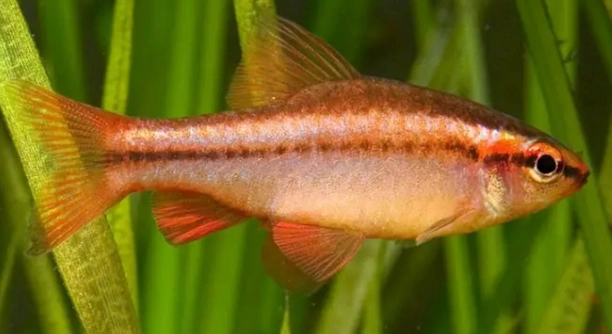
Cherry Barb fry are small and delicate, requiring proper care and feeding to grow healthy and strong. Understanding their dietary needs is essential to their development and well-being. Let’s explore what they should eat.
Cherry Barb fry primarily feed on micro-particles such as infusoria, finely crushed flake food, and baby brine shrimp. As they grow, they can transition to larger foods like daphnia and small worms. Proper nutrition ensures healthy growth and development.
Providing the right food at each stage of growth is crucial for your Cherry Barb fry. Knowing the right nutrients will ensure they thrive in your aquarium.
What Do Cherry Barb Fry Eat in the Early Stages?
When Cherry Barb fry are first born, their diet consists mainly of very small food particles. These tiny fish are not able to eat large foods just yet, so they rely on infusoria (microscopic organisms) and other minuscule food sources. It is crucial to provide them with the right-sized foods to ensure they have enough nutrients for proper development. Specially formulated fry food or homemade infusoria cultures work best in these early stages.
Once the fry are ready, they can begin eating powdered or finely crushed flake food. It’s important to feed them several small meals throughout the day, as their stomachs are tiny. If you are feeding live foods, baby brine shrimp are perfect for these young fish. As the fry continue to grow, their ability to handle larger foods will increase, and you can slowly transition them to more varied options.
Proper feeding at this stage is essential to ensuring they develop properly. Monitor the fry closely and adjust their diet as needed. If they’re not growing or showing signs of health issues, consider altering their food sources.
Feeding Cherry Barb Fry as They Grow
As Cherry Barb fry mature, their diet can be expanded to include more substantial options. They will begin to show an interest in small live foods like daphnia or tiny worms. This is the time to start adding variety to their meals.
The key to maintaining healthy fry is balancing live food, finely crushed flakes, and the occasional offering of frozen or freeze-dried options. These food types will help them grow strong and vibrant. Always be sure to feed in small amounts, as overfeeding can lead to poor water quality.
How Often Should You Feed Cherry Barb Fry?
Cherry Barb fry should be fed multiple times throughout the day. Because they have small stomachs, smaller meals given frequently work best. Aim for at least 3 to 4 feedings daily, ensuring the food is eaten quickly to avoid water contamination.
Overfeeding is a common mistake. It’s easy to assume they need a lot of food, but their small bodies can’t process large amounts. If the fry are not eating the food in a few minutes, it’s a sign they’ve had enough. Regularly removing uneaten food helps maintain water quality. Keep a close eye on how much they consume, and adjust feeding amounts accordingly. This also helps prevent algae growth and keeps the tank clean.
In their first weeks, you may need to feed them every 2-3 hours, but as they grow, you can gradually decrease the frequency. Monitor their size and growth rate, and adapt the feeding schedule to ensure they’re developing properly. Healthy feeding habits will promote a long life and vibrant colors.
Types of Foods for Cherry Barb Fry
Providing a mix of foods is essential for Cherry Barb fry. They require a diet rich in proteins, fats, and vitamins. Infusoria and finely crushed flake food will be their primary food in the early stages. As they grow, baby brine shrimp and daphnia are great additions.
Live foods such as baby brine shrimp provide important nutrients that encourage healthy development. These can be cultured at home, but be sure to introduce them gradually. Live foods stimulate their natural hunting instincts, promoting both physical and mental growth. Additionally, adding crushed flakes will introduce variety and ensure they’re getting a balanced diet.
As they continue to mature, frozen or freeze-dried foods can be used as supplementary meals. These foods are convenient and can offer a different texture for the fry to enjoy. Always be cautious when feeding frozen foods; defrost them completely and break them into manageable pieces.
Signs of Overfeeding Cherry Barb Fry
Overfeeding Cherry Barb fry can cause a number of issues. If you notice leftover food collecting at the bottom of the tank, it’s a sign that you may be feeding too much. Uneaten food will degrade water quality, leading to harmful conditions.
Overfeeding leads to poor water quality, which can cause stress and even illness in the fry. If you notice cloudy water, it’s often a result of excess food. Be mindful of how much you’re feeding, and reduce the amount if necessary. Keeping the tank clean is key to preventing health problems.
Always monitor how much food the fry are eating during each feeding. If there’s any leftover, reduce the amount during the next meal. Consistency in feeding habits is crucial for the health of the fry.
Best Foods for Growing Cherry Barb Fry
As Cherry Barb fry grow, they need more protein and nutrients to support their development. Along with live foods like brine shrimp, consider introducing micro-worms and daphnia. These foods are rich in essential vitamins and minerals that promote strong growth.
Feeding a variety of food options, including finely crushed flakes, live foods, and freeze-dried items, ensures that the fry receive all the necessary nutrients. As they mature, these fry will become more capable of handling a wide range of foods. Ensuring a well-balanced diet will help them grow into healthy adults.
How to Manage Water Quality While Feeding Fry
Maintaining clean water is essential for Cherry Barb fry. Uneaten food can quickly degrade the water quality, so it’s important to remove leftovers after each feeding. Regular water changes will help keep toxins from building up.
Since fry are sensitive to water conditions, avoid overfeeding and make sure the tank has proper filtration. A well-maintained environment will prevent bacteria growth and keep the fry healthy. A clean tank is key to their long-term well-being and development.
FAQ
What is the best food for Cherry Barb fry?
The best food for Cherry Barb fry starts with infusoria and finely crushed flake food. As they grow, baby brine shrimp, daphnia, and microworms are great additions. These live foods are rich in essential nutrients, which support the fry’s growth. Once they are a little older, you can start introducing frozen or freeze-dried foods. Offering a variety of food types ensures that the fry get a well-balanced diet. This variety will also help keep their growth steady and encourage their natural hunting instincts.
How often should I feed Cherry Barb fry?
Cherry Barb fry need to be fed multiple times throughout the day. When they are very young, aim for 3 to 4 feedings, offering small amounts of food each time. As they grow, you can gradually reduce the frequency to 2 to 3 feedings per day. It’s important to monitor their eating habits closely and adjust the amount based on how much they consume. Always remove any uneaten food to keep the water clean and avoid overfeeding, which can cause water quality issues.
Can I feed Cherry Barb fry live food?
Yes, live food is actually a great option for Cherry Barb fry as it provides essential nutrients that support healthy growth. Baby brine shrimp are a favorite among fry, as they are small and packed with protein. Daphnia and microworms also work well. Introducing live food stimulates their natural hunting instincts, promoting both mental and physical development. However, it’s important to introduce live food slowly to avoid overfeeding and water contamination. Always ensure the live food is clean and free from parasites before feeding.
Can I feed Cherry Barb fry frozen food?
Frozen food can be fed to Cherry Barb fry, but it should be introduced after they are a little older. Frozen baby brine shrimp or daphnia are excellent options. Always defrost the food completely before feeding and break it into smaller pieces. This makes it easier for the fry to consume. Avoid feeding frozen food exclusively, as it should be just a supplement to a more varied diet that includes live and powdered foods. Frozen food is convenient, but it’s essential to ensure your fry are still getting the variety they need.
How do I know if I’m overfeeding Cherry Barb fry?
Overfeeding Cherry Barb fry can cause water quality issues, which in turn affect their health. Signs of overfeeding include uneaten food left in the tank, cloudy water, and a drop in fry activity. Overfed fry may also become sluggish and have poor growth. If you notice any of these signs, reduce the amount of food you’re providing. Generally, if you find that there’s leftover food after a few minutes, you’re feeding too much. Consistent feeding of small amounts will keep the fry healthy and help maintain good water quality.
Is it necessary to feed Cherry Barb fry different types of food?
Yes, it’s highly beneficial to feed Cherry Barb fry different types of food to ensure they receive a complete range of nutrients. A diet consisting only of one type of food, like crushed flakes, may not provide all the vitamins and proteins they need. Adding live foods, like brine shrimp or microworms, along with occasional frozen or freeze-dried food, offers a more balanced diet. This variety will also keep the fry’s growth steady and encourage healthy development as they mature.
What is the best temperature for Cherry Barb fry feeding?
The best temperature for feeding Cherry Barb fry is between 74°F and 80°F (23°C to 27°C). At this temperature range, they are most active and will be able to digest food properly. If the water is too cold, they may not eat as much, and digestion may slow down. Conversely, very warm water can speed up digestion but may also lead to more waste production. Maintaining a consistent and appropriate temperature will help with feeding efficiency and keep the fry healthy.
Can Cherry Barb fry eat adult Cherry Barb food?
While adult Cherry Barb food can be offered, it’s not ideal for fry, especially when they’re very young. Adult foods tend to be too large or not fine enough for fry to consume. Fry need smaller particles to be able to digest properly. However, as the fry grow, they can start eating crushed adult food or finely chopped foods as they can handle slightly larger food. Ensure that the food is finely broken down and suitable for their small mouths to avoid choking or poor digestion.
How do I prevent Cherry Barb fry from getting sick?
To prevent Cherry Barb fry from getting sick, maintain good water quality by performing regular water changes and removing any uneaten food. Avoid overfeeding, as this can cause water contamination, which can lead to illness. Keep the tank clean by regularly vacuuming the substrate and checking water parameters. Ensure that the fry are fed appropriate food at the right frequency to support their growth and immune system. Additionally, introduce live food gradually to prevent digestive issues and stress.
Final Thoughts
Feeding Cherry Barb fry is an essential part of ensuring they grow into healthy, vibrant adults. Their small size means they need carefully chosen food that meets their nutritional needs at every stage. From infusoria and finely crushed flakes in the early days to baby brine shrimp and daphnia as they grow, variety is key. Providing a balanced diet will help promote proper development and support their natural behaviors. Live foods, in particular, stimulate their instincts and encourage active growth, so they’re an excellent addition to their diet.
Overfeeding is one of the most common mistakes when caring for Cherry Barb fry. While it’s tempting to give them plenty of food, excess can quickly lead to poor water quality, which affects their health. Monitoring feeding times and adjusting portions as the fry grow ensures they receive the right amount of food. It’s important to feed them multiple times a day in small amounts, removing any uneaten food promptly. This prevents overfeeding and helps maintain a healthy tank environment. By paying attention to how much food they consume, you can keep the water clear and the fry healthy.
Lastly, maintaining good water quality is just as important as feeding the fry properly. Clean water is essential for the overall health and growth of the fry. Regular water changes, combined with careful feeding practices, will keep the tank clean and ensure the fry thrive. By observing their growth and making adjustments to their diet and environment as needed, you can support their development from tiny fry to fully grown fish. Healthy fry make for healthy adults, so starting them off right with the correct care will lead to vibrant, lively Cherry Barbs in the future.

Hello,
If you enjoy the content that we create, please consider saying a "Thank You!" by leaving a tip.
Every little bit helps us continue crafting quality advice that supports the health, happiness, and well-being of pets around the world, for pets of all shapes, sizes, and species.
We really appreciate the kindness and support that you show us!