
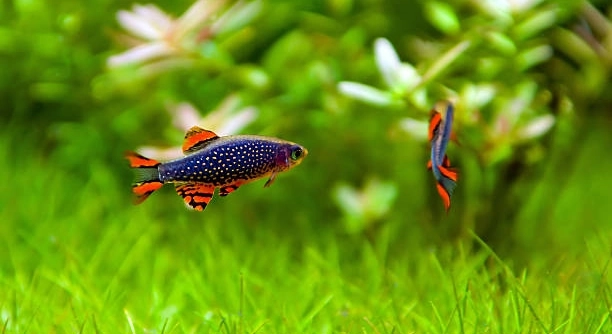
Celestial Pearl Danios are small, colorful fish that brighten up home aquariums. They are active during the day, exploring and interacting with their surroundings. At night, their behavior changes quietly, showing a calmer side of their nature.
At night, Celestial Pearl Danios reduce activity and rest near the bottom or among plants. They form small groups, remain alert to light changes, and maintain a stable environment by conserving energy until daylight resumes.
Observing their nighttime habits can help you create a more comfortable and natural aquarium for these delicate fish.
Nighttime Behavior Patterns
Celestial Pearl Danios change their daily habits when night falls. They slow down, spending most of their time near the bottom or in sheltered areas among plants. Their colors may appear dimmer, blending into their surroundings, which helps them feel secure. Some may hover midwater for a short while, cautiously adjusting to any sudden movement or light change. They are naturally alert, even when resting, often reacting to shadows or vibrations in the water. Schools of Danios stick together at night, moving slowly but purposefully, keeping a sense of cohesion. This calm period is essential for their health, allowing energy to be restored for the next day. Feeding routines also shift, as they rely on stored energy rather than active hunting. Maintaining stable water conditions at night ensures they remain stress-free. Providing plenty of hiding spots and gentle lighting helps them feel safe and supports their natural nocturnal rhythm.
Their nocturnal behavior is mainly about safety and rest, not inactivity, keeping them healthy and balanced in the tank environment.
Observing your Celestial Pearl Danios at night can be surprisingly rewarding. You notice subtle interactions and social patterns that daylight activity often hides. They glide together slowly, occasionally pausing near plants or decorations. Some may explore corners carefully, testing small spaces before settling. Their calm movements contrast sharply with the daytime busyness, showing a different side of their personality. These hours are quieter but meaningful, revealing natural instincts and preferences. Creating a tank with soft lighting and secure areas allows them to express these behaviors freely. By understanding how they act after dark, you can adjust feeding times, decorations, and lighting to better match their natural rhythm. Over time, watching these patterns helps you learn individual quirks and preferences, deepening your appreciation for their subtle, gentle nature. Even brief observation at night can enhance your connection with them and make the aquarium feel more alive.
Lighting and Aquarium Setup
Proper nighttime lighting helps Celestial Pearl Danios feel secure without disturbing their rest. Soft, dim lights mimic natural conditions and prevent stress during their resting hours.
Tank design impacts their comfort at night. Providing plants, rocks, or small caves gives hiding spots for these small fish, letting them rest without fear. Open swimming areas allow slow exploration, while consistent light cycles maintain their internal clocks. Avoid sudden, bright light at night, as it can startle them and disrupt sleep patterns. Positioning lights on timers ensures a predictable transition between day and night, supporting stable behavior. Observation shows that Danios tend to cluster near protective features when lighting is appropriate, displaying natural, calm behavior. Lighting color can also affect perception; warmer tones are less intrusive than harsh, bright white lights. Regular maintenance of plants and decorations ensures safe hiding spaces, reducing stress. By tailoring the tank’s setup and light environment to their natural tendencies, you can enhance their health, longevity, and overall well-being, making the aquarium a more balanced habitat for nighttime activity.
Feeding and Nighttime Habits
Celestial Pearl Danios rarely eat at night. They rely on energy stored from daytime feeding, so offering food before lights go out helps maintain health. Sudden nighttime feeding can confuse their natural rhythm and may lead to leftover food and water quality issues.
Timing is important for their feeding schedule. During the day, they actively hunt for small foods like micro pellets, live or frozen brine shrimp, and daphnia. At night, their metabolism slows, and they become less interested in eating. Providing food too late may leave uneaten particles that decay, affecting water quality and stressing the fish. Observing their routine shows that feeding earlier aligns with their natural energy use and supports growth. A consistent schedule strengthens their immune system and encourages normal social behavior. Nighttime feeding is unnecessary and may disrupt their calm, resting state.
Even when not feeding, Danios occasionally investigate surfaces or decorations, moving slowly to check for leftover food. These small movements are part of their instinctual behavior rather than hunger. Their eyes are more sensitive to light at night, so sudden bright lights can startle them during these brief inspections. Keeping a calm, stable environment reduces unnecessary stress and allows them to conserve energy efficiently. Understanding these subtle behaviors helps in planning feeding times and maintaining a clean, healthy tank.
Social Interactions at Night
Celestial Pearl Danios stick closely to their groups after dark, forming tight schools near plants or sheltered areas. This clustering gives a sense of security while resting and prevents isolation stress.
Nighttime is quieter, but social dynamics still play a role. Individuals maintain spacing, avoiding conflicts while staying in the group. Minimal movement occurs, but they occasionally shift positions or interact briefly, establishing hierarchy subtly without aggression. Shy or weaker fish often remain at the center, surrounded by others for protection. This behavior reduces stress and mirrors natural tendencies in shallow, plant-filled waters. The group’s cohesion is crucial for their sense of safety and overall wellbeing, even when inactive. Proper tank setup with hiding spots and open swimming spaces supports these social patterns effectively.
Resting Spots
Celestial Pearl Danios prefer resting near plants, rocks, or small decorations. These spots give them security while they sleep. They rarely rest in open water, as exposed areas make them feel vulnerable.
They often choose different resting spots each night. Changing locations helps them feel safer and reduces stress.
Movement and Activity Levels
At night, movement is slow and deliberate. Danios glide gently through the tank, occasionally adjusting position or hovering near hiding spots. This minimal activity conserves energy and allows them to remain alert to environmental changes, maintaining a balance between rest and awareness during dark hours.
Sensory Awareness
Even at night, Celestial Pearl Danios remain sensitive to vibrations and light changes. Their alertness ensures safety and quick reactions to potential disturbances, keeping the tank environment stable and secure.
FAQ
Why do Celestial Pearl Danios become less active at night?
Celestial Pearl Danios are naturally diurnal, meaning they are most active during the day. At night, their metabolism slows, and they reduce movement to conserve energy. This behavior also helps them feel safe, as smaller, calmer movements decrease visibility to potential threats. Even in a secure home aquarium, their instincts remain.
Where do they usually rest at night?
They prefer resting near plants, rocks, or other decorations that offer shelter. These spots provide a sense of security and reduce stress. Some Danios hover gently near the bottom or within plant clusters, changing locations occasionally for comfort. Open water is rarely used since it feels exposed.
Do they eat at night?
No, Celestial Pearl Danios generally do not feed at night. They rely on energy stored from daytime meals. Feeding them after dark can confuse their natural rhythm and leave uneaten food that can pollute the tank, potentially affecting water quality and fish health.
Do they stay in groups at night?
Yes, schooling is important even at night. They cluster together near hiding spots, providing mutual protection. Stronger or bolder fish often position themselves on the outer edges, while shyer individuals stay near the center. This behavior reflects natural instincts and keeps the group secure.
How does lighting affect their nighttime behavior?
Dim lighting or natural dark periods help Danios feel safe. Sudden bright lights can startle them, causing stress and unnecessary activity. Using a light timer and warmer tones helps maintain consistent day-night cycles, allowing fish to rest naturally and conserving energy.
Do they interact with each other while resting?
Yes, but interactions are minimal. Subtle movements and brief position adjustments occur, often to maintain spacing or hierarchy. These interactions are quiet and non-aggressive, reflecting a natural social structure. They avoid conflict while remaining aware of their surroundings.
Can they sleep or rest fully like other animals?
They do not have eyelids, so “sleep” looks different from mammals. Instead, they enter a resting state, reducing movement and alertness while still responding to environmental cues. This allows them to conserve energy without becoming completely unaware of potential danger.
How does tank setup influence their nighttime comfort?
Providing hiding spots, plants, and stable water conditions is essential. Tanks with plenty of cover allow Danios to rest without fear. Open swimming areas give them room to move slowly if needed. Sudden changes or cluttered setups can create stress and disrupt natural resting behaviors.
Do all Danios behave the same at night?
Individual behavior varies slightly. Some fish prefer the bottom, others midwater among plants. Some explore lightly before settling. Observing them over time helps identify each fish’s preferences, making it easier to create an environment that suits all members of the school.
How can I tell if they are stressed at night?
Signs of stress include erratic swimming, staying isolated, or hiding excessively. Healthy Danios move calmly, maintain their school, and use resting spots naturally. Consistent feeding and a stable tank environment support relaxed nighttime behavior and overall well-being.
Is it necessary to feed them at night occasionally?
It is not recommended. Feeding at night disrupts their routine and may leave leftover food that can affect water quality. Stick to daytime feeding to match their natural energy use and maintain tank cleanliness. Observing their nocturnal rest confirms they are thriving without nighttime feeding.
How long is their nighttime rest period?
Nighttime rest typically lasts for the entire dark cycle, which depends on your aquarium’s lighting schedule. Using a consistent day-night cycle, around 10–12 hours of darkness, aligns with their natural rhythm, helping them conserve energy and maintain healthy activity during the day.
Do they react to noise or vibrations at night?
Yes, even at rest, they remain alert to vibrations, sudden movements, or changes in water conditions. Gentle environmental stability is important. Sudden disturbances can trigger short bursts of activity, so minimizing vibration near the tank during nighttime hours helps them stay calm.
Can they change resting spots at night?
Yes, they often move between preferred hiding spots to feel safer or adjust to minor environmental changes. Rotating positions prevents stress and mimics natural behavior seen in their native habitats, supporting comfort and mental stimulation even during rest.
Does temperature affect their night activity?
Slightly cooler nighttime temperatures help signal rest periods. Large fluctuations can stress them and disrupt resting behavior. Maintaining consistent water temperature within recommended ranges ensures energy conservation and supports overall health.
How can I make their nighttime environment more natural?
Provide plants, rocks, gentle lighting, and a predictable day-night cycle. Avoid sudden disturbances, loud vibrations, or abrupt changes. Observing their movement patterns and preferences allows you to adjust the setup, creating a calm, secure nighttime habitat that matches their instincts.
Are there signs of illness visible at night?
Yes, unusual inactivity, constant hiding, or erratic swimming at night may indicate illness. Healthy Danios remain calm but alert. Early observation of nighttime behavior can help detect health issues before they worsen, ensuring timely intervention and care.
Do they prefer specific types of plants or decorations?
Dense plants, moss, and small caves are ideal. These provide security, allow gentle exploration, and give resting spots. Decorations with smooth surfaces prevent injury. A mix of hiding and open swimming spaces supports natural social behavior and nighttime comfort for all fish.
Does their nocturnal behavior change as they grow?
Juveniles may be slightly more active at night, exploring more cautiously. Adults generally have predictable resting patterns. Observation over time shows slight variations but overall consistency, highlighting the importance of stable tank conditions and adequate hiding spots for both age groups.
Can artificial moonlight affect their behavior?
Soft, dim lighting resembling moonlight can be calming. Bright artificial lights, even low-intensity, may disturb rest and trigger stress responses. Gentle transitions between day and night lighting support natural rhythms and maintain energy conservation.
Do they need complete darkness to rest properly?
Not necessarily complete darkness, but very low light or shaded areas help them feel secure. Balanced lighting that mimics natural cycles allows them to rest while remaining partially aware of their surroundings. Complete darkness is less important than consistency and safety cues.
How often should I observe their nighttime habits?
Occasional observation is enough to understand patterns. Frequent disturbances can stress them. Observing discreetly helps track social interactions, resting spots, and activity levels, allowing adjustments to tank setup without interfering with natural nocturnal behavior.
Can night feeding ever be beneficial?
Night feeding is rarely beneficial. It can disrupt sleep cycles, increase leftover food, and stress the fish. Daytime feeding supports natural energy use, social behavior, and overall health, making nighttime feeding unnecessary for most aquarium setups.
Do they react differently in small versus large groups at night?
Yes, smaller groups may show more cautious behavior, clustering tightly and moving less. Larger schools maintain spacing while still resting together, allowing more natural interactions. Group size affects social comfort and perceived safety during nighttime hours.
Are there signs they are comfortable at night?
Calm movements, close clustering without aggression, gentle exploration of hiding spots, and consistent resting locations indicate comfort. Healthy, comfortable Danios display predictable nighttime behavior that aligns with their natural instincts and tank conditions.
Can nighttime activity indicate tank problems?
Excessive movement, aggression, or unusual hiding may signal water quality issues, poor lighting, or stress. Observing consistent patterns and comparing them to normal behavior helps identify and correct potential problems early, ensuring a stable environment.
Do they interact with other species at night?
Interaction with other peaceful tank mates is minimal but can occur. Danios focus on safety and resting, so aggressive or overly active species may cause stress. Choosing compatible species supports calm nighttime behavior and reduces disturbances in the tank.
How long does it take for them to settle after lights go out?
Most settle within a few minutes, slowly reducing activity as they find hiding spots or cluster together. Consistent lighting schedules help them anticipate nightfall, allowing a smooth transition to resting behavior without stress or sudden movements.
Do nighttime behaviors affect breeding?
Yes, calm nighttime rest is essential for reproductive health. Proper rest conserves energy, supports metabolism, and helps maintain stress-free conditions, all of which are important for breeding readiness and healthy offspring.
Can nighttime stress be reduced?
Yes, by providing hiding spots, stable lighting, gentle temperature control, minimal vibrations, and consistent feeding schedules. Observing patterns helps identify stress triggers, allowing adjustments to improve comfort and well-being for all fish.
Are there tools to monitor nighttime behavior?
Low-light cameras or dim red lighting can help observe without disturbing the fish. Recording patterns allows careful study of social interactions, resting preferences, and overall health, helping maintain a comfortable, natural environment.
Do they ever become active unexpectedly at night?
Brief bursts of activity may occur due to sudden light changes, vibrations, or tank disturbances. These are normal alert responses, not feeding behavior. Minimizing sudden disruptions keeps them calm and supports predictable nighttime routines.
How important is water quality at night?
Very important. Poor water quality stresses fish even when they are resting, leading to health issues. Consistent filtration, temperature, and regular maintenance ensure they can rest safely and recover energy effectively.
Do Danios show preferences for specific hiding spots over time?
Yes, repeated use of certain areas indicates comfort and security. Observing these preferences allows you to arrange plants and decorations optimally, supporting stable nighttime routines and reducing stress in the tank.
Can stress at night affect daytime activity?
Yes, stressed Danios may hide more, swim erratically, or reduce feeding during the day. Maintaining a calm nighttime environment supports healthy daily behavior, social interaction, and overall well-being.
Do they respond differently to external noises at night?
Yes, sudden noises may trigger short bursts of movement. Gentle, consistent environmental sounds allow them to remain calm, conserving energy and maintaining normal nighttime resting patterns.
Are some Danios more nocturnally active than others?
Individual differences exist, but most follow similar patterns. Slight variation in activity level is normal, reflecting personality, age, or health. Understanding these nuances helps in adjusting tank conditions and feeding schedules appropriately.
Can nighttime behavior indicate long-term health issues?
Yes, changes such as excessive hiding, hyperactivity, or lethargy may indicate stress, illness, or water problems. Monitoring patterns regularly provides early warning signs, allowing timely intervention to maintain their health and comfort.
How can I support their natural instincts at night?
Provide plants, hiding spaces, gentle lighting, and a consistent day-night cycle. Minimizing disturbances, vibrations, and sudden light changes helps them feel secure, rest naturally, and maintain healthy energy levels for daytime activity.
Do they react to human presence at night?
They may notice shadows or movements but are less active. Approaching the tank slowly and minimizing abrupt movements helps avoid startling them during their resting period, keeping nighttime behavior calm and predictable.
Is nighttime activity linked to water temperature changes?
Yes, minor drops signal rest, while sudden fluctuations can increase stress and activity. Maintaining stable temperatures supports normal resting behavior, energy conservation, and overall health.
Can lighting timers help improve nighttime behavior?
Yes, timers ensure consistent day-night transitions, preventing abrupt changes that can stress Danios. Predictable cycles encourage calm nighttime behavior, energy conservation, and regular activity during daylight hours.
Do they have favorite tank areas that stay consistent?
Some spots become favorites for resting or clustering. These areas are usually near plants, decorations, or calm corners. Recognizing these preferred zones helps in arranging the tank to support comfort and natural behavior patterns.
How long should lights remain off for proper rest?
About 10–12 hours of darkness aligns with their natural rhythm. This duration supports energy recovery, stress reduction, and overall health while maintaining consistent daily activity patterns.
Do nighttime interactions affect daytime schooling?
Yes, calm nighttime interactions reinforce social cohesion, reducing conflict and promoting coordinated movement during the day. Healthy nighttime rest supports normal schooling behavior and group stability.
Can aquarium decorations influence their nighttime movement?
Yes, smooth surfaces, secure plants, and safe hiding spots encourage gentle movement and exploration at night. Poorly arranged or unsafe decorations can increase stress or trigger erratic behavior, disrupting rest and social patterns.
Do they prefer shallow or deeper areas at night?
They tend to stay mid-depth or near the bottom where plants or shelter are available. This positioning balances security, social comfort, and energy conservation, reflecting natural instincts observed in their native habitats.
Can you improve water quality monitoring at night?
Regular checks, gentle filtration, and avoiding overfeeding maintain clean water even during nighttime. Stable water conditions reduce stress, prevent illness, and support natural resting behavior in Celestial Pearl Danios.
Does nocturnal activity vary with tank size?
Yes, larger tanks allow more slow exploration, while smaller tanks may restrict movement. Observing behavior helps determine if additional hiding spots or rearrangements are needed to support calm nighttime patterns.
Do Danios require specific nighttime decorations?
Dense plants, moss, and small caves are ideal. Decorations that provide cover and mimic natural environments help them rest safely, maintain social cohesion, and reduce stress during dark periods.
Are sudden light changes harmful at night?
Yes, abrupt lighting can startle and stress them, causing bursts of activity. Gradual light transitions and dim, gentle lighting support calm, consistent nighttime behavior and energy conservation.
Can nighttime observations improve tank management?
Absolutely. Watching how Danios rest, cluster, and move reveals social patterns, stress points, and preferred areas. This information allows adjustments in lighting, decorations, feeding schedules, and water maintenance to optimize overall tank health and comfort.
Do they interact differently with plants at night?
Yes, they often hover near or among plants, using them for shelter and security. Plants provide resting support and reduce stress while allowing gentle exploration, promoting natural nighttime behavior.
Can nighttime behavior predict daytime temperament?
Patterns observed at night, such as calm clustering or gentle movement, often reflect daytime behavior. Fish that rest well tend to be more active, social, and healthy during the day.
How do seasonal changes affect nighttime activity?
If exposed to natural light cycles, minor seasonal variations in day length can influence activity and rest. Maintaining consistent artificial cycles minimizes stress and preserves normal behavior.
Do older Danios rest differently than younger ones?
Adults usually have predictable resting patterns, while juveniles may explore slightly more before settling. Observation helps accommodate both age groups, ensuring comfort and security for all fish.
Are there signs of happiness at night?
Calm clustering, gentle movement, consistent use of hiding spots, and normal alertness indicate well-being. Fish that appear secure and relaxed at night are likely healthy and stress-free.
Can nighttime stress be reversed?
Yes, by adjusting lighting, providing hiding spots, maintaining stable water conditions, and avoiding disturbances, you can reduce stress and support natural resting patterns.
Do they react to other animals in the home at night?
Yes, shadows or vibrations from other pets can trigger alert movements. Minimizing disturbances near the tank at night helps them rest calmly and maintain predictable behavior.
Is it important to track nighttime behavior regularly?
Regular observation helps spot early signs of stress, illness, or environmental problems. Understanding typical patterns allows for timely interventions, ensuring the health, comfort, and natural behavior of Celestial Pearl Danios.
Does nighttime activity indicate tank temperature issues?
Unusual activity, restlessness, or hiding at night may suggest water temperature fluctuations. Monitoring and maintaining stable conditions keeps them calm and supports normal nocturnal behavior.
Do they need moonlight simulation?
Soft, dim lighting resembling moonlight can be soothing but is not strictly necessary. Consistency, gentle transitions, and secure resting areas are more important for promoting natural nighttime behavior.
How do they respond to sudden water changes at night?
Abrupt changes in water parameters can trigger stress responses. Maintaining stable conditions ensures calm behavior, safe rest, and consistent social interactions during nighttime hours.
Can nighttime feeding routines affect growth?
Feeding at night is unnecessary and may disrupt sleep, leaving uneaten food that affects water quality. Daytime feeding supports proper growth, energy use, and natural resting cycles.
Do nighttime disturbances affect schooling patterns?
Yes, frequent disturbances can make the school scatter or become anxious. Calm, stable nights support coordinated movement and social cohesion during both day and night periods.
Is observing them at night safe for the fish?
Yes, if done gently and without sudden light or vibrations. Observation allows understanding of natural behavior, social dynamics, and environmental preferences without causing stress.
Do Danios ever sleep completely at night?
They do not sleep like mammals. Instead, they enter a resting state, reducing movement while remaining alert to light and vibrations, balancing rest with awareness for safety.
Can nighttime stress affect immune function?
Yes, chronic stress from poor lighting, lack of hiding spots, or disturbances can weaken immunity. Calm nights support healthy metabolism, growth, and disease resistance.
Do they prefer specific zones within the tank at night?
Often, quieter corners or plant clusters are favored. Repeated use of these zones indicates comfort, security, and a natural resting environment that supports energy conservation and calm behavior.
Does their nighttime routine change with age or health?
Slight variations occur, but overall patterns remain consistent. Health issues can alter resting behavior, while aging may slightly change activity levels. Monitoring supports adjustments in tank setup, lighting, and care.
Can nighttime behavior indicate social hierarchy?
Yes, subtle positioning within the group can reflect social ranking. Dominant fish may rest near edges, while shy individuals stay at the center. Understanding this helps in managing stress and promoting group cohesion.
Do they respond to vibrations differently at night than day?
Yes, even subtle vibrations trigger alert movements at night. Minimizing disturbances and tank-side activity helps them rest calmly while maintaining awareness for safety.
Are there visible signs of comfort in their resting posture?
Relaxed fins, gentle gliding, and calm clustering indicate comfort. Fish that appear tense, scattered, or overly vigilant may be stressed or feel unsafe in the tank environment.
How does night length affect their activity?
Consistent periods of darkness allow energy recovery and stable routines. Too short or irregular night cycles can stress Danios, disrupt feeding patterns, and reduce overall well-being.
Can nighttime habits help predict feeding needs?
Observing rest and alertness at night helps determine energy expenditure. Calm, rested fish are ready for daytime feeding, while increased nocturnal activity may indicate stress or environmental issues.
Do they react to aquarium cleaning at night?
Yes, sudden movements or water changes can startle them. Cleaning is best done during the day to avoid disrupting rest and maintaining calm nighttime behavior.
Are night-active Danios normal or stressed?
Brief, cautious movements are normal. Persistent hyperactivity, frantic swimming, or isolation may indicate stress, poor water conditions, or illness, requiring attention to tank management and environment.
Do plants influence their nighttime exploration?
Yes, dense foliage encourages gentle
Celestial Pearl Danios are small, delicate fish that have unique behaviors, especially at night. Unlike during the day when they swim actively, hunt for food, and interact frequently, nighttime brings a calmer and more cautious side of these fish. They reduce movement, hover near plants or decorations, and remain alert to light changes or vibrations. Observing them at night can be revealing, as you see natural instincts that daytime activity often hides. They rely on resting periods to conserve energy for the next day and use hiding spots to feel secure. Providing the right environment ensures these behaviors occur naturally and helps maintain their health and comfort in the tank. Understanding these patterns allows you to create an aquarium that aligns with their needs, balancing safety, social cohesion, and energy management.
Nighttime is also an important period for social interactions within their group. Even though they move less, Celestial Pearl Danios continue to maintain subtle hierarchy and spacing within their school. Shyer or smaller fish often stay closer to the center of the group, while bolder or stronger fish position themselves near the edges. This natural clustering provides protection and reduces stress. Their movements are deliberate and slow, allowing them to conserve energy while staying alert to any potential changes in the environment. By offering enough plants, rocks, and small decorations, you provide both shelter and open areas for gentle exploration. Lighting plays a critical role too; dim, consistent lighting helps signal nighttime while minimizing stress from sudden changes. With the right setup, they can rest comfortably while still expressing natural social behavior, demonstrating the importance of tank design in supporting healthy routines.
Creating a supportive nighttime environment also affects overall tank health and maintenance. Feeding should be limited to daytime hours, as Danios rely on stored energy at night. Leftover food during dark hours can degrade water quality and stress the fish. Maintaining stable water parameters, gentle lighting, and a predictable day-night cycle supports both their physical health and natural rhythms. Observing nighttime behavior can provide insights into stress, social cohesion, or potential health issues, allowing for adjustments to their environment. Over time, recognizing individual preferences, favorite resting spots, and subtle interactions helps you refine the aquarium to meet the needs of the whole school. Celestial Pearl Danios thrive in a calm, structured environment that mirrors aspects of their natural habitat, and paying attention to nighttime behaviors ensures a healthier, more balanced tank for both the fish and the caretaker.

Hello,
If you enjoy the content that we create, please consider saying a "Thank You!" by leaving a tip.
Every little bit helps us continue crafting quality advice that supports the health, happiness, and well-being of pets around the world, for pets of all shapes, sizes, and species.
We really appreciate the kindness and support that you show us!