
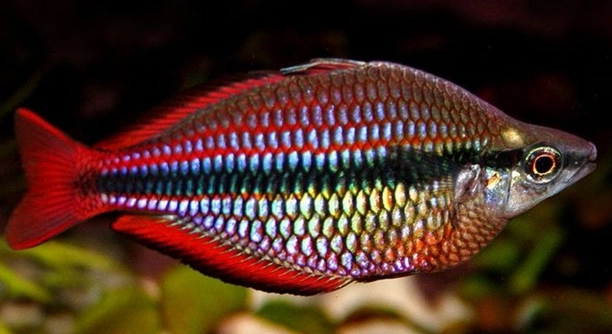
Have you ever looked into your aquarium and tried to spot baby rainbow fish among the plants and pebbles? Their tiny size and fast movements can make them hard to recognize, especially for first-time breeders.
Baby rainbow fish, or fry, are typically small, translucent, and slender in shape. As they grow, their colors start to develop slowly, beginning with faint shades of silver or pale yellow before becoming more vibrant with age and proper care.
Recognizing the early stages of rainbow fish can help you support their growth and enjoy the full beauty of their transformation.
How Baby Rainbow Fish Start Out
When rainbow fish first hatch, they are barely visible in the tank. These tiny fry are transparent, with slim bodies that often blend into their surroundings. At this stage, they don’t have any defining color, and their movements are limited to short, quick bursts. They typically stay near the water surface or hidden in plants, feeding on microscopic food like infusoria or finely crushed flakes. Their survival depends on a clean environment and gentle water flow. If you’ve just had a batch of eggs hatch, it’s helpful to use a separate breeding tank to protect them from adult fish. Baby rainbow fish are sensitive during their early days, and stable water conditions are essential. Watching them slowly gain color and confidence can be rewarding. You may notice slight changes week by week, especially if you provide proper nutrition and keep their space calm and undisturbed.
They grow best when kept in warm, filtered water with soft lighting and a reliable feeding routine.
As the days pass, you’ll notice small silver streaks start to show along their sides. This is the first hint of their signature shine. It’s a subtle sign that they’re growing stronger and more stable. They’ll also begin to swim with more purpose and strength. While still fragile, they’ll gradually become easier to spot as they explore their space more confidently. By this point, you can begin to offer slightly larger foods, like baby brine shrimp or powdered fry food. Always make sure the food is small enough for them to swallow, and remove any uneaten bits to avoid poor water quality. It’s a phase where close observation really pays off. Their progress might seem slow, but every week brings small, steady changes that will soon lead to brighter colors and a fuller shape.
When Their Colors Begin to Show
During the first month, color is minimal. Most baby rainbow fish will look plain, almost clear, with no obvious pattern or hue.
As they continue to mature, you’ll notice gentle color shifts starting to appear on their scales. This process depends on the species, but most rainbow fish begin to show traces of yellow, blue, or green as they approach six to eight weeks old. Their fins might also develop faint outlines of color, and their bodies take on a more solid shape. Feeding a varied, high-quality diet and keeping the tank clean can enhance these natural colors. Growth may be uneven across a group, so some fry may appear more developed than others. Don’t worry—it’s common for some to bloom earlier. As their hues become stronger, you’ll start to recognize the signature iridescence that gives rainbow fish their name. With the right setup, you’ll enjoy a vibrant school of young fish in just a few months.
How Their Behavior Changes Over Time
In the beginning, baby rainbow fish are shy and avoid open areas. They usually stay close to plants or corners where they feel safe, especially when there’s movement around the tank.
As they grow, their behavior slowly shifts. You’ll notice them start to swim more freely and interact with each other in small groups. This is a sign they’re gaining confidence and feeling secure in their environment. Feeding time becomes more active too—they’ll dart toward the surface or middle of the tank, eagerly looking for food. They also start to display small signs of hierarchy within their group, like chasing or playful nudging. These behaviors are normal and help them build social structure. Watching these changes is helpful because it gives you a sense of their development. If they’re still hiding constantly after several weeks, it might be worth checking for water issues or other stress factors.
Around the six-week mark, you’ll likely see more defined schooling behavior. Instead of swimming randomly, they begin to move in coordinated patterns with the group. This is a natural part of their social development. They follow each other, pause together, and respond as a group to changes in the tank. These patterns not only look nice but also help keep them safe, as moving together gives them a sense of security. During this stage, providing enough space becomes important, so they don’t crowd or stress each other. You’ll also want to keep decorations simple but useful—plants, smooth stones, or hiding spots work well. Behavior tells you a lot about how your baby rainbow fish are doing. As long as they’re active, curious, and interacting, they’re usually on the right track.
When to Separate or Move Them
By the time baby rainbow fish reach about one inch in length, it may be time to move them to a larger tank. This allows them to grow comfortably and reduces stress caused by crowding or limited space.
If you’ve raised them in a breeding tank, you’ll want to transition them gradually into the main tank or a grow-out tank, depending on how many you have. Doing this too early can expose them to danger from adult fish or sudden changes in water conditions. Use a drip method or slow acclimation over time to help them adjust without stress. It’s best to make the move once they are strong swimmers and eating consistently. Make sure the tank they’re moving into is stable, fully cycled, and similar in temperature and pH. Keep a close eye on them for the first few days after the move, watching for any signs of illness or stress.
Separating fry at the right time helps prevent overcrowding and uneven growth. Some fish may outcompete others for food or space if kept in the same tank too long. In a larger or divided tank, you can better manage their feeding and track their development. Also, water quality is easier to maintain with fewer fish per gallon. If you’re growing them to full size, the new environment should support their longer-term health. Be sure to include gentle filtration and moderate lighting. Adding floating plants or shaded areas can make the transition easier. Taking the time to do this right gives your rainbow fish the space they need to show off their colors and swim with confidence as they mature.
How to Tell They’re Growing Properly
Healthy baby rainbow fish will grow steadily, showing small changes each week. Their bodies become more slender and firm, fins stretch out slightly, and their movements become stronger. You’ll also notice their eyes becoming more alert and responsive.
By the third or fourth week, they should start developing a faint shimmer on their sides. Their feeding behavior also becomes more enthusiastic. They should eagerly come forward during feeding and finish small portions quickly. If growth seems delayed or their bodies look too thin, check your feeding schedule and water conditions.
Signs They Might Be Struggling
Slowed growth, curled tails, or cloudy eyes can all mean something is wrong. Baby rainbow fish that isolate themselves or float awkwardly may be dealing with stress or illness. Uneven swimming or skipping meals are also warning signs worth checking.
FAQ
How small are baby rainbow fish when they hatch?
They’re usually around 4 to 5 millimeters long—barely visible unless you look closely. At this stage, they’re transparent and often stick close to the bottom or stay near plants. Their tiny size makes them delicate, so even mild current or aggressive tank mates can be too much. It’s best to raise them in a separate tank with calm water and a sponge filter. Over time, they’ll become more visible as their bodies start to fill out and take shape.
When do baby rainbow fish start showing color?
You may see a hint of shimmer as early as 3 to 4 weeks, depending on their health, diet, and environment. At first, it’s just a light glimmer, mostly along their sides. As they approach 6 to 8 weeks, color becomes more noticeable. Lighting and food also play a big role—good-quality flakes, crushed pellets, and live food like brine shrimp help bring out their natural tones. It doesn’t happen all at once, so be patient and keep the water clean and the tank calm.
What should I feed baby rainbow fish?
Start with infusoria or liquid fry food for the first few days. Then move to powdered fry food, baby brine shrimp, or microworms. Feed small portions multiple times a day to keep up with their fast metabolism. Avoid overfeeding since it can cloud the water and cause ammonia spikes. As they grow, you can slowly introduce crushed flakes and other soft foods. Variety is key—they grow better when they get a mix of nutrients from different sources.
How often should I clean the tank?
For fry tanks, small water changes are best—about 10 to 20 percent every other day. Use a siphon carefully so you don’t suck up the babies. Sponge filters help keep the water clean without creating strong currents. Keeping uneaten food and waste under control will prevent spikes in ammonia and nitrites. As they grow and produce more waste, you might increase cleaning frequency slightly. Always match the temperature and pH when adding new water to avoid stress.
Can baby rainbow fish live with other fish?
It’s not recommended while they’re very young. Most adult fish, even peaceful ones, may eat them or outcompete them for food. Once the fry are about an inch long and swimming confidently, you can consider introducing them to a community tank. Even then, choose tank mates carefully—avoid anything too aggressive or large. Gradual introduction works best, and keeping hiding spots in the tank gives the young fish space to retreat if needed.
Why are some of my baby rainbow fish not growing?
It’s often due to competition for food, inconsistent feeding, or poor water quality. Some fry may be weaker or have slower metabolisms. Separate the smaller ones into their own tank if possible, so they get a better chance at catching up. Make sure you’re feeding often enough and that the water stays stable. Adding live foods like baby brine shrimp can help boost growth for slower-developing fry. Uneven growth is common, so early intervention can make a difference.
Do baby rainbow fish need light?
Yes, but not too strong. A soft light on for about 10 to 12 hours a day helps them see food and encourages healthy growth. Too much light can stress them, especially if there aren’t plants or shaded areas in the tank. Use a basic LED light and consider floating plants to soften the brightness. Consistent lighting also helps regulate their feeding schedule and activity levels. At night, let them rest in darkness.
How long does it take baby rainbow fish to grow up?
It usually takes about 4 to 6 months for them to reach adult size, depending on the species, diet, and care. Growth is faster in the first few weeks, then slows a bit. By two months, many will have their full color pattern, and by four months, they often start to look like smaller versions of the adults. Feeding well, keeping water clean, and providing space will help them grow at a healthy pace.
Final Thoughts
Baby rainbow fish are tiny, delicate, and fascinating to watch as they grow. From the moment they hatch, they go through many small changes that may not be obvious right away. Their bodies start clear and colorless, but with time, food, and care, they slowly begin to show hints of shine. By observing them closely, you can spot the little shifts in size, shape, and color that happen over the first few weeks. Keeping them in a safe and stable environment makes a big difference. Clean water, soft lighting, and proper food help them stay healthy and grow evenly. While not all fry will grow at the same speed, they each go through similar stages as they mature. Learning to notice these details is part of what makes raising baby rainbow fish feel rewarding.
Raising fry takes a bit of patience and some planning, but it doesn’t have to be complicated. Feeding small meals a few times each day helps support their fast growth. It also prevents them from falling behind in size or strength. You’ll also want to check the tank often for uneaten food or waste buildup to keep the water clean. Even though baby rainbow fish are small, they can be sensitive to sudden changes. Doing gentle water changes and keeping a steady light cycle helps them feel safe. Over time, as they reach about one inch long, they start to look more like adult fish. Their fins grow longer, their bodies fill out, and their colors become richer. Watching this transformation can be a calm, steady part of your daily routine.
Whether you’re raising them for the first time or have seen many grow before, there’s always something new to notice. No two fish develop in exactly the same way. Some may show color early, while others stay pale longer. Some grow faster, while others stay smaller for weeks. As long as you give them a safe space, healthy food, and clean water, most will develop just fine. By focusing on their needs and adjusting your care along the way, you can help each one grow to its full size and show its brightest colors. Over time, they’ll become more active, confident, and beautiful to look at. Raising baby rainbow fish may start small, but it’s something that grows into a bigger part of your tank setup and your day-to-day care routine.

Hello,
If you enjoy the content that we create, please consider saying a "Thank You!" by leaving a tip.
Every little bit helps us continue crafting quality advice that supports the health, happiness, and well-being of pets around the world, for pets of all shapes, sizes, and species.
We really appreciate the kindness and support that you show us!