
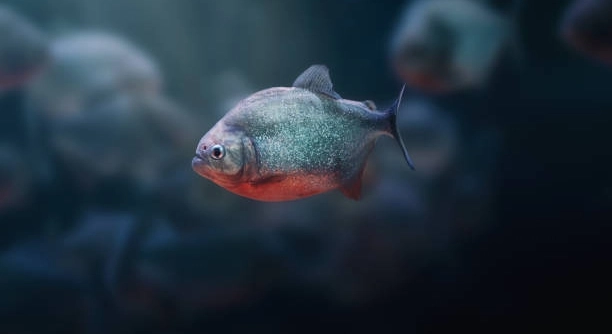
Baby piranhas require proper nutrition from the start to grow healthy and strong. Feeding them the right foods supports their development and helps prevent common health issues. Understanding their dietary needs is essential for any fish keeper.
Baby piranhas primarily eat small live or frozen foods such as brine shrimp, bloodworms, and daphnia. These protein-rich foods provide essential nutrients needed for rapid growth and development during their early stages. Supplementing with finely chopped fish can also be beneficial.
Knowing the right feeding essentials ensures baby piranhas thrive in captivity. This guide covers the key foods and feeding tips for their best care.
Protein-Rich Live Foods for Baby Piranhas
Live foods are the best option for baby piranhas to provide the nutrients they need. Brine shrimp, bloodworms, and daphnia are common choices. These foods offer essential proteins and fats, which support muscle development and energy. They also encourage natural hunting behavior, keeping baby piranhas active and alert. Feeding live foods regularly helps strengthen their immune system and improves overall health. It is important to source these foods from reliable suppliers to avoid contamination. Introducing a variety of live foods prevents dietary boredom and ensures a broad range of nutrients. Small portions should be given multiple times a day to avoid overfeeding. Monitoring feeding habits helps adjust quantities and maintain water quality. Using a feeding schedule creates consistency and reduces waste. Live foods closely mimic what baby piranhas would eat in their natural habitat, promoting proper growth and vitality.
Live protein foods should be offered daily for optimal growth and health.
Adding different live foods keeps baby piranhas engaged and nourished. It also prevents nutritional deficiencies and supports steady development during critical growth stages.
Frozen and Prepared Foods for Convenience
Frozen foods like bloodworms and brine shrimp provide a convenient alternative to live feeding. These foods retain much of their nutritional value and reduce the risk of introducing parasites or harmful bacteria. Thaw frozen portions before feeding to avoid temperature shock. Using frozen foods allows easier storage and portion control, especially for those with limited access to live food suppliers. Baby piranhas accept frozen foods readily if introduced early, helping maintain a balanced diet. It is important to avoid over-reliance on frozen items to prevent nutrient gaps. Supplementing with occasional finely chopped fresh fish or commercial pellets designed for carnivorous fish can help meet dietary requirements. Proper handling and hygiene when feeding frozen food ensure water quality remains stable. Frozen foods can be part of a varied diet, promoting healthy growth without the daily demands of live food preparation.
Introducing frozen foods improves feeding flexibility while maintaining nutritional standards for baby piranhas. Careful preparation and variety help sustain their development effectively.
Feeding Frequency for Baby Piranhas
Baby piranhas require frequent feeding to support their fast growth. Small meals given three to four times daily prevent overfeeding and reduce water contamination.
Feeding multiple times a day ensures baby piranhas get enough nutrients without overwhelming their digestive systems. Young piranhas digest food quickly, so smaller, frequent meals help maintain energy levels and proper development. Overfeeding at one time can lead to leftover food, which pollutes the tank and stresses the fish. Dividing their daily food intake into several portions makes it easier to monitor their appetite and adjust accordingly. Consistent feeding times also help establish routine and reduce aggressive behavior among young piranhas.
It’s important to watch for signs of fullness, like reduced interest in food, to avoid excess feeding. Clean the tank regularly to maintain water quality, which is crucial at this stage.
Importance of Water Quality and Tank Conditions
Clean water is vital for baby piranhas’ health. Maintaining good water parameters supports their growth and prevents disease.
Baby piranhas are sensitive to poor water quality, which can cause stress and illness. Regular water changes and proper filtration help maintain ideal conditions. Water temperature should be stable between 75 and 80°F, and pH should be kept around 6.5 to 7.5. Monitoring ammonia, nitrite, and nitrate levels is critical, as spikes can be harmful. Keeping the tank clean also reduces the risk of bacterial or fungal infections. Proper aeration ensures enough oxygen for baby piranhas, supporting metabolism and digestion. These factors combined create an environment where young piranhas can thrive and develop strong immune systems. Neglecting water quality can undermine all efforts in feeding and care, leading to poor growth or death.
Avoid Overfeeding Baby Piranhas
Overfeeding can quickly degrade water quality and harm baby piranhas. Feeding only what they can consume in a few minutes prevents waste buildup.
Monitoring their appetite is essential to avoid leftover food. Excess food can lead to tank pollution and increase the risk of disease among young fish.
Supplementing with Vegetables
Although baby piranhas are primarily carnivorous, adding small amounts of finely chopped vegetables can aid digestion and provide fiber. Spinach and peas are common options.
Vegetables should be given sparingly and finely chopped to avoid digestive issues. This practice supports overall health without replacing essential protein sources.
Monitoring Growth and Health
Regular observation helps track development and identify health problems early. Healthy baby piranhas are active, alert, and show consistent growth patterns.
Ensuring they receive proper nutrition and care contributes to robust growth and minimizes disease risk, improving survival chances during the early stages.
FAQ
What do baby piranhas eat in the first few weeks?
Baby piranhas mainly consume small live foods like brine shrimp, daphnia, and baby bloodworms during their first weeks. These foods are rich in protein and easy to digest, which supports rapid growth. At this stage, feeding small portions multiple times a day is crucial to meet their energy needs without polluting the water. Occasionally, finely chopped pieces of fresh fish can be introduced to provide variety and additional nutrients. Maintaining a consistent feeding schedule helps baby piranhas develop healthy eating habits early on.
Can baby piranhas eat commercial fish food?
Commercial fish food can be used but should not be the primary diet for baby piranhas. Specialized carnivorous pellets or flakes designed for small predatory fish may be accepted if ground into very fine particles. However, relying too heavily on commercial food can lead to nutritional gaps. Live and frozen foods better replicate their natural diet and supply essential proteins and fats. Gradually introducing commercial food alongside live or frozen options can ease feeding, but protein-rich live foods remain the preferred choice.
How often should I feed baby piranhas?
Feeding baby piranhas three to four times daily is recommended. Their fast metabolism requires frequent, small meals to avoid hunger and ensure steady growth. Smaller portions reduce leftover food, which helps maintain water quality. Overfeeding in one sitting may cause digestive problems and pollute the tank. Monitoring feeding behavior allows adjustment of portion sizes and frequency based on appetite. A regular feeding schedule encourages consistent growth and supports their immune system during this vulnerable period.
What are signs of overfeeding in baby piranhas?
Signs include leftover food remaining after feeding, sluggish behavior, and cloudy water. Overfeeding can lead to poor water quality, which stresses baby piranhas and increases disease risk. Fish may lose appetite or show signs of bloating. Regularly check the tank for uneaten food and remove it promptly. Adjust feeding portions accordingly to prevent these issues. Maintaining clean water through frequent changes and avoiding excess food helps keep baby piranhas healthy and active.
Is it necessary to provide live food daily?
While daily live food feeding is ideal for baby piranhas, occasional substitution with frozen or finely chopped fresh fish can work. Live food offers movement that stimulates natural hunting instincts and provides optimal nutrition. Frozen food retains many nutrients but lacks live prey’s activity, which some baby piranhas prefer. Balancing live and frozen food maintains variety and ensures consistent nutrient intake. Live food also promotes natural behaviors, supporting development beyond just nutritional value.
Can baby piranhas eat vegetables?
Baby piranhas are primarily carnivorous, but small amounts of finely chopped vegetables like spinach or peas can help with digestion. These should be given sparingly and never replace protein sources. Vegetables provide fiber that supports gut health, especially if digestion appears sluggish. Introducing vegetables early can promote dietary variety without disrupting their protein needs. Always monitor how baby piranhas respond and remove any uneaten vegetable matter to maintain water quality.
How important is water temperature for feeding baby piranhas?
Water temperature between 75 and 80°F is optimal for baby piranhas’ metabolism and digestion. Stable temperature ensures efficient nutrient absorption and healthy appetite. Sudden fluctuations can stress young fish, reduce feeding response, and weaken their immune system. Maintaining consistent water conditions supports steady growth and prevents feeding problems. Use a reliable heater and thermometer to monitor tank temperature regularly, adjusting as needed to provide a stable environment conducive to proper feeding and development.
What should I do if baby piranhas refuse to eat?
Refusal to eat can indicate stress, illness, or poor water quality. Check water parameters immediately and perform partial water changes if necessary. Offer a variety of foods, starting with live options like brine shrimp or bloodworms to stimulate feeding. Reduce feeding frequency temporarily to avoid waste buildup. Ensure the tank environment is calm and free from aggressive tank mates. If refusal persists, observe for signs of disease and consider consulting a specialist. Patience and maintaining optimal tank conditions usually restore appetite.
How do I introduce new foods to baby piranhas?
Introduce new foods gradually by mixing small amounts with familiar ones. Start with finely chopped frozen or fresh fish alongside live foods. Observe how baby piranhas react before increasing quantities. Sudden changes can cause stress or digestive upset. Consistent feeding routines help young piranhas adjust to new items. Variety is beneficial but should be balanced to maintain nutritional quality. Always monitor water quality and remove uneaten food to prevent tank problems.
Can baby piranhas eat small insects?
Small insects like fruit flies or mosquito larvae can be a good protein source for baby piranhas if they are safe and pesticide-free. These mimic natural prey and provide variety. Insects should be properly cleaned or bred for feeding to avoid contamination. Avoid wild-caught insects that might carry parasites or toxins. Using insects occasionally supplements their diet and encourages natural hunting behavior, but live aquatic foods should remain the primary choice for balanced nutrition.
Final Thoughts
Feeding baby piranhas requires attention to their specific dietary needs and careful management of their environment. Providing a variety of protein-rich foods, especially live or frozen options, supports their fast growth and overall health. Frequent, small feedings prevent overfeeding and keep water conditions stable, which is essential for young piranhas. Introducing finely chopped vegetables in small amounts can aid digestion but should not replace their main carnivorous diet. Maintaining a consistent feeding routine helps baby piranhas develop properly while minimizing stress and aggressive behavior.
Water quality and tank conditions play a crucial role in the success of raising baby piranhas. Clean, well-filtered water with stable temperature and pH levels ensures a healthy habitat. Overfeeding and leftover food increase waste, leading to poor water quality and potential health issues. Regular monitoring of water parameters, combined with partial water changes, keeps the environment safe and supportive. Providing good aeration and avoiding sudden changes in the tank help baby piranhas maintain strong immune systems and consistent appetites. These measures contribute significantly to the survival and growth of young piranhas.
Overall, caring for baby piranhas involves balancing nutrition, feeding frequency, and tank maintenance. Paying close attention to their behavior and adjusting feeding habits accordingly is important. Overfeeding or poor diet can cause problems, while proper care encourages steady growth and vitality. Understanding these basic principles makes the process more manageable and rewarding. With patience and consistent effort, baby piranhas can develop into healthy adults in a controlled environment. Following these guidelines ensures their needs are met and improves their chances of thriving.

Hello,
If you enjoy the content that we create, please consider saying a "Thank You!" by leaving a tip.
Every little bit helps us continue crafting quality advice that supports the health, happiness, and well-being of pets around the world, for pets of all shapes, sizes, and species.
We really appreciate the kindness and support that you show us!