
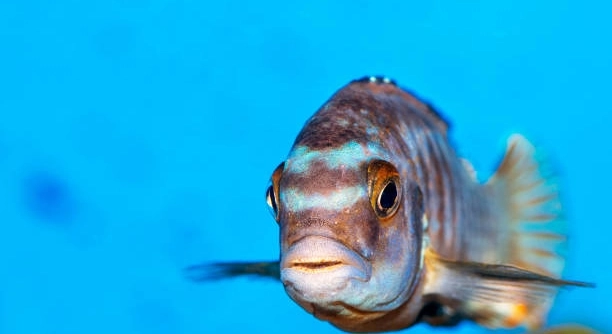
African cichlids are colorful fish found in many lakes and rivers across Africa. They live in diverse environments and have unique eating habits. Learning about what they eat helps us understand their natural world better.
African cichlids in the wild consume a varied diet depending on their species and habitat. Their food includes algae, small invertebrates, plankton, and sometimes other fish. This diverse diet supports their growth, reproduction, and survival in complex ecosystems.
Knowing what these fish eat in nature can help hobbyists provide better care. Their feeding habits reveal important details about their behavior and environment.
Natural Diet of African Cichlids
African cichlids eat a wide range of foods depending on where they live and their species. Many feed on algae growing on rocks, scraping it off with their specialized teeth. Others focus on small insects and larvae found near the shore or among plants. Some cichlids hunt tiny crustaceans and zooplankton floating in the water. A few species are even more aggressive, feeding on smaller fish or the eggs of other fish. This diversity in diet helps reduce competition among different species living close together. Their natural feeding habits are closely linked to their body shape and mouth structure, allowing them to adapt perfectly to their environment. In lakes like Tanganyika and Malawi, cichlids form specific feeding groups based on what they eat, creating a balanced ecosystem. This natural variety provides them with the nutrients needed for healthy growth and reproduction in the wild.
Their diets are shaped by food availability and environmental conditions, leading to many interesting feeding behaviors.
Understanding these habits can guide better care in captivity by mimicking natural food sources and feeding patterns.
Algae and Plant Matter
Algae are a major part of the diet for many African cichlids. These fish scrape algae off rocks or plants, using their teeth to gather enough food. Algae provide essential nutrients and help sustain them when animal prey is scarce.
Some species rely heavily on plant matter as their main food source. These herbivores have specialized digestive systems to break down tough plant fibers. They often feed in shallow, sunlit waters where algae and aquatic plants are abundant. This diet helps keep algae growth in balance, which benefits the whole lake environment. When caring for these cichlids in an aquarium, providing vegetable-rich foods or algae wafers can improve their health. It also supports their natural feeding instincts and keeps them active. Maintaining a varied diet similar to their natural intake helps prevent nutritional deficiencies and supports their vibrant colors.
Feeding patterns often reflect seasonal changes and food availability in their habitat.
Insect and Small Invertebrate Diet
Many African cichlids eat insects and small invertebrates found near the water’s edge. These foods provide important proteins needed for growth and energy.
Insects such as larvae and water beetles are common prey. Cichlids often forage among plants or sift through sand to find these small creatures. Their sharp teeth and quick reflexes help them catch prey efficiently. This diet supports their active lifestyle and helps maintain muscle strength. Small invertebrates like shrimp and snails are also eaten by some species. These foods add variety and essential nutrients that algae alone cannot provide. Eating insects and invertebrates keeps cichlids healthy in the wild and supports their reproductive success.
Some species specialize in hunting, showing impressive agility and tactics to capture fast-moving prey. Others mix plant and animal matter for a balanced diet.
Carnivorous Feeding Habits
Certain African cichlids focus on a carnivorous diet, preying on smaller fish and eggs. This strategy helps control populations and secures a rich nutrient source.
Carnivorous cichlids often have sharper teeth and stronger jaws compared to herbivores. They actively hunt other fish or scavenge eggs from nests. This behavior can shape social structures within cichlid communities. Aggressive hunting also requires good speed and coordination, traits these fish have developed well. While many species are opportunistic feeders, strict carnivores rely mostly on animal protein. Providing high-protein foods in captivity mimics their natural diet and supports their health. Understanding this feeding style is important for anyone keeping these fish to ensure their dietary needs are met properly. It also explains why some cichlids behave territorially during feeding times.
Feeding Adaptations
African cichlids have evolved unique teeth and mouths to suit their diets. Some have strong, sharp teeth for tearing flesh, while others have flat teeth to scrape algae. These adaptations help them access different food sources efficiently.
Their feeding methods vary from nibbling plants to hunting fast-moving prey. Mouth shape often reflects diet type, allowing cichlids to thrive in diverse habitats.
Seasonal Food Availability
Food availability changes with seasons in African lakes. During rainy seasons, more insects and plants become accessible, while dry seasons may limit food sources. Cichlids adapt by shifting their diet based on what’s abundant, ensuring survival through varying conditions.
Impact on Aquarium Care
Knowing wild diets helps aquarium owners provide proper nutrition. Mimicking natural food types supports health, color, and behavior. A balanced diet often includes algae-based foods, protein-rich pellets, and occasional live or frozen treats to meet their needs.
Importance of Variety
Offering a varied diet prevents nutritional gaps and keeps cichlids interested in feeding. Variety also helps replicate natural eating habits, promoting longer, healthier lives in captivity.
FAQ
What do African cichlids eat in captivity?
In captivity, African cichlids thrive on a diet that reflects their natural eating habits. They need a mix of algae-based foods, high-quality pellets or flakes, and protein sources like frozen or live insects, brine shrimp, or bloodworms. Offering variety ensures they get the nutrients needed for vibrant colors and strong health.
Can African cichlids eat only flakes or pellets?
While flakes or pellets can form the base of their diet, feeding only these may lead to nutritional gaps. Adding live, frozen, or vegetable-based foods helps provide a more complete diet. This mix also keeps them stimulated and prevents boredom during feeding times.
Do African cichlids eat plants in the aquarium?
Some species will graze on aquarium plants, especially those that naturally eat algae or plant matter in the wild. If you want to keep live plants, choose hardy species or consider cichlid types less likely to uproot or consume them.
How often should I feed my African cichlids?
Feeding adult African cichlids once or twice daily is usually enough. Give only what they can eat in a few minutes to avoid leftover food that can pollute the tank. Young or growing cichlids may need more frequent feedings for proper development.
Are live foods necessary for African cichlids?
Live foods are not strictly necessary but offer excellent nutrition and encourage natural hunting behavior. They can improve overall health and activity levels. If live food is not an option, frozen or freeze-dried alternatives work well.
Can African cichlids eat human food?
It’s best to avoid feeding African cichlids human food. Many foods can upset their digestive system or cause poor water quality. Stick to fish-specific diets to keep them healthy.
How do feeding habits affect cichlid behavior?
Feeding can influence aggression and territoriality, especially in species that compete for food. Offering enough food and spreading it around the tank helps reduce conflict. Watching feeding behavior can also reveal social dynamics among tank mates.
What signs show my cichlid isn’t eating properly?
If a cichlid refuses food, appears lethargic, or loses weight, it may be stressed or ill. Changes in color or hiding can also indicate problems. Ensuring proper diet and water conditions often improves appetite and health.
Is it okay to feed African cichlids algae wafers?
Algae wafers are a good supplement, especially for herbivorous species. They provide necessary nutrients and help mimic natural grazing. Use them alongside other foods for a balanced diet.
Do African cichlids need supplements?
Supplements are usually unnecessary if the diet is balanced. However, vitamin-enriched foods or occasional supplements can help during illness or breeding periods to support extra nutritional needs.
How important is diet variety for African cichlids?
Variety is very important to prevent nutritional deficiencies and encourage natural feeding behaviors. It also keeps the fish interested and active. Rotating different foods promotes overall wellbeing and longer life.
What happens if African cichlids are overfed?
Overfeeding can lead to poor water quality, obesity, and health problems. Excess food decays, causing harmful ammonia spikes. Feeding small amounts and removing leftovers prevents these issues.
Are there specific foods to avoid?
Avoid fatty, processed, or sugary foods. Also, steer clear of feeding anything that sinks and rots quickly. These can cause digestive issues and pollute the tank.
Can African cichlids eat shrimp or krill?
Yes, shrimp and krill are excellent protein sources that many cichlids enjoy. They help support growth and vibrant colors. Fresh, frozen, or freeze-dried forms are all suitable.
How do I know if my cichlid’s diet is balanced?
A balanced diet results in bright colors, good energy, healthy weight, and regular activity. Clear eyes and clean fins also indicate good health. If these signs are missing, adjusting the diet may help.
Is feeding frequency different for young cichlids?
Young cichlids grow fast and need more frequent feedings, usually two to three times a day. This supports development and builds strong immune systems. Over time, feeding can be reduced as they mature.
African cichlids have diverse diets that reflect their natural habitats and lifestyles. Understanding what they eat in the wild helps us provide better care when keeping them in aquariums. These fish adapt their feeding habits based on available food, which can include algae, plants, small insects, invertebrates, and even other fish. Each species has unique needs, shaped by their environment and physical features like teeth and mouth shape. Knowing these details can help create a balanced diet that supports their health and well-being.
Feeding African cichlids a variety of foods is important to mimic what they would find in nature. Providing both plant-based and protein-rich foods ensures they get all necessary nutrients. In captivity, offering pellets or flakes designed for cichlids, along with live or frozen treats like brine shrimp or bloodworms, can keep them active and healthy. Overfeeding should be avoided to prevent water pollution and health problems. Paying attention to their behavior during feeding times can also help spot any issues early, such as illness or stress.
Overall, caring for African cichlids means respecting their natural eating habits and needs. By offering a balanced diet and the right feeding schedule, we can enjoy their vibrant colors and lively behavior for many years. Feeding them properly not only supports their physical health but also encourages natural behaviors, making them more interesting to watch. Taking the time to learn about their diet and providing the right foods will help ensure a happy and healthy aquarium environment.

Hello,
If you enjoy the content that we create, please consider saying a "Thank You!" by leaving a tip.
Every little bit helps us continue crafting quality advice that supports the health, happiness, and well-being of pets around the world, for pets of all shapes, sizes, and species.
We really appreciate the kindness and support that you show us!