
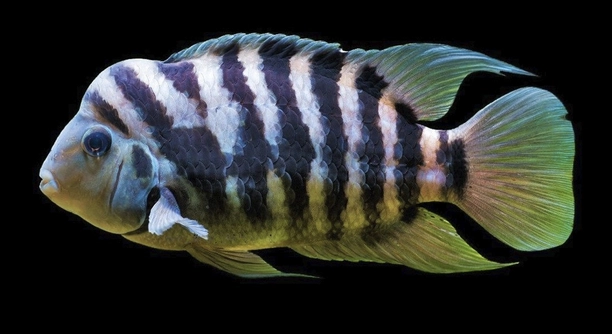
Do you ever find yourself watching your African cichlids and wondering why they sometimes act skittish or hide more than usual?
When African cichlids are nervous, they often hide behind rocks, darken in color, reduce their movement, or become aggressive toward tank mates. These behaviors are stress responses linked to environmental changes, social pressures, or poor water conditions.
Understanding their nervous behavior can help you make better choices for their tank setup, companions, and care routine.
Common Signs Your African Cichlid Is Nervous
When African cichlids feel nervous, their behavior changes quickly. You may notice them hiding behind rocks or decorations more often. Some may hover near the bottom of the tank or stay close to corners. They might also stop eating or start swimming in unusual patterns. Color changes are another clear sign—many cichlids darken when stressed. In some cases, they may become more aggressive, chasing other fish even if they usually don’t. These actions are often linked to feeling unsafe or uncomfortable. If your cichlid is behaving this way, it’s likely trying to cope with stress in its environment.
These signs are how your fish communicates discomfort. It’s their way of saying something feels wrong or unfamiliar in their space.
Knowing how to read their behavior can help you respond faster. You’ll be able to spot small issues before they grow into bigger problems, and your fish will benefit from that care.
What Makes Cichlids Feel Unsafe?
Sudden changes in lighting, loud noises, or movement outside the tank can stress your cichlid. Poor water quality or overcrowded tanks also add pressure, making them feel unsafe.
African cichlids rely on their surroundings to feel secure. When something changes, even slightly, it can throw them off balance. Water temperature that drops too quickly or frequent filter changes might not seem like a big deal to us, but to them, it’s unsettling. Adding new tank mates can also cause nervousness, especially if the newcomers are larger or more aggressive. On top of that, not having enough hiding spaces or territory can create constant tension. These fish are territorial by nature, and when they can’t claim a space, it affects their comfort. It’s also important to test water parameters regularly. High levels of ammonia or nitrates can make them feel sick and uneasy. Keeping their environment stable, quiet, and well-organized can help reduce stress and support natural behavior.
How You Can Help Calm a Nervous Cichlid
Start by checking the water quality—this is often the reason your cichlid feels stressed. Make sure ammonia and nitrite levels are at zero, and the temperature stays within the proper range for the species you keep.
Adding more hiding spaces can make a big difference. Use rocks, caves, or decorations that create safe areas where your cichlid can retreat. Rearranging the tank can also help reduce aggression by breaking up established territories. If the tank is too crowded, consider moving a few fish to another setup. Some cichlids do better with fewer tank mates, especially if they’re naturally more shy or easily stressed. Keep lighting soft and avoid tapping on the glass. Try feeding smaller amounts of food more often—this can build trust over time. Small changes like these often help them feel more secure and reduce nervous behavior.
Avoid sudden movements around the tank. Cichlids can be easily startled by quick changes or loud noises. If your tank is in a high-traffic area, consider placing a background on the back and sides of the aquarium to reduce outside stimulation. Consistency is key—keep a routine for feeding and tank maintenance. Your cichlid will get used to that schedule and begin to relax. Some fish may take longer to adjust, so it’s important to be patient. Avoid adding new fish until your nervous cichlid shows signs of improvement. Creating a calm and stable environment is the best way to support their comfort and well-being long-term.
When Nervousness Turns Into Aggression
Sometimes, nervous cichlids respond with aggression, especially when they feel cornered or don’t have enough space. This behavior may include chasing, biting, or guarding one area of the tank more than usual.
Aggressive behavior from a nervous cichlid isn’t always about dominance—it can be a way to protect themselves. If a fish feels unsafe or overwhelmed, it may lash out as a defense. Tank size is a big factor here. A small tank with too many fish creates constant tension. Giving each cichlid enough room to establish territory helps lower that stress. Adding visual barriers, like plants or driftwood, can also help break line-of-sight and reduce conflict. Monitor interactions during feeding times, since competition for food often increases aggressive behavior. If things don’t improve, it may help to temporarily separate aggressive fish to give them space to calm down. Watching closely and adjusting as needed will support a more peaceful tank.
Why Environment Matters So Much
Cichlids rely on their surroundings to feel secure. A well-planned tank gives them places to hide, explore, and rest. When the tank is too empty or unbalanced, they become stressed more easily.
Tank size, layout, lighting, and background all play a role. Keeping their space calm and predictable helps them feel safe.
How Tank Mates Affect Behavior
Not all fish get along with African cichlids. If tank mates are too aggressive, too active, or too different in size, your cichlid may stay nervous or become aggressive. Try choosing tank mates with similar temperaments and space needs. Watch how they interact after any new additions. Pairing them carefully lowers stress and avoids ongoing issues.
Small Adjustments That Make a Big Difference
Simple things like dimming the light, adjusting the filter flow, or moving decorations can ease stress. Tiny changes often help them settle back into their routine.
FAQ
Why is my African cichlid hiding all the time?
Constant hiding usually means your cichlid feels unsafe or stressed. It might be due to poor water quality, bright lighting, aggressive tank mates, or not enough hiding spots. Check your tank setup and test the water. Adding more caves or decorations can help your fish feel more secure and come out more often.
Do African cichlids get scared easily?
Yes, African cichlids can be sensitive to sudden changes. Loud noises, quick movements near the tank, or even changes in lighting can make them feel nervous. Some are more skittish than others, especially when they’re still getting used to a new environment. Giving them a calm, stable space helps reduce fear.
Can nervous cichlids become aggressive?
Yes, nervousness can lead to aggression. When a cichlid feels threatened or overwhelmed, it may try to protect itself by acting out. This could include chasing, biting, or flaring fins. Aggression is often a sign the fish isn’t comfortable. Adjusting the environment can help reduce both stress and aggression.
How can I calm a nervous African cichlid quickly?
Start by checking water conditions—poor quality can be stressful. Then, reduce light, add more hiding spots, and limit loud noise or sudden movement near the tank. Avoid making big changes too quickly. A quiet, steady routine helps your fish feel calm and safe again.
What water parameters do African cichlids need to feel safe?
They do best in water with a pH between 7.8 and 8.6, a temperature around 75–82°F (24–28°C), and ammonia/nitrite at zero. Nitrate should stay below 40 ppm. Keeping these levels stable will prevent stress and keep your fish healthy. Always test water regularly, especially after water changes.
Is it okay to rearrange the tank often?
Too much rearranging can make your cichlid nervous. They get used to their surroundings and feel secure when things stay in place. Only move decorations when needed—like during cleaning or to break up aggression. Small, thoughtful changes are better than frequent full rearrangements.
Why did my cichlid suddenly start acting nervous?
Sudden stress can be caused by many things: a new tank mate, poor water quality, a change in lighting, or illness. Try to think about any recent changes in the tank. Sometimes even small things like turning on a bright room light at night can upset them.
Should I separate a nervous cichlid from the others?
If the fish is being bullied or not getting enough food, it may help to move it to a separate tank for a while. This gives it a chance to recover and feel safe again. Make sure it has good water and hiding places. Watch it closely before reintroducing it.
Can diet affect a cichlid’s behavior?
Yes, poor nutrition can lead to stress and health problems. African cichlids need a balanced diet that matches their species—some are herbivores, others are omnivores. Overfeeding or giving the wrong food can make them sluggish or irritable. Feed them small amounts, once or twice a day.
Do African cichlids need tank mates to feel secure?
Not always. Some species are more social, while others prefer their own space. Keeping cichlids with the wrong type of tank mates can create stress. It’s more important to match their temperament and space needs than to give them company. A peaceful, stable tank helps them feel at ease.
Final Thoughts
Caring for African cichlids can be a rewarding experience, but it does take patience and attention. These fish have strong personalities, and they show clear signs when something feels off. Nervous behavior—like hiding, color changes, or aggression—is not something to ignore. It’s often their way of saying they’re uncomfortable. Taking the time to understand these signs and learning how to respond can make a big difference. Even small actions, like adding hiding places or checking water quality, can help your cichlids feel more at ease.
Keeping a stable environment is one of the most important things you can do. That means regular water changes, a steady feeding routine, and making sure the tank stays clean. Try not to make too many sudden changes all at once. If you need to rearrange the tank or add new fish, do it slowly and watch how your cichlids react. Every fish is different—some adjust quickly, while others need more time. If one of your cichlids continues to act nervous, it may be helpful to separate it for a while until it calms down. A peaceful space can give it time to recover and feel safe again.
It’s also helpful to observe your fish often. Pay attention to how they swim, where they spend their time, and how they interact with others. This helps you notice changes early before they become bigger issues. African cichlids can be sensitive, but with the right care, they usually settle down and become more confident in their space. They are interesting to watch, especially when they feel comfortable enough to show their natural behaviors. Taking the time to meet their needs—both physical and behavioral—can lead to a healthier and more peaceful tank. It’s all about creating a calm and steady environment where your cichlids can thrive.

Hello,
If you enjoy the content that we create, please consider saying a "Thank You!" by leaving a tip.
Every little bit helps us continue crafting quality advice that supports the health, happiness, and well-being of pets around the world, for pets of all shapes, sizes, and species.
We really appreciate the kindness and support that you show us!